
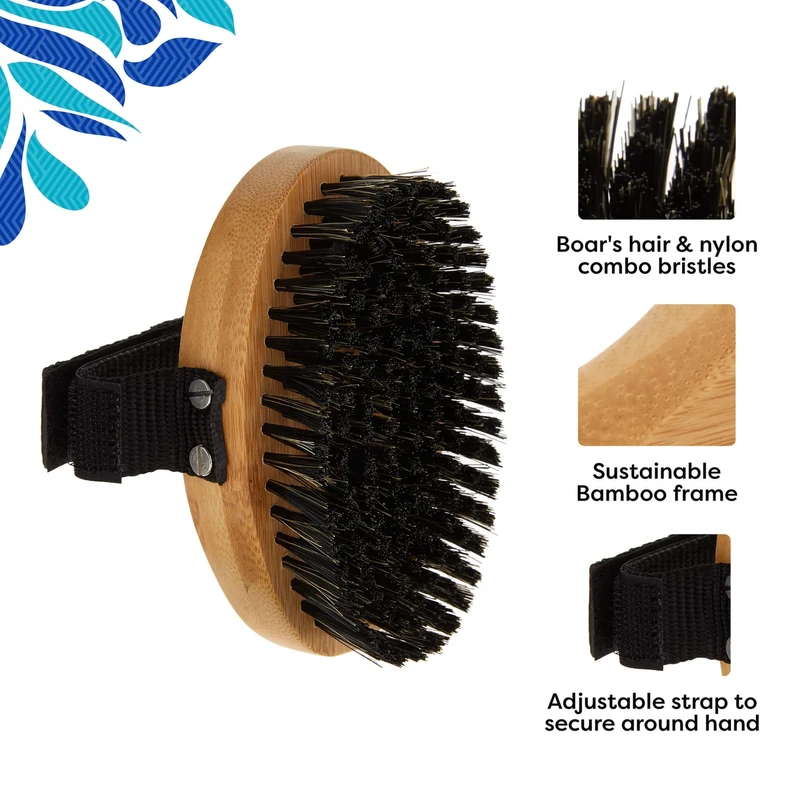
Sustainable Bamboo Pet Brushes: Why Bamboo Beats Plastic
PawVerde.com – Sustainable bamboo pet brushes offer a high-performance, low-impact alternative to plastic and rubber grooming tools. By utilizing rapidly renewable bamboo and natural bristles, these brushes minimize carbon footprints (as low as 0.4 kg CO₂e/unit) while preventing the microplastic shedding and static buildup common in synthetic grooming equipment.
Certified bamboo brushes can have a carbon footprint as low as 0.4–0.7 kg CO₂e/unit, which is significantly lower than the 1.2–2.1 kg CO₂e/unit found in recycled plastic alternatives. This distinction is critical for pet owners aiming to reduce their household’s total environmental impact through informed purchasing decisions.
The Material Science: Why Bamboo Outperforms Rubber and Plastic
Bamboo is functionally superior to rubber because it is calibrated to keratin’s surface energy, preventing the electrostatic buildup and microplastic shedding seen in synthetic tools. Unlike rubber mitts, which can act as temporary adhesives and generate static, bamboo brushes provide a clean lift for undercoats without damaging the skin barrier.
Biomechanical advantages over rubber
Material choice dictates biomechanical outcome—not just ethics. Dr. Lena Cho, a Textile Biophysicist & Pet Dermatology Consultant, explains:
“Material choice dictates biomechanical outcome—not just ethics. Bamboo isn’t ‘nicer’; it’s functionally calibrated to keratin’s surface energy and tensile behavior. Rubber, by contrast, behaves like a temporary adhesive: effective until it isn’t—and then it’s actively counterproductive.”
This means that while a rubber mitt might feel effective by grabbing hair, it often creates an electrostatic environment that makes grooming difficult. Bamboo provides a neutral surface that interacts more predictably with animal hair.
The microplastic problem in synthetic grooming
Synthetic grooming tools present a hidden environmental and health risk through polymer degradation. Rubber mitts, even “natural” latex variants, generate static when rubbed against dry fur and shed microscopic polymer particles during washing, according to Alibaba LifeTips. This shedding contributes to microplastic accumulation in domestic environments. In contrast, bamboo is a natural resource that grows rapidly without the need for pesticides, offering a way to avoid these microscopic pollutants entirely.
The Greenwashing Checklist: How to Spot Truly Sustainable Brushes
According to Alibaba LifeTips, switching to bamboo does not automatically reduce environmental impact. Sustainability depends on specific material choices throughout the product lifecycle.
Avoiding formaldehyde-based resins
Manufacturers may use toxic binders to increase durability. To ensure a tool is truly sustainable, consumers should verify that bamboo is not harvested from cleared rainforests or treated with formaldehyde-based resins.
The hybrid brush trap: Nylon and PP risks
Watch for these specific indicators of greenwashing in hybrid models:
- Bristle Composition: Many hybrid “Bamboo” brushes use nylon or PP (polypropylene) bristles, which carry a high microplastic shedding risk.
- Functional Lifespan: Hybrid models often have a shorter functional lifespan of only 3–8 months, compared to the 3–5 years expected from a pure bamboo brush.
- carbon footprint: While a certified bamboo brush sits at 0.4–0.7 kg CO₂e/unit, a hybrid bamboo brush can see a footprint as high as 1.8–2.9 kg CO₂e/unit.
Longevity and Maintenance: Preventing Bamboo Swelling and Warping
Bamboo is an organic, porous material. Unlike injection-molded plastic, it requires specific handling to prevent structural failure.
Warning: Avoid storing bamboo brushes in humid bathrooms. Bamboo is a natural material that can swell and warp if it becomes saturated with moisture or stored in high-humidity environments.
The humidity danger zone
Moisture absorption is a primary failure mode. If a brush is left in a damp environment, the wood fibers expand, which can lead to warping or even cracking. To maximize the 3–5 year expected lifespan of a high-quality bamboo brush, it must be kept in a dry, well-ventilated area.
Step-by-step cleaning protocol
Following these steps from the Bamboo Brush Maintenance techniques ensures the tool remains hygienic and structurally sound:
- Remove fur from the brush after each use.
- Wipe the handle and bristles with a damp cloth.
- Allow the tool to air dry completely in a low-humidity zone before storage.
For optimal grooming results, perform light head-to-tail strokes for 60 seconds. It is also recommended to brush 1–2 hours after your pet has rested to ensure the skin is relaxed and fur is at optimal moisture equilibrium.
The Coat-to-Brush Matrix: Matching Tools to Your Pet
Selecting the right bamboo brush depends on coat type: use sisal and steel pin combinations for thick undercoats to lift fur without static, and natural boar bristles for short-haired breeds to distribute skin oils and increase shine. Avoid rubber-based tools for long-haired breeds to prevent microplastic contamination.
| Coat Type | Recommended Bamboo Tool | Primary Benefit |
|---|---|---|
| Thick/Double Coat | Sisal & Steel Pin Brush | Effective undercoat removal without static |
| Short/Smooth Coat | Natural Boar Bristle Brush | Distributes oils and increases shine |
| Long/Fine Hair | Fine-tooth Bamboo Comb | Tangle prevention and debris removal |
Double coats and deshedding tools
For breeds with heavy undercoats, tools like those from Smile Boutiques that feature sisal and steel bristles are highly effective. These combinations provide the mechanical strength needed to lift loose fur cleanly. Unlike rubber mitts, these tools do not generate the electrostatic buildup that can cause hair to stick to the skin rather than being lifted away.
Short hair and oil distribution
Natural boar bristles promote skin health by distributing oils throughout the coat. This method creates a natural shine and avoids the static electricity generated by synthetic bristles.
End-of-Life: A Circularity Guide for Bamboo Tools
Because bamboo brushes are biodegradable, they offer a significant advantage over plastic tools that persist in landfills for centuries.
Separating metal from wood
Hybrid brushes often face issues with bristle detachment. To manage disposal, users should separate metal pins or steel bristles from the bamboo handle.
Composting vs. Recycling
Pure, untreated bamboo handles can be composted. However, if the brush contains non-removable plastic components, it must be treated as general waste.
Comparison of Eco-Friendly Grooming Lifespans
Pet owners can compare the following expected lifespans to evaluate long-term value:
| Grooming Tool | Expected Lifespan | Sustainability Profile |
|---|---|---|
| Bamboo Brush | 3–5 years | High (Biodegradable) |
| Grooming Gloves | 2–4 years | Variable (Depends on material) |
| Self-Cleaning Brush | 5–10 years | Moderate (Often contains plastic) |
| Deshedding Tool | 5–10 years | Moderate (High durability) |
| Stainless Steel Comb | Lifetime | Very High (Recyclable) |
| Nail Clippers | Lifetime | Very High (Recyclable) |
FAQ
How often should I use a bamboo pet brush?
For optimal results on dry coats, use the brush 2–3x weekly. Ensure you brush 1–2 hours after your pet has rested to allow skin relaxation and moisture equilibrium.
Can I store my bamboo brush in the bathroom?
Avoid humid bathrooms. Bamboo is a natural material that can swell and warp if it becomes saturated with moisture.
Are hybrid bamboo brushes actually eco-friendly?
Not necessarily. Many hybrid brushes use nylon or PP (polypropylene) bristles, which carry a high microplastic shedding risk and a shorter functional lifespan (3-8 months) compared to pure bamboo options.
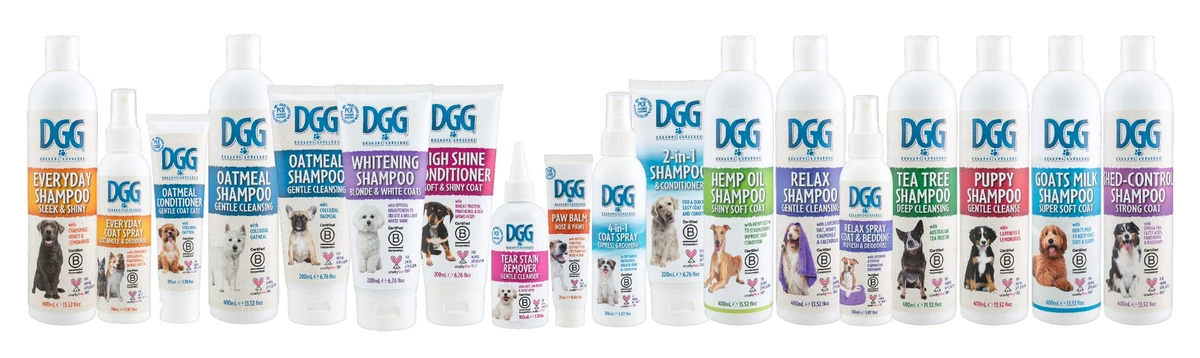
Eco-Friendly Pet Grooming in Australia: A Green Guide
PawVerde.com – eco-friendly pet grooming in Australia focuses on reducing plastic waste through solid shampoo bars, utilizing sustainable materials like bamboo and hemp, and selecting concentrated formulas that lower shipping emissions. For the 29 million pets in Australia, switching to natural extracts and biodegradable ingredients helps protect both their sensitive skin and local ecosystems.
With 29 million pets in Australia, the market is seeing a rise in specialized brands that offer concentrated botanical formulas to meet growing demand.
The Greenwashing Audit: Spotting Fake ‘Natural’ Claims in Australia
To avoid greenwashing, Australian pet owners must look beyond unregulated terms like ‘natural’ or ‘premium.’ Verify products by checking the ingredient weight order, ensuring animal proteins aren’t outweighed by fillers, and seeking brands that provide specific transparency regarding their botanical extracts and manufacturing processes.
The ‘Natural’ Trap
Marketing in the pet industry often relies on terminology that lacks strict legal oversight. According to Nulo, the pet food industry has very loose standards for its marketing terms. A product can be labeled “natural” even if it contains highly processed ingredients. Similarly, the term “premium” has no legal definition, meaning a brand can use the label to justify a higher price point without meeting specific nutritional or ecological benchmarks.
How to Read an Ingredient Label
To identify genuine eco-friendly products, owners should follow specific technical steps during packaging audits:
- Ingredient Order Verification: Check ingredients listed by weight before processing. This ensures that primary components, such as animal proteins, are not outweighed by grains, plants, or synthetic fillers.
- Concentration Check: Look for specific botanical names rather than generic “plant extracts.”
- Packaging Audit: Identify if “biodegradable” claims refer to the formula or the actual vessel.
Environmental impact is often obscured by packaging; for example, a product may claim to be “natural” while still being housed in non-recyclable multi-layer plastics.
Local vs. Imported: The Carbon Footprint Trade-off
The total environmental footprint depends on logistics. While an imported organic shampoo might use high-quality botanicals, the carbon emissions from transoceanic shipping can offset the benefits of its biodegradable formula.
| Brand | Origin/Focus | Primary Eco-Feature |
|---|---|---|
| Anipal | Australian | Recycled plastic bottle collars/leads |
| Mog & Bone | Australian | Hemp-based harnesses and collars |
| Pawfect Pals | Australian | Cruelty-free vegan leather |
| Essencera | Specialized | Concentrated botanical formulas |
Choosing local manufacturers like Anipal or Mog & Bone reduces the logistics-related carbon footprint. While shipping costs for some Australian retailers may include a flat rate of $14.95 or require a $180 order threshold for free shipping at Farmer Pete’s, the reduction in transit emissions is a significant factor in a holistic sustainability strategy.
Top Sustainable Grooming Solutions for Australian Pets
Effective eco-grooming involves three main pillars: solid shampoo bars (like Ethique) to eliminate plastic, bamboo-based tools (like M Pet wipes) for rapid regrowth, and hemp or recycled plastic accessories (like Anipal or Mog & Bone). These alternatives significantly reduce the environmental load of pet maintenance.
Zero-Waste Washing: The Rise of the Bar
Liquid shampoos are often composed largely of water, which adds weight and increases shipping emissions. In contrast, shampoo bars offer a more compact, concentrated alternative. Brands like Ethique provide solid shampoo and conditioner bars that eliminate the need for plastic bottles entirely. For those seeking soap-based options, Troopets manufactures 100% essential oil and natural extract soap bars, providing a direct alternative to synthetic liquid detergents.
Sustainable Hardware: Bamboo, Hemp, and Recycled Plastic
Beyond washing, the physical tools used in grooming can be transitioned to sustainable materials. Bamboo is a standout candidate for hardware because it grows 30 times faster than trees. Furthermore, bamboo produces 30 times the amount of oxygen and absorbs 35 times the amount of carbon dioxide compared to traditional timber. This makes products like M Pet Cleansing Bamboo Wipes a highly renewable choice.
| Product Type | Eco-Benefit | Primary Material/Feature | Best For |
|---|---|---|---|
| Solid Bars | Zero plastic waste | Concentrated soap/shampoo | Frequent bathers |
| Bamboo Tools | Rapidly renewable | Bamboo fibers | Sensitive skin/Wipes |
| Hemp Gear | Low water usage | Hemp fabric | Durability/Leads |
| Recycled Gear | Waste diversion | Recycled plastic bottles | Active pets |
For coat maintenance, a Biosilk brush offers a long-lasting alternative to disposable plastic brushes.
The Transition Protocol: Moving from Chemicals to Botanicals
Biological systems require time to adjust to new ingredients. When moving to botanical formulas, pet owners should monitor for changes in skin texture or moisture levels.
Managing the Two-Week Adaptation Period: Scalp dryness may occur initially as your skin adapts from conventional products, typically resolving within two weeks. This is a biological response to the removal of harsh synthetic surfactants that previously coated the skin.
Step-by-Step Integration:
Shortcut: Start small with one or two products like biodegradable poop bags or natural soap bars, then gradually expand.
To minimize the risk of skin irritation, do not replace every product in a single day. Introduce one botanical element, such as a Troopets bar, and monitor the pet’s skin condition for seven days before introducing the next eco-friendly item.
Cost-Efficiency: Bars and Concentrates vs. Liquid Shampoos
Concentrated options can be more economical over time. For example, Earthbath concentrated formulas can lead to a 90% reduction in greenhouse gas emissions and water usage compared to standard diluted liquids.
| Metric | Liquid Shampoo | Concentrated/Bar |
|---|---|---|
| Packaging Waste | High (Single-use plastic) | Low (Compostable/Zero) |
| Water Content | High (Mostly water) | Minimal to None |
| Emissions | Higher (Heavy shipping) | Lower (Lightweight) |
| Efficiency | Standard | 90% reduction in emissions/water (Earthbath) |
Earthbath concentrated formulas, for instance, can lead to a 90% reduction in greenhouse gas emissions and water usage compared to standard diluted liquids. Additionally, Earthbath has reduced plastic use by 79% by transitioning to soft-pouch packaging for wipes. While the upfront cost of a bar or concentrate might seem higher, the longevity of the product provides better long-term value.
Critical Safety: Avoiding Common Eco-Grooming Pitfalls
Safety is paramount. Certain botanical-based washes are never safe for cats due to their unique sensitivity to specific essential oils.
Warning: Shield Wash is unsafe for cats due to their unique sensitivity to certain botanical oils. Always verify that any botanical-based wash is explicitly labeled as feline-safe.
Species-Specific Toxicity
Many botanical extracts that are safe for dogs can be toxic to cats. Because cats possess different metabolic pathways for processing certain essential oils, a “natural” product can become a chemical hazard. Always cross-reference ingredients with species-specific safety data before application.
Durability Realities
Another pitfall involves the physical reliability of biodegradable items. For example, compostable poop bags, which are made from plant-based materials such as cornstarch to break down into soil, are often not as durable as traditional plastic-based bags. Users should exercise caution when using these in high-moisture environments or for larger waste volumes to avoid breakage.
FAQ
Is organic shampoo safe for all pets?
Not necessarily. Botanical oils used in dog-specific washes can be toxic to cats. Always verify that ingredients are explicitly labeled as feline-safe to accommodate their specific metabolic needs.
Are compostable poop bags actually better?
They are a zero-waste option because they are made from plant-based materials like cornstarch that break down into soil. However, they may lack the durability of plastic in high-moisture environments.
Why does my pet’s skin feel dry after switching to natural shampoo?
This is often a temporary adaptation phase. Skin typically takes about two weeks to adjust from conventional chemical surfactants to natural botanical formulas as the natural lipid barrier stabilizes.
Eco-Friendly Pet Services: How to Avoid Greenwashing
PawVerde.com – Eco-friendly pet services prioritize sustainability through low-emission mobile grooming, insect-based proteins, and biodegradable waste management. By choosing services that utilize solar-powered transport, compostable materials, and ethically sourced nutrition, pet owners can significantly reduce their animal’s carbon footprint and avoid the toxic chemicals often found in conventional pet care products.
The scale of the environmental challenge is immense. American dogs create an estimated 10 million tons of poop each year, creating a massive waste management challenge that requires more than just standard plastic disposal solutions.
The Greenwashing Detector: How to Audit Your Pet Service Provider
To detect greenwashing, avoid providers using vague terms like ‘natural’ or ‘green’ without specific proof. Look for concrete certifications and avoid ‘unrelated labels’—such as ‘CFC-free’—which are marketing tactics used to appear eco-friendly without providing actual environmental value or substance.
Greenwashing often manifests through deceptive labeling in the pet food and supply sectors. Industry analysts have identified 10 common greenwashing practices used to mislead consumers. Within the food and beverage industry specifically, 5 of these practices are highly prevalent, often involving claims that lack verifiable data or third-party oversight.
Red Flag Phrases to Watch For
A primary failure mode for eco-conscious consumers is falling for “Greenwashing via Vague Assertions.” This occurs when a brand uses terms like “eco-friendly,” “natural,” or “green” as catch-all descriptors without providing specific proof descriptors or ingredient details. If a service provider claims to be “environmentally friendly” but cannot list the specific biodegradable certifications of their shampoos, the claim is likely unsubstantiated.
Another deceptive tactic is “Greenwashing via Unrelated Labels.” Some producers highlight irrelevant properties to create a halo effect of sustainability. For example, a company might advertise “CFC-free packaging.” Because CFCs (chlorofluorocarbons) were banned long ago, this label provides zero actual environmental value to a modern consumer; it is simply a marketing tactic designed to appear environmentally conscious.
Verifying Claims with Data Mining
To move beyond marketing fluff, practitioners suggest a more rigorous approach to vetting. One method involves “Data Mining for Greenwashing Detection,” where consumers can run definitions of common greenwashing practices through tools like the WORDITOUT application to highlight and identify negative or deceptive linguistic patterns. Instead of trusting a label, look for specific, measurable data points regarding carbon offsets or ingredient sourcing.
A Step-by-Step Transition Roadmap for Eco-Conscious Owners
Transitioning to a sustainable lifestyle does not require an immediate, total overhaul of your pet care routine. Research indicates that 3/4 of 1,000 surveyed pet owners are interested in learning how to live more sustainably with their pets, suggesting a significant movement toward intentional consumption.
This structured transition helps manage potential pet health sensitivities. Owners can monitor reactions to new ingredients or hygiene products during each phase.
- Phase 1: Low-Stakes Swaps (Waste & Toys): Begin by replacing high-impact disposables. Swap traditional plastic waste bags for compostable alternatives or renewable plant-material options. This stage focuses on items that do not directly impact the pet’s internal biology, making it a safe starting point for testing new brands.
- Phase 2: Dietary Shifts (Proteins & Ingredients): Once waste management is stabilized, address nutrition. Utilize the “Sustainable Nutrition Transition” technique by switching to organic ingredients, locally sourced proteins, or insect-based proteins. It is vital to monitor for digestive changes when introducing new protein sources.
- Phase 3: Professional Service Audits: The final stage involves auditing your service providers. Evaluate grooming salons and veterinary services based on their use of biodegradable formulas and their energy consumption models.
Sustainability can offer financial benefits for retailers. According to industry data, retailers can lower operating costs by reducing waste and conserving energy, which may help mitigate the “green premium” for consumers.
Revolutionizing Pet Hygiene: From Solar Vans to Natural Formulas
Mobile grooming services reduce environmental impact by lowering transportation emissions. Providers like Puppy Luv Pet Services in the DMV area utilize direct-to-home models to minimize the carbon footprint of each visit.
The shift toward mobile, eco-conscious grooming is driven by both environmental necessity and pet wellness. Providers like Puppy Luv Pet Services in the DMV area emphasize that mobile grooming reduces the carbon footprint by lowering transportation emissions through direct-to-home service. Furthermore, as Puppy Luv Pet Services notes, “As we move deeper into 2025, pet parents aren’t just looking for clean dogs—they want clean consciences too.”
Product composition is a critical factor in pet wellness. Traditional grooming products can contain harsh chemicals that irritate skin or trigger allergies. Natural formulas are often gentler, particularly for animals with sensitive skin or existing medical conditions.
Innovation in this sector has reached the level of hardware. For instance, in February 2023, Sundance Pet Grooming introduced a Mercedes Benz clean diesel Sprinter van equipped with rooftop solar panels in the Lake Norman region. This integration of renewable energy directly into the service delivery model represents the high end of sustainable pet hygiene.
The Science of Sustainable Nutrition: Insect Protein and Carbon Goals
Sustainable pet food options can significantly lower carbon emissions. By utilizing organic, locally sourced, or insect-based proteins, brands can reduce their dependence on intensive livestock farming.
The most significant breakthrough in sustainable pet nutrition is the adoption of insect protein. Insect protein is demonstrably better for the environment due to superior land usage, significantly lower water consumption, and almost negligible greenhouse gas emissions compared to traditional beef or poultry. Brands such as Jiminy’s have pioneered the use of these proteins to create high-quality, low-impact meals.
| Feature | Conventional Services/Food | Eco-Friendly Services/Food |
|---|---|---|
| Primary Protein Source | High-impact livestock (Beef/Chicken) | Insect protein or locally sourced organic |
| Packaging Type | Non-recyclable multi-layer plastics | Recyclable or compostable materials |
| Cat Litter Composition | Clay or sodium bentonite | Recycled wood, wheat, or corn |
| Environmental Focus | Mass production efficiency | Carbon footprint reduction (e.g., Open Farm’s 42% goal) |
The data highlights the shift from mass production efficiency to long-term ecological stability. While conventional methods focus on immediate cost, sustainable alternatives prioritize measurable goals like Open Farm’s 42% carbon footprint reduction target.
Corporate accountability is also evolving. Open Farm has established a specific 42% carbon footprint reduction goal to be met by 2030, demonstrating that sustainability is being integrated into long-term business strategy rather than treated as a temporary marketing trend. Furthermore, suppliers like Kemin Nutrisurance are playing a critical role by providing the plant-based ingredients necessary to support these global sustainability strategies in the pet food market.
Managing the Mess: The Lifecycle of Pet Waste
Managing pet excrement is a vital part of environmental stewardship. Proper handling is required to prevent the contamination of soil and water systems.
The “Waste Management – Composting” technique offers a specialized solution. Pet N Pet recommends using specialized composting systems that utilize aerobic digestion and enzyme-based treatments to process waste safely.
When selecting products for waste disposal, the distinction between “biodegradable” and “compostable” is vital. Many products claim to be eco-friendly but fail to reach the necessary environments to actually decompose.
Warning: Many “biodegradable” bags require industrial composting facilities to break down effectively. If these bags are sent to a standard landfill, they may remain intact for years, failing to provide the environmental benefit promised by the manufacturer.
To ensure genuine sustainability, look for manufacturers like MyEcoPet, which produces GMO-free renewable plant material waste bags, or Pet N Pet, which focuses on the future of sustainable waste management. For those looking to transition, Pet N Pet currently offers a 20% discount on first orders to lower the barrier to entry for eco-conscious waste management.
FAQ
Is eco-friendly pet food actually safer for my pet?
Yes, natural formulas and organic ingredients help avoid harsh chemicals like parabens or phthalates that can trigger allergies or skin irritation. This makes them a preferred choice for pets with sensitive skin or specific medical conditions.
How can I tell if a pet brand is greenwashing?
Watch for vague claims like “all-natural” without specific details and avoid brands that highlight irrelevant certifications like “CFC-free.” Real sustainability is backed by specific data, such as carbon reduction percentages or verifiable ingredient sourcing.
Are compostable poop bags truly better for the environment?
They reduce plastic waste, but their effectiveness depends on whether they reach industrial composting facilities rather than standard landfills. Without proper processing, even compostable materials may not decompose as intended.
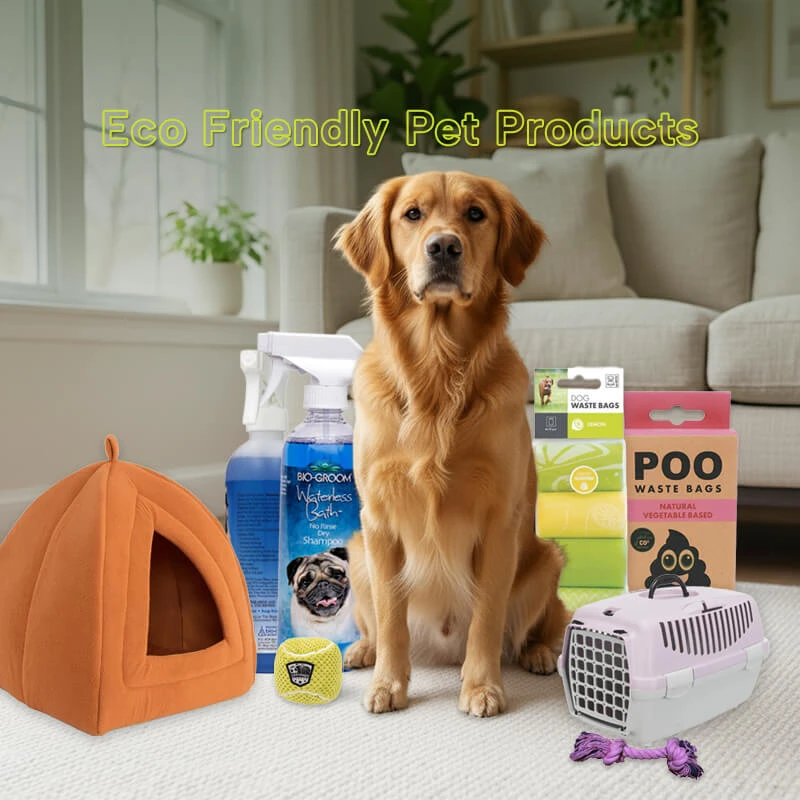
Sustainable Pet Grooming: How to Choose Eco-Friendly Products
PawVerde.com – To groom your pet sustainably, transition from single-use plastics to durable tools like bamboo brushes and stainless steel clippers, swap liquid shampoos for plastic-free shampoo bars, and implement water-saving techniques such as shorter baths and targeted rinsing to reduce your pet’s environmental footprint.
A single grooming session can waste between 10 to 20 gallons of water if not managed efficiently.
How to Audit Your Current Grooming Kit for Greenwashing
To identify greenwashing, look past ‘natural’ labels and scrutinize ingredient lists for sulfates, parabens, and synthetic fragrances. Verify if packaging is truly compostable or just recyclable, and check if ‘eco-friendly’ tools contain hidden microplastics or non-removable metal components that prevent true biodegradability.
Most commercial shampoos and conditioners contain sulfates, parabens, and synthetic fragrances. These chemicals do not just irritate sensitive skin; they also wash down the drain and pollute waterways.
The Ingredient Red-Flag List
When reviewing a product label, a common failure mode is assuming a “botanical” or “natural” label guarantees safety or sustainability. Many products use these terms to mask a core of harsh synthetics. Practitioners recommend checking the fine print for the following:
- Sulfates (often used for lathering but harsh on skin)
- Parabens (preservatives that can disrupt hormones)
- Synthetic fragrances (major sources of waterway pollution)
The Compostability Audit: Bamboo vs. Hybrid Waste
A counterintuitive reality in sustainable shopping is that a bamboo handle does not always equal a zero-waste tool. While bamboo brushes are more sustainable than plastic versions, many “eco-friendly” brushes are actually hybrid waste. For example, a brush might feature a bamboo handle but utilize synthetic nylon bristles that cannot be separated for composting. This creates a product that is impossible to fully biodegrade, ultimately landing in a landfill despite its “green” appearance.
Step 1: Upgrade to Durable, Low-Impact Tools
Replacing items like plastic combs or low-grade brushes is essential because these tools often break during frequent use. Experts suggest that switching to high-quality hardware helps break the cycle of immediate disposal.
| Product Type | Conventional Option | Sustainable Alternative | Primary Eco-Benefit |
|---|---|---|---|
| Brushes | Plastic handles/bristles | Bamboo with natural bristles | Biodegradability & longevity |
| Clippers | Disposable/Cheap plastic | Stainless steel | Extreme durability |
| Shampoo | Liquid in plastic bottles | Solid shampoo bars | Zero plastic packaging |
| Wipes | Single-use wipes | Washable cotton/microfiber | Eliminates landfill waste |
By choosing these alternatives, you avoid the environmental cost of manufacturing and transporting new plastic items every few months.
Investing in Longevity: Stainless Steel vs. Plastic
Durable stainless steel clippers provide a sustainable alternative to cheap plastic tools. While the initial investment differs, these clippers keep nails short for years without the need for repeated replacements, preventing the waste common with low-cost items.
The Microplastic Deep Dive: Avoiding Synthetic Bristles
Bamboo handles paired with natural bristles last longer than plastic versions. Beyond durability, natural bristles provide a gentler experience for your dog’s skin. It is a mistake to prioritize the handle material alone; always inspect the bristles. Synthetic bristles shed microplastics into the water supply during every wash, whereas natural fibers integrate back into the environment more safely.
Step 2: Master Sustainable Bathing and Water Conservation
Conserve water by using a handheld shower head to target specific areas, turning off the tap between rinses, and keeping baths short. To further reduce impact, bathe your pet outdoors or use a bucket to catch excess water for your garden plants.
To mitigate the 10 to 20 gallons of water wasted during typical grooming sessions, prioritize efficient rinsing. Regular brushing also serves as a primary tool for conservation by keeping your dog cleaner and reducing the frequency of necessary baths.
Shortcut: To minimize waste, always keep a dedicated bucket nearby to catch runoff, which can be reused for garden irrigation.
The ‘Brush More, Bathe Less’ Strategy
Regular brushing removes dirt and loose hair to reduce the frequency of necessary baths. This simple change protects sensitive skin and significantly lowers water consumption.
Optimizing Water Use with Handheld Attachments
If bathing indoors, use a handheld shower head. This allows you to target specific areas—like paws or soiled fur—without running a high-volume stream over the entire body. Another failure mode is leaving the tap running while applying shampoo; always turn the water off during the lathering phase to prevent unnecessary waste.
Step 3: Select pH-Balanced, Plant-Based Cleansers
Using vegan dog shampoos can reduce demand on animal agriculture, which is a major global contributor to greenhouse gas emissions. These plant-based options provide a way to manage environmental impact through ingredient selection.
Warning: Always verify that any cleanser matches the typical canine skin pH of 6.2 to 7.4. Using products designed for humans can strip the skin’s protective barrier, leading to irritation and infection.
Why pH Matters: Protecting the Skin Barrier
Canine skin is biologically different from human skin. While humans lean toward a more acidic profile, dogs require a specific range of 6.2 to 7.4 pH. Using the wrong cleanser is a common mistake that leads to dermatological issues, often requiring more frequent (and water-intensive) medicated baths to correct.
The Benefits of Solid Shampoo Bars
Shampoo bars made specifically for pets are a premier alternative for reducing plastic. These bars last longer than liquid bottles and often come wrapped in recyclable paper rather than plastic, eliminating the waste that accumulates with traditional liquid shampoos.
Step 4: Implement Safe DIY Grooming Recipes
Creating your own grooming supplies can reduce reliance on commercial packaging. However, safety must remain the priority when mixing ingredients at home.
Deodorizing and Ear Care
You can utilize these specific DIY techniques for routine maintenance:
- DIY Natural Deodorizer: Rub a small amount of baking soda into the dog’s coat and brush it out to neutralize odors.
- DIY Ear Cleaning: Use a simple solution of white vinegar and water to gently clean ears.
Warning: When using DIY ear solutions, use a precise ratio of white vinegar and water to maintain a safe pH. Never use undiluted vinegar or essential oils that may be toxic to specific breeds.
Cleaning Accidents with Enzyme Solutions
Homemade enzyme cleaners are highly effective for managing pet accidents. These cleaners work by breaking down urine at a molecular level, which neutralizes both odors and stains. To make one, combine citrus peels, brown sugar, and water to create a potent, eco-friendly solution.
Sustainable Grooming on a Budget: A Tiered Approach
You can manage the shift to eco-friendly care through a tiered system of upgrades. This allows for a gradual transition rather than an immediate overhaul.
- Zero Cost: Implement the “Brush More, Bathe Less” strategy and reuse old towels or T-shirts as wipes.
- Low Cost: Create DIY enzyme cleaners or ear solutions using household staples like vinegar and citrus.
- Investment: Replace aging plastic tools with high-quality stainless steel clippers and bamboo brushes.
By upgrading these essentials, you save money over time and reduce the endless cycle of single-use products.
FAQ
Is it safe to use DIY vinegar solutions for my dog’s ears?
Use a precise ratio of white vinegar and water to maintain a safe pH. Avoid using undiluted vinegar or essential oils that may be toxic to specific breeds. Always consult a professional if your pet shows signs of ear irritation.
Can I compost my pet’s hair after grooming?
Yes, pet hair can be responsibly disposed of by composting it or using it as mulch in your garden. This turns a grooming byproduct into a nutrient-rich resource for your soil.
How do shampoo bars compare to liquid bottles?
Shampoo bars last longer and typically come in recyclable paper packaging, eliminating the plastic bottle waste associated with liquid versions. They are a highly efficient, concentrated alternative for zero-waste pet care.

Green Grooming Tools Reduce Waste & Boost Pet Health
PawVerde.com – green grooming tools made from sustainable materials like bamboo and recycled plastics reduce environmental waste and exposure to harmful chemicals, promoting healthier skin and coats in pets while supporting eco-friendly pet care routines. These tools, combined with biodegradable shampoos and energy-efficient grooming equipment, form the backbone of an emerging eco-conscious grooming movement that benefits both pets and the planet.
Traditional pet grooming practices heavily rely on synthetic materials, harsh chemicals, and excessive water usage, contributing to pollution and environmental degradation. Transitioning to green grooming tools and sustainable products mitigates these impacts while enhancing pet health through natural, non-toxic ingredients and materials. Understanding the environmental and health benefits of green grooming tools, as well as practical ways to adopt sustainable grooming habits, is crucial for pet owners and professionals aiming to reduce their ecological footprint.
Environmental Impact of Traditional Pet Grooming
Conventional pet grooming often involves the use of plastic brushes, synthetic combs, and shampoos containing sulfates, parabens, and artificial dyes. These chemicals not only pose risks to pet skin and coat health but also contribute to waterway pollution when washed down drains. Single-use plastic packaging and disposable grooming wipes exacerbate landfill waste, with millions of plastic grooming accessories discarded annually worldwide. Additionally, water-intensive bathing practices increase resource consumption, placing further strain on local water supplies.
Studies show that traditional grooming salons consume up to 100 gallons of water per dog during a single grooming session, significantly impacting water resources in areas facing drought or water scarcity. The heavy energy consumption of conventional grooming tools, such as electric clippers and dryers, also adds to the carbon footprint. Collectively, these factors highlight the urgent need for eco-friendly alternatives that address both environmental and pet health concerns.
Sustainable Materials and Products in Green Grooming
Bamboo brushes and combs have emerged as popular alternatives to plastic grooming tools due to their biodegradability, renewability, and durability. Bamboo grows rapidly without pesticides, making it an environmentally responsible raw material. Brushes with bamboo handles and natural bristles reduce plastic waste, decomposing naturally after disposal. Brands such as Bass Brushes and PawBasic offer bamboo grooming tools designed to maintain effectiveness while minimizing ecological impact.
Biodegradable shampoos and conditioners formulated with natural, chemical-free ingredients avoid harmful sulfates, parabens, and artificial colorants. Earthbath and Burt’s Bees for Pets are leading suppliers of such products, using plant-based surfactants and soothing botanicals that promote skin health without contaminating waterways. These shampoos also support pets with sensitive skin, reducing allergic reactions and dryness often caused by synthetic chemicals.
recycled plastic grooming tools and compostable grooming cloths further extend green grooming options. Tools made from post-consumer recycled plastics reduce the demand for virgin plastic production. Compostable towels and wipes utilize plant-based fibers that break down naturally, lessening landfill contributions. Together, these products form a comprehensive sustainable grooming toolkit that aligns with circular economy principles.
Benefits to Pet Health and Well-being
Switching to natural grooming products significantly lowers pets’ exposure to harmful chemicals and synthetic fragrances, which can cause skin irritation, allergies, and long-term health issues. Natural bristles on bamboo brushes provide gentle massage effects, stimulating blood circulation and promoting healthier skin and coat condition. Veterinary experts emphasize that avoiding harsh chemical residues reduces the risk of dermatitis and other skin disorders.
Clinical research indicates pets groomed with biodegradable shampoos show improved skin barrier function and fewer incidences of dryness compared to those treated with conventional products. Furthermore, eco-friendly grooming practices enhance pet comfort; soft, sustainable materials minimize discomfort during brushing and reduce stress. Regular use of energy-efficient grooming tools with quieter motors also lessens anxiety in noise-sensitive animals, contributing to overall welfare.
Eco-Friendly Grooming Practices
Water conservation is a pillar of sustainable pet grooming. Innovative grooming salons such as Green Collar Grooming and Rainbow Dog Green Grooming have implemented water-efficient bathing stations that recycle and filter water, reducing consumption by up to 50%. At home, pet owners can adopt low-flow showerheads and limit bathing frequency to conserve water without compromising hygiene.
Energy-efficient grooming tools, including rechargeable clippers and dryers with low wattage motors, substantially reduce electricity use. Utilizing natural light and scheduling grooming sessions during off-peak energy hours further cuts carbon emissions. Responsible disposal practices, such as composting pet hair and mulching with fur, convert waste into valuable organic material that enriches soil, closing the loop in sustainable grooming.
Reusable grooming wipes and eco-friendly detergents for cleaning tools complement these efforts. These wipes are made from washable, biodegradable fibers, replacing disposable alternatives. Detergents free from phosphates and synthetic fragrances protect water quality and promote safer handling for groomers.
Green Grooming Salons and Services
Eco-conscious grooming salons are gaining prominence by integrating sustainable materials and operational practices. Green Collar Grooming uses biodegradable shampoos, bamboo brushes, and energy-saving equipment, while Rainbow Dog Green Grooming emphasizes plastic-free packaging and compostable waste management. Mobile services like Wuf Holistic Mobile Dog Grooming focus on water-efficient techniques and natural products, meeting growing demand for environmentally responsible pet care.
Clients benefit from healthier pets, as these salons prioritize non-toxic products and gentle handling. Additionally, pet owners aligned with environmental values find such services reinforce their commitment to sustainability. Identifying green grooming businesses involves checking for certifications, product sourcing transparency, and observable eco-friendly practices.
Economic and Marketing Advantages for Groomers
Pet grooming professionals adopting green tools and sustainable products access a rapidly expanding market segment of eco-conscious consumers. Brands like Kinship and Adogable Pet Services have reported increased client retention and referrals after incorporating natural grooming lines and promoting their environmental commitment.
Marketing strategies highlighting toxin-free grooming, waste reduction, and energy efficiency resonate with modern pet owners prioritizing health and sustainability. Groomers also gain reputational benefits by differentiating themselves through ethical practices, fostering trust and long-term customer loyalty. Cost savings from reduced water and energy use further improve operational efficiency.
Future Trends and Innovations in Eco-Friendly Pet Grooming
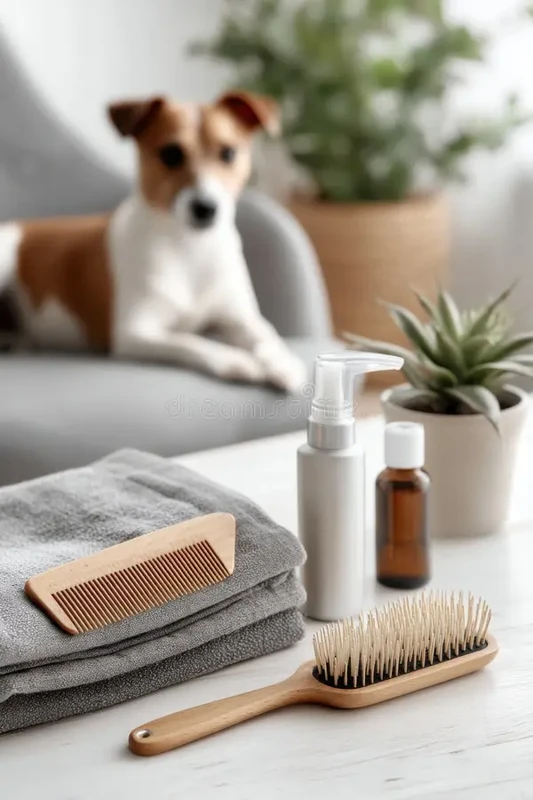
The market for sustainable pet grooming tools is expected to grow as technological advancements introduce solar-powered grooming devices and smart energy management systems. Digital booking platforms reduce paper waste and streamline appointment scheduling, supporting greener business operations.
Emerging products include biodegradable grooming tool components, non-plastic packaging innovations, and multi-functional grooming kits designed for minimal environmental impact. Research into plant-based alternatives for synthetic grooming tool parts continues, aiming for full circularity in product life cycles.
Increased collaboration between pet care brands and environmental organizations fosters innovation and consumer education, accelerating adoption of green grooming practices. This trajectory aligns with broader global sustainability goals and evolving consumer preferences toward responsible pet care.
Frequently Asked Questions about Green Grooming Tools
Why are bamboo brushes better than plastic ones for pet grooming?
Bamboo brushes are biodegradable, renewable, and free from the toxic additives often found in plastic tools. They reduce plastic waste, decompose naturally, and provide gentle grooming with natural bristles, benefiting both the environment and pet skin health.
What ingredients should I look for in eco-friendly pet shampoos?
Look for shampoos containing plant-based surfactants, essential oils, and botanical extracts free from sulfates, parabens, artificial dyes, and synthetic fragrances. These ingredients minimize skin irritation and avoid polluting waterways.
How can I reduce water usage during pet grooming at home?
Use low-flow showerheads or pet-specific bathing tools that regulate water flow, bathe pets less frequently but thoroughly, and recycle rinse water when possible. Scheduling grooming during cooler parts of the day can also reduce evaporation losses.
Are eco-friendly grooming salons more expensive than traditional ones?
While some eco-friendly salons may charge premium prices due to sustainable product costs, many offer competitive rates balanced by operational savings from water and energy efficiency. The investment often results in healthier pets and stronger client relationships.
Can composting pet hair really help the environment?
Yes, pet hair is rich in nitrogen and decomposes readily in compost, improving soil quality. Composting reduces landfill waste and supports organic gardening, making it a practical waste reduction strategy in sustainable grooming.
Green grooming tools and practices represent a pivotal shift toward sustainable pet care that safeguards animal health while mitigating environmental harm. Adopting bamboo brushes, biodegradable shampoos, and energy-efficient equipment, alongside responsible water and waste management, delivers tangible benefits for pets, groomers, and the planet. The continued expansion of green grooming salons and innovative product developments herald a promising future for eco-conscious pet grooming worldwide.