
Are Compostable Dog Poop Bags Truly Eco-Friendly?
PawVerde.com – compostable dog poop bags are plant-derived alternatives to plastic that break down into organic matter under specific conditions. However, their environmental benefit depends entirely on your local waste infrastructure; in a landfill, they may take up to 400 years to decompose and can even release methane.
When disposed of in a landfill, these bags can take between 75 to 400 years to decompose. This process often results in the release of methane.
The Compostability Reality Check: Is Your Bag Truly Eco-Friendly?
To avoid greenwashing, audit your packaging for the exact percentage of plant-based content. Many ‘compostable’ bags are only partially vegetable-based (some as low as 38%), while the remainder may consist of fossil-fuel-based materials that can break down into microplastics.
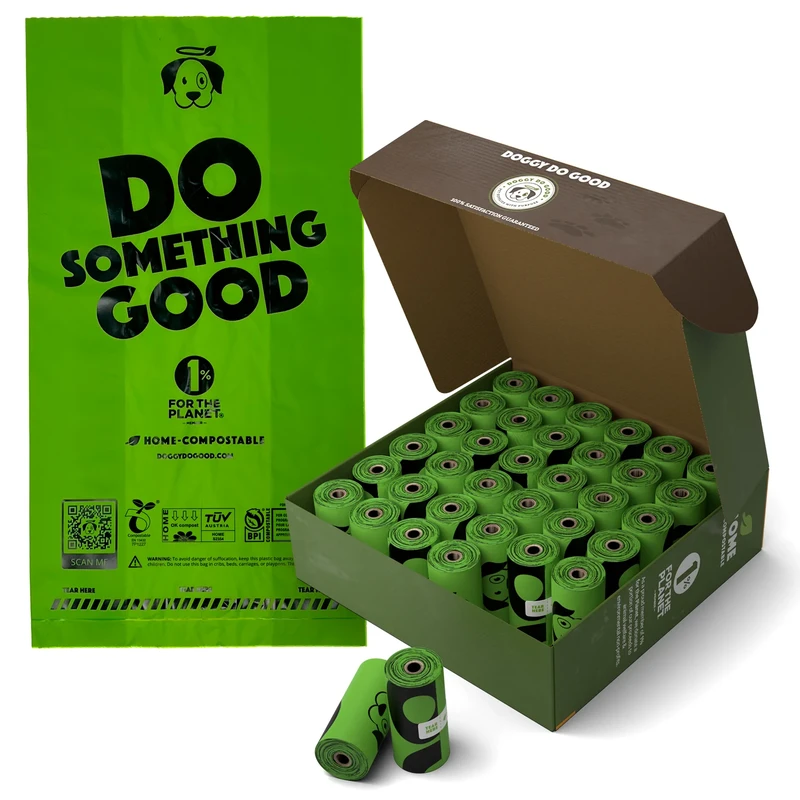
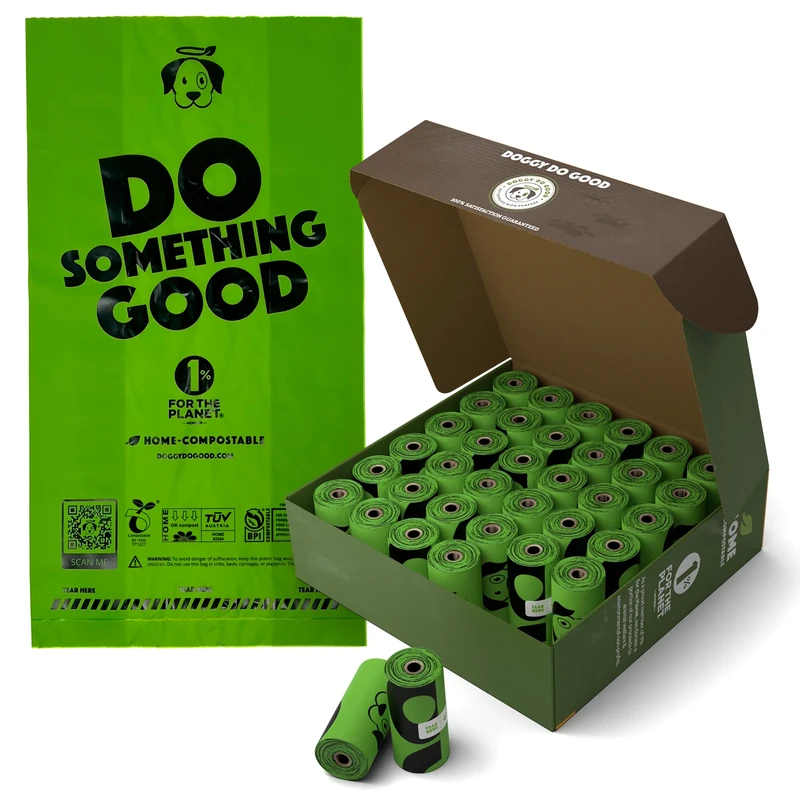
Environmental benefits are often obscured by complex manufacturing processes. For instance, Doggy Do Good bags contain only 38% vegetable-based content. The remaining 62% of the material consists of other components that do not share the same plant-derived properties.
The Microplastic Paradox
The term “compostable” does not always guarantee a return to nature without trace. Many compostable bags are made from fossil fuels treated with chemicals designed to help them biodegrade more quickly—and potentially break down into microplastics. This creates a scenario where the bag disappears from sight but leaves behind microscopic plastic fragments in the soil or water.
Decoding ‘Biodegradable’ vs. ‘Compostable'”
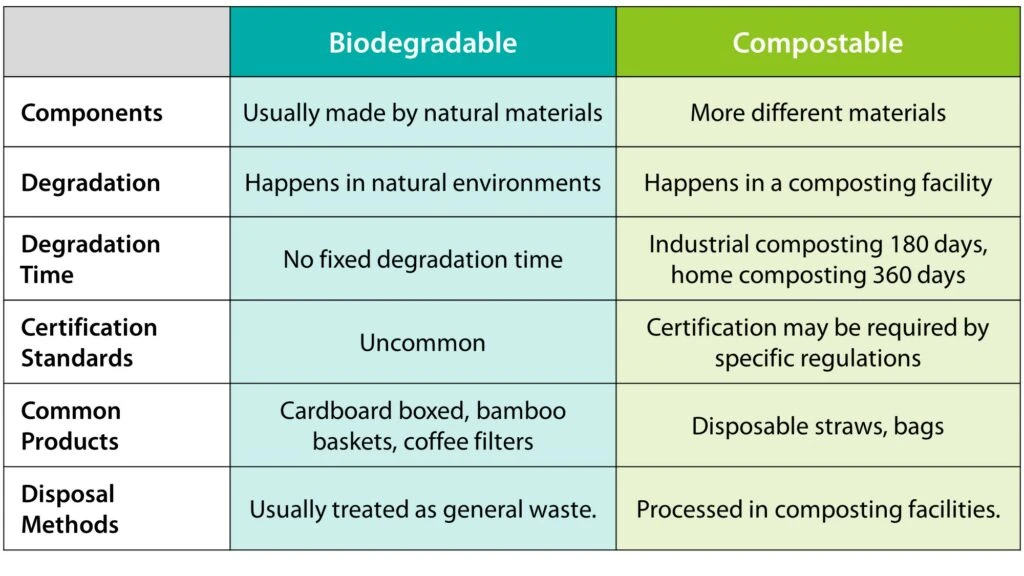
Consumers often confuse these two terms. Compostable dog poop bags are a specific subset of biodegradable bags, typically made from plant-derived materials that can break down completely into natural substances under the right conditions. In contrast, the term “biodegradable” is not tightly regulated, meaning it can be applied to a wide range of products that may not meet strict composting standards. According to the Biodegradable Products Institute (BPI), which sets and certifies composability standards for North America, the distinction is critical for effective waste management.
Infrastructure Compatibility: Should You Buy Compostable or Recycled Plastic?
If your waste is destined for a landfill or incineration, a recycled plastic bag is likely the more sensible choice. This selection minimizes new petroleum use.
In the United States, industrial composting facilities often refuse to accept dog waste. This is because municipal facilities typically reject pet waste due to biohazard concerns and the presence of potential pathogens.
| Disposal Method | Best Bag Type | Environmental Impact |
|---|---|---|
| Landfill | Recycled Plastic | Minimizes new petroleum use; avoids methane release. |
| Industrial Compost | Certified Compostable | Converts waste to organic matter (if permitted). |
| Home Compost | Certified Compostable | Highest efficiency for local nutrient cycling. |
The final destination of your waste dictates the best product. Use compostable bags if you have access to a specialized composting system; otherwise, recycled plastic serves as a practical landfill option.
Top Compostable Bag Brands for 2025
Leading compostable brands for 2025 include Earth Rated, Unni, Moonygreen, Zola Zola, and Greener Walker. When choosing, consider specific needs like Moonygreen’s 9″ x 13″ size or the durability requirements of your specific dog breed.
- Earth Rated: A widely recognized brand in the pet industry.
- Unni Pet Waste Bags: A specialized manufacturer of compostable options.
- Greener Walker: Focuses on eco-friendly waste solutions.
- Zola Zola: Offers compostable alternatives for pet owners.
- Moonygreen: Provides various sizes, including a 9″ x 13″ option.
Durability vs. Degradability: A Stress Test
The trade-off between how fast a bag breaks down and how strong it is can be significant. While degradability is the goal, some users report that the Moonygreen bags tear easily. This physical failure can lead to messy cleanup and unintended environmental exposure if the bag breaks before the waste is properly disposed of.
Size and Utility Comparison
Different breeds require different bag dimensions. While a standard bag might suffice for a small dog, larger breeds may require the 9″ x 13″ size offered by Moonygreen to ensure secure containment. Selecting the wrong size can lead to bag failure, which is a common frustration for owners of large-breed dogs.
How to Compost Dog Waste Safely at Home
To manage pet waste via a DIY Poop Digester, you must establish a controlled environment. This method allows for the decomposition of organic matter in a home setting.
To build a DIY Poop Digester, gather these materials:
- A 20-30 gallon container
- A drill
- A shovel
- Gravel
- Carbon-rich materials
- An enzyme solution
Building a DIY Poop Digester
The process begins by preparing a 20-30 gallon container. You must use a drill to create aeration holes, ensuring the waste does not become an anaerobic mess. This setup allows for a controlled decomposition process that is safer than standard garden composting.
The Importance of Carbon-Rich Materials
Successful composting requires a balance of nitrogen (from the waste) and carbon. You must add carbon-rich materials, such as wood chips or shredded paper, to the container. This prevents the mixture from becoming overly wet or smelling unpleasant, ensuring the decomposition process remains stable.
Common Pitfalls and Storage Protocols
Warning: In landfills, where waste is densely compacted and lacks oxygen, compostable bags decompose anaerobically and release methane.
When waste is densely compacted and lacks oxygen or microorganisms, compostable bags decompose anaerobically. This process releases methane, a potent greenhouse gas.
The Humidity Hazard: Protecting Your Rolls
Compostable materials are sensitive to their environment. If rolls are stored in high-humidity areas, such as a damp garage or a car during summer, the bags can become sticky or lose their structural integrity. This environmental sensitivity can cause the bags to degrade prematurely before they are even used.
Avoiding the Methane Release
To ensure a positive environmental outcome, match your bag choice to your local waste infrastructure. If your waste is destined for a landfill, the “compostable” label may not prevent methane production.
FAQ
Why don’t industrial composters accept dog waste?
Municipal facilities often reject pet waste due to biohazard concerns and the presence of pathogens like E. coli or Salmonella.
Is ‘biodegradable’ the same as ‘compostable’?
No. Compostable bags are a specific subset of biodegradable bags that must break down into non-toxic organic matter under specific conditions.
What happens to compostable bags in a landfill?
In a landfill, they decompose anaerobically (without oxygen), which can lead to the release of methane, a potent greenhouse gas.
Compostable Pet Waste Bags: A Guide for New Pet Owners
PawVerde.com – compostable pet waste bags are designed to decompose into non-toxic components like water, CO2, and organic matter. Unlike standard plastics that persist for 200 years, certified compostable bags require specific microorganisms, heat, and humidity to break down effectively, ideally within 90 to 180 days in a controlled environment.
The New Adopter’s Survival Guide: Reliability vs. Sustainability
Standard plastic bags can take up to 200 years to degrade, whereas certified compostables are engineered to return nutrients to the soil. For new pet owners, this transition involves balancing environmental goals with the physical realities of managing a new animal’s waste.
Managing high-frequency waste during puppyhood
Puppyhood often necessitates a high volume of waste disposal due to frequent bathroom breaks. While compostable options are superior for the planet, they present specific operational challenges that new owners must anticipate:
- Material Sensitivity: Compostable bin liners may break during use or composting, which can lead to messy accidents if not handled with care.
- Disposal Misalignment: Compostable bags are not a substitute for proper waste management if they end up in landfills.
- Volume Requirements: The increased frequency of waste during training periods means rolls may deplete faster than expected.
The ‘Backup Plan’: Preventing mid-walk leaks
A common failure mode for new adopters is the sudden tear of a bag during a walk. To mitigate this, practitioners recommend carrying a secondary, non-compostable backup or a heavy-duty reusable container. This prevents the “mid-walk leak” scenario where a bag fails due to its organic composition or improper handling. Relying solely on a single thin compostable roll during the high-intensity training phase of a new pet can result in hygiene issues if a bag ruptures.
How to Prevent Premature Degradation: The Storage Stress Test
To prevent compostable bags from degrading prematurely, store them in a cool, dry place away from direct sunlight and high humidity. Avoid leaving rolls in hot car interiors or damp garages, as the microorganisms and moisture required for decomposition can trigger early breakdown, causing the bags to stick or tear before use.
Compostable products require microorganisms, humidity, and heat to yield a finished compost product. If these environmental triggers are present in your storage area, the chemical structure of the bag begins to weaken before it ever touches pet waste. For example, leaving a roll in a vehicle where temperatures exceed 30°C (86°F) can accelerate the breakdown of starch-based polymers. This leads to a specific failure mode where bags become brittle or fuse together into a single, unusable mass.
Compostable vs. Biodegradable: Decoding the Greenwashing
The key difference is that while all compostables are biodegradable, not all biodegradables are compostable. Compostable products are engineered to decompose completely into non-toxic biomass, whereas biodegradable plastics may leave behind harmful microplastic residues that contribute to long-term environmental pollution.
The term “biodegradable” is frequently used in marketing to imply environmental safety, but the Zero Waste International Alliance (ZWIA) and other industry analysts note that this term can be misleading. As the Biodegradable Products Institute (BPI) states:
“While everything that is compostable is technically biodegradable, the reverse isn’t true.”
This distinction is critical for new owners who want to ensure their waste management truly supports a circular economy.
The Microplastic Risk
Many “biodegradable” pet products pose a significant environmental risk because they typically break down into smaller plastic particles. These microplastics do not disappear; they simply become too small to see, continuing to contribute to long-term environmental pollution. In contrast, true compostables are designed to decompose completely into water, CO2, and biomass, leaving no synthetic residue behind.
Manufacturing Footprint Comparison
The production process differs significantly between these materials. Data shows that compostable products use less water, require less energy, and generate fewer greenhouse gas emissions during manufacturing compared to their traditional plastic or standard biodegradable counterparts.
| Feature | Biodegradable Bags | Compostable Bags |
|---|---|---|
| Decomposition Quality | Breaks into smaller plastic particles | Converts to water, CO2, and biomass |
| Residue Risk | High (Microplastics) | Minimal to None |
| Manufacturing Impact | Varies; often high energy/water | Lower water and energy usage |
| Certification Necessity | Often uncertified | Requires BPI or EN 13432 |
This data confirms that selecting certified compostable options provides a more definitive reduction in environmental impact than choosing items labeled only as “biodegradable.”
Navigating Certifications: BPI, OK Compost, and Beyond
New adopters must look for specific regulatory markers to avoid “greenwashing,” where products are designed to appear eco-friendly but are actually made of standard plastic. Without these markers, a bag may simply be a conventional plastic bag with a misleading label.
Reliable certification bodies provide necessary verification that a product will break down in its intended environment. Key standards include:
- BPI (Biodegradable Products Institute): A leading certification body in North America that ensures products meet strict composting standards.
- OK Compost Home: A certification scheme specifically for products that can be safely processed in home composting systems.
- ASTM D6400 and EN 13432: These are the technical industrial standards that define the requirements for compostability in various global markets.
The Pathogen Protocol: Can You Actually Compost Pet Waste?
While using compostable bags is a step toward sustainability, the actual disposal of the waste is a matter of public health. It is a common misconception that because the bag is compostable, the contents are safe for a garden.
Why home piles are risky
The US environmental protection Agency (EPA) provides composting guidance that highlights the risks of using pet waste in residential settings. Home compost piles often fail to reach the high, sustained temperatures required to neutralize harmful bacteria and parasites found in animal feces. If these pathogens survive the composting process, they can contaminate soil and food crops.
Safe disposal alternatives
Instead of home piles, new owners should utilize dedicated pet waste digesters or municipal industrial composting programs. A pet waste digester is a device installed in the yard that uses natural enzymes and microbes to break down waste safely. Alternatively, ensuring your compostable bags are sent to a facility that handles organic waste prevents the methane emissions that occur when compostables are trapped in oxygen-poor landfills.
The True Cost of Green: A Budgeting Guide for New Owners
Sustainability often requires a higher upfront investment. For a new pet owner managing a monthly budget, understanding the price delta is essential for long-term planning.
When comparing costs, it is helpful to look at bulk purchasing. For example, industry data shows that a case of 1,000 compostable cups can be 2–3 times more expensive than standard disposable cups. A similar price scaling often applies to pet waste bags. To manage this, consider the following:
- Bulk Buying: Purchasing large cases of certified compostable bags reduces the cost per unit compared to small, individual rolls.
- Subscription Models: Many eco-friendly brands offer subscription discounts that can offset the premium price of compostable materials.
- Hybrid Approach: Using high-quality, reusable waste containers for certain walks can reduce the total number of single-use bags required per month.
FAQ
Is it safe to put dog poop in my home compost bin?
No, pet waste should generally not be added to home compost systems because it can contain pathogens that are not neutralized in lower-temperature home piles. Always check with your local waste management guidelines before attempting to compost organic pet waste.
What happens if I throw compostable bags in the regular trash?
If they end up in a landfill instead of a composting facility, they may release methane, a harmful greenhouse gas, rather than breaking down safely. To maximize environmental benefits, ensure these bags reach a facility equipped to handle compostable organics.
How can I tell if a bag is truly compostable?
Look for official certifications like BPI or OK Compost, and check for compliance with standards such as ASTM D6400 or EN 13432. Avoid products that use vague terms like “eco-friendly” without providing specific certification details or standard numbers.
Biodegradable vs Compostable: Key Differences for Pet Owners
PawVerde.com – While all compostable products are biodegradable, not all biodegradable products are compostable. Compostable bags are highly regulated and break down into nutrient-rich humus within 90-180 days in industrial facilities, whereas biodegradable bags often lack strict regulation and can leave harmful microplastics behind in the environment.
With 500 million plastic poop bags used globally every year, the distinction between “biodegradable” and “compostable” is a critical environmental decision.
The Greenwashing Red Flag: Identifying Vague Marketing Claims
The term “biodegradable” isn’t tightly regulated, so it can be applied to a wide range of products. This lack of oversight allows manufacturers to use environmentally friendly language without meeting specific decomposition benchmarks. According to PoopBags.com, this regulatory gap is a primary reason why consumers struggle to differentiate between truly sustainable options and those that merely change form.
Meaningless vs. Meaningful Terminology
EcoFurball notes that compostable products undergo testing and certification standards, while biodegradable products often rely on vague or unregulated claims. This distinction is vital for ecosystem health.
A common failure mode occurs when a product is labeled as “earth-friendly” but lacks a clear breakdown timeline. To avoid these traps, check for the following indicators:
- Specific certification marks (such as ASTM D6400 or EN 13432).
- A defined decomposition timeframe (e.g., 90-180 days).
- Explicit instructions for disposal (e.g., “Industrial Compost Only”).
How to spot ‘Earth-Friendly’ traps
Consumers often fall into the trap of assuming any bag that mentions “nature” is safe for the soil. However, if a bag is labeled as “biodegradable” without a certification, it might simply be a plastic bag with additives designed to fragment. This process does not result in organic matter but instead creates a persistent environmental presence. Practitioners report that relying on these unregulated claims can lead to unintended pollution in local waste streams.
The Microplastic Leakage: Why ‘Biodegradable’ Can Be Worse for Oceans
biodegradable bags pose a significant risk of ‘leakage’ because they often break down into tiny fragments rather than fully decomposing. In marine or landfill environments, these materials can shed microplastics that persist for decades, whereas certified compostable materials are designed to return to organic matter without leaving synthetic residues.
Oxo-degradable products represent a specific category of concern. These materials are designed to break into tiny fragments—commonly known as microplastics—but they never fully decompose. This fragmentation process is often mistaken for biodegradation, but it actually accelerates the distribution of plastic particles throughout the food chain. ECOLipak research suggests that these materials fail to provide the circularity promised by true composting.
The environmental impact of these fragments is substantial. While a compostable bag aims to become part of the soil, a poorly regulated biodegradable bag may simply become invisible plastic. This creates a deceptive sense of sustainability while the actual material remains in the environment for years. The failure to fully disappear means the “biodegradable” claim functions more as a change in visibility than a true biological reintegration.
Head-to-Head: Environmental Impact Metrics
Compostable bags are the clear winner in resource efficiency, requiring only 0.6L of water and producing 2.0g of CO2e per bag. In comparison, biodegradable bags use 0.8L of water and 4.1g of CO2e, while traditional plastic bags consume 1.2L of water and generate 6.2g of CO2e.
The following table provides a detailed comparison of the environmental footprint associated with each bag type based on production metrics.
| Metric (Per Bag) | Regular Plastic | Biodegradable | Compostable |
|---|---|---|---|
| CO2 equivalent (g) | 6.2g | 4.1g | 2.0g |
| Water consumption (L) | 1.2L | 0.8L | 0.6L |
| Energy consumption (kWh) | 0.05 kWh | 0.04 kWh | 0.03 kWh |
Based on the data, compostable bags require only 0.03 kWh of energy per unit. This makes them more efficient than biodegradable options (0.04 kWh) and regular plastic (0.05 kWh).
The Pathogen Paradox: Can You Actually Compost Pet Waste?
EcoFurball points out that even when pet waste bags claim compostability, the waste inside them often disqualifies the entire item from composting. While compostable products produce humus, upon degradation, which is the richest and most important part of all soils, the presence of biological pathogens in pet waste changes the safety profile of the final compost.
The Backyard Composter’s Risk
Home composting setups often lack the precise thermal control required to neutralize harmful bacteria. As EcoFurball highlights, the waste inside the bag can contaminate the entire batch. If you use a backyard bin, it is safer to use the bag as a liner for a dedicated waste stream rather than mixing it with garden compost intended for food crops.
Industrial vs. Home Composting Realities
Industrial facilities utilize specialized machinery and high-heat aerobic processes to ensure complete breakdown and pathogen destruction. This is where compostable bags are designed to function. In these controlled environments, the bag breaks down within 90 to 180 days, turning into organic matter. Home composting, by contrast, is much more variable and often fails to achieve the necessary biological stability for pet-related waste.
Disposal Decision Tree: Which Bag Fits Your Lifestyle?
Your choice should align with your local waste management infrastructure. The most sustainable option is whichever bag reaches its intended end-of-life destination.
To determine your best option, consider these three primary disposal paths:
- If you have access to a municipal green bin: Certified compostable bags are the superior choice. They are designed to decompose within 90 to 180 days in commercial facilities.
- If you use standard trash collection and a landfill: A recycled plastic bag is likely the more sensible choice. Since neither type of bag will biodegrade effectively in the anaerobic (oxygen-starved) conditions of a landfill, using a bag that minimizes production harm is more practical.
- If you use a home compost bin: Avoid using pet waste in this bin, regardless of the bag type. Instead, use bags that are certified for home use only for yard waste or food scraps.
Note that biodegradable plastics typically require 3 to 6 months to break down, but this timeline is often contingent on environmental conditions that are rarely met in standard trash bags. If you cannot guarantee the bag will reach a composting facility, the environmental benefit of “biodegradable” labels is significantly diminished.
FAQ
Is every biodegradable bag compostable?
No. As stated by Good Start Packaging, while all compostable products are biodegradable, “biodegradable” does not always mean compostable, and these products may leave microplastics behind.
What happens if I put a compostable bag in a landfill?
Compostable bags are designed for aerobic environments like industrial composting facilities. In the anaerobic (oxygen-starved) conditions of a landfill, they fail to decompose as intended.
Can I put dog poop in my backyard compost bin?
Even if the bag is “home compostable,” the pathogens in pet waste often disqualify the entire item from standard composting processes due to health and safety risks.

Eco-Friendly Pet Fostering: Essential Sustainable Guide
PawVerde.com – To foster pets eco-friendly, you must integrate sustainable waste management, non-toxic hygiene products, and recycled play items into your daily routine. This method applies to temporary caregivers looking to minimize the 300 million pounds of plastic waste generated by pet products in North America while providing high-quality care to shelter animals.
An estimated 500 million plastic poop bags are used around the world each year, contributing to a massive environmental footprint.
The Sustainable Foster Starter Kit: Essential vs. Bonus Items
A sustainable foster kit should prioritize essentials like certified compostable waste bags (e.g., Lil’ Archie’s), non-toxic shampoo bars, and bamboo wipes. Bonus items include DIY recycled toys and washable bedding to reduce the reliance on single-use plastics and petroleum-based products during a pet’s stay.
Prioritizing certified materials prevents “greenwashing,” a practice where brands use unregulated terms to meet consumer demand rather than achieving environmental outcomes. For example, purchasing uncertified “biodegradable” plastics may result in zero actual degradation in a standard landfill environment.
The ‘Must-Have’ Essentials
- Certified Compostable Waste Bags: Use brands like Lil’ Archie’s to ensure waste breaks down properly.
- Non-Toxic Hygiene: Replace liquid soaps with Suds & Eco Pet Shampoo Bar, which retails for approximately $10.49.
- Sustainable Wipes: Beco Pets Bamboo Dog Wipes, priced around $8.99, provide a plastic-free alternative for cleaning paws and fur.
- Bulk Supplies: To manage costs, utilize ZeroWasteStore.com or seek out bulk purchasing options to reduce per-unit plastic packaging.
Low-Cost Bonus Additions
Sustainability can be achieved by sourcing items from ZeroWasteStore.com or repurposing household goods. While eco-friendly products can have a higher carbon footprint during initial production because plants require significant energy and resources to grow, the end-of-life benefits for soil health often outweigh these metrics.
How to execute the ‘Eco-Friendly Transition’ for new fosters
Transitioning a foster pet from a shelter environment to a sustainable home requires a gradual approach to prevent physiological stress. When a pet arrives from a facility like the Devore Animal Shelter or Big Bear Animal Shelter, their digestive systems and skin sensitivities are often in flux. Sudden changes in diet or grooming chemicals can trigger adverse reactions.
The Best Friends Animal Society notes that conventional grooming products can be harmful, as many contain toxic chemicals like parabens, phthalates, and petroleum that may cause unwanted side effects. To mitigate this, follow these transition steps:
- Audit Current Supplies: Check the ingredient lists of any products provided by the rescue organization.
- Incremental Introduction: If the rescue provides conventional shampoo, mix it with a non-toxic alternative like a Suds & Eco Pet Shampoo Bar over 2-3 wash cycles.
- Monitor for Sensitivities: Watch for skin redness or digestive changes when introducing new food brands or treats.
- Replace Single-Use Items: Swap disposable wipes for bamboo-based alternatives like Beco Pets Bamboo Dog Wipes slowly to allow the pet to adjust to new textures.
Overhauling every aspect of a pet’s routine in a single day can lead to anxiety. Such sudden shifts may complicate a pet’s temperament for future adopters.
Mastering Sustainable Waste Management
To manage waste effectively, use certified compostable bags rather than ‘biodegradable’ ones. Adopting sustainable practices like using in-ground disposal systems or pooper scoopers contributes to both pet well-being and the environment.
Industry experts highlight that “biodegradable” is often an unregulated term used for marketing, whereas “compostable” implies a specific standard of breakdown.
Compostable vs. Biodegradable: Avoiding the Greenwashing Trap
| Feature | Biodegradable Bags | Compostable Bags |
|---|---|---|
| Environmental Certainty | Low; unregulated term | High; requires certification |
| Regulatory Standards | Minimal to none | Strict testing required |
| Degradation Reliability | Uncertain; may leave microplastics | High; breaks down into non-toxic elements |
| Soil Impact | Variable | Produces nutrient-rich humus |
Certified compostable options serve as the standard for sustainable fostering because they break down into safe, organic matter. This distinguishes them from biodegradable products that may disappear from sight without truly decomposing.
Proper Disposal Techniques
To maximize the benefits of compostable products, you must use the correct disposal method. For instance, certain compostable bags can achieve 90% degradation in composting conditions within just 180 days. However, simply throwing them in a standard trash bin may prevent this process from occurring.
Utilize tools recommended by Bombs Away! to manage waste efficiently. Using a pooper scooper alongside compostable bags ensures that you are not contributing to the 10.6 million tons of pet waste produced annually in the United States.
The Rescue Advocate Guide: Requesting Sustainable Supplies
Foster parents can act as advocates for systemic change within their organizations. If you are working with the San Bernardino County Animal Care Foster Program, or shelters like Big Bear Animal Shelter and Devore Animal Shelter, you can suggest shifts in their supply chains.
Shortcut: When contacting your foster coordinator, use a direct request format. Instead of asking “Can we use eco-friendly bags?”, try: “I have noticed our current waste bags are single-use plastic; would the program consider a pilot using certified compostable bags like Lil’ Archie’s to reduce our environmental footprint?”
Advocacy is most effective when you provide data. Mentioning that pet products contribute to 300 million pounds of plastic waste in North America can help rescue managers understand the scale of the problem. If the organization is hesitant due to cost, suggest a “bulk purchasing” trial to demonstrate that per-unit costs can be managed effectively.
Troubleshooting Waste and Safety Pitfalls
Sustainable fostering requires identifying specific risks to prevent health issues for the pet and environmental damage. Early identification of these hazards is key to a successful placement.
- Kitten Feeding: Never use a microwave to warm kitten formula, as this creates hot spots that can cause severe burns.
- Garden Safety: Do not use compost containing dog waste to fertilize fruits and vegetables due to potential pathogen risks.
- Socialization: Never introduce a foster pet to existing pets without careful consideration of potential aggression or emotional stress.
Adding pet waste to a standard home compost pile intended for food scraps can introduce pathogens. While compostable products produce humus to support soil health, you must distinguish between these materials and waste that is safe for garden use.
Before bringing a new foster animal home, confirm all arrangements with household members and landlords. Securing this permission is a critical step in preventing foster placement failures.
FAQ
Is PET plastic compostable?
No. Despite the similarity in name to “pet” animals, PET is a synthetic material and is not compostable. It remains a plastic that can take up to 200 years to degrade in the environment.
Can I use dog waste compost in my vegetable garden?
No. To avoid potential pathogen risks, do not use compost containing dog waste to fertilize fruits and vegetables. Use dedicated disposal systems instead.
What is the difference between compostable and biodegradable?
Compostable products must pass specific testing to break down into non-toxic elements, whereas “biodegradable” is an unregulated term often used in greenwashing. Everything that is compostable is also biodegradable, but not everything biodegradable is compostable.

Buy Biodegradable Pet Waste Bags Online with Eco-Friendly Brands
PawVerde.com – biodegradable pet waste bags have become essential tools for environmentally responsible dog owners seeking effective waste disposal solutions. These bags, primarily composed of plant-based materials such as cornstarch and certified biobased polymers, deliver durability and leak-proof performance while significantly reducing plastic pollution. Leading brands like PET N PET and Eco Poop Bags offer products designed to fully break down within 90 days under composting conditions. Available widely online, these biodegradable dog poop bags cater to growing consumer demand for sustainable pet care options in 2026.
The evolution of pet waste bags now emphasizes eco-friendly materials combined with practical features such as thickness exceeding traditional plastic bags by over 20%, and packaging innovations facilitating ease of use with dog poop bag dispensers. Environmental certifications like USDA biobased labeling and third-party compostability testing provide transparency and assurance regarding product claims. This article examines the top biodegradable pet waste bag brands and product features, material compositions, environmental impacts, practical buying considerations, and the future outlook for sustainable pet waste disposal.
Leading Brands and Product Options in Biodegradable Pet Waste Bags
PET N PET stands out with its extensive product offerings that balance high-count packaging and plant-based composition. Their dog waste bags often come in boxes containing 360 to 1080 bags, supporting long-term use for active dog owners. These bags feature increased thickness for puncture resistance, with many products blending cornstarch materials and biobased polymers to ensure compostability while maintaining durability. PET N PET’s packaging typically includes rolls with perforated edges and cardboard cores compatible with standard dog poop bag dispensers.
ZPAW focuses on corn starch-derived biodegradable bags, emphasizing coreless rolls that reduce packaging waste. These bags are marketed as fully compostable in both home and industrial settings, breaking down without leaving microplastic residues. Customers frequently note their ease of tearing at perforations and reliable leak-proof performance, reflecting rigorous product testing by the brand.
Eco Poop Bags offers a home compostable product line that meets ASTM D6400 standards, guaranteeing disintegration within 90 days in compost environments. Their bags are unscented, thick, and designed for both single and multi-dog households. Eco Poop Bags also supply dog waste dispensers designed to integrate seamlessly with their packaging, enhancing user convenience.
Earth Rated incorporates 65% post-consumer recycled plastic in their biodegradable dog poop bags, combining sustainability with robustness. These bags are notably thick and leak-proof, addressing common user concerns about bag integrity during use. Earth Rated’s packaging features eco-friendly materials, including cardboard cores and recyclable box designs, aligning with their environmental mission.
The Good Fill distinguishes itself by providing USDA certified biobased bags that meet strict environmental criteria. Their bags contain plant-based polymers sourced from renewable resources and are packaged using sustainable materials. The Good Fill emphasizes transparency in material sourcing and environmental impact, appealing to consumers prioritizing verified sustainability credentials.
Material Composition and Environmental Impact of Biodegradable Pet Waste Bags
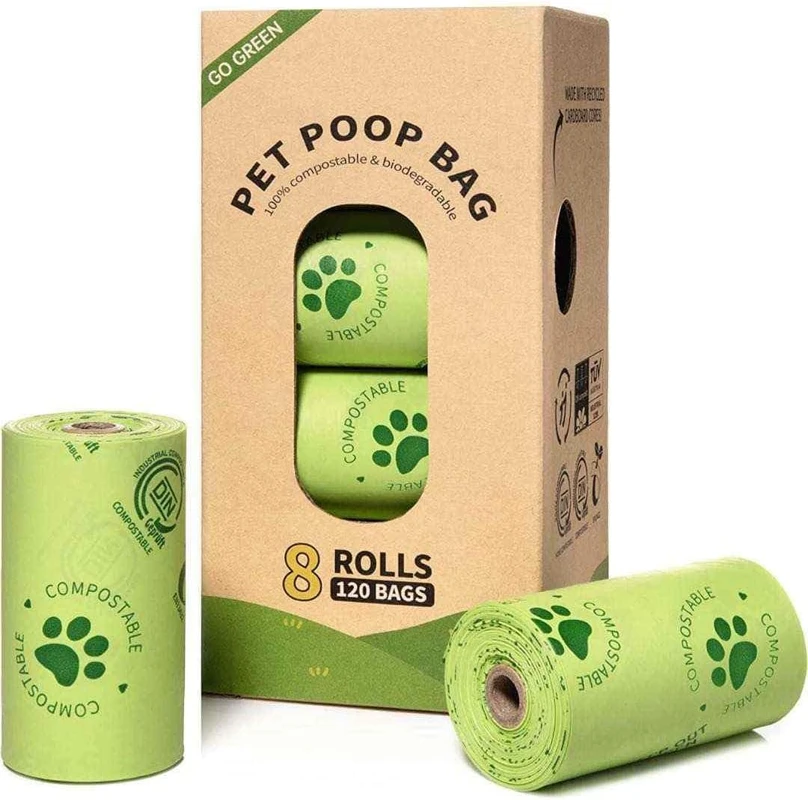
Biodegradable pet waste bags predominantly utilize cornstarch and biobased polymers derived from renewable plant sources. Cornstarch offers a natural polymer base that decomposes efficiently in composting environments. Biobased polymers, often certified by USDA biobased standards, ensure that a significant percentage of the bag’s mass originates from renewable biomass rather than fossil fuels.
Oxo-biodegradable plastics, which contain additives that facilitate oxidation and fragmentation under specific conditions, remain controversial. While they degrade faster than conventional plastics, they may not fully mineralize into harmless compounds and can leave microplastic residues. This contrasts with compostable plastics certified to break down entirely into water, carbon dioxide, and biomass, meeting ASTM or EN compostability standards.
Post-consumer recycled plastic blends, as used by brands like Earth Rated, contribute to circular economy principles by repurposing existing plastic waste. These blends increase the eco-friendliness of pet waste bags by reducing virgin plastic consumption, although they may not be compostable. The environmental impact of these bags depends heavily on proper disposal methods and local waste processing infrastructure.
Composting conditions vary significantly. Industrial composting facilities maintain high temperatures (above 55°C) and controlled humidity, enabling rapid breakdown of certified compostable bags within 90 days. Home composting offers lower temperatures and longer timescales, with some bags specifically designed to degrade in this environment. Consumers must verify product certifications to ensure compatibility with their local composting options.
Practical Considerations for Buyers of Biodegradable Dog Poop Bags
Thickness and leak-proof performance are critical factors for consumer satisfaction. Independent product tests show that leading biodegradable bags often exceed the thickness of conventional plastic bags by 20-30%, ensuring resistance to punctures and leaks during typical dog waste collection. Many brands incorporate multi-layer film technology to balance strength and biodegradability.
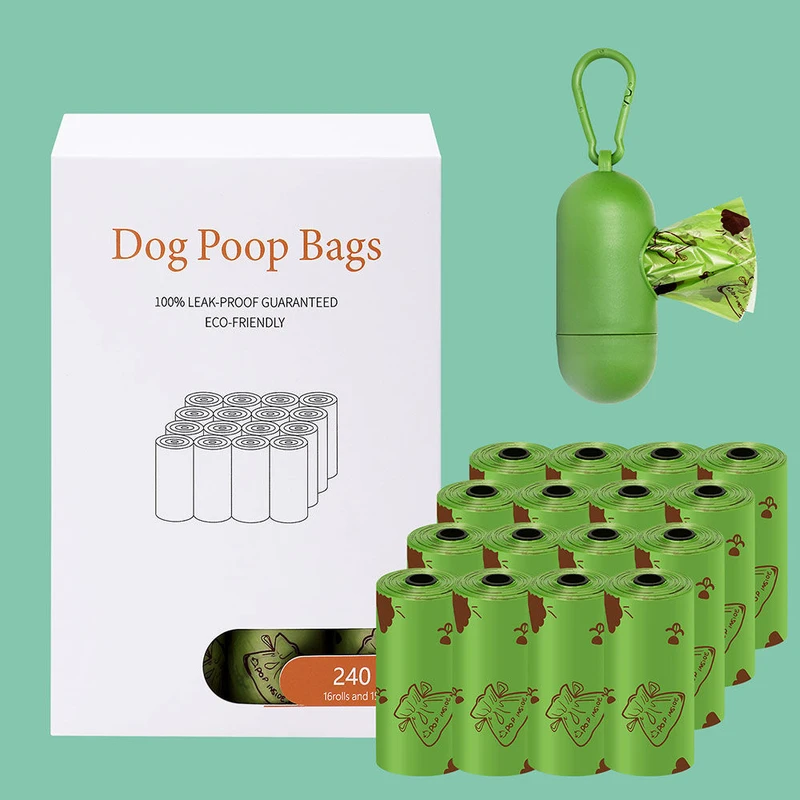
Packaging formats vary between rolls and boxed counts. Rolls are favored for their dispenser compatibility; perforated edges allow easy bag separation, and cardboard cores fit most standard dog waste dispensers. Boxed sets containing hundreds of bags provide value and reduce packaging waste compared to individually wrapped bags. Consumers should assess their usage frequency to select appropriate pack sizes and formats.
Scented versus unscented options remain a personal preference. Most biodegradable pet waste bags are unscented to avoid potential chemical additives that could compromise biodegradability or trigger pet sensitivities. Some brands offer lightly scented variants with natural fragrances, but these are less common due to environmental considerations.
Pricing for biodegradable dog poop bags typically ranges from $0.02 to $0.05 per bag depending on brand, material composition, pack size, and certifications. Bulk purchases from brands like PET N PET and Earth Rated often deliver better value per unit. Buyers should weigh cost against durability, compostability certification, and environmental impact to make informed decisions.
Where to Buy Biodegradable Pet Waste Bags Online in 2026
Amazon remains the dominant online marketplace for biodegradable pet waste bags, offering a wide selection from all major brands. Consumers benefit from user reviews, detailed product descriptions, and competitive pricing. Amazon’s subscription services provide convenience for repeat buyers, ensuring steady supply with scheduled deliveries.
Brand websites such as PET N PET and Eco Poop Bags present direct-to-consumer options with exclusive product bundles and access to customer support. These sites often provide detailed information on material sourcing, certifications, and product testing, enhancing buyer confidence.
Price ranges on online platforms vary from approximately $15 for 300-bag packs to over $50 for large-count boxes exceeding 1000 bags. Shipping costs and delivery times fluctuate based on location and retailer policies. Some brands offer free shipping promotions or discounted rates for subscription orders, improving overall affordability.
Future Trends in Biodegradable Pet Waste Disposal
Material science innovations are driving the development of new biopolymers with enhanced compostability and mechanical strength. Research into algae-based polymers and advanced plant fiber composites aims to reduce reliance on cornstarch, which competes with food crops. These next-generation materials promise faster degradation rates and improved environmental footprints.
Consumer demand for sustainable pet products continues to grow, pressuring manufacturers to improve transparency and adopt circular economy principles. Increasing awareness of microplastic pollution and climate impacts influences purchasing decisions, encouraging brands to obtain recognized certifications and provide verifiable lifecycle assessments.
Regulatory environments may tighten, with potential bans on oxo-biodegradable plastics and mandates for compostable labeling. Governments and environmental agencies are expected to establish clearer standards for biodegradable pet waste bags, fostering innovation and consumer protection. Pet owners should anticipate evolving product landscapes shaped by legislation and sustainability trends.
FAQ
What materials are biodegradable pet waste bags made from?
Biodegradable pet waste bags are primarily made from plant-based materials such as cornstarch and biobased polymers. Some brands incorporate post-consumer recycled plastics, while others use fully compostable materials certified by standards like ASTM D6400 and USDA biobased certification.
How long do biodegradable dog poop bags take to break down?
Under proper composting conditions, biodegradable dog poop bags typically break down within 90 days. Industrial composting facilities achieve faster degradation due to high temperatures and humidity, whereas home composting may take longer depending on environmental factors.
Are oxo-biodegradable bags environmentally safe?
Oxo-biodegradable bags degrade faster than conventional plastics but can leave microplastic residues and do not fully mineralize. This raises environmental concerns compared to compostable bags, which break down completely into harmless compounds under certified composting conditions.
Can biodegradable pet waste bags be used with standard dog poop bag dispensers?
Yes, most biodegradable pet waste bags are designed to fit standard dog waste dispensers. Packaging formats, such as perforated rolls with cardboard cores, ensure compatibility with common dispenser models.
Where is the best place to buy biodegradable pet waste bags online?
Amazon offers a broad selection of biodegradable pet waste bags from leading brands with user reviews and competitive pricing. Brand websites like PET N PET and Eco Poop Bags also provide direct purchasing options, often with exclusive bundles and detailed product information.
—
As the pet care market evolves, biodegradable pet waste bags reflect a convergence of environmental consciousness and user-centric design. Pet owners in 2026 can access durable, leak-proof, and certified compostable products that fit seamlessly into sustainable lifestyles. Continued innovation and expanding regulatory frameworks are set to enhance product performance and environmental outcomes, making eco-friendly pet waste disposal not only feasible but increasingly mainstream.