

Eco-Friendly Pet Products: How to Spot Greenwashing
PawVerde.com – Eco-friendly pet ownership involves transitioning to products made from sustainable materials like bamboo, organic cotton, and recycled plastics, while prioritizing non-toxic, biodegradable grooming and waste solutions. By choosing ethically sourced nutrition and durable gear, pet parents reduce their animals’ exposure to harmful chemicals and minimize their overall environmental footprint. Studies confirm pets face higher health risks from household chemicals and fragrances than humans, according to SeaYu founder Sydney Yu.
The Greenwashing Red Flag Checklist: How to Spot Fake Eco-Claims
To identify greenwashing in pet products, look for brands like Beco Pets that manufacture specific eco-friendly designs rather than relying on vague terms. Verify if “eco-friendly” packaging actually uses recyclable materials or if the brand provides transparency regarding their supply chain and meaningful environmental actions to avoid misleading marketing.
Claiming sustainability without meaningful action or transparency can backfire, leading to consumer skepticism and reputational damage. Industry analysts note that greenwashing can damage brand reputation significantly when companies use vague language to mask standard manufacturing processes. When shopping on retail platforms, avoid brands that rely solely on aesthetic “green” imagery without providing technical data on material sourcing or lifecycle impacts.
Vague Terminology vs. Certified Standards
Many products use the term “natural” to imply safety, but this lacks a legal or scientific threshold. Instead, look for specific markers of sustainability. For example, a product claiming to be “eco-friendly” is less reliable than one that specifies the use of recycled content or adheres to organic standards. If a brand cannot explain its supply chain, it is a red flag.
The Packaging Paradox
A common failure mode occurs when a brand markets a “sustainable” product inside non-recyclable, multi-layer plastic film. A product might be made of organic cotton, but if the packaging is a composite material that cannot be processed by municipal recycling facilities, the net environmental benefit is diminished. Always check if the packaging is explicitly labeled as recyclable or compostable.
- Check for specific material percentages (e.g., “80% recycled polyester”).
- Verify if “biodegradable” claims include a timeframe or specific environment (e.g., “home compostable”).
- Look for transparency in the brand’s “About Us” or “Sustainability” menu paths.
- Avoid “all-natural” labels that lack third-party certification.
A Lifecycle Guide to Sustainable Pet Gear
Managing the end-of-life for pet products requires knowing their material properties: bamboo dishes (like EcoWare) are biodegradable, hemp beds may be compostable, and recycled plastic toys should be diverted to specialized recycling streams. Always check if a product is truly compostable or merely biodegradable to ensure proper disposal.
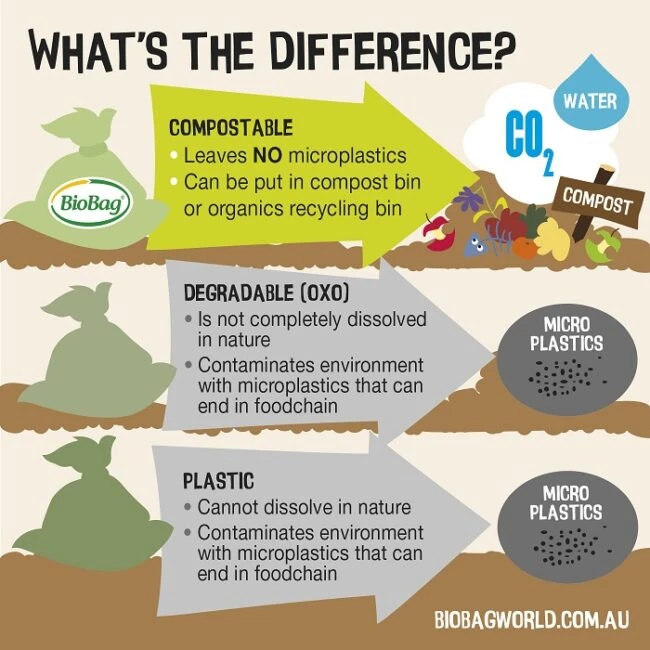
Understanding the distinction between “biodegradable” and “compostable” is critical for preventing landfill buildup. According to Woofpanion, biodegradable poop bags may take between 3 and 6 months to decompose, but they must be managed correctly to ensure they don’t simply fragment into microplastics in the wild. This is a vital distinction when selecting waste solutions.
| Material/Product Type | Eco-Benefit | End-of-Life Method | Potential Pitfall |
|---|---|---|---|
| Bamboo (e.g., EcoWare) | Rapidly renewable resource | Biodegradable/Compostable | May require specific soil conditions |
| Recycled Plastic | Lower carbon/water usage | Specialized Recycling | Microplastic shedding risk |
| Hemp/Organic Cotton | Low pesticide/water use | Compostable | Durability issues with heavy chewers |
| Natural Rubber | Non-toxic/Biodegradable | Landfill or Compost | Higher initial cost |
The table above outlines how different materials behave once they are no longer useful. Choosing the right material depends on both the pet’s behavior and your local waste management capabilities.
Compostable vs. Biodegradable: The Critical Distinction
A common misconception is that these terms are interchangeable. Biodegradable products will eventually break down, but the process can take much longer than a human lifetime. Compostable products are specifically engineered to break down in a controlled composting environment without leaving harmful residues behind. This distinction is vital when selecting waste solutions like poop bags.
Disposing of Durable Gear
Durable items like beds from Naturepedic or gear from Wild One often have longer lifespans, which is inherently more sustainable. When these items finally reach the end of their life, they should not be tossed into general waste if they contain mixed materials. Check the manufacturer’s website for take-back programs or specific recycling instructions.
Budgeting for Sustainability: The Real Cost of Going Green
While eco-friendly gear can require a higher upfront investment, long-term costs are often lower due to increased durability. Choosing long-lasting gear minimizes replacement frequency and prevents the “buy-break-replace” cycle of cheap plastic goods.
| Product Item | Estimated Price (USD) | Sustainability Factor | Financial Context |
|---|---|---|---|
| Cycle Dog Toys | $8.00 | Handmade/Durable | Starting price point |
| EcoWare Bamboo Dish | $5.99 | Biodegradable | Low-cost entry point |
| Earth Rated Flyer Toy | $11.99 | Recycled materials | Standard replacement cost |
| Gunni’s Chewy Sticks | $12.99 | Natural ingredients | Consumable item |
| Lord Jameson Treats | $13.99 | Ethically sourced | Premium consumable |
| Cycle Dog XL Bed | $160.00 | High durability | Long-term investment |
The data shows a wide range of price points, from $8.00 for handmade toys to $160.00 for heavy-duty beds. While the $160.00 investment seems high, a bed that lasts five years is more cost-effective than buying a $30.00 synthetic bed every six months.
Sustainable Nutrition and Waste Management
Sustainable nutrition focuses on ethically sourced ingredients, recyclable materials, and balanced nutrition that supports animal welfare and the environment. Reducing the environmental impact of pet food involves looking beyond the label to the actual protein source and the packaging used to deliver it.
Low-Carbon Protein Sources
The environmental cost of traditional livestock farming is high. To mitigate this, pet owners can look for brands that utilize alternative proteins. Insect-based proteins can lower carbon emissions and reduce dependence on intensive livestock farming. Brands like The Honest Kitchen and Gunni’s emphasize ingredient integrity, which is a core component of sustainable feeding.
The Truth About Poop Bag Decomposition
Waste management is one of the most visible aspects of pet ownership. Traditional plastic dog waste bags take hundreds of years to decompose. While some biodegradable options exist, they can be misleading. According to Woofpanion, biodegradable poop bags may take between 3 and 6 months to decompose, but they must be managed correctly to ensure they don’t simply fragment into microplastics in the wild.
- Prioritize compostable bags over standard biodegradable ones for cleaner breakdown.
- Look for cat litters made from recycled wood, wheat, corn, or newspaper.
- Avoid litters containing clay or sodium bentonite, which can be harmful to pets.
- Consider the carbon footprint of shipping heavy food bags by choosing local or concentrated options.
FAQ
Are compostable poop bags better than biodegradable ones?
Yes. According to Woofpanion, biodegradable poop bags may take 3 to 6 months to decompose, but compostable alternatives are specifically engineered to break down in controlled environments without leaving harmful residues.
How can I tell if my pet’s food is truly sustainable?
Look for brands like The Honest Kitchen that focus on ingredient integrity, or brands like Gunni’s that utilize natural ingredients and ethical sourcing to support animal welfare.
Is recycled plastic safe for dogs that chew heavily?
While recycled plastic uses less carbon and water, heavy chewers may face microplastic risks; natural rubber or hemp may be safer alternatives for high-intensity play.
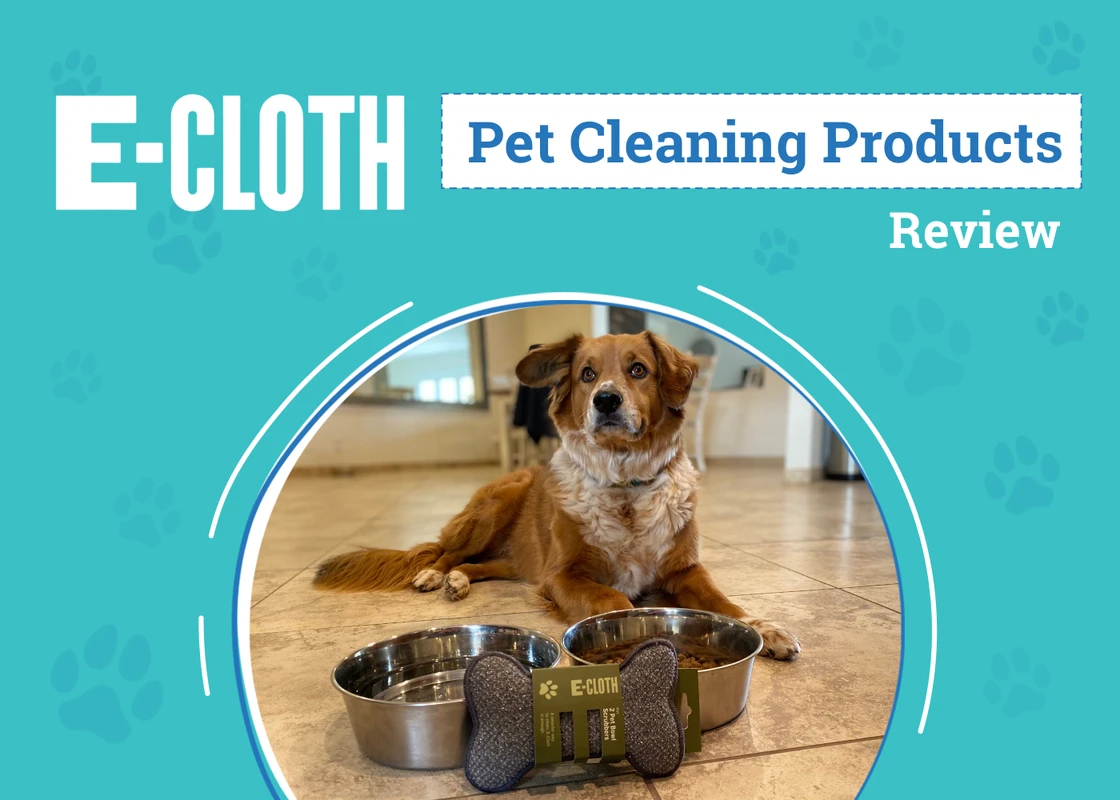
Are Eco-Friendly Pet Cleaning Products Worth It in 2026?
PawVerde.com – Eco-friendly pet cleaning products have become a crucial consideration for pet owners and veterinary professionals amid rising awareness of pet health and environmental sustainability. By avoiding toxic chemicals common in conventional cleaners, these products reduce respiratory and poisoning risks for pets such as cats and dogs, while also supporting biodegradability and reduced ecosystem contamination. As the pet cleaning market is projected to grow at a compound annual growth rate (CAGR) of 7.3% through the next decade, driven by pet humanization and wellness trends, understanding the balance of safety, efficacy, and environmental impact in these products is essential for informed purchasing decisions in 2026.
Despite marketing claims, not all products labeled “natural” guarantee safety for pets. Ingredients like tea tree oil and d-limonene, often found in supposedly green cleaners, have documented toxicity cases requiring veterinary intervention. In contrast, formulations based on Castile soap or vinegar offer proven, safer alternatives. Sustainable packaging innovations and smart cleaning devices further influence market dynamics, yet regulatory oversight and consumer education remain critical to navigating product choices. This article examines the health implications, environmental benefits, market trends, and practical guidance for selecting and using eco-friendly pet cleaning products responsibly.
Health and Safety Considerations for Pets
Conventional pet cleaning agents frequently contain chemical compounds such as ammonia, chlorine, and artificial fragrances that pose significant health risks to pets. Exposure to these substances can trigger respiratory distress, skin irritation, and systemic toxicity, particularly in sensitive species like cats and small dogs. Veterinary reports highlight cases where pets have suffered acute poisoning after contact with cleaning products containing essential oils or solvents deemed “natural” but hazardous in concentrated forms.
Tea tree oil serves as a notable example. While popular in natural cleaning due to its antimicrobial properties, veterinary toxicology data reveal that ingestion or dermal exposure can lead to neurological symptoms, lethargy, and even liver damage in pets. Similarly, d-limonene, a citrus-derived solvent frequently included for its degreasing action, has been linked to dermatitis and respiratory issues. These findings underscore that “natural” does not equate to “non-toxic.” Veterinary experts like Dr. Branson Ritchie emphasize the necessity for pet owners to scrutinize ingredient lists rather than relying on marketing labels.
Additionally, respiratory health concerns extend beyond ingestion or contact. Volatile organic compounds (VOCs) released by certain chemical cleaners can exacerbate asthma-like symptoms in pets, reducing indoor air quality. Eco-friendly products with low VOC emissions improve air environments, reducing chronic respiratory stress for animals and their human families. The American Society for Prevention of Cruelty to Animals (ASPCA) advocates for increased awareness of these risks, encouraging the use of pet-safe alternatives wherever possible.
Environmental Benefits of Eco-Friendly Pet Cleaners
The environmental footprint of pet cleaning products encompasses chemical runoff, plastic waste, and indoor air contamination. Biodegradable ingredients such as plant-based surfactants and Castile soap reduce the persistence of harmful residues in water bodies, mitigating ecological damage. Unlike synthetic detergents, these biodegradable formulas break down rapidly, lowering the risk of bioaccumulation in aquatic ecosystems.
Sustainable packaging advances have responded to growing regulatory pressures targeting microplastic pollution and single-use plastics. Many brands are adopting refillable containers, compostable wraps, and B Corp-certified packaging standards to align with environmental mandates. These innovations not only reduce landfill contributions but also enhance consumer trust by demonstrating corporate responsibility.
Indoor air quality improvements are another key environmental benefit. Products free from harsh VOCs and synthetic fragrances contribute to healthier home atmospheres, which is particularly relevant for multi-pet households where airborne allergens and irritants compound respiratory challenges. Recent market innovations also include smart cleaning devices optimized for low chemical usage, further reducing environmental impact while maintaining efficacy.
Market Dynamics and Growth Trends
The global pet cleaning products market is forecasted to reach approximately $26.8 billion by 2034, expanding at a CAGR of 7.3% from 2026 onward. This growth is propelled by increased pet ownership, especially in urban areas, and a shift towards pet humanization, where owners prioritize wellness and hygiene akin to human care standards. Consumer preferences are evolving towards organic and non-toxic formulations, driving innovation in product development.
Subscription services offering eco-friendly pet cleaning supplies have gained traction, providing convenience and consistent access to vetted products. Smart pet cleaning devices equipped with sensors and app integrations represent another growth vector, combining technology with sustainability. However, challenges persist regarding regulatory harmonization across regions, as environmental regulators worldwide update standards to address ingredient transparency and labeling accuracy.
Competitive pressures stimulate brands to pursue certifications like B Corp and USDA Organic, which serve as trust signals in a crowded marketplace. Yet consumer education remains a bottleneck; many pet owners struggle to differentiate between genuinely safe products and those engaging in greenwashing. Industry stakeholders emphasize the need for clearer regulatory guidelines and enhanced outreach to bridge this knowledge gap.
Choosing the Right Eco-Friendly Pet Cleaning Products
Selecting safe and effective eco-friendly pet cleaning products in 2026 requires informed scrutiny of active ingredients and certification claims. Ingredients such as Castile soap—a vegetable oil-based, biodegradable surfactant—offer effective cleaning with minimal toxicity. Vinegar-based cleaners provide natural antiseptic properties without harmful residues. Conversely, pet owners should avoid products containing tea tree oil, d-limonene, phenols, and synthetic fragrances due to their documented adverse effects.
Transparency in ingredient labeling is paramount. Products that clearly list all active substances and are certified by recognized eco-labels (e.g., B Corp, EPA Safer Choice) provide greater assurance of safety and environmental compliance. While “natural” or “plant-based” descriptions are common marketing terms, they lack regulatory consistency and do not guarantee pet safety.
Recommended cleaning practices include using steam cleaning for floors and pet bedding to minimize chemical exposure. If essential oils are employed, caution is advised as many oils can cause allergic reactions or toxicity. Consulting with veterinary professionals before introducing new cleaning products into pet environments can prevent adverse outcomes.
Practical Advice for Pet Owners
Integrating eco-friendly cleaning into daily pet care routines involves more than product selection. Regular vacuuming with HEPA filters, using reusable microfiber cloths, and maintaining good ventilation reduce allergens and chemical residues indoors. Avoiding overuse of any cleaner, even natural ones, limits pets’ exposure to potentially irritating substances.
Avoiding greenwashing requires pet owners to actively research brands and products. Social media platforms like TikTok and Instagram feature user reviews and expert discussions that can help identify reputable options. Subscription services from trusted brands such as Only Natural Pet offer curated eco-friendly selections, reducing the risk of inadvertently purchasing harmful products.
sustainable pet care practices extend to waste management, including composting biodegradable wipes and minimizing plastic packaging disposal. These habits contribute to broader environmental goals while fostering healthier living spaces for pets and their owners.
Looking Ahead: The Future of Eco-Friendly Pet Cleaning Products
Continued innovation in green chemistry promises safer, more effective formulations for pet cleaning products. Regulatory frameworks are anticipated to strengthen ingredient transparency, enforce stricter safety evaluations, and standardize eco-label certifications globally. Advances in smart cleaning technologies will further reduce chemical usage and environmental impact.
As consumer demand for sustainable pet care grows, brands that prioritize safety, efficacy, and environmental stewardship are likely to lead market expansion. Pet owners equipped with better education and access to reliable information will drive more informed purchasing decisions, enhancing pet wellness and ecosystem protection concurrently.
The trajectory for eco-friendly pet cleaning products in 2026 and beyond is positive, combining health benefits, environmental gains, and technological progress. However, vigilance remains essential to distinguish genuinely safe products from misleading claims, ensuring pets and their environments are safeguarded effectively.
FAQ
Are eco-friendly pet cleaning products safer for my pets than conventional cleaners?
Eco-friendly pet cleaning products generally reduce exposure to toxic chemicals found in conventional cleaners, lowering risks of poisoning and respiratory issues. However, safety depends on the specific ingredients; some natural substances like tea tree oil can still be harmful. Pet owners should carefully review ingredient lists and consult veterinary advice.
What ingredients should I avoid in pet cleaning products?
Avoid ingredients such as tea tree oil, d-limonene, phenols, synthetic fragrances, and ammonia, as these have been linked to toxicity or allergic reactions in pets. Opt for safer alternatives like Castile soap, vinegar-based cleaners, and plant-based surfactants.
How do eco-friendly pet cleaning products benefit the environment?
These products use biodegradable ingredients that break down quickly, minimizing water pollution and ecosystem damage. Sustainable packaging reduces plastic waste, and low-VOC formulations improve indoor air quality, collectively lowering environmental impact compared to conventional cleaners.
Is sustainable packaging common among pet cleaning brands?
An increasing number of brands incorporate sustainable packaging such as refillable containers, compostable materials, and B Corp-certified designs. This trend responds to regulatory pressures and consumer demand for environmental responsibility.
How can I avoid greenwashing when purchasing eco-friendly pet cleaners?
Look for full ingredient disclosure, third-party certifications, and positive veterinary endorsements. Research brand reputations via trusted social media channels and avoid products relying solely on vague marketing terms like “natural” without substantiation. Subscribing to curated services from reputable companies can also reduce risk.
—
The evolving landscape of eco-friendly pet cleaning products in 2026 presents promising opportunities for pet owners to safeguard animal health and contribute to environmental sustainability. By emphasizing ingredient transparency, adhering to best practices, and staying informed on regulatory and market developments, consumers can optimize pet hygiene while supporting greener, safer living environments.
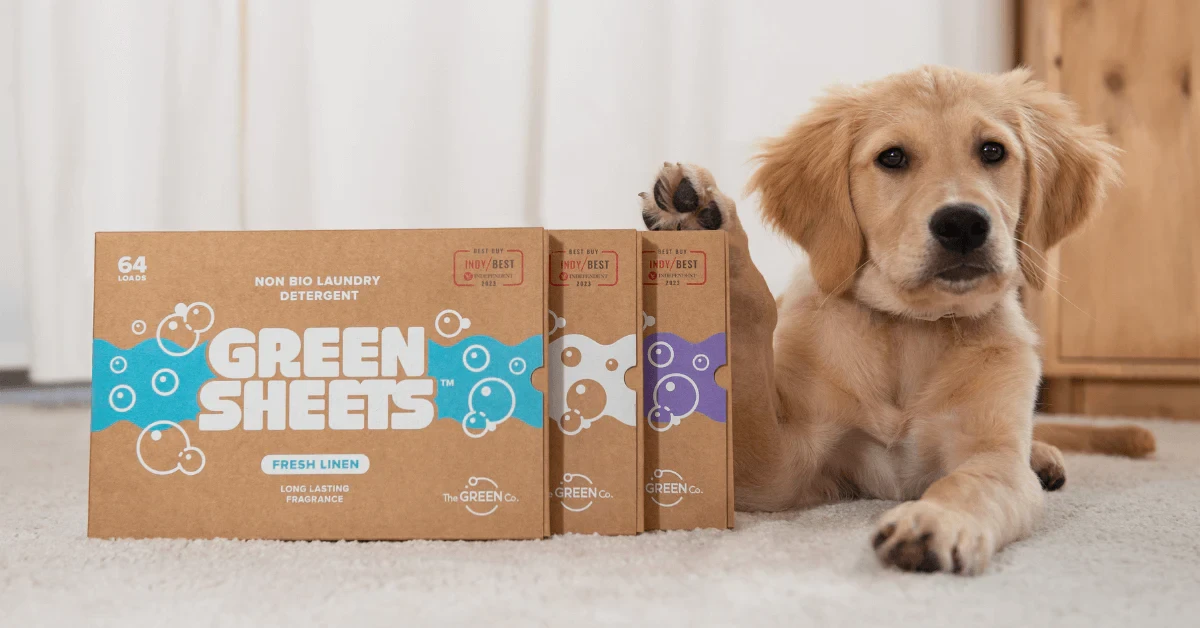
Eco-Friendly Cleaning Guide for Pet Owners: Safe & Effective Tips
PawVerde.com – Eco-friendly cleaning supplies tailored for pet owners combine non-toxic, plant-based ingredients with certified cruelty-free and biodegradable products to ensure effective household hygiene without compromising pet health. Avoiding harmful chemicals such as ammonia, chlorine, bleach, phthalates, and triethanolamine is critical to prevent toxic exposure to pets sensitive to these substances. This tutorial provides detailed guidance on selecting, preparing, and using pet-safe cleaning products, with practical recipes, brand recommendations, and sustainable practices for maintaining a clean, safe environment for pets and their owners.
Key Harmful Chemicals to Avoid in Pet Cleaning Products
Understanding which chemicals pose risks to pets is essential for selecting safe cleaning supplies. Ammonia, commonly found in window and floor cleaners, irritates pet respiratory systems and can cause vomiting or burns. Chlorine and bleach, often used as disinfectants, release toxic fumes dangerous to pets, particularly cats. Phthalates, present in fragranced products, disrupt endocrine functions and may trigger allergies. Triethanolamine, used as a surfactant, can cause skin irritation and long-term health effects. Avoiding these chemicals reduces the risk of pet poisoning and environmental contamination within the home.
Recommended Eco-Friendly Cleaning Ingredients and Products
Plant-based ingredients such as distilled vinegar, baking soda, and castile soap form the foundation of pet-safe cleaning. Vinegar acts as an effective natural disinfectant and deodorizer. Baking soda neutralizes odors and gently lifts dirt without harsh abrasives. Castile soap, derived from vegetable oils, cleans surfaces without synthetic detergents or petrochemicals. Certified cruelty-free brands like Mrs. Meyer’s Clean Day utilize plant-based formulations free from animal testing, while Earthbath and Art of Green specialize in biodegradable pet grooming and cleaning products. Simple Green and Biokleen Bac-Out offer enzymatic cleaners targeting organic stains and odors safely around pets.
DIY Cleaning Solutions Safe for Pets
Creating homemade pet-safe cleaners ensures control over ingredients and minimizes exposure to toxic residues. Below are step-by-step recipes with application tips tailored for pet households:
- Ingredients: 1 cup distilled white vinegar, 1 cup water
- Instructions: Mix vinegar and water in a spray bottle. Shake gently before use.
- Application: Spray on tile, hardwood floors, and countertops; wipe with a microfiber cloth. Avoid use on natural stone surfaces, which vinegar can etch.
- Time Estimate: 5 minutes preparation; effective cleaning with immediate use.
- Ingredients: Baking soda powder
- Instructions: Sprinkle baking soda on pet bedding, carpets, or upholstery. Let sit for 15–30 minutes, then vacuum thoroughly.
- Application: Controls pet odors naturally without chemical fragrances.
- Time Estimate: 10 minutes application, plus vacuum time.
- Ingredients: 1 tablespoon hydrogen peroxide (3%), 1 teaspoon castile soap, 1 tablespoon baking soda
- Instructions: Combine ingredients to form a paste. Apply to stains on carpets or upholstery. Let sit for 5–10 minutes, then blot with a damp cloth.
- Application: Targets organic pet stains without harsh chemicals.
- Time Estimate: 10 minutes active treatment, followed by drying time.
Ensure all homemade solutions are tested on a small inconspicuous area before widespread use to confirm surface compatibility and pet tolerance.
Specialized Pet Cleaning Supplies
Pet-specific cleaning products facilitate hygiene while prioritizing animal safety:
Using reusable microfiber cloths minimizes waste while providing efficient dirt and hair removal from pet areas.
Sustainable Cleaning Practices for Pet Owners
Implementing green cleaning routines reduces environmental impact and enhances pet health:
These practices combine to create a sustainable, hygienic living space that supports pet welfare.
Choosing and Evaluating Eco-Friendly Pet Cleaning Brands
When selecting commercial products, verify the following:
Evaluating product reviews and veterinary recommendations enhances confidence in choices.
Troubleshooting Common Issues in Pet-Safe Cleaning
Adjust cleaning frequency and product concentration based on pet activity levels and household conditions.
Common Mistakes and How to Avoid Them
Avoidance of these errors ensures effective, safe cleaning practices.
Alternative Methods for Pet-Safe Cleaning
Incorporating these alternatives can enhance environmental safety and pet comfort.
Frequently Asked Questions
What are the safest natural ingredients to use around pets for cleaning?
Natural ingredients such as distilled white vinegar, baking soda, and castile soap are safe and effective for cleaning around pets when used properly. They avoid toxic chemical exposure and reduce allergic reactions.
Can essential oils be used in pet-safe cleaning products?
Many essential oils are toxic to pets, especially cats. It is advisable to avoid essential oils in cleaning products used around pets unless specifically formulated and tested for pet safety.
How often should I clean my pet’s bedding to maintain hygiene?
Pet bedding should be washed weekly using pet-safe detergents or homemade cleaners to reduce allergens, odors, and bacterial buildup.
Are enzymatic cleaners better for pet stains than regular cleaners?
Yes, enzymatic cleaners break down organic stains and odors at the molecular level, providing superior stain removal and odor neutralization without harmful chemicals.
Where can I buy certified cruelty-free and biodegradable pet cleaning products?
Certified products are widely available online through specialty pet retailers, eco-friendly marketplaces, and major stores stocking natural home care brands such as Mrs. Meyer’s Clean Day and Earthbath.
—
This tutorial equips pet owners with comprehensive, actionable steps to adopt eco-friendly cleaning practices that safeguard pet health and promote sustainable home environments. Emphasizing ingredient knowledge, DIY recipes, specialized supplies, and sustainable habits empowers users to maintain hygiene responsibly while minimizing ecological footprints.
Difference Between Biodegradable and Plastic Pet Toys Explained
PawVerde.com – biodegradable pet toys represent a growing segment in sustainable pet care, designed to mitigate the environmental burden caused by conventional plastic pet toys. Annually, millions of plastic pet toys accumulate in landfills worldwide, persisting for centuries due to their synthetic compositions such as nylon and polyester. This persistence contributes to escalating plastic pollution and microplastic contamination, raising concerns for ecosystems and pet health alike. In contrast, biodegradable pet toys primarily utilize natural fibers and sustainably sourced materials that degrade under appropriate conditions, offering a pathway to reduce landfill waste and associated ecological impacts.
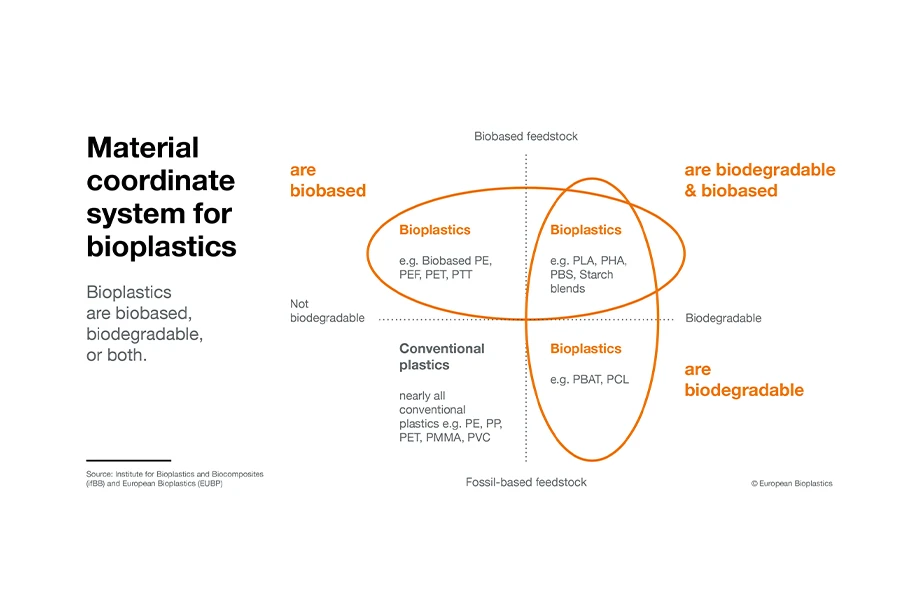
The distinction between biodegradable and plastic pet toys extends beyond mere material composition to encompass environmental persistence, health safety, and lifecycle management. Biodegradable pet toys incorporate fibers like hemp, organic cotton, and jute, along with sustainably harvested rubber and recycled fabrics, formulated to break down naturally through microbial activity. However, biodegradation rates depend heavily on environmental conditions, often requiring industrial composting facilities to complete decomposition effectively. Conversely, plastic pet toys made from synthetic polymers withstand natural degradation for decades or longer, fragmenting into microplastics that infiltrate soil and waterways. The term “biodegradable” is frequently misapplied to certain plastics that only partially degrade or require specific conditions rarely met in typical waste streams, complicating consumer understanding.
Natural materials used in biodegradable pet toys provide not only environmental advantages but also health benefits for pets. Hemp, organic cotton, and wool offer durable fibers that resist wear while remaining non-toxic and free from harmful additives common in synthetic plastics. Sustainably harvested rubber and hardwood components contribute elasticity and robustness without introducing chemical contaminants. Manufacturing processes increasingly emphasize non-toxic dyes and adhesives, aligning with certifications such as Global Organic Textile Standard (GOTS), Ecocert, and B Corp, which verify environmental and social responsibility. Pet owners benefit from reduced exposure to toxins such as phthalates and BPA, which are prevalent in many plastic pet toys and linked to adverse health effects.
The environmental advantages of biodegradable pet toys include significant reductions in plastic pollution and the prevention of microplastic generation. While biodegradable plastics can fragment into microplastics if disposed of improperly, natural fiber-based toys decompose more completely, returning organic matter to the soil without residual contamination. Compostable dog waste bags exemplify this benefit, decomposing swiftly under industrial composting conditions and avoiding the microplastic residues common with conventional plastic bags. Additionally, biodegradable toys often exhibit enhanced durability relative to cheaper plastic alternatives, extending product lifespan and decreasing replacement frequency, which cumulatively reduces overall environmental impact.
Despite these benefits, biodegradable pet toys face limitations that require consumer awareness. Effective biodegradation generally necessitates specific conditions—such as elevated temperatures, moisture, and microbial presence—found in industrial composting but lacking in typical landfill environments, where many biodegradable items may persist similarly to plastics. Moreover, certain biodegradable plastics labeled as such may only partially decompose or fragment into microplastics, undermining environmental goals. The presence of certifications like B Corp or GOTS serves as a critical guidepost for buyers, ensuring products meet rigorous sustainability and safety standards. Pet owners should evaluate disposal options and local composting infrastructure to maximize environmental benefits.
Plastic pet toys continue to dominate the market due to low production costs and material versatility, but their environmental and health risks are substantial. Synthetic plastics such as nylon and polyester resist degradation, accumulating in landfills and natural habitats for centuries. This persistence contributes to the global plastic pollution crisis, with microplastic particles infiltrating ecosystems and the food chain. Chemical additives in plastic toys can leach toxins, posing risks to pet health through ingestion or prolonged contact. The durability of plastic toys often leads to prolonged presence in waste streams, exacerbating environmental contamination and complicating waste management efforts.
Pet owners seeking sustainable alternatives can adopt several strategies to minimize environmental impact while ensuring pet safety. Prioritizing toys made from natural, certified materials such as hemp, organic cotton, and sustainably harvested rubber supports ecological balance and reduces chemical exposure risks. Additionally, engaging in DIY pet toy creation using household materials or repurposing old toys extends product lifespans and diverts waste from landfills. Proper disposal practices, including the use of compostable dog waste bags and participation in local composting programs, enhance the biodegradation of pet-related products. Awareness of product certifications and manufacturer transparency further empowers consumers to make informed purchasing decisions grounded in environmental responsibility.
Innovation in sustainable pet toy manufacturing continues to evolve, driven by advances in low-waste production methods and ethical sourcing. Industry initiatives increasingly incorporate recycled fabrics and sustainably harvested raw materials to reduce carbon pawprints. Emerging technologies focus on developing truly compostable and non-toxic materials that maintain durability without compromising biodegradability. Market trends reveal growing consumer demand for eco-certified pet products, prompting manufacturers to pursue certifications such as Ecocert and B Corp to validate sustainability claims. This trajectory suggests a future where sustainable pet accessories become mainstream, aligning pet care with broader environmental stewardship.
Defining Biodegradable Versus Plastic Pet Toys
Biodegradable pet toys are crafted from materials that can naturally decompose through microbial activity, returning to the environment as water, carbon dioxide, and biomass. These materials often include natural fibers like hemp, organic cotton, wool, and jute, as well as sustainably harvested rubber and hardwood components. The biodegradation process requires optimal conditions such as moisture, oxygen, and temperature, typically found in industrial composting facilities rather than conventional landfills. This distinction is critical because many products labeled “biodegradable” are composed of plastics that degrade slowly or fragment into microplastics, misleading consumers regarding their environmental impact.
plastic pet toys primarily consist of synthetic polymers such as nylon, polyester, and polypropylene. These materials are engineered for durability, resistance to wear, and cost-efficiency but exhibit extreme environmental persistence. Plastic polymers resist microbial degradation, often remaining intact in landfill environments for hundreds of years. Over time, exposure to sunlight and mechanical abrasion can fragment plastic toys into microplastics, which pose ecological hazards by entering marine and terrestrial food chains. The term “biodegradable” is sometimes applied to certain plastics designed to break down under specific lab conditions but failing to do so in real-world waste systems, complicating the environmental narrative.
Materials Used in Biodegradable Pet Toys
Natural fibers such as hemp and organic cotton are prominent in biodegradable pet toys due to their renewability, strength, and biodegradability. Hemp offers superior durability and resistance to mold and bacteria, making it ideal for chew toys and ropes. Organic cotton is favored for its softness and non-toxicity, suitable for plush toys and fabric components. Wool and jute provide additional biodegradable options with distinct textures and robustness. These fibers are often processed with non-toxic dyes and adhesives to maintain safety standards for pets.
Sustainably harvested rubber, derived from natural latex trees, adds elasticity and resilience while remaining biodegradable under appropriate conditions. Hardwood elements contribute structural integrity for toys requiring rigidity or chew resistance. Recycled fabrics, sourced from repurposed textiles, reduce waste by converting materials such as denim or canvas into pet toy components. These materials align with environmental certifications like GOTS, which requires organic fiber sourcing and sustainable manufacturing, and B Corp, which assesses social and environmental performance.
Environmental and Health Benefits of Biodegradable Pet Toys
Biodegradable pet toys reduce plastic pollution by decomposing into natural elements rather than persisting as waste. This reduces the volume of landfill waste and minimizes microplastic contamination, which has been linked with disruptions in soil microbiomes and aquatic ecosystems. For pets, toys made from natural materials eliminate exposure to phthalates, BPA, and other synthetic additives found in plastic toys, decreasing risks of allergic reactions, endocrine disruption, and ingestion of toxic substances.
Durability is another advantage; although some biodegradable materials may initially appear less resilient than plastics, many natural fibers and sustainably harvested rubbers provide long-lasting performance. This durability reduces the frequency of toy replacements, lowering resource consumption and waste generation. Additionally, biodegradable toys often exhibit superior breathability and reduced microbial growth, contributing to pet hygiene and health.
Limitations and Considerations of Biodegradable Pet Toys
The biodegradability of pet toys depends heavily on disposal conditions. Industrial composting facilities provide the heat, moisture, and microbial activity necessary for full decomposition within months, whereas landfill environments are often anaerobic and dry, slowing or preventing breakdown. Consequently, biodegradable materials discarded in landfills may persist similarly to conventional plastics, undermining environmental benefits.
Moreover, some biodegradable plastics require specific enzymatic actions or temperature thresholds absent in natural environments, leading to partial decomposition or fragmentation into microplastics. This highlights the importance of certifications like Ecocert and B Corp, which validate claims of sustainability and provide transparency regarding material sourcing and degradation profiles. Consumers must also consider the lifecycle carbon footprint and potential trade-offs such as water usage in natural fiber production.
Comparing Plastic Pet Toys: Impact and Risks
Plastic pet toys’ resilience translates into extensive environmental persistence, with decomposition timelines often exceeding centuries. These toys contribute significantly to landfill mass and global plastic pollution. The leaching of chemical additives such as phthalates and BPA presents documented health hazards for pets, including endocrine disruption, behavioral changes, and increased cancer risk. Fragmentation into microplastics exacerbates pollution by infiltrating water bodies and soils, threatening biodiversity.
Manufacturers often produce plastic toys at low cost, ensuring widespread availability but at the expense of environmental sustainability and pet health. The global scale of plastic pet toy production amplifies these risks, underscoring the urgency for sustainable alternatives and consumer awareness.
How Pet Owners Can Choose and Manage Sustainable Toys
Pet owners can prioritize toys made from certified natural materials such as hemp, organic cotton, and sustainably harvested rubber to ensure safety and environmental responsibility. Evaluating certifications like GOTS, Ecocert, and B Corp provides assurance of ethical sourcing and manufacturing. Incorporating DIY pet toys using repurposed household items or fabric scraps extends toy lifespans and reduces waste streams.
Proper disposal is essential; compostable dog waste bags complement biodegradable toys by decomposing rapidly under industrial composting, eliminating microplastic residues prevalent in conventional plastic bags. Participation in local composting programs or specialized pet product recycling initiatives further enhances sustainability efforts. Educating oneself about product materials and disposal practices empowers pet owners to reduce their carbon pawprint effectively.
Future Trends: Innovation in Sustainable Pet Toy Manufacturing
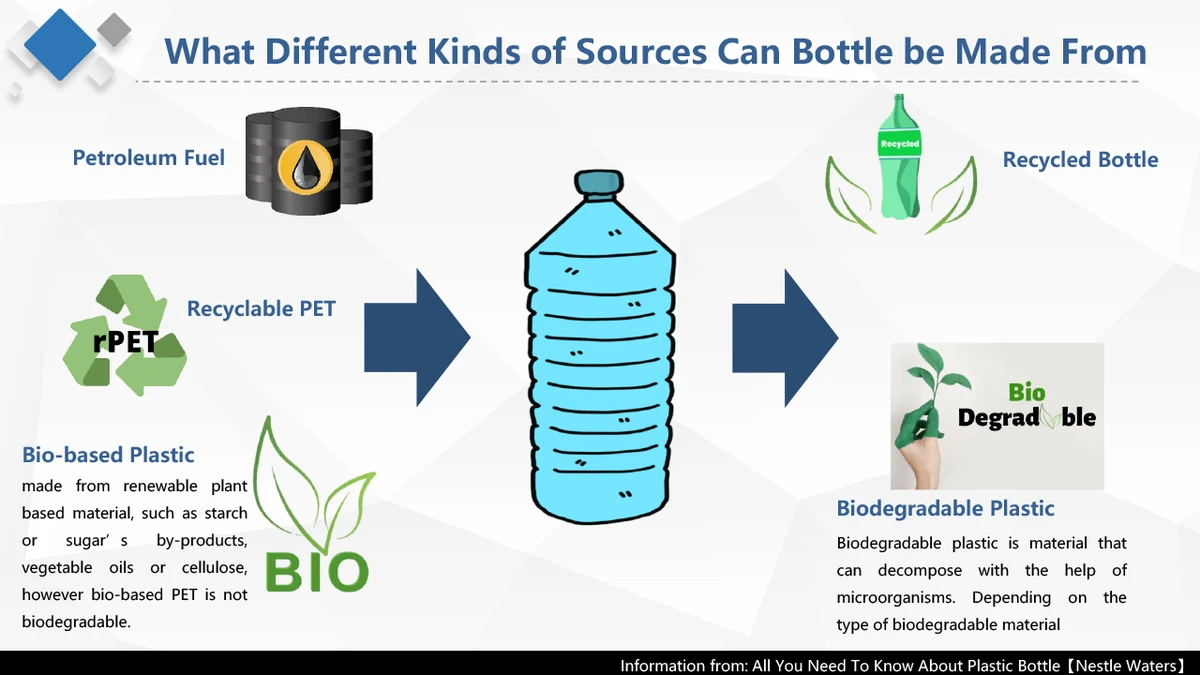
The pet product industry is witnessing increased innovation centered on sustainability. Advances in low-waste manufacturing methods reduce resource consumption and emissions. Emerging materials such as bio-based polymers derived from algae, mycelium, or agricultural byproducts offer promising biodegradable and compostable alternatives with improved durability.
Ethical manufacturing practices are gaining traction, with companies emphasizing fair labor, supply chain transparency, and reduced environmental footprints. Market data indicate rising consumer demand for eco-certified pet products, prompting wider availability of sustainably produced toys. Integration of circular economy principles—such as product take-back schemes and upcycling—may further transform pet toy life cycles in the coming years.
| Aspect | Biodegradable Pet Toys | Plastic Pet Toys |
|---|---|---|
| Material Composition | Natural fibers (hemp, organic cotton), sustainably harvested rubber, recycled fabrics | Synthetic polymers such as nylon, polyester, polypropylene |
| Decomposition Requirements | Industrial composting conditions (heat, moisture, microbes) | Minimal natural degradation; persists for centuries |
| Environmental Impact | Reduced landfill waste, minimal microplastic formation | Contributes to plastic pollution, microplastic contamination |
| Health & Safety | Non-toxic, free from harmful additives | May contain phthalates, BPA; potential chemical exposure |
| Durability | High, with longer-lasting natural fibers and rubber | High; designed for toughness but environmentally persistent |
| Certifications | GOTS, Ecocert, B Corp | Rarely certified for environmental safety |
Frequently Asked Questions
What materials are commonly used in biodegradable pet toys?
Biodegradable pet toys commonly feature natural fibers such as hemp, organic cotton, wool, and jute, alongside sustainably harvested rubber and recycled fabrics. These materials are chosen for their renewability, durability, and ability to decompose under industrial composting conditions.
How do biodegradable pet toys differ from compostable pet products?
While both terms imply environmental breakdown, compostable pet products specifically degrade into non-toxic components within a defined time frame and under industrial composting conditions. Biodegradable items may degrade more slowly or under less defined conditions, sometimes only partially breaking down.
Are biodegradable pet toys safer for pets than plastic toys?
Yes, biodegradable pet toys made from natural fibers and non-toxic materials generally pose fewer health risks compared to plastic toys, which may contain harmful chemicals such as phthalates and BPA that can affect pet health.
Can biodegradable pet toys break down in a regular landfill?
Typically, no. Landfill conditions are often anaerobic and dry, impeding microbial activity required for biodegradation. Most biodegradable pet toys require industrial composting environments to decompose fully.
How can pet owners dispose of biodegradable pet toys responsibly?
Pet owners should dispose of biodegradable pet toys through industrial composting facilities when available. If such facilities are inaccessible, recycling or repurposing options are preferable to landfill disposal. Additionally, pairing biodegradable toys with compostable pet waste bags enhances overall sustainability.
—
As awareness of environmental impacts deepens among pet owners and manufacturers, the shift toward biodegradable and eco-friendly pet toys is poised to accelerate. Continued innovation in materials science and sustainable manufacturing, coupled with consumer education and certification transparency, will be critical to advancing sustainable pet care practices. Pet owners can play an active role by selecting certified products, adopting responsible disposal methods, and supporting industry initiatives focused on reducing the carbon pawprint of pet accessories.
Difference Between Green and Conventional Pet Cleaners Explained
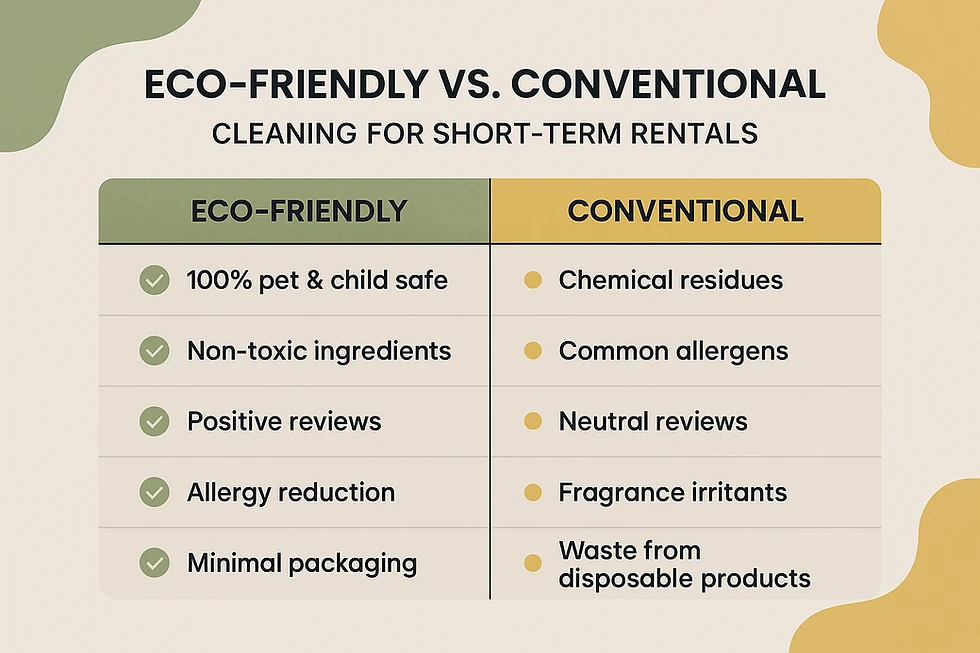
PawVerde.com – green pet cleaners have emerged as a pivotal alternative to conventional pet cleaning products, addressing growing concerns over health, safety, and environmental sustainability. Unlike traditional cleaners that often rely on synthetic chemicals, many green pet cleaners utilize plant-based extracts, enzymes, and essential oils designed to minimize toxic exposure for pets, children, and humans alike. This shift reflects increased consumer awareness regarding ingredient transparency and the potential adverse effects of conventional cleaning agents, which frequently contain volatile organic compounds (VOCs), ammonia, bleach, and synthetic fragrances. Understanding the distinctions between these two categories is critical for pet owners seeking to safeguard their pets’ health while reducing their ecological footprint.
Scientific studies underscore that pets, with their smaller lung capacities and constant proximity to cleaned surfaces, are especially vulnerable to chemical residues left by conventional cleaners. Green pet cleaners, many certified by the EPA Safer Choice program, offer formulations free from harsh chemicals, thereby reducing respiratory irritants and allergen presence indoors. This article explores the ingredient profiles, health impacts, environmental considerations, cleaning efficacy, certification standards, and practical advice for pet owners navigating the expanding market of pet cleaning products.
Ingredient Composition and Transparency
Green pet cleaners distinguish themselves primarily through ingredient selection, favoring natural, non-toxic substances over synthetic chemicals. These products typically feature enzymes, plant-based extracts, and essential oils known for their biodegradability and low environmental persistence. Enzymatic cleaners, for instance, employ biological catalysts to break down organic matter such as pet urine and feces, facilitating stain and odor removal without resorting to harsh solvents. Essential oils like lavender or eucalyptus provide antimicrobial properties and pleasant scents derived from natural sources rather than artificial fragrances.
In contrast, conventional pet cleaners often incorporate chemicals such as ammonia, bleach, and surfactants that degrade slowly in the environment. VOCs, including formaldehyde and benzene derivatives found in many synthetic fragrances, contribute to indoor air pollution and pose respiratory risks. Ammonia-based cleaners can exacerbate asthma and allergic reactions in sensitive individuals and pets. Additionally, many conventional products lack full ingredient transparency, complicating consumer efforts to assess safety and environmental impact.
The push for clear labeling in green pet cleaners addresses these concerns. Leading green brands disclose complete ingredient lists and emphasize the absence of toxic compounds, aligning with regulatory calls for greater transparency. This openness enables pet owners to make informed decisions based on ingredient safety profiles and aligns with growing demand for ethical, eco-conscious products.
Health Impacts on Pets and Humans
The health ramifications of using conventional pet cleaners are well-documented in veterinary and environmental health literature. Pets exposed to harsh chemicals can experience allergic dermatitis, respiratory distress, and gastrointestinal upset due to ingestion of residual toxins during grooming or licking surfaces. Children who share indoor environments with pets are similarly susceptible to chemical exposure effects, including exacerbated asthma symptoms and skin irritation.
Scientific assessments reveal that VOC emissions from conventional cleaners contribute significantly to indoor air pollution, often surpassing outdoor pollution levels. Prolonged exposure to VOCs can trigger headaches, dizziness, and long-term respiratory ailments in both humans and animals. Pets with pre-existing conditions such as asthma or allergies are particularly vulnerable.
Conversely, green pet cleaners reduce these health risks by eliminating toxic volatile compounds and synthetic fragrances. Studies measuring indoor air quality before and after introducing green cleaning regimens report marked reductions in airborne allergens and chemical residues. Pet owners using enzymatic, plant-based cleaners frequently observe fewer allergy flare-ups and improved respiratory health in their animals. The non-toxic nature of these products also alleviates concerns around accidental ingestion, a common occurrence in multi-pet households.
Environmental Considerations
Environmental sustainability is a key driver behind the adoption of green pet cleaners. The biodegradable nature of plant-derived enzymes and surfactants ensures rapid decomposition in wastewater, markedly reducing aquatic toxicity and bioaccumulation risks. Conventional cleaners containing persistent chemicals contribute to water pollution, affecting aquatic life and disrupting endocrine systems in wildlife. For example, phosphates and nonylphenol ethoxylates found in some traditional detergents are known endocrine disruptors.
Green pet cleaners also mitigate air pollution through VOC-free formulations, lessening smog formation and indoor pollutant loads. Use of essential oils and natural antimicrobial agents further supports ecosystem health by avoiding synthetic biocides that harm beneficial microorganisms. Additionally, many green cleaning products prioritize sustainable sourcing of ingredients, such as renewable plant extracts harvested with minimal environmental disruption.
By reducing chemical runoff and airborne pollutants, green pet cleaners aid in lowering the overall ecological footprint of pet maintenance routines. This shift aligns with broader environmental goals including water conservation, biodiversity protection, and climate change mitigation.
Cleaning Effectiveness and Practical Use
Despite concerns that green cleaners may compromise cleaning power, multi-enzyme formulations have demonstrated efficacy comparable to, and sometimes surpassing, conventional products in removing pet stains, odors, and organic residues. Enzymes such as proteases, amylases, and lipases catalyze the breakdown of proteins, carbohydrates, and fats, effectively degrading complex messes common with pets.
Plant-based extracts also offer antimicrobial activity, reducing odor-causing bacteria without relying on harsh disinfectants. Many eco-friendly pet cleaners are formulated for multi-purpose use, suitable for carpets, upholstery, hard floors, and even pet bedding, simplifying household cleaning protocols.
However, situations involving heavy-duty sterilization, such as in veterinary clinics or high-contamination zones, may still necessitate the use of stronger conventional disinfectants. In such cases, pet owners should exercise caution and limit exposure, ensuring thorough ventilation and rinsing to mitigate chemical residues.
Certification and Standards
EPA Safer Choice certification is among the most recognized standards for validating the safety and environmental responsibility of green pet cleaners. This program evaluates products based on stringent criteria including ingredient safety, biodegradability, and performance. Certified products must avoid ingredients with known toxicity, carcinogenicity, or environmental persistence.
Other certifications, such as Green Seal and EcoLogo, also provide assurance of rigorous testing and ingredient transparency. These certifications help consumers identify products that meet high safety and sustainability benchmarks, reducing the risk of greenwashing—a practice where products are misleadingly marketed as eco-friendly without substantiating claims.
To avoid greenwashing, pet owners should look for clear ingredient disclosures, independent third-party certifications, and brands with proven commitments to sustainability and transparency. Scrutinizing product labels and researching company practices can aid in selecting trustworthy green pet cleaners.
Recommendations for Pet Owners
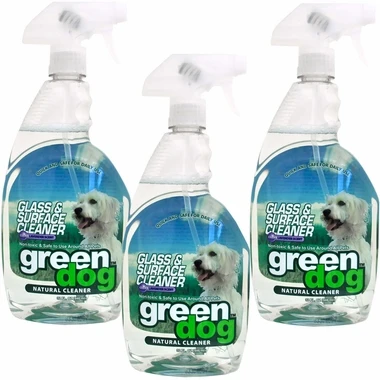
Selecting appropriate pet-safe green cleaners involves prioritizing products with transparent ingredient lists, EPA Safer Choice certification, and proven enzymatic or plant-based formulations. Pet owners should test new cleaners in small areas to monitor pet reactions and ensure efficacy. Maintaining proper ventilation during and after cleaning minimizes any residual airborne compounds.
Combining green cleaners with regular grooming and hygiene practices further reduces allergen buildup and odor. For households with allergy-prone individuals or pets, opting for fragrance-free or naturally scented products can minimize irritation risks.
Professional green cleaning services specializing in pet-friendly products offer an effective alternative for deep cleaning needs while ensuring toxin-free environments. These services often employ advanced enzymatic technologies and environmentally conscious protocols.
FAQ
What makes green pet cleaners safer for pets compared to conventional cleaners?
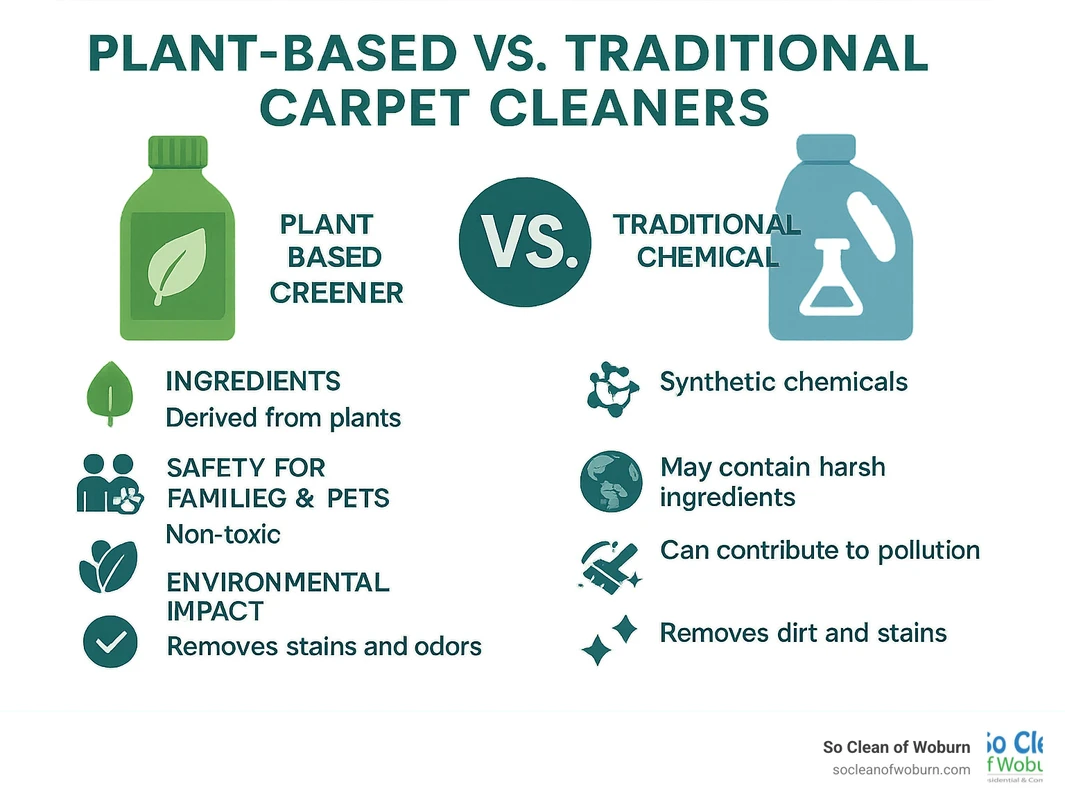
Green pet cleaners use non-toxic, natural ingredients such as enzymes and plant extracts that avoid harmful chemicals like VOCs, ammonia, and synthetic fragrances. These formulations reduce risks of respiratory irritation, allergic reactions, and chemical ingestion in pets.
Are enzymatic cleaners effective for removing pet stains and odors?
Yes, enzymatic cleaners break down organic compounds such as proteins and fats through biological catalysts, effectively eliminating stains and neutralizing odors without harsh chemicals.
How do green pet cleaners impact indoor air quality?
Green pet cleaners reduce emissions of volatile organic compounds and synthetic fragrances, which are major contributors to indoor air pollution, resulting in cleaner, safer air for pets and humans.
What should I look for to avoid greenwashing when buying pet cleaning products?
Look for certifications like EPA Safer Choice, clear ingredient transparency, and brands with proven environmental commitments. Avoid vague marketing claims without verified standards or ingredient disclosures.
Can green pet cleaners be used for all types of pet messes?
Most green pet cleaners are multi-purpose and effective for common pet messes on various surfaces. For sterilization in high-contamination settings, conventional disinfectants may sometimes be necessary but should be used cautiously.
—
The evolving landscape of pet cleaning products reflects a broader societal shift toward health-conscious and environmentally sustainable choices. As research continues to validate the benefits of green pet cleaners, adoption is expected to increase, supported by advancing enzymatic technologies and more stringent regulatory standards. Pet owners are encouraged to integrate these safer alternatives into daily routines, balancing cleaning efficacy with the imperative to protect pet health and the environment. Future innovations may further enhance the performance and accessibility of green pet cleaning solutions, making them the standard rather than the exception in responsible pet care.