
How Responsible Pet Ownership Boosts Community Health in 2026
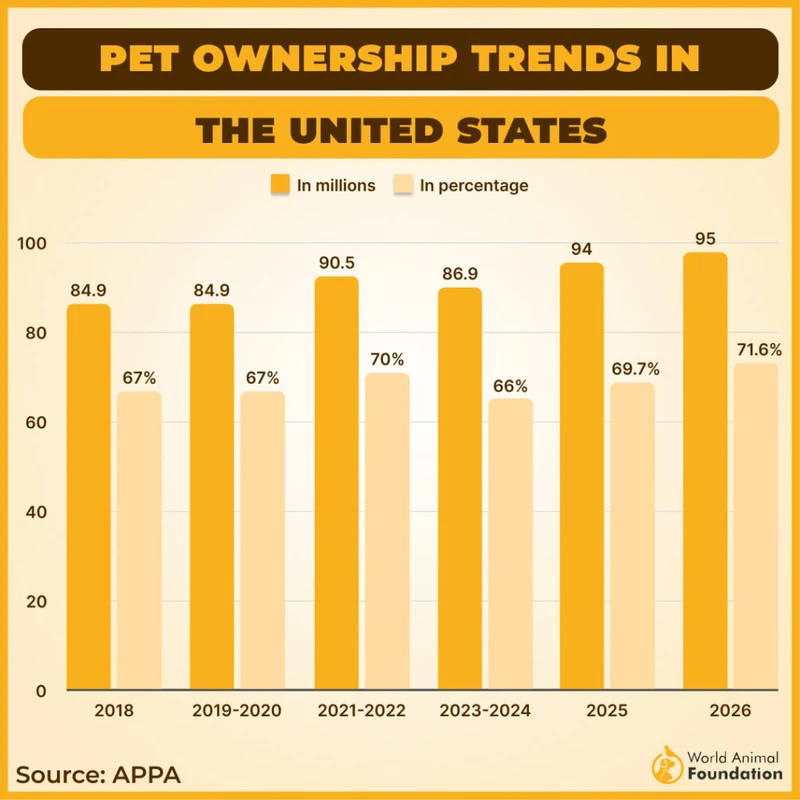
PawVerde.com – responsible pet ownership in 2026 plays a critical role in enhancing community well-being by reducing zoonotic disease transmission, lowering incidents of pet-related crime, supporting local economies, and fostering social cohesion through ethical care and compliance with updated legislation. New mandates require pet owners to ensure microchipping, vaccination, and behavioral training, contributing to safer interactions between animals and humans. Adoption and spay/neuter initiatives continue to alleviate shelter overcrowding, with over 70% of municipal shelters reporting decreased intake rates this year, according to the American Veterinary Medical Association (AVMA).
Public Health Impact of Responsible Pet Ownership
Public health agencies report a significant decline in zoonotic diseases linked to pets in communities with high compliance rates to vaccination and parasite control protocols. The Centers for Disease Control and Prevention (CDC) data reveal a 15% reduction in reported cases of pet-transmitted infections such as toxocariasis and leptospirosis compared to three years prior. This improvement correlates with widespread adherence to updated pet vaccination schedules and preventive parasite treatments mandated under new local ordinances enacted this year.
Veterinarians underscore the importance of responsible ownership practices including regular health check-ups and maintaining hygienic environments for pets to curb disease reservoirs. Public health collaborations with animal shelters and rescue groups have accelerated community outreach programs emphasizing early detection and control of zoonotic pathogens. These efforts are particularly vital in densely populated urban areas where human-animal interfaces are frequent.
Social and Community Benefits
Community programs integrating pet ownership with social activities have demonstrated measurable benefits in social cohesion and mental health. Municipalities that have supported dog parks, pet therapy sessions, and community-based adoption events report increased neighborhood interaction and lower social isolation rates. Research published in the Journal of Community Health indicates that 62% of pet owners experienced reduced stress and improved mood, attributable to regular companionship and outdoor activities involving their pets.
Educational initiatives targeting youth have been instrumental in fostering empathy and civic responsibility. Schools collaborating with animal welfare organizations and local governments have introduced curricula centered on ethical pet care and animal welfare, reaching over 500,000 children nationwide this year. These programs have shown promise in long-term community health by encouraging responsible behavior from an early age.
Economic Contributions of Responsible Pet Ownership
Despite broader economic caution, pet-related spending continues to bolster local economies. The pet care sector contributed an estimated $120 billion to the U.S. economy in the first quarter of this year alone, with expenditures spanning veterinary services, pet supplies, grooming, and training. Animal welfare jobs, including shelter staff, veterinary technicians, and behavior specialists, have grown by 8% year-over-year, reflecting increased demand driven by responsible ownership trends.
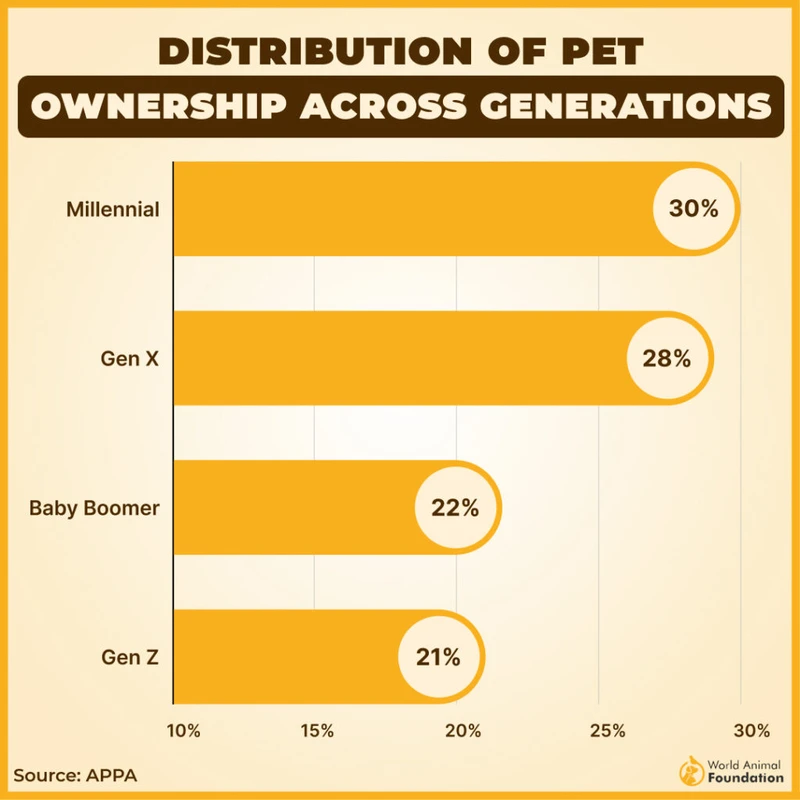
Demographic shifts, notably among millennials and Generation Z, show a preference for adopting pets and investing in ethical care practices, influencing market dynamics. Small businesses such as pet boutiques and local trainers benefit from this shift, while rescue groups report higher adoption rates and volunteer engagement. Local governments have leveraged these economic contributions by incorporating pet-friendly policies into urban planning, further stimulating community commerce.
Legal and Ethical Frameworks in 2026
The 2026 pet legislation landscape mandates comprehensive measures including microchipping, mandatory vaccinations, and behavior management certifications for dog owners. These laws aim to enhance public safety and animal welfare by reducing stray populations and preventing dog bite incidents. Compliance rates have reached approximately 85% in jurisdictions enforcing these regulations, according to the FACE Foundation’s latest enforcement report.
Breeders and pet stores face stricter licensing requirements to ensure ethical acquisition practices, reducing the prevalence of unregulated breeding and illegal sales. Veterinarians play a pivotal role in certifying compliance and educating owners on legal obligations. Enforcement mechanisms now involve coordinated efforts between local governments, animal control units, and public health agencies, leading to a 20% decrease in pet-related complaints and violations in urban centers.
Animal Welfare and Shelter Support
Adoption and spay/neuter programs remain central to reducing shelter overcrowding and improving animal welfare outcomes. National figures indicate a 25% increase in spay/neuter surgeries performed this year, facilitated by partnerships between animal shelters and nonprofit organizations such as the AVMA and local rescue groups. These programs have contributed to a 30% decrease in shelter euthanasia rates compared to data from five years ago.
Volunteerism in animal shelters has surged, with community members engaging in foster care, behavioral training, and fundraising activities. This grassroots support enhances shelter capacity and animal rehabilitation, enabling more successful rehoming efforts. Shelter directors report that responsible ownership education integrated into adoption procedures significantly lowers return rates, promoting long-term animal stability within communities.
Challenges and Emerging Trends
Despite progress, challenges persist in addressing misconceptions about pet care, particularly in underserved communities where access to veterinary services and education remains limited. Common mistakes such as neglecting microchipping or behavioral training contribute to increased risks of pet abandonment and public safety incidents. Experts emphasize the need for ongoing community outreach and resource allocation to bridge these gaps.
Emerging trends in ethical and environmental responsibility are gaining traction among pet owners, including sustainable pet product choices and waste management practices that minimize ecological impact. Innovative programs promoting green pet care solutions are under evaluation in several pilot cities, with preliminary data suggesting positive community reception and environmental benefits.
Looking forward, integrating technology such as digital health records and AI-driven behavior monitoring offers potential to enhance responsible pet ownership further. Public health agencies and animal welfare organizations advocate for continued legislative refinement and multi-sector collaboration to sustain and amplify the benefits observed in 2026.
Responsible pet ownership today is foundational not only to animal welfare but also to public health, economic vitality, and social harmony. The interplay of updated legislation, community engagement, and ethical practices sets a precedent for future advancements that will shape healthier, safer, and more connected communities.

How Pet Adoption Supports Responsible Communities and Saves Lives
PawVerde.com – Pet adoption stands as a pivotal practice that directly supports responsible communities by reducing euthanasia rates, enforcing essential health protocols such as spaying/neutering and vaccinations, and fostering stronger social connections among residents. This multifaceted approach not only saves countless animal lives but also enhances community welfare, promotes ethical pet ownership, and drives economic benefits through sustainable pet care practices.
Adoption initiatives orchestrated by animal shelters and rescue organizations, including the Longmont Humane Society and Best Friends Animal Society, exemplify the integration of animal welfare principles with community development. These programs emphasize comprehensive veterinary care, rehabilitation, and educational outreach, thereby aligning pet ownership with public health and social responsibility goals.
Reducing Euthanasia and Saving Lives Through Adoption
animal shelters across the United States face persistent challenges with overcrowding, leading to high euthanasia rates, particularly among unadopted stray and surrendered animals. Pet adoption plays a critical role in mitigating this issue by freeing shelter capacity and providing rescued pets with permanent homes. According to data from Best Friends Animal Society, communities with robust adoption programs have witnessed euthanasia reductions exceeding 50% in recent years, illustrating the direct impact of adoption on saving animal lives.
Shelters implement strict health protocols requiring all adopted pets to undergo spaying or neutering and receive up-to-date vaccinations before transitioning to new owners. These measures serve as preventive strategies that curb pet overpopulation and reduce the spread of infectious diseases within both animal and human populations. For example, the Longmont Humane Society mandates spay/neuter surgeries and rabies vaccinations as part of its adoption agreement, ensuring that new pet owners contribute to community health standards.
Collaboration between shelters and local rescue groups enhances these efforts by facilitating transfers of animals from high-intake facilities to organizations with greater capacity or specialized rehabilitation programs. This networked approach optimizes resource allocation, reduces shelter burden, and increases the likelihood of successful adoptions.
Promoting Responsible Pet Ownership Through Adoption Processes
The adoption process itself is designed to cultivate responsible ownership by incorporating rigorous application procedures, home environment assessments, and suitability evaluations. Animal welfare organizations prioritize matching pets with owners whose lifestyles and capabilities align with the animal’s needs, thereby reducing risks of future abandonment or neglect.
Health protocols extend beyond spaying/neutering and vaccinations to include microchipping, behavioral evaluations, and veterinary wellness checks. These protocols set a standard of care that adopted pet owners are expected to maintain, supported by educational resources provided by shelters and rescue groups. For instance, foster programs often serve as transitional phases where pets receive behavioral training and medical care, while prospective owners receive guidance on long-term pet management.
Shelters actively engage adopters through post-adoption support services such as veterinary referral networks, training workshops, and community pet welfare programs. These initiatives help sustain responsible ownership, ensuring pets remain healthy and integrated within their communities.
Social and Community Benefits of Pet Adoption
Beyond the direct welfare of animals, pet adoption fosters significant social and community advantages. Companion animals act as catalysts for social interaction, encouraging neighborhood cohesion and mutual support networks. Studies have demonstrated that pet owners experience increased opportunities for socialization, which can reduce feelings of isolation and improve mental health outcomes.
Rescued pets often bring unique stories that inspire community advocacy and volunteerism. Adoption narratives shared by organizations like Best Friends Animal Society highlight how individuals and families become more engaged in local animal welfare efforts, promoting a culture of compassion and civic responsibility.
Moreover, companion animals contribute positively to mental health, providing emotional support and reducing stress levels. This aspect is particularly evident in vulnerable populations such as the elderly or individuals experiencing social anxiety, where pet adoption serves as a therapeutic intervention.
Economic and Ethical Impacts of Supporting Animal Welfare Through Adoption
Redirecting consumer focus from commercial breeders and pet stores to animal shelters shifts economic resources toward ethical and sustainable pet care models. Adoption alleviates demand for puppy mills and unethical breeding operations by offering viable alternatives that prioritize animal health and welfare.
Non-profit animal welfare organizations rely on community support and adoption fees to fund shelter operations, veterinary care, and outreach programs. This economic cycle reinforces local job creation in veterinary services, pet care industries, and shelter staffing, contributing to broader community growth.
Ethically, adoption embodies a responsible choice that aligns with societal values of animal rights and humane treatment. By choosing adoption, pet owners participate in a system that upholds transparency, accountability, and care standards, fostering trust within the community.
The Role of Fostering and Rehabilitation in Enhancing Adoption Outcomes
Fostering programs serve as critical pathways that prepare rescued animals for permanent adoption. Temporary homes offer a controlled environment for behavioral assessment, socialization, and medical rehabilitation, increasing the adoptability of shelter pets.
Rehabilitation efforts address issues such as trauma, aggression, or health complications, which might otherwise limit a pet’s chances of adoption. Animal welfare organizations deploy professional trainers, veterinary specialists, and volunteers to implement individualized care plans that maximize recovery outcomes.
Fostering also engages community members directly, creating networks of advocates and educators who promote responsible pet ownership. This involvement often leads to higher adoption rates, reduced shelter overcrowding, and stronger community ties centered around animal welfare.
FAQ
How does pet adoption reduce euthanasia rates in shelters?
Adoption decreases euthanasia by creating permanent homes for sheltered animals, freeing shelter space for new intakes, and reducing overcrowding. Shelters with active adoption programs report significant declines in euthanasia, supported by spaying/neutering requirements that prevent further overpopulation.
What responsibilities do adopters have regarding pet health and care?
Adopters are required to ensure pets receive vaccinations, spaying/neutering, microchipping, and regular veterinary care. Shelters provide education and support to help owners maintain these responsibilities, promoting long-term animal health and community safety.
In what ways does adopting a pet benefit community social dynamics?
Pets encourage social interaction among neighbors, reduce social isolation, and promote community engagement through advocacy and volunteerism. These social benefits extend to improved mental health and stronger neighborhood bonds.
Why is fostering important in the pet adoption process?
Fostering provides temporary care that allows pets to recover from medical or behavioral issues, prepares them for permanent homes, and reduces shelter overcrowding. It also educates foster families and communities about responsible pet care.
How does pet adoption impact the local economy and ethical standards?
Adoption supports ethical pet care by directing funds to shelters and rescue organizations rather than commercial breeders. This sustains local jobs in veterinary and animal welfare sectors and promotes humane treatment standards.
Pet adoption remains a cornerstone of responsible community development by integrating animal welfare with public health, ethical standards, and social cohesion. As adoption programs continue to evolve, fostering and rehabilitation efforts will play increasingly vital roles in enhancing outcomes for rescued pets and their new families. Communities benefit not only from the preservation of animal lives but also from the strengthened social fabric and economic vitality generated through compassionate pet ownership. Prospective adopters are encouraged to engage with local shelters and rescue groups to contribute meaningfully to this transformative process.
Pet Ownership Costs Breakdown: What Owners Should Expect
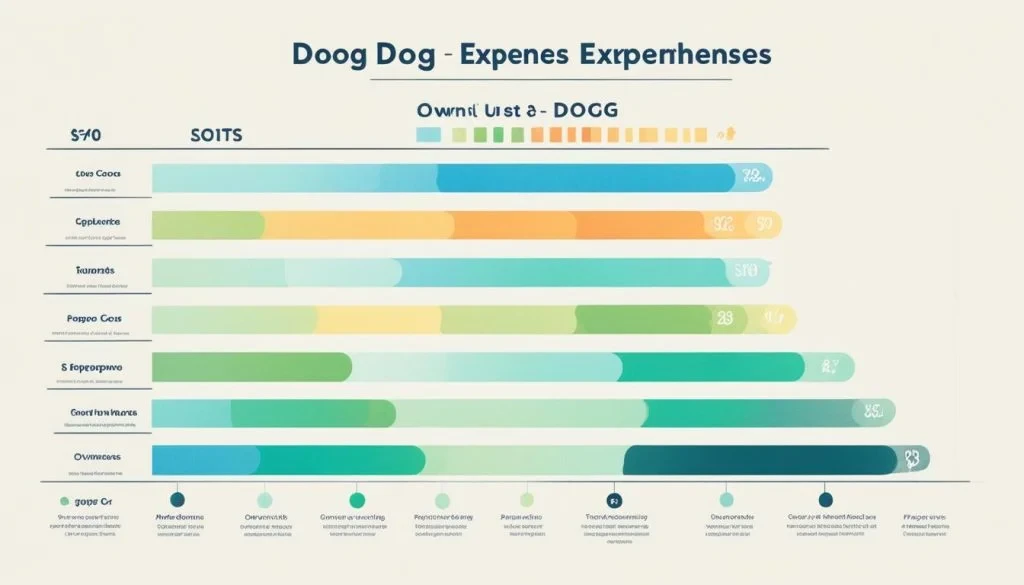
PawVerde.com – Responsible pet ownership demands a substantial and ongoing financial commitment, extending well beyond the initial adoption fees. Recent data from the American Veterinary Medical Association (AVMA) and leading pet insurance providers indicate that annual expenses for cats typically range from $300 to $1,000, while dog owners face higher costs averaging between $1,000 and $2,500. These costs encompass routine veterinary care, quality nutrition, and essential supplies, with emergency veterinary visits potentially adding thousands of dollars. Lifetime ownership expenses escalate accordingly, reaching $9,000 to $18,000 for cats and $12,000 to $25,000 or more for dogs, influenced significantly by breed size and health predispositions.
Routine veterinary care represents one of the most consistent expenditures, with annual check-ups, vaccinations, dental cleanings, and parasite prevention accounting for $200 to $600 per pet. The AVMA recommends at least one to two veterinary visits annually to maintain optimal health and early detection of breed-specific conditions, which can mitigate costly emergency interventions. Quality pet food costs vary widely, with cats typically incurring $200 to $500 annually, whereas dogs, depending on size, require $300 to $1,000 or more. Additional expenses include grooming, toys, bedding, cat litter, and other supplies that contribute an estimated $150 to $400 annually.
Emergency veterinary care imposes significant variability on pet ownership costs. Common emergencies include foreign object ingestion, trauma from accidents, and acute illnesses requiring surgery or intensive treatment. Financial data show average emergency vet bills reaching approximately $1,850 for cats and ranging between $2,000 and $5,000 for dogs. These unplanned expenses underscore the financial risk inherent in pet ownership and highlight the importance of maintaining emergency savings or investing in comprehensive pet insurance plans. Pet insurance premiums average $250 to $600 annually, depending on coverage levels and pet demographics, offering a risk mitigation strategy that spreads financial burdens over time.
The long-term financial outlook for pet owners must consider the pet’s lifespan and breed-specific health issues. Cats live on average 12 to 15 years, accumulating lifetime costs between $9,000 and $18,000. Dog lifespans vary more widely, from 8 to 13 years depending on breed, with lifetime costs often reaching $12,000 to $25,000 or higher for larger breeds with greater health care needs. Conditions such as hip dysplasia in large dogs and chronic kidney disease in certain cat breeds necessitate targeted preventive care, which, while increasing routine costs, reduces the likelihood of expensive emergency treatments.
Pet insurance plays a critical role in managing the financial risks of emergency care and chronic conditions. Coverage options typically include wellness plans covering routine exams and vaccinations, alongside accident and illness policies. Recent market trends show an increase in adoption of comprehensive plans, with premiums adjusted based on pet age, breed, and health status. Analytical models indicate that insured pets receive more timely veterinary care, reducing mortality rates and long-term health costs. However, pet owners must carefully evaluate policy terms, including deductibles, reimbursement rates, and exclusions, to maximize value.
Additional ownership costs extend beyond medical care and nutrition. Training fees average $150 to $500 annually, essential for behavioral health and socialization, particularly in dogs. Grooming expenses vary widely, with routine maintenance costing between $30 and $90 per session. Pet sitting and boarding services contribute $25 to $50 per day during owner absences. Household damages, such as furniture replacement or dog-proofing modifications, add unpredictable costs that can reach several hundred dollars annually. End-of-life care, encompassing euthanasia and cremation, incurs costs typically ranging from $200 to $800, an often overlooked but financially significant consideration.
| Expense Category | Cats (Annual Cost Range) | Dogs (Annual Cost Range) |
|---|---|---|
| Routine Veterinary Care | $200 – $500 | $300 – $600 |
| Quality Food & Nutrition | $200 – $500 | $300 – $1,000 |
| Supplies (Toys, Bedding, Grooming) | $150 – $300 | $200 – $400 |
| Pet Insurance Premiums | $200 – $400 | $250 – $600 |
| Emergency Veterinary Visits | $500 – $1,850 | $1,000 – $5,000 |
| Training & Behavioral Costs | Minimal / Rare | $150 – $500 |
| Grooming Services | $100 – $300 | $360 – $1,080 (monthly to quarterly) |
| Pet Sitting / Boarding | $25 – $50 per day | $25 – $50 per day |
| End-of-Life Care | $200 – $600 | $200 – $800 |
Preventive healthcare investments have demonstrated a tangible reduction in overall pet ownership costs. Regular dental cleanings, parasite prevention, and breed-specific screenings decrease the incidence of chronic illnesses requiring hospitalization. Data from veterinary clinics show that pets receiving consistent preventive care incur 30% fewer emergency visits, translating to savings of up to $1,000 annually per pet. This preventive approach aligns with recommendations from the AVMA and other veterinary bodies to optimize pet longevity and reduce financial strain for owners.
Market analysis reveals a steady increase in pet ownership costs influenced by inflation in veterinary services and premium pet foods. Veterinary care inflation has averaged 4.5% annually over the past five years, outpacing general consumer inflation rates. The premium pet food segment, driven by consumer demand for organic and specialized diets, has seen price increases of 6% annually. These trends suggest that pet owners should anticipate gradual cost rises and incorporate inflation adjustments into long-term budgeting models.
Breed-specific health conditions markedly influence expenditure patterns. Large dog breeds such as German Shepherds and Golden Retrievers face higher incidences of hip dysplasia and certain cancers, incurring treatment costs exceeding $3,000 per incident. Cats predisposed to hypertrophic cardiomyopathy or chronic kidney disease require ongoing monitoring and medication, with annual costs possibly exceeding $1,200. These data underscore the importance of breed-informed financial planning and preventive care strategies.
Pet insurance providers have responded to these dynamics by expanding coverage options and introducing tiered plans tailored to breed risk profiles and pet age. Recent data show that 40% of dog owners and 25% of cat owners have enrolled in some form of pet insurance, a figure projected to rise as awareness of emergency costs grows. The insurance market growth correlates with increased veterinary expenditures and consumer preference for risk mitigation, reflecting a maturing pet care ecosystem.
The financial implications of responsible pet ownership extend to indirect costs such as time investment and lifestyle adjustments. Owners often face opportunity costs related to caregiving time and potential income loss during pet emergencies. Additionally, pet-related travel restrictions and housing considerations can impose further financial burdens. Integrating these factors into comprehensive budgeting frameworks enhances financial preparedness and owner satisfaction.
Looking ahead, prospective pet owners should adopt a data-driven approach to financial planning that incorporates routine, emergency, and long-term costs. Utilizing tools such as pet expense calculators, consulting veterinary professionals on breed-specific risks, and critically evaluating pet insurance policies can optimize budget allocation. As inflationary pressures persist, a strategic emphasis on preventive care and insurance coverage will be essential to managing pet health expenditures effectively.
In summary, responsible pet ownership encompasses a broad spectrum of predictable and unpredictable costs that require meticulous financial planning. With annual expenses ranging from $300 to $2,500 and emergency bills potentially adding thousands, pet insurance emerges as a pivotal financial tool. Incorporating breed-specific health considerations, preventive care investments, and lifestyle-related costs ensures a holistic understanding of the economic impact of pet ownership. Owners equipped with detailed cost insights are better positioned to provide quality care while maintaining fiscal stability in a dynamic pet care market.

How to Prepare for Pet Ownership Responsibilities: Expert Guide
PawVerde.com – Prospective pet owners face a complex set of responsibilities that extend beyond the initial excitement of bringing a dog or cat into their home. Effective preparation for pet ownership requires a detailed understanding of specific animal needs, a safe and nurturing environment, consistent routines, and ongoing health management. Critical steps include researching breed-specific traits, pet-proofing living spaces, assembling essential supplies, scheduling veterinary care, and fostering socialization and training to ensure the pet’s well-being and positive integration into the household.
Veterinarians and animal behaviorists emphasize that establishing stable daily routines and a secure home environment significantly reduces stress for both pets and owners. Preventive veterinary visits, including vaccinations and parasite control, are foundational to minimizing health risks. Simultaneously, responsible owners must commit to long-term care, encompassing emotional support, nutrition, exercise, and emergency preparedness. These elements collectively form the backbone of responsible pet ownership, balancing animal welfare with practical management for sustainable cohabitation.
Preparing Your Home Environment for Pet Safety
Pet-proofing the home is an essential first step in preparing for a new dog or cat. Removing toxic plants such as lilies, azaleas, and philodendrons reduces poisoning risks, while securing loose electrical wires prevents chewing hazards. Experts recommend designating a specific area with comfortable bedding and familiar toys to help the pet acclimate. For cats, vertical spaces like cat trees encourage natural climbing behavior, whereas dogs benefit from a quiet corner free from excessive foot traffic.
Safety measures extend to securing cabinets containing cleaning agents, medications, and small objects that could be ingested accidentally. Installing baby gates or barriers helps confine pets to safe zones, minimizing exposure to household dangers such as stairs or pools. Veterinarians advise that a well-prepared environment not only protects pets physically but also supports their emotional adjustment by reducing anxiety triggers during the initial transition period.
Essential Supplies for New Pet Owners
Gathering appropriate supplies tailored to the pet’s age, size, and species is critical. Feeding and watering bowls made of stainless steel or ceramic are preferred for hygiene and durability. Nutrition plans should align with veterinary recommendations, emphasizing balanced diets suitable for growth, maintenance, or special health needs. Collars with engraved ID tags and microchipping provide vital identification to prevent loss.
Grooming tools vary by breed but typically include brushes, nail clippers, and pet-safe shampoos. Additionally, leashes and harnesses designed for comfort and control facilitate safe outdoor exercise. Toys that stimulate mental and physical activity contribute to behavioral health, reducing destructive tendencies. Health maintenance kits may include flea and tick prevention products, dental chews, and first aid supplies, underscoring the importance of proactive care from day one.
Establishing Consistent Routines for Feeding, Exercise, and Rest
Routine is fundamental for pet well-being, influencing behavior, digestion, and emotional security. Dogs generally thrive on scheduled feeding times twice daily, while cats often benefit from free-feeding or multiple small meals, depending on veterinary advice. Exercise requirements vary widely by breed; high-energy dogs need extended daily walks and play sessions, whereas more sedentary pets require moderate activity balanced with rest.
Sleep schedules should provide quiet, comfortable spaces where pets can retreat undisturbed. Consistency in timing and environment fosters predictability, reducing stress and behavioral issues such as separation anxiety or excessive vocalization. Animal behaviorists highlight that early establishment of routines supports training effectiveness and strengthens the human-pet bond, creating a foundation for lifelong cooperation.
Veterinary Care and Preventive Health Management
Initial veterinary visits typically include comprehensive physical examinations, vaccination protocols, parasite screenings, and nutritional assessments. Vaccines commonly administered cover rabies, distemper, parvovirus, and feline leukemia, tailored to the pet’s risk profile and local regulations. Parasite control involves treatments for fleas, ticks, heartworms, and intestinal worms, essential for preventing disease transmission.
Regular wellness exams help detect early signs of illness, enabling timely interventions. Dental hygiene, often overlooked, is critical for preventing periodontal disease, which affects a significant percentage of adult pets. Emergency preparedness includes assembling first aid kits, learning basic pet CPR, and establishing contacts for emergency veterinary services. Veterinarians recommend reviewing and updating health plans annually to adapt to changing needs as pets age.
Socialization and Behavioral Training Techniques
Socialization reduces anxiety and enhances adaptability, particularly when introduced during the sensitive early months. Gradual exposure to family members, other pets, sounds, and environments fosters confidence and reduces fearful or aggressive behaviors. Positive reinforcement training methods, including clicker use and reward-based commands, have proven efficacy in teaching basic obedience such as sit, stay, and recall.
House training is fundamental, involving consistent schedules for bathroom breaks and crate training where appropriate. Managing emotional needs includes recognizing signs of stress and providing enrichment activities to prevent boredom-induced behaviors like destructive chewing or excessive scratching. Collaboration with professional trainers or animal behaviorists can address complex issues, ensuring the pet’s behavioral health aligns with household expectations.
Long-Term Commitment and Ethical Responsibilities
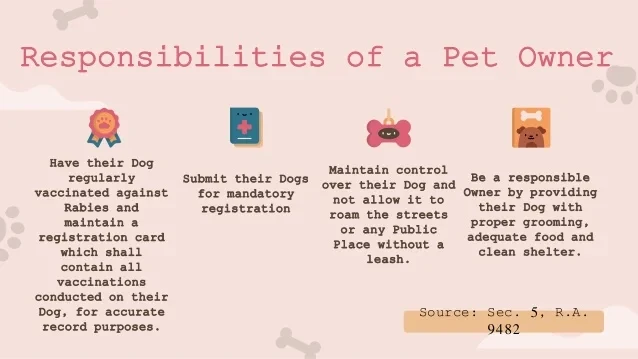
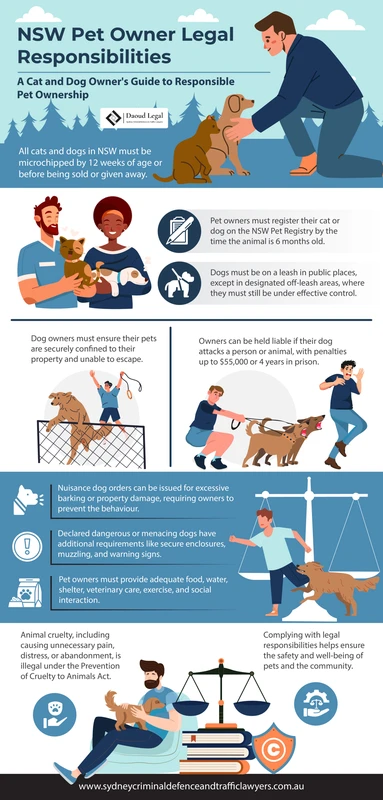
Pet ownership encompasses a lifecycle commitment involving evolving care from puppy or kitten stages through senior years. Nutritional adjustments, mobility support, and regular health screenings become increasingly important as pets age. Owners must also consider the pet’s role within the community, adhering to leash laws, waste management, and noise control to ensure harmonious neighborhood interactions.
Participation in animal welfare initiatives, such as supporting organizations like the American Kennel Club (AKC) or Guide Dogs for the Blind, promotes broader awareness of responsible ownership. Ethical considerations include avoiding impulse adoption, ensuring spaying/neutering to control overpopulation, and providing emotional support recognizing pets as sentient beings. These responsibilities affirm the owner’s commitment to animal welfare beyond the domestic sphere.
FAQ
What are the most important steps to prepare my home for a new pet?
Pet-proofing your home by removing toxic plants, securing electrical cords, and restricting access to hazardous areas is essential. Creating a designated comfortable space with bedding and toys helps pets adjust. Additionally, securing cabinets, installing barriers, and ensuring safe outdoor areas contribute to a secure environment.
How often should I take my new pet to the veterinarian?
Initial veterinary visits should occur soon after adoption for a full health assessment and vaccinations. Puppies and kittens require more frequent visits during their first months. Adult pets benefit from annual wellness exams, while senior pets may need biannual checkups to monitor age-related health issues.
What supplies are essential for new dog and cat owners?
Essential supplies include food and water bowls, age-appropriate nutrition, collars with ID tags, leashes or harnesses, grooming tools, and toys. Health maintenance items such as flea and tick prevention and dental care products are also important to support ongoing well-being.
How can I effectively socialize my new pet?
Introduce your pet gradually to family members, other animals, and new environments using positive reinforcement. Early, consistent exposure reduces anxiety and promotes adaptive behavior. Enrichment activities and training help meet emotional needs and prevent behavioral problems.
What should I include in an emergency preparedness plan for my pet?
An emergency plan should include a pet first aid kit, a list of emergency contacts including veterinary clinics, copies of medical records, sufficient food and water supplies, and identification tags or microchips. Familiarizing yourself with basic pet CPR and evacuation procedures enhances preparedness.
—
Preparing for pet ownership involves a multidimensional approach integrating environment safety, health care, behavioral management, and ethical stewardship. Owners who invest in thorough preparation and ongoing education foster healthier, happier pets and contribute positively to animal welfare standards. Moving forward, embracing advanced veterinary practices, leveraging technology in pet monitoring, and engaging with community resources will further enhance the quality and longevity of the human-animal bond.