

Eco-Friendly Pet Services: How to Choose Sustainable Care
PawVerde.com – Eco-friendly pet services prioritize sustainability through biodegradable products, reduced carbon footprints via mobile grooming, and ethical sourcing of nutrition. Transitioning to green pet care involves auditing service providers for greenwashing, choosing long-lasting gear, and opting for services that minimize waste and chemical runoff to protect both your pet and the planet.
“Incorporating eco-friendly practices into pet care is not just a trend; it’s a responsibility we owe to our pets, our planet, and future generations,” notes Sameera Satija.
How to spot greenwashing in pet services
To detect greenwashing, check if a provider uses single-use plastic packaging while claiming to be ‘eco-friendly.’ Verify third-party certifications and look for transparency in ingredient sourcing. Avoid brands that rely on vague buzzwords without providing evidence of biodegradable components or ethical supply chains.
The ‘Single-Use Plastic’ Red Flag
Brand credibility is compromised when a company pushes an eco-friendly image while simultaneously stocking items wrapped in single-use plastic. This contradiction serves as a primary failure mode for businesses attempting to capitalize on the green movement without altering their supply chain. For instance, a service might claim to use organic shampoos but deliver them in non-recyclable bottles that contribute to landfill waste.
Decoding Marketing Buzzwords vs. Real Certifications
Consumers often fall victim to vague marketing language that lacks empirical backing. To avoid this, practitioners recommend looking for specific evidence rather than broad claims. A reliable audit of a pet service provider should include the following checks:
- Verify third-party certifications to ensure claims are independently validated.
- Investigate the transparency of ingredient sourcing for all consumable products.
- Check for the presence of 100% biodegradable components in physical goods, such as those produced by Honest Pet Products.
- Cross-reference marketing claims with actual packaging materials to identify discrepancies.
A product labeled “natural” is not always sustainable. It can still be packaged in ways that harm the environment or sourced through unethical labor. True sustainability requires a holistic approach that covers both the product chemistry and the lifecycle of its packaging.
The Cost-Benefit Matrix: Traditional vs. Sustainable Pet Care
Adopting sustainable pet care involves a shift from low upfront costs to long-term utility. While conventional products may seem cheaper initially, they frequently require more frequent replacements due to lower durability.
| Criterion | Conventional Services/Products | Sustainable Alternatives |
|---|---|---|
| Ingredients and Packaging | Heavily processed ingredients; non-recyclable packaging | Ethically sourced ingredients; recyclable materials |
| Gear Longevity | Lower durability; high replacement frequency | Long-lasting, washable gear; minimized replacement frequency |
| Grooming Approach | Standard chemical-based formulas | Natural, biodegradable formulas |
| Resource Usage | Standard water and energy consumption | Water-saving technologies and energy efficiency |
Sustainable choices impact a pet owner’s budget by trading immediate savings for long-term resource efficiency.
Long-term savings through durability
Choosing long-lasting, washable gear minimizes replacement frequency, which directly cuts down on both waste and long-term costs. For example, instead of purchasing multiple low-quality plastic toys, investing in durable, biodegradable options provides better value over the lifespan of the pet. This reduction in consumption prevents the “buy-and-toss” cycle common with conventional pet accessories.
Utility cost reductions in green facilities
For pet business owners, implementing water-saving technologies can lead to significant cost savings. As noted by industry research, reduced water consumption results in lower utility bills over time. These efficiencies allow green facilities to remain competitive while maintaining a smaller environmental footprint.
Green Grooming: Health benefits and carbon footprint reduction
eco-friendly grooming utilizes natural, biodegradable shampoos and water-saving techniques to reduce environmental impact. Mobile grooming services further lower emissions by eliminating the need for owners to drive to salons, while natural formulas prevent skin irritation caused by harsh conventional chemicals.
Why natural formulas matter for sensitive skin
Traditional grooming products can contain harsh chemicals that irritate skin or trigger allergies in sensitive animals. Natural formulas are gentler and safer for the pet’s biological barrier. This shift toward plant-based surfactants helps protect the water table by ensuring that runoff from baths does not introduce toxic synthetic substances into local ecosystems.
The emissions advantage of mobile services like Puppy Luv Pet Services
Mobile grooming provides a dual benefit: convenience for the owner and a reduction in transportation emissions. Because providers like Puppy Luv Pet Services come directly to the pet owner, the need for extra car trips to a centralized salon is eliminated. This localized service model is a key component of reducing the overall carbon footprint associated with pet maintenance.
Specific advantages of green grooming include:
- Use of natural, biodegradable shampoos to prevent chemical runoff.
- Implementation of water-saving techniques during the bathing process.
- Reduced transportation-related CO2 emissions via mobile service models.
- Prevention of skin irritation through the avoidance of harsh synthetic additives.
Sustainable Nutrition: Transitioning without digestive distress
Switching to sustainable pet food—such as options using locally sourced, organic, or insect-based proteins—can lower carbon emissions. However, the method of transition is just as critical as the ingredients themselves to ensure the pet’s health remains intact.
Warning: To avoid digestive system failure, do not switch dog food brands or formulas overnight.
The 10-day transition roadmap
To prevent digestive issues, owners should follow a technique known as the Gradual Dog Food Transition. This process typically spans a 7-10 day period to allow the pet’s gut microbiome to adjust to the new nutrient profile. A standard roadmap includes:
- Days 1-2: Mix 75% of the old food with 25% of the new food.
- Days 3-4: Mix 50% of the old food with 50% of the new food.
- Days 5-6: Mix 25% of the old food with 75% of the new food.
- Days 7-10: Feed 100% of the new food.
Avoiding nutritional imbalances
Owners must not assume that higher meat content or marketing buzzwords automatically equate to better nutrition. It is essential to ensure that any new food meets the nutritional standards set by AAFCO (Association of American Feed Control Officials). Relying solely on “green” labels without checking for AAFCO compliance can lead to long-term nutritional imbalances.
Operational Sustainability for Pet Businesses
Sustainability for pet professionals involves managing internal facility operations alongside product selection. Adopting green habits can improve a business’s reputation while simultaneously reducing overhead costs.
Digitizing records to eliminate paper waste
Modern pet businesses can significantly reduce their reliance on paper by adopting specialized software. Using dog boarding software allows for the digitization of client records, appointment scheduling, and financial transactions. Moving these processes to a digital format eliminates the need for physical filing systems and reduces the waste generated by printing daily schedules or invoices.
Waste management: From composting to recycling
Implementing Sustainable Waste Management is a cornerstone of an eco-conscious facility. Businesses can adopt several strategies to manage their environmental impact:
- Set up clearly labeled bins for different types of recycling.
- Compost biodegradable pet waste where local regulations and facilities allow.
- Donate excess or near-expiry supplies to local shelters rather than discarding them.
By integrating these practices, pet businesses can build a more resilient and reputable brand that appeals to the growing demographic of environmentally conscious pet owners.
FAQ
Is eco-friendly pet care more expensive?
While initial costs might be higher, sustainable gear lasts longer, which reduces replacement frequency. Additionally, water-saving technologies used in green grooming or boarding facilities can lead to lower utility costs over time, offsetting the initial investment.
How can I tell if a pet food brand is truly sustainable?
Look for brands that utilize ethically sourced, organic, or insect-based proteins and offer recyclable packaging. Most importantly, always verify that the product meets AAFCO nutritional standards to ensure it is a complete and balanced diet.
Does mobile grooming actually help the environment?
Yes, mobile grooming services reduce transportation emissions. By coming directly to the pet owner’s location, these services eliminate the need for the owner to make extra car trips to a traditional grooming salon, thereby lowering the total carbon footprint of the service.
Eco-Friendly Pet Grooming in Australia: A Green Guide
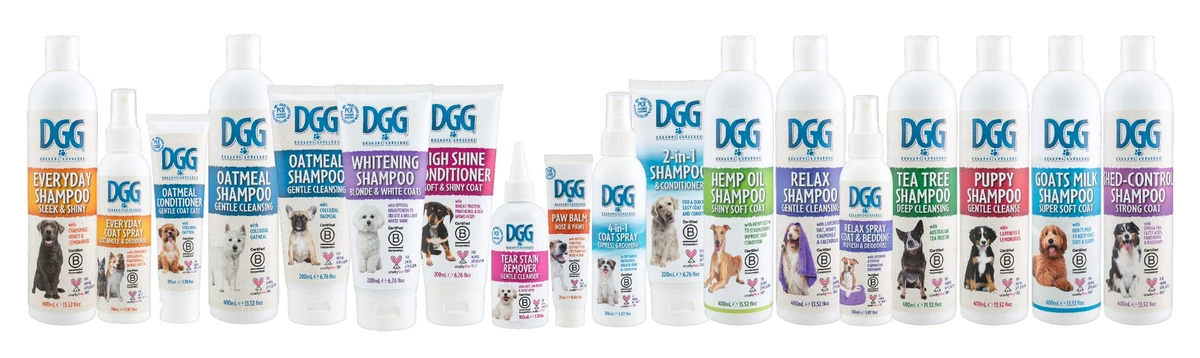
PawVerde.com – eco-friendly pet grooming in Australia focuses on reducing plastic waste through solid shampoo bars, utilizing sustainable materials like bamboo and hemp, and selecting concentrated formulas that lower shipping emissions. For the 29 million pets in Australia, switching to natural extracts and biodegradable ingredients helps protect both their sensitive skin and local ecosystems.
With 29 million pets in Australia, the market is seeing a rise in specialized brands that offer concentrated botanical formulas to meet growing demand.
The Greenwashing Audit: Spotting Fake ‘Natural’ Claims in Australia
To avoid greenwashing, Australian pet owners must look beyond unregulated terms like ‘natural’ or ‘premium.’ Verify products by checking the ingredient weight order, ensuring animal proteins aren’t outweighed by fillers, and seeking brands that provide specific transparency regarding their botanical extracts and manufacturing processes.
The ‘Natural’ Trap
Marketing in the pet industry often relies on terminology that lacks strict legal oversight. According to Nulo, the pet food industry has very loose standards for its marketing terms. A product can be labeled “natural” even if it contains highly processed ingredients. Similarly, the term “premium” has no legal definition, meaning a brand can use the label to justify a higher price point without meeting specific nutritional or ecological benchmarks.
How to Read an Ingredient Label
To identify genuine eco-friendly products, owners should follow specific technical steps during packaging audits:
- Ingredient Order Verification: Check ingredients listed by weight before processing. This ensures that primary components, such as animal proteins, are not outweighed by grains, plants, or synthetic fillers.
- Concentration Check: Look for specific botanical names rather than generic “plant extracts.”
- Packaging Audit: Identify if “biodegradable” claims refer to the formula or the actual vessel.
Environmental impact is often obscured by packaging; for example, a product may claim to be “natural” while still being housed in non-recyclable multi-layer plastics.
Local vs. Imported: The Carbon Footprint Trade-off
The total environmental footprint depends on logistics. While an imported organic shampoo might use high-quality botanicals, the carbon emissions from transoceanic shipping can offset the benefits of its biodegradable formula.
| Brand | Origin/Focus | Primary Eco-Feature |
|---|---|---|
| Anipal | Australian | Recycled plastic bottle collars/leads |
| Mog & Bone | Australian | Hemp-based harnesses and collars |
| Pawfect Pals | Australian | Cruelty-free vegan leather |
| Essencera | Specialized | Concentrated botanical formulas |
Choosing local manufacturers like Anipal or Mog & Bone reduces the logistics-related carbon footprint. While shipping costs for some Australian retailers may include a flat rate of $14.95 or require a $180 order threshold for free shipping at Farmer Pete’s, the reduction in transit emissions is a significant factor in a holistic sustainability strategy.
Top Sustainable Grooming Solutions for Australian Pets
Effective eco-grooming involves three main pillars: solid shampoo bars (like Ethique) to eliminate plastic, bamboo-based tools (like M Pet wipes) for rapid regrowth, and hemp or recycled plastic accessories (like Anipal or Mog & Bone). These alternatives significantly reduce the environmental load of pet maintenance.
Zero-Waste Washing: The Rise of the Bar
Liquid shampoos are often composed largely of water, which adds weight and increases shipping emissions. In contrast, shampoo bars offer a more compact, concentrated alternative. Brands like Ethique provide solid shampoo and conditioner bars that eliminate the need for plastic bottles entirely. For those seeking soap-based options, Troopets manufactures 100% essential oil and natural extract soap bars, providing a direct alternative to synthetic liquid detergents.
Sustainable Hardware: Bamboo, Hemp, and Recycled Plastic
Beyond washing, the physical tools used in grooming can be transitioned to sustainable materials. Bamboo is a standout candidate for hardware because it grows 30 times faster than trees. Furthermore, bamboo produces 30 times the amount of oxygen and absorbs 35 times the amount of carbon dioxide compared to traditional timber. This makes products like M Pet Cleansing Bamboo Wipes a highly renewable choice.
| Product Type | Eco-Benefit | Primary Material/Feature | Best For |
|---|---|---|---|
| Solid Bars | Zero plastic waste | Concentrated soap/shampoo | Frequent bathers |
| Bamboo Tools | Rapidly renewable | Bamboo fibers | Sensitive skin/Wipes |
| Hemp Gear | Low water usage | Hemp fabric | Durability/Leads |
| Recycled Gear | Waste diversion | Recycled plastic bottles | Active pets |
For coat maintenance, a Biosilk brush offers a long-lasting alternative to disposable plastic brushes.
The Transition Protocol: Moving from Chemicals to Botanicals
Biological systems require time to adjust to new ingredients. When moving to botanical formulas, pet owners should monitor for changes in skin texture or moisture levels.
Managing the Two-Week Adaptation Period: Scalp dryness may occur initially as your skin adapts from conventional products, typically resolving within two weeks. This is a biological response to the removal of harsh synthetic surfactants that previously coated the skin.
Step-by-Step Integration:
Shortcut: Start small with one or two products like biodegradable poop bags or natural soap bars, then gradually expand.
To minimize the risk of skin irritation, do not replace every product in a single day. Introduce one botanical element, such as a Troopets bar, and monitor the pet’s skin condition for seven days before introducing the next eco-friendly item.
Cost-Efficiency: Bars and Concentrates vs. Liquid Shampoos
Concentrated options can be more economical over time. For example, Earthbath concentrated formulas can lead to a 90% reduction in greenhouse gas emissions and water usage compared to standard diluted liquids.
| Metric | Liquid Shampoo | Concentrated/Bar |
|---|---|---|
| Packaging Waste | High (Single-use plastic) | Low (Compostable/Zero) |
| Water Content | High (Mostly water) | Minimal to None |
| Emissions | Higher (Heavy shipping) | Lower (Lightweight) |
| Efficiency | Standard | 90% reduction in emissions/water (Earthbath) |
Earthbath concentrated formulas, for instance, can lead to a 90% reduction in greenhouse gas emissions and water usage compared to standard diluted liquids. Additionally, Earthbath has reduced plastic use by 79% by transitioning to soft-pouch packaging for wipes. While the upfront cost of a bar or concentrate might seem higher, the longevity of the product provides better long-term value.
Critical Safety: Avoiding Common Eco-Grooming Pitfalls
Safety is paramount. Certain botanical-based washes are never safe for cats due to their unique sensitivity to specific essential oils.
Warning: Shield Wash is unsafe for cats due to their unique sensitivity to certain botanical oils. Always verify that any botanical-based wash is explicitly labeled as feline-safe.
Species-Specific Toxicity
Many botanical extracts that are safe for dogs can be toxic to cats. Because cats possess different metabolic pathways for processing certain essential oils, a “natural” product can become a chemical hazard. Always cross-reference ingredients with species-specific safety data before application.
Durability Realities
Another pitfall involves the physical reliability of biodegradable items. For example, compostable poop bags, which are made from plant-based materials such as cornstarch to break down into soil, are often not as durable as traditional plastic-based bags. Users should exercise caution when using these in high-moisture environments or for larger waste volumes to avoid breakage.
FAQ
Is organic shampoo safe for all pets?
Not necessarily. Botanical oils used in dog-specific washes can be toxic to cats. Always verify that ingredients are explicitly labeled as feline-safe to accommodate their specific metabolic needs.
Are compostable poop bags actually better?
They are a zero-waste option because they are made from plant-based materials like cornstarch that break down into soil. However, they may lack the durability of plastic in high-moisture environments.
Why does my pet’s skin feel dry after switching to natural shampoo?
This is often a temporary adaptation phase. Skin typically takes about two weeks to adjust from conventional chemical surfactants to natural botanical formulas as the natural lipid barrier stabilizes.
How to Choose Eco-Friendly Pet Dental Care Effectively
PawVerde.com – To choose eco-friendly pet dental care, prioritize products with verified efficacy (look for the VOHC seal), sustainable ingredient sources like insect protein or fermented seaweed, and minimal plastic waste through biodegradable handles or zero-waste packaging. Always balance environmental impact with clinical effectiveness to ensure your pet’s oral health is not compromised.
The US pet food industry produces approximately 300 million pounds of plastic every year, much of which contributes to the waste generated by routine dental care products.
The Greenwashing Audit: How to Spot Truly Sustainable Dental Products
To avoid greenwashing, look beyond vague ‘natural’ labels. Verify products using the VOHC seal for clinical efficacy, check for certified organic ingredients like those in RADIUS toothpaste, and prioritize brands offering zero-waste or biodegradable components, such as bamboo floss or plant-derived bristle brushes, rather than just recyclable plastic.
VOHC Certification vs. Marketing Buzzwords
Marketing departments often use the word “natural” to imply environmental safety, but this term lacks strict regulatory oversight in the pet care sector. A common failure mode occurs when owners purchase a “natural” dental chew that lacks clinical proof of plaque reduction, leaving the pet vulnerable to periodontal disease. To ensure a product actually works, look for the Veterinary Oral Health Council (VOHC) seal. This certification signifies that the product has undergone rigorous testing to prove it effectively reduces plaque and tartar. Relying solely on buzzwords can result in a “green gap,” where a product appears environmentally friendly but fails to prevent the 80% of dogs that develop dental disease by age three.
Analyzing Packaging: Zero-Waste vs. Recyclable
Many brands claim sustainability by using “recyclable” plastic, yet most household recycling streams cannot process small, contaminated items like dental wipes or used toothbrushes. True sustainability requires moving toward zero-waste or biodegradable models. When auditing your pet’s dental kit, evaluate these specific criteria:
- Material Composition: Prioritize bamboo or plant-derived bristles over nylon.
- Packaging Type: Seek out compostable wraps or refillable containers rather than single-use plastic tubes.
- Certifications: Look for USDA Organic labels on toothpastes, such as those produced by RADIUS, to ensure ingredient integrity.
Sustainability vs. Efficacy: Selecting the Right Ingredients
Choosing ingredients involves a delicate balance between reducing the carbon footprint of pet food production and maintaining high digestibility. While traditional meat-based proteins require significant land and water resources, some eco-friendly alternatives may present different nutritional challenges if not formulated correctly.
The Rise of Insect Protein in Dental Chews
Insect protein has emerged as a primary solution for reducing the environmental impact of pet dental treats. Manufacturers like Jiminy’s utilize insect protein because it is an eco-friendly and digestible protein source that is gentle on both the gut and the planet. As Jiminy’s notes:
“Our dental chews aren’t just innovative because of what they do for your dog’s teeth; they’re groundbreaking because of what they don’t do to the planet.”
This approach mitigates the massive resource requirements of traditional livestock. However, users must remain vigilant against low-quality chews that use synthetic additives to artificially extend shelf life, which can compromise digestibility.
Functional Seaweed and Quinoa: Beyond Nutrition
Beyond protein, specific functional ingredients are being integrated into dental formulations to provide mechanical and biological benefits. Scoular supplies key ingredients like quinoa and fermented seaweed to the pet food industry to enhance oral health. Seaweed is particularly valuable because it is nutrient-rich and can aid skin, coat, gut, and dental health. The following table compares common eco-friendly dental tools and ingredients based on their impact and utility:
| Ingredient/Tool | Eco-Impact | Clinical Efficacy | Best For |
|---|---|---|---|
| Insect Protein Chews | Very Low | Moderate (Daily Support) | Sustainable daily treats |
| Fermented Seaweed | Low | High (Biological Support) | Gut and dental health |
| Bamboo Brushes | Low (Compostable) | High (Mechanical) | Routine brushing |
| Water Additives | Moderate (Plastic Bottle) | Moderate (Backup) | Resistant pets |
While these ingredients offer significant advantages, it is a misconception that eco-friendly ingredients are inherently “weaker” than synthetic ones; when formulated correctly, they provide robust dental support.
Step-by-Step: Implementing a Low-Waste Dental Routine
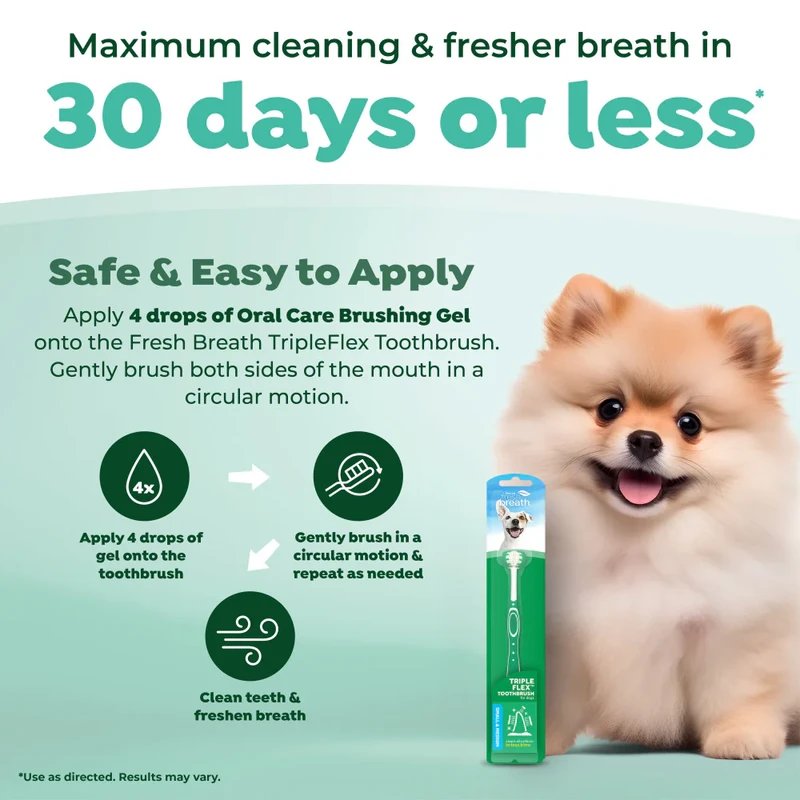
Start by training your pet through mouth handling for 15-30 seconds daily. Transition to brushing 3-4 times a week using pet-safe, organic toothpaste and a biodegradable brush. For resistant pets, integrate dental wipes or water additives as a sustainable backup to traditional brushing.
Phase 1: Mouth Handling Training
Successful dental care begins with desensitization rather than immediate brushing. According to Dr. Peter Dobias, owners should start by handling and opening the pet’s mouth daily to build comfort. Use the following training sequence:
- Initial Contact: Gently lift the lips without any tools.
- Tactile Stimulation: Use tasty food on your fingers to rub the teeth and gums.
- Duration: Aim to hold the mouth open for 15-30 seconds at a time.
- Positive Reinforcement: Reward the pet with a high-value treat for staying still.
Shortcut: If your pet is highly reactive, use a “lick mat” with organic peanut butter (ensuring it is aflatoxin-free) to distract them while you perform gentle gum inspections.
Phase 2: The Brushing Technique
Once the pet is comfortable, move to active brushing. For maximum efficacy, veterinary experts recommend brushing 3-4 times a week. Use a soft-bristled, biodegradable brush and pet-specific toothpaste. To clean effectively, brush in small, gentle circles along the gumline. While electric toothbrushes can provide superior cleaning efficacy compared to manual versions, owners should consider the lifecycle of the electronic device versus a compostable bamboo brush when choosing their method.
Phase 3: Low-Impact Alternatives for Difficult Pets
If a pet refuses a toothbrush, do not force the issue, as this can cause stress and dental trauma. Instead, utilize these sustainable alternatives:
- Dental Wipes: These are effective for pets who tolerate mouth contact but resist the physical presence of a brush. Gently lift the lips and wipe along the gumline once a day.
- Water Additives: If brushing remains impossible, adding odorless and tasteless solutions to drinking water can help reduce plaque and control bacteria.
Avoiding Critical Health and Environmental Pitfalls
The most significant risk in at-home dental care is the accidental use of products designed for humans. PetMD and Country Creek Animal Hospital both emphasize that human toothpaste should never be used on pets due to the risk of toxicity.
The Danger of Human Toothpaste
Human toothpastes often contain xylitol or high concentrations of fluoride, both of which can be life-threatening for dogs and cats. Always ensure your toothpaste is specifically formulated for pets, ideally using organic components like coconut oil, which Dr. Peter Dobias describes as a “clear, safe, and side-effect-free winner!”
Nutritional Risks: Aflatoxins and Synthetic Fillers
When selecting eco-friendly dental chews, avoid those that rely on peanut-based fillers to save costs. Peanuts are not a natural item in the canine diet and can frequently contain aflatoxins, which pose serious health risks. Additionally, beware of “natural” chews that use synthetic preservatives to maintain stability; these can decrease digestibility and increase the pet’s environmental footprint through increased waste.
The End-of-Life Guide: Disposing of Eco-Friendly Dental Tools
Sustainability does not end when the product is empty; it ends when the packaging and tools are correctly processed. As the pet oral care market continues to grow through the 2025-2035 forecast period, the volume of “eco-friendly” waste will also increase, making proper disposal essential.
Composting vs. Landfilling Biodegradables
A common mistake is assuming all “biodegradable” items can be tossed into a backyard compost bin. Most bamboo toothbrushes or plant-derived bristles require industrial composting facilities to break down effectively. If you place them in a standard landfill, they may remain intact for years, negating their environmental benefits. Terra & Co. notes:
“A product’s cost to the planet does not directly translate into its price for the consumer.”
This includes the “cost” of improper disposal.
Managing Plastic-Free Dental Wipes
When using dental wipes, check the material composition. If they are made of compostable fibers, they should be disposed of according to the manufacturer’s instructions—often in organic waste bins. If they are merely “plastic-free” but not compostable, they must be treated as standard waste to avoid contaminating recycling streams with organic residue.
FAQ
Can I use my own toothpaste on my pet to save money and waste?
No. Human toothpaste is unsafe for pets and can lead to serious health issues. Always use pet-specific, organic, or natural formulations to avoid toxic ingredients like xylitol.
Are dental chews as effective as brushing?
While dental chews provide daily support, they do not replace the thorough cleaning achieved by brushing 3-4 times a week or professional veterinary cleanings. They are a supplement, not a total replacement.
How do I know if a dental treat is actually eco-friendly?
Look for low-impact proteins like insect protein and avoid products with heavy plastic packaging or synthetic additives that compromise digestibility and environmental safety.
Top Sustainable Pet Toys Using Recycled Rubber & Organic Cotton
PawVerde.com – sustainable pet toys are increasingly gaining traction among environmentally conscious consumers seeking safe, durable, and eco-friendly options for their pets. Leading pet brands such as West Paw and Tug & Go have pioneered the use of recycled rubber, organic cotton, and biodegradable plastics in their product lines, integrating sustainability with pet safety and long-lasting performance. Certifications like Organic and Fair Trade support their environmental claims and provide transparency to consumers concerned about the ecological footprint of pet products. This article explores the landscape of sustainable pet toys, analyzing materials, brands, certifications, and design innovations that define this growing market.
Materials Used in Sustainable Pet Toys
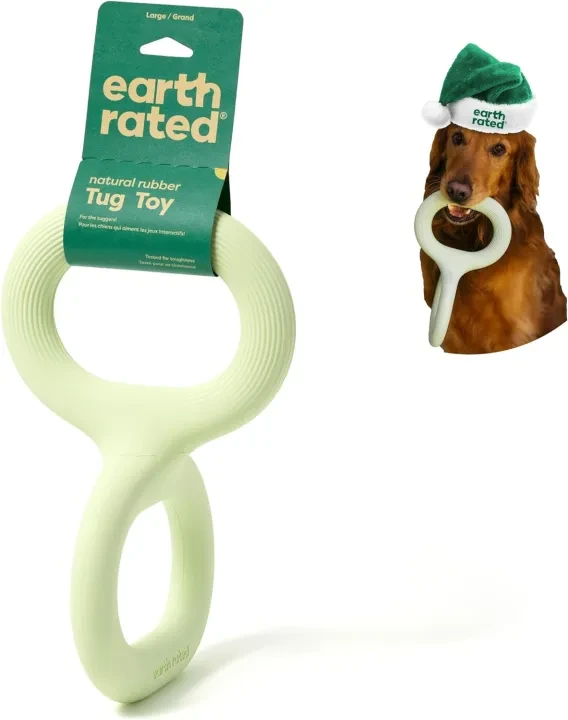
Sustainable pet toys rely primarily on materials that minimize environmental impact while maintaining durability and pet safety. Recycled rubber is a cornerstone material widely used by brands such as West Paw. This material not only diverts waste from landfills but also offers high resilience against chewing, reducing the frequency of replacements and thus overall consumption. Natural rubber, derived from rubber trees, complements recycled rubber by providing a biodegradable alternative with elastic properties ideal for interactive toys.
Organic cotton is favored for soft toys due to its non-toxic nature and lower pesticide use compared to conventional cotton. When combined with hemp rope, another natural fiber known for its strength and resistance to mold, these materials form durable, eco-conscious options that avoid synthetic chemicals harmful to pets. These fibers are also biodegradable, further reducing disposal impact.
Biodegradable plastics, increasingly developed from plant-based sources like cornstarch or sugarcane, offer alternatives to traditional petroleum-based plastics. Brands like Beco Pets and Puurfect Play incorporate these bioplastics to create toys that break down under industrial composting conditions, reducing persistent plastic pollution. Bamboo fibers, appreciated for rapid renewability and natural antibacterial properties, also appear in pet toy textiles, enhancing sustainability.
Innovations in material sourcing include ocean plastic reclamation, where discarded marine plastics are collected and repurposed into pet products. Cycle Dog exemplifies this approach by transforming ocean-bound plastics into tough dog toys, simultaneously addressing marine pollution and pet product waste. Upcycled textiles, often post-consumer fabrics diverted from landfill, further broaden the material spectrum, supporting circular economy principles within pet care.
Leading Brands Committed to Sustainability
West Paw and Tug & Go stand out for their transparent sustainability initiatives and eco-friendly manufacturing processes. West Paw’s Zogoflex® material, made from non-toxic, recyclable, and durable recycled plastics, is designed to withstand aggressive chewing while being safe for pets. The company operates a zero-waste-to-landfill facility and offsets carbon emissions, emphasizing environmental stewardship alongside product quality.
Tug & Go focuses on natural materials like organic cotton and hemp, combining handcrafted quality with Fair Trade certification to support ethical labor practices. Their product lines emphasize biodegradability and minimal chemical use, appealing to pet owners prioritizing health and sustainability.
The Kind Pet, Beco Pets, Puurfect Play, and Honest Pet Products also contribute varied sustainable offerings. Beco Pets integrates bamboo fibers and recycled plastic bottles into their toys, while Puurfect Play employs organic cotton and natural rubber. Honest Pet Products markets biodegradable and compostable toys, raising consumer awareness about ecological impacts.
Brands such as TuTu’s Green World and Outward Hound extend sustainability beyond toys into pet accessories, incorporating recycled fabrics and sustainable manufacturing standards. Wild One and FunnyFuzzy emphasize design innovation with sustainable materials, blending aesthetics and eco-consciousness, while Cycle Dog combines rugged durability with ocean plastic reclamation.
Many of these brands publish detailed sustainability reports outlining carbon footprint reduction, waste diversion, and supply chain transparency, reinforcing their commitment to environmental responsibility and building consumer trust.
Certifications and Standards Validating Sustainability
Certifications play a pivotal role in assuring consumers of the authenticity and safety of sustainable pet toys. Organic certification, typically issued by entities like the Global Organic Textile Standard (GOTS), verifies that materials such as cotton and hemp are grown without synthetic pesticides or fertilizers, ensuring non-toxicity for pets and lower environmental impact.
Fair Trade certification focuses on ethical labor practices, guaranteeing that workers involved in material harvesting and manufacturing receive fair wages and safe working conditions. This certification aligns with consumers’ ethical concerns about social sustainability alongside environmental stewardship.
Biodegradability standards, often validated through ASTM or ISO testing, confirm that pet toys made from biodegradable plastics or natural fibers degrade within specified timeframes under industrial composting or natural conditions. These certifications help differentiate genuine eco-friendly products from greenwashed alternatives.
Recyclability certifications and third-party verifications of recycled content provide additional assurance regarding the circularity of materials used. Brands like West Paw emphasize the recyclability of their Zogoflex® toys and offer take-back programs to close the product lifecycle loop.
Benefits of Sustainable Pet Toys for Pets and the Planet
Sustainable pet toys contribute significantly to reducing environmental burdens in the pet care industry. By utilizing recycled rubber and upcycled plastics, these products divert waste from landfills and oceans, mitigating plastic pollution. Biodegradable fibers and plastics reduce the persistence of waste in ecosystems, promoting healthier habitats.
For pets, non-toxic materials such as organic cotton and natural rubber minimize exposure to harmful chemicals and synthetic dyes often found in conventional toys. This reduces risks of allergic reactions or ingestion of toxic substances, enhancing pet safety.
Durability is a critical benefit; materials like recycled rubber resist wear and tear better than many traditional plastics, extending product life and lowering replacement frequency. This durability also translates into economic savings for pet owners, balancing upfront costs with long-term value.
Additionally, sustainable pet toys often feature hypoallergenic properties, important for pets with sensitivities. The environmental ethos behind these products fosters consumer awareness about responsible pet ownership and encourages broader adoption of green pet care practices.
Innovative Approaches in Sustainable Pet Toy Design
Beyond materials, innovation in design shapes the sustainable pet toy market. Cycle Dog’s integration of reclaimed ocean plastics into tough, chew-resistant toys exemplifies creative material reuse addressing dual environmental challenges: marine debris and pet product waste.
Some brands incorporate modular design principles, enabling toy parts to be replaced or repaired instead of discarding the entire product. This extends usability and aligns with circular economy models.
Aesthetic appeal merges with eco-consciousness as brands like Wild One and FunnyFuzzy use natural dyes and minimal packaging to reduce environmental impact. Upcycled fabrics sourced from post-consumer textiles are creatively integrated into plush toys or interactive play items, enhancing uniqueness while preventing textile waste.
Manufacturers increasingly employ life cycle assessments (LCA) to optimize product design, minimizing carbon footprints through material selection, transport efficiency, and end-of-life considerations. Such data-driven innovation ensures that sustainability claims are substantiated by measurable environmental benefits.
DIY and At-Home Sustainable Pet Toy Alternatives
For pet owners seeking hands-on involvement, DIY sustainable pet toys offer practical, eco-friendly options using household materials. Repurposing old t-shirts or towels into braided tug toys utilizes natural fibers and diverts textiles from landfill. Cardboard boxes or paper tubes can be transformed into stimulating puzzle toys, encouraging mental engagement without plastic waste.
Safety considerations are paramount; materials should be non-toxic, free from sharp edges or small parts that pose choking hazards. Natural fibers and untreated fabrics are preferred, and any adhesive or dye used must be pet-safe.
Homemade toys afford customization to suit individual pet preferences and play styles while fostering sustainable consumption habits. Resources and tutorials from eco-conscious pet organizations provide guidance on best practices and creative designs.
How to Choose the Right Sustainable Pet Toy

Selecting sustainable pet toys requires balancing material safety, durability, certifications, and pet-specific needs. Consumers should prioritize toys made from certified organic or recycled materials, verified by recognized standards to ensure environmental and health claims.
Durability testing and brand transparency regarding manufacturing processes offer insight into product longevity and ethical sourcing. Matching toy types (chew toys, plush, interactive) to a pet’s size, breed, and play behavior prevents premature destruction and waste.
Evaluating environmental policies and sustainability reports of brands provides additional context about corporate responsibility. Consumers may also consider end-of-life options such as recyclability or take-back programs to maximize sustainability impact.
Ultimately, informed choices contribute to reducing the pet industry’s ecological footprint while maintaining pet well-being and owner satisfaction.
FAQ

What materials are safest and most sustainable for pet toys?
Recycled rubber, organic cotton, natural rubber, hemp rope, biodegradable plastics, and bamboo are among the safest and most sustainable materials. These materials avoid toxic chemicals, are durable, and reduce environmental impact through biodegradability or recyclability.
Which brands are recognized for producing eco-friendly pet toys?
West Paw, Tug & Go, The Kind Pet, Beco Pets, Puurfect Play, and Cycle Dog are notable for their commitment to sustainability, employing recycled and natural materials, ethical manufacturing, and transparency through certifications and sustainability reporting.
How do certifications like Organic and Fair Trade benefit pet toy buyers?
These certifications verify that materials are sourced without harmful chemicals and that labor practices meet ethical standards. They assure consumers of product safety for pets and support environmental and social responsibility throughout the supply chain.
Are biodegradable pet toys safe for aggressive chewers?
Biodegradable toys made from natural rubber or certain bioplastics can be durable but may not withstand extreme chewing as well as recycled rubber toys. Pet owners should assess their pet’s chewing behavior and select appropriate toys to ensure safety and longevity.
Can I make my own sustainable pet toys at home?
Yes, using household materials like old cotton t-shirts, towels, and cardboard, owners can craft safe, engaging toys. It is important to avoid toxic substances, sharp edges, and small parts that could pose hazards. DIY toys promote sustainability and customization.
Sustainable pet toys represent a vital shift in the pet care industry toward reducing environmental impacts and enhancing pet health. By understanding materials, brand commitments, and certifications, consumers can make informed decisions that align with eco-conscious values. The future of pet toys will likely see further innovation in closed-loop manufacturing, upcycled materials, and digital tools to educate consumers, consolidating sustainability as a core criterion in pet product selection.
Is Eco-Conscious Pet Travel Worth It? Sustainable Tips for 2026
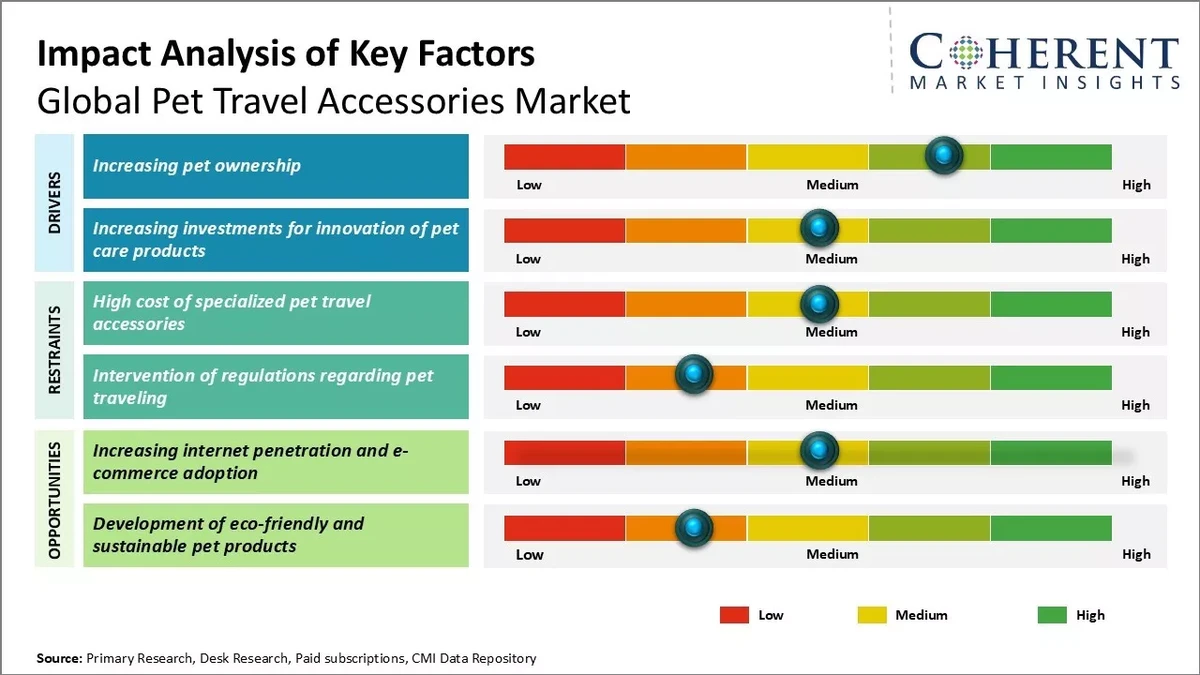
PawVerde.com – Eco-conscious pet travel in 2026 is increasingly recognized not only as a responsible choice but also as a practical approach that balances environmental sustainability with pet comfort. This trend reflects a broader shift in consumer behavior, with approximately 40% of travelers actively seeking sustainable travel options, including those involving their pets. By adopting sustainable transport methods such as private ground vehicles and integrating biodegradable pet products, pet owners can significantly reduce the carbon footprint associated with pet travel while supporting ethical pet care practices. The growing availability of eco-friendly pet carriers, vegan resorts, and private pet transport services underscores the feasibility and expanding market for sustainable pet travel.
Sustainable pet travel extends beyond transport to encompass a holistic approach that includes eco-conscious accommodations, biodegradable waste solutions, and ethical manufacturing of pet gear. Brands like TLK Pet Transport and Pet Releaf exemplify industry leaders driving this transformation through innovative products and services that prioritize sustainability without compromising on pet welfare. The rise of vegan hotels and resorts catering to pet owners further enhances the appeal of eco-conscious pet travel, creating experiences that align with environmentally aware lifestyles and support local conservation efforts.
Sustainable Transportation Options for Pets
Private ground transport has emerged as a preferred sustainable alternative to commercial flights for pet travel in 2026. Unlike air travel, which contributes significantly to carbon emissions, ground transport options such as electric or hybrid vehicles offer a lower environmental impact while providing door-to-door service. Companies specializing in private pet transport services deliver tailored travel experiences that prioritize pet comfort and safety, reducing stress and exposure to the broader logistical challenges of commercial airline pet travel.
Walking and local eco-friendly travel methods also contribute to sustainable pet transport, especially for short distances or urban environments. Encouraging walking or using public transit with pet-friendly policies can reduce reliance on carbon-intensive vehicles. Moreover, combining these methods with reusable travel gear and carriers made from recycled materials exemplifies integrated eco-conscious pet travel practices.
The environmental benefits of private pet transport extend beyond emissions reduction. By minimizing handling and transit time, these services reduce the risk of injury and disease transmission, improving overall animal welfare. This approach aligns with ethical standards increasingly demanded by consumers and advocates, demonstrating how sustainability and humane treatment intersect in modern pet travel.
Eco-Friendly Pet Travel Products and Gear
Investing in durable, recyclable pet carriers and travel accessories is a cornerstone of sustainable pet travel in 2026. Products crafted from recycled plastics or natural fibers like hemp and organic cotton reduce waste and reliance on virgin materials. Airlines increasingly approve such carriers, encouraging widespread adoption and reducing single-use plastic consumption associated with traditional pet travel gear.
Biodegradable poop bags and flushable cat litter have become standard for eco-conscious pet owners, mitigating the environmental harm caused by conventional plastic waste and chemical-laden litter products. Brands offering these products often emphasize natural ingredients and compostable materials, aligning with broader trends in sustainable pet parenting.
Non-toxic, long-lasting toys and beds made from natural rubber or recycled fabrics further support environmental goals while ensuring pet safety. For example, Pet Releaf’s natural rubber toys combine durability with biodegradability, reducing landfill contributions. These products exemplify ethical manufacturing practices that prioritize animal welfare alongside environmental responsibility.
The shift to reusable pet travel gear also minimizes resource consumption. Collapsible water bowls, washable bedding, and multipurpose carriers exemplify innovations that reduce waste and enhance convenience, underscoring the practicality of sustainable pet travel.
Eco-Conscious Accommodations and Destinations
Sustainable pet travel increasingly includes eco-conscious accommodations such as vegan resorts and green-friendly hotels that accommodate pets. These establishments adopt environmentally responsible practices including energy efficiency, waste reduction, and sourcing local, organic food options for both humans and pets. Salty Dog Vacations, for instance, offers pet-friendly travel packages that prioritize sustainable lodging and activities, supporting local conservation efforts while providing high-quality experiences.
Luxury eco-conscious travel experiences inclusive of pets are growing in availability. Resorts featuring green building certifications, solar power, and water conservation measures cater to discerning travelers seeking minimal environmental impact. These destinations often incorporate educational programs about local ecosystems, fostering awareness and engagement among guests.
Supporting local conservation and community-focused travel providers amplifies the positive environmental and social impact of pet travel. By choosing accommodations that contribute to habitat preservation or community development, pet owners align their travel choices with broader sustainability goals, enhancing the overall value of eco-conscious pet travel.
Environmental Impact and Ethical Considerations
Quantifying the carbon footprint of pet travel reveals significant opportunities for reduction through sustainable choices. Studies indicate that commercial pet air travel contributes disproportionately to individual travel emissions, whereas private ground transport and local travel alternatives can lower carbon output by up to 60%. The adoption of biodegradable pet products further mitigates pollution by reducing non-degradable waste accumulation.
Ethical manufacturing practices in pet product brands have advanced, with many companies adhering to strict sustainability certifications and animal welfare standards. These practices encompass the use of renewable raw materials, fair labor conditions, and transparent supply chains. Consumer demand for ethical products has incentivized brands to innovate in sustainable packaging and ingredient sourcing, fostering industry-wide shifts.
Consumer choice plays a pivotal role in driving sustainability in the pet travel industry. By prioritizing eco-friendly options, pet owners influence market trends and encourage broader adoption of green practices. This dynamic underscores the interconnection between individual responsibility and systemic change within the pet care sector.
Practical Tips for Pet Owners Considering Eco-Conscious Travel
Adopting sustainable pet travel practices requires a stepwise approach that balances environmental responsibility with pet comfort. Starting with simple measures such as selecting recyclable carriers and using biodegradable waste bags can make immediate impacts. Gradually incorporating private transport services and choosing eco-friendly accommodations further enhances sustainability.
Pet owners should evaluate travel gear based on durability, non-toxicity, and environmental certifications, avoiding disposable or synthetic products with high ecological costs. Researching and booking accommodations with verified green credentials ensures alignment with sustainability goals.
Staying informed about emerging sustainable pet care options, including plant-based pet food alternatives and natural health supplements, supports holistic eco-conscious pet parenting. Engaging with reputable sources such as PawVortex and PetMagasin provides ongoing education and practical insights.
Balancing pet comfort involves ensuring that sustainable products and services meet safety and welfare standards. Consulting with veterinarians and pet travel experts can help owners make informed choices that prioritize animal well-being alongside environmental concerns.
Future Outlook: The Growing Movement Towards Sustainable Pet Travel

Innovation continues to drive advances in sustainable pet travel, with emerging technologies such as electric pet transport vehicles and smart carriers designed to monitor pet health and comfort. These developments promise to reduce environmental impact while enhancing the travel experience.
Consumer behavior forecasts indicate increasing demand for eco-conscious pet travel options, with market research projecting a substantial growth in sustainable pet transport services and green product sales throughout the decade. Industry leaders anticipate broader integration of sustainability metrics in pet travel regulations and certification programs.
The ongoing expansion of vegan resorts and ethical pet brands reflects a mainstreaming of sustainable pet parenting, emphasizing progress and practical implementation over perfection. Collaborative efforts between pet care companies, conservation organizations, and travel providers are likely to accelerate the adoption of comprehensive sustainability standards.
As environmental concerns intensify globally, eco-conscious pet travel in 2026 represents a pragmatic and responsible approach that aligns with evolving consumer values and industry innovations, offering tangible benefits for pets, owners, and the planet.
Frequently Asked Questions

Is eco-conscious pet travel more expensive than traditional methods?
While some sustainable pet travel options such as private ground transport may have higher upfront costs compared to commercial flights, they often offer better value through enhanced pet safety, reduced stress, and environmental benefits. Investments in durable, recyclable gear also reduce long-term expenses by minimizing replacements.
Are biodegradable pet products as effective as conventional ones?
Yes, many biodegradable pet products, including poop bags and flushable litter, perform comparably to traditional items while offering superior environmental profiles. Advances in materials science have improved durability and usability, making them practical for everyday use.
How can I find eco-friendly pet accommodations?
Researching accommodations with recognized green certifications or sustainability commitments is essential. Platforms specializing in eco-conscious travel or pet-friendly vegan resorts can help identify suitable options. Reading reviews and verifying environmental claims ensures authenticity.
What are the main environmental benefits of private pet transport?
Private pet transport reduces carbon emissions by utilizing efficient ground vehicles and minimizing handling-related delays that often increase resource use. It also lowers the risk of injury and stress for pets, contributing to humane and sustainable travel practices.
Can sustainable pet travel practices be adopted for all types of pets?
Most sustainable pet travel practices are adaptable to various pet species, though specific needs vary. Consulting with veterinarians and specialized transport services can help tailor eco-conscious travel approaches to the requirements of different animals.
Eco-conscious pet travel in 2026 represents a mature and accessible option that addresses the environmental impact of pet ownership while enhancing animal welfare and owner satisfaction. As sustainable innovations proliferate and consumer awareness deepens, eco-friendly pet travel is poised to become a standard practice within the pet care and travel industries.
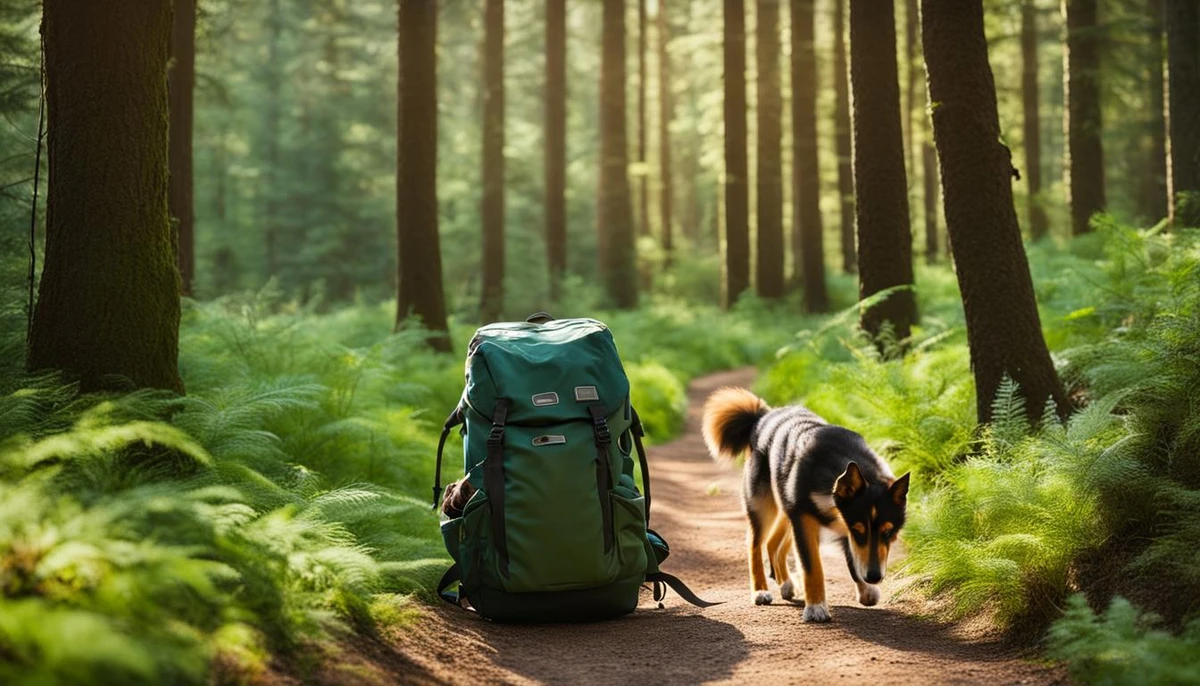
How to Travel Sustainably with Pets: Step-by-Step Guide
PawVerde.com – Traveling with pets sustainably requires deliberate choices to reduce environmental impact while maintaining pet comfort and safety. This tutorial guides eco-conscious pet owners through selecting sustainable gear, grooming on the go, waste reduction, green accommodations, low-carbon transportation, and natural health management. Applying these practical steps ensures your pet travels with minimal ecological footprint.
Selecting Sustainable Travel Gear for Your Pet
Choosing the right travel gear forms the foundation of eco-friendly pet travel. Begin by prioritizing durability and non-toxic materials to reduce waste and exposure to harmful chemicals.
Natural rubber and hemp toys offer longevity and biodegradability, reducing plastic waste common in synthetic products. Brands using these materials often avoid harmful dyes and additives, promoting safer play during travel.
Select pet carriers composed of recycled plastics or fabrics certified for environmental standards. These carriers reduce resource consumption and often feature breathable, lightweight designs that improve pet comfort without sacrificing sustainability.
Bring collapsible bowls made from silicone or stainless steel for water and food. For waste disposal, biodegradable poop bags made from plant-based polymers break down faster than conventional plastic, minimizing landfill contribution.
Choose items like durable leashes and harnesses made from recycled nylon or organic cotton that withstand repeated use. Multi-functional gear reduces the need to carry excess items, cutting down travel weight and waste.
Eco-Friendly Pet Grooming While Traveling
Maintaining pet hygiene sustainably on the road prevents environmental contamination and promotes pet health without harsh chemicals.
Before departure, bathe your pet with biodegradable, plant-based shampoos free from sulfates and parabens. These products rinse cleanly, reducing the risk of waterway pollution during subsequent outdoor activities.
Carry biodegradable grooming wipes infused with natural oils to clean dirt and allergens without water. Use brushes made from sustainably sourced wood or recycled plastics to remove loose fur and maintain coat health.
After travel, groom your pet thoroughly to remove any stuck debris and reduce allergen buildup, which can affect pet and owner health. Use natural conditioners and detanglers that avoid synthetic fragrances and chemicals.
Packing Smart: Reducing Waste and Stress
Efficient packing reduces environmental impact and eases travel logistics for you and your pet.
Replace disposable plastic bags and wraps with reusable fabric pouches or beeswax wraps for organizing pet essentials. These materials are washable and compostable, decreasing single-use waste.
Hydration supplies should minimize disposable plastic use. Collapsible silicone bowls and stainless steel water bottles are lightweight, durable, and easy to clean, making them ideal for travel.
Pack all-purpose eco-friendly pet-safe cleaners made from natural ingredients such as vinegar and essential oils. These reduce chemical exposure and allow quick cleanup without harming the environment.
Choosing Green and Pet-Friendly Accommodations
Selecting lodging that aligns with sustainable values enhances a responsible travel experience for you and your pet.
Look for accommodations with recognized environmental certifications such as LEED, Green Key, or EarthCheck that also welcome pets. These hotels demonstrate commitment to energy efficiency, waste reduction, and eco-friendly operations.
Crystalbrook Albion in Sydney exemplifies a pet-friendly hotel with sustainability initiatives including carbon footprint offsets, water-saving technologies, and waste diversion programs. Copenhagen offers several eco-conscious hotels combining pet amenities with green practices.
Green accommodations often provide amenities like pet waste stations with biodegradable bags, natural landscaping free of pesticides, and access to walking trails, improving both pet wellbeing and owner satisfaction.
Sustainable Transportation Options
Transportation choices heavily influence overall travel emissions. Incorporate low-carbon options wherever possible.
Walking and cycling emit zero carbon and offer exercise benefits for pets. Train travel reduces carbon emissions by approximately 66-75% compared to cars or planes, making it a superior sustainable choice when accessible.
| Transport Mode | Average CO₂ Emissions (kg per passenger km) | Pet Accessibility |
|---|---|---|
| Walking | 0 | High |
| Cycling | 0 | Moderate (depends on pet size) |
| Train | 0.014 | High (often pet-friendly carriages) |
| Car | 0.192 | High |
| Airplane | 0.254 | Limited (restricted pet policies) |
Map out travel itineraries that prioritize public transit and pedestrian pathways. Avoid peak traffic times to reduce emissions and stress for your pet. Reserve pet-friendly train compartments or buses in advance to ensure compliance.
Natural Health and Allergy Management on the Go
Managing pet health sustainably during travel reduces reliance on synthetic medications and minimizes environmental contamination.
Employ natural anti-inflammatory supplements such as omega-3 fatty acids, quercetin, or local honey to alleviate allergies. Consult veterinary guidance to integrate these safely.
Ensure balanced diets with organic or sustainably sourced pet food. Use herbal flea and tick repellents instead of chemical pesticides. Regular hydration and exercise during travel support overall wellbeing.
Supporting Eco-Friendly Pet Ownership Beyond Travel
Sustainability extends beyond travel to daily pet care practices and community engagement.
Adopting pets reduces demand for breeding operations, lowering environmental costs associated with pet production. Many shelters promote eco-friendly pet care education.
Incorporate biodegradable waste bags, natural grooming products, and durable toys made from recycled or natural materials into daily routines. These choices cumulatively reduce ecological footprints.
Participate in local pet waste clean-up initiatives and advocate for green pet policies. Sharing sustainable travel experiences can inspire others to adopt eco-conscious habits.
Common Mistakes and Troubleshooting in Eco-Friendly Pet Travel
Avoid bringing excess disposable items that increase waste. Focus on multi-use, durable products to streamline packing.
Research pet policies for public transit and accommodations beforehand to prevent last-minute issues or forced car travel.
Choose certified natural grooming supplies to avoid polluting waterways during outdoor cleaning.
Balance eco-friendliness with your pet’s safety and comfort; for example, ensure carriers meet size and ventilation standards.
Alternative Methods for Sustainable Pet Travel
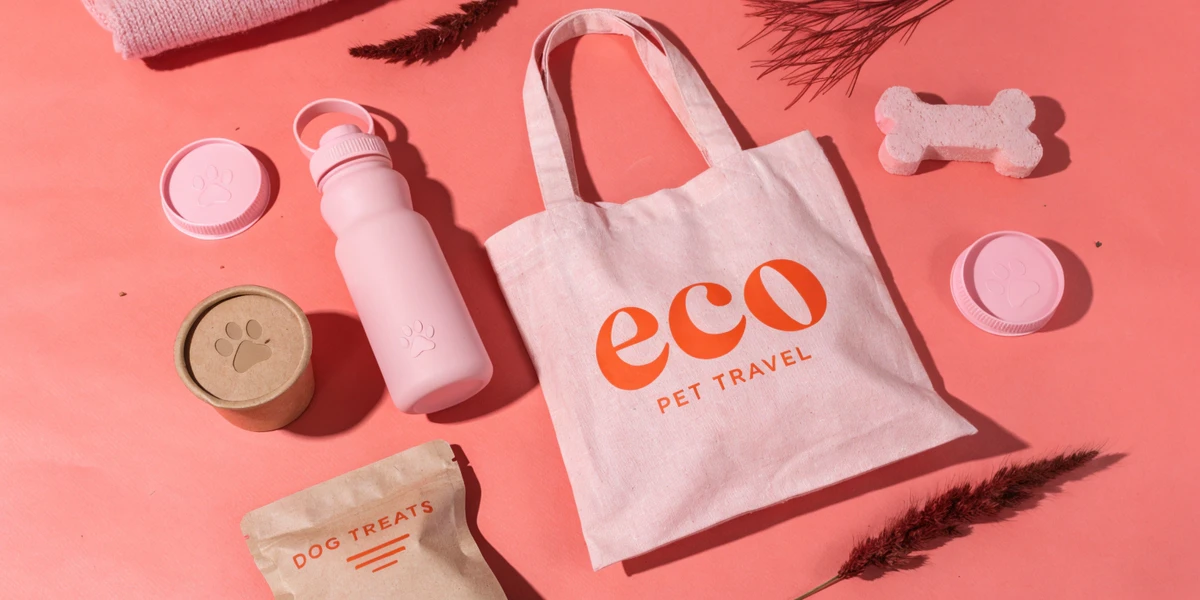
If traditional eco-friendly gear or accommodations are unavailable, consider:
FAQ
What are the best sustainable materials for pet travel gear?
Natural rubber, hemp, recycled nylon, and organic cotton are top sustainable choices due to their durability, biodegradability, and low environmental impact.
How can I minimize pet travel emissions if I must use a car?
Optimize your route to reduce driving distance, carpool when possible, use fuel-efficient vehicles, and combine errands to limit trips.
Are biodegradable poop bags truly better for the environment?
Yes, biodegradable bags made from plant-based materials break down faster in composting or landfill conditions, reducing plastic pollution compared to conventional bags.
Can pets stay in any eco-certified hotel?
Only those hotels that explicitly allow pets and hold eco-certifications can be considered green pet accommodations. Verify pet policies before booking.
How do I manage pet allergies naturally during travel?
Use veterinarian-approved natural supplements like omega-3 fatty acids and herbal remedies, maintain a clean environment, and avoid known allergens.
Traveling sustainably with your pet demands thoughtful preparation and adopting eco-conscious products, grooming, accommodations, and transportation. As environmental awareness grows, these practices will help reduce your pet’s carbon footprint while ensuring enjoyable and safe travel experiences.

Best Sustainable Pet Toys for Aggressive Chewers That Last
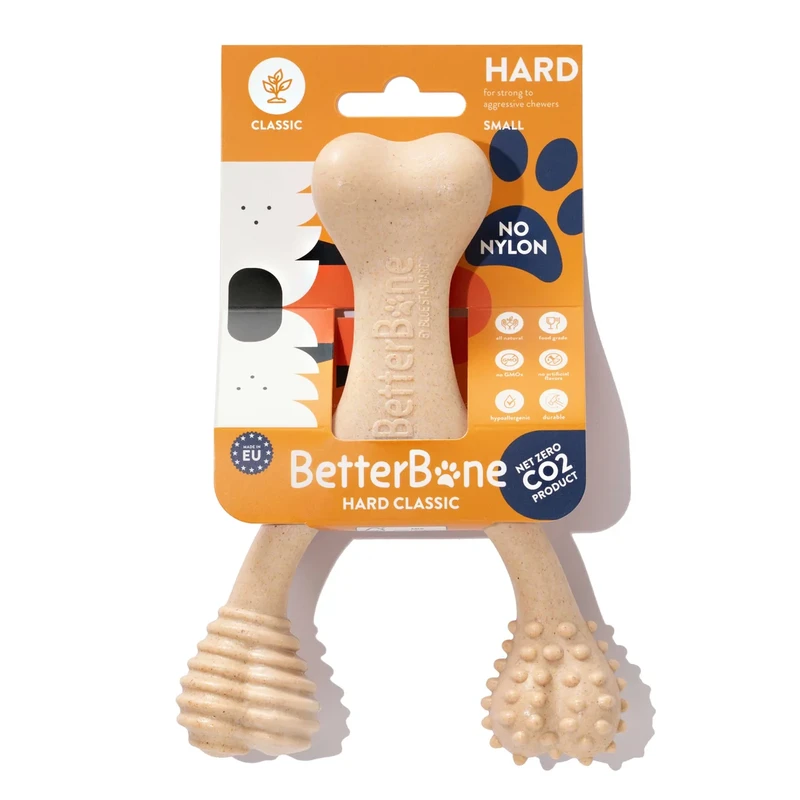
PawVerde.com – Sustainable pet toys for aggressive chewers must meet the dual demands of exceptional durability and environmental responsibility. Among numerous options, products like BetterBone stand out by combining natural, non-toxic ingredients with resilience against bite forces exceeding 3,500 PSI. These toys offer pet owners a solution that withstands heavy chewing without sacrificing eco-friendliness. Alongside BetterBone, brands such as Goughnuts, Ruff Dawg, West Paw, Bullymake, and Boba & Vespa provide a range of durable chew toys crafted from materials like natural rubber, organic cotton, hemp, and hypoallergenic synthetics, each tailored to meet the rigorous needs of strong-jawed dogs while minimizing environmental impact.
Aggressive chewers pose a significant challenge for pet owners seeking sustainable toys that do not degrade quickly or present safety risks. The best products balance chew resistance with safety certifications, ensuring they are free from toxins such as BPA, phthalates, and latex. Additionally, these toys often incorporate recyclable or biodegradable materials, aligning with growing consumer demand for eco-friendly pet products. Veterinary advisories from sources like Cityline Vet emphasize the importance of selecting chew toys that support dental health and mental stimulation without introducing harmful substances.
Durability and Safety: Core Characteristics of Sustainable Toys for Aggressive Chewers
Durability remains paramount when selecting chew toys for dogs with strong bite forces. Effective toys must resist punctures, tearing, and degradation from continuous chewing and exposure to environmental factors like moisture and temperature changes. BetterBone, for example, demonstrates resilience to bite pressures over 3,500 PSI, maintaining structural integrity under extreme conditions including harsh weather. Similarly, Goughnuts’ MAXX Pro 50 Ring and Ruff Dawg’s Rough Ball utilize heavy-duty rubber compounds engineered for toughness, often backed by lifetime guarantees that reflect confidence in their longevity.
Safety considerations extend beyond durability to include material composition and hypoallergenic properties. The best sustainable chew toys avoid toxic additives, employing materials certified free of BPA, latex, and phthalates. West Paw’s Zogoflex line exemplifies this approach, utilizing recyclable, non-toxic plastics that meet stringent safety standards. Organic fibers—such as cotton, hemp, and wool—serve as hypoallergenic alternatives, reducing the risk of allergic reactions while providing natural chew resistance. Bullymake’s subscriber-tested nylon and rubber toys offer additional vet-approved options designed to withstand extreme chewing without splintering or shedding harmful particles.
Environmental benefits of sustainable pet toys derive from their material sourcing and end-of-life disposal. Biodegradable components like organic cotton and hemp ropes decompose naturally, lessening landfill impact. Recyclable plastics such as West Paw’s Zogoflex contribute to circular economies by enabling reuse and reducing resource extraction. Brands committed to sustainability often obtain eco-certifications, ensuring compliance with environmental standards and providing transparency for conscientious consumers.
Leading Sustainable Materials in Durable Chew Toys
Natural rubber remains a cornerstone material for chew toys designed to resist aggressive chewing while aligning with sustainability goals. Extracted from rubber trees, this renewable resource offers elasticity, durability, and biodegradability. Goughnuts and Ruff Dawg harness natural and synthetic rubber blends to optimize toughness, often incorporating safety features like chew indicators that signal when replacement is necessary.
Synthetic alternatives like West Paw’s proprietary Zogoflex material deliver durability comparable to rubber but with enhanced recyclability and chemical safety. This material is free from harmful additives such as BPA, latex, and phthalates, addressing common health concerns. West Paw also emphasizes its closed-loop recycling program, encouraging pet owners to return used toys for remanufacturing.
Organic cotton and hemp fibers provide hypoallergenic, biodegradable options for rope and tug toys. Brands like Boba & Vespa utilize organic cotton ropes available in multiple sizes to accommodate different dog breeds and chewing intensities. Hemp, known for its tensile strength and resistance to mold and UV degradation, is increasingly popular in sustainable pet products due to its minimal environmental footprint and natural durability.
Wool, another renewable fiber, is used primarily in tug toys where softness complements durability. Its natural lanolin content offers antimicrobial properties, and wool’s biodegradability aligns with eco-conscious consumer preferences. While not suitable for heavy chewers prone to ingestion risks, wool toys provide safe, natural options for moderate chewers seeking interactive play.
Nylon chew toys present a durability versus sustainability trade-off. While nylon offers exceptional chew resistance and longevity—validated by Bullymake’s subscriber testing—it is a synthetic polymer with limited biodegradability. Some manufacturers address this by sourcing nylon variants with reduced environmental impact or incorporating recycling initiatives. However, pet owners prioritizing fully natural materials may prefer alternatives like BetterBone or organic fiber toys.
Top Brands and Products Tailored for Aggressive Chewers
BetterBone’s chew toys stand out for their minimalist ingredient list—typically two natural components—and robust performance under extreme bite forces exceeding 3,500 PSI. Their weather-resistant formulation ensures longevity outdoors, and user testimonials frequently highlight their durability and hypoallergenic properties. BetterBone’s focus on non-toxic, eco-certified ingredients positions them as a leader in sustainable pet toys designed for aggressive chewers.
Goughnuts’ MAXX Pro 50 Ring combines heavy-duty rubber with patented safety features, including a chew indicator that reveals when the toy requires replacement, reducing ingestion risks. The company’s lifetime guarantee underscores product confidence, appealing to owners of dogs with destructive chewing habits. Ruff Dawg’s Rough Ball and Dawg-Cube extend the heavy-duty rubber category, offering vibrant color options and shapes that promote engagement while enduring intense chewing.
West Paw’s Zogoflex line prioritizes recyclability and chemical safety. Vet endorsements from Cityline Vet and others validate the material’s hypoallergenic nature and dental benefits. West Paw’s recycling program encourages sustainability beyond the product’s lifespan, creating a closed-loop system rarely seen in pet toy manufacturing.
Bullymake provides nylon and rubber toys rigorously tested by a community of subscribers with aggressive chewers. This user-driven feedback informs product development, ensuring toys meet high durability standards. Despite nylon’s synthetic nature, Bullymake emphasizes safety and longevity, offering specialized options for extreme chewers.
Boba & Vespa specializes in organic cotton rope toys available in multiple sizes to accommodate various breeds. Their products emphasize natural materials and eco-friendly dyes, catering to owners seeking sustainable alternatives for moderate to heavy chewers. These toys complement the broader ecosystem of sustainable pet products with a focus on natural fibers.
Supporting Canine Health and Wellbeing Through Chew Toys
Chew toys contribute significantly to dental health by mechanically reducing plaque and tartar buildup during chewing. Durable materials that resist quick fragmentation prevent ingestion of hazardous pieces, promoting safer oral hygiene routines. Vet-recommended toys like those from West Paw and Goughnuts support this function by combining chew resistance with texture optimized for cleaning teeth.
Beyond physical health, chew toys facilitate stress relief and mental stimulation. Aggressive chewers often exhibit anxiety or boredom, which durable interactive toys can mitigate. Puzzle-based chew toys and treat-dispensing variants designed for tough chewers engage cognitive functions while satisfying chewing instincts, reducing destructive behaviors.
Interactive options, including tug toys crafted from organic cotton or hemp, encourage social bonding and exercise. These toys balance sustainability with functionality, providing mental and physical enrichment essential for canine wellbeing.
Guidelines for Selecting Sustainable Toys for Aggressive Chewers
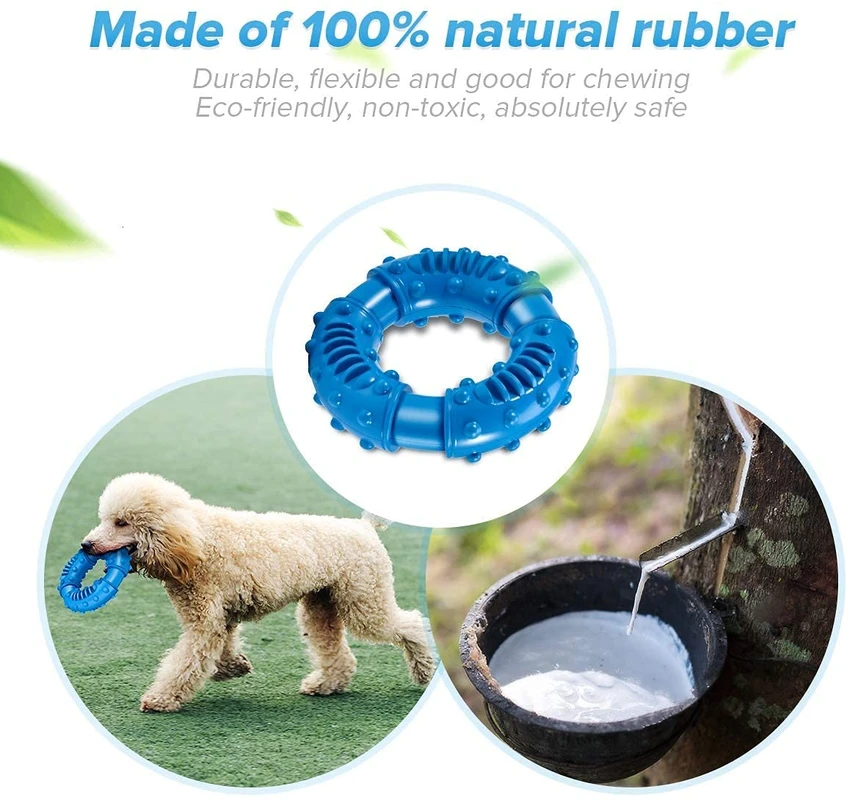
Selecting the appropriate sustainable chew toy requires matching product attributes to a dog’s chewing behavior and intensity. For heavy chewers, toys made from natural rubber or synthetic materials like Zogoflex and nylon offer necessary resilience. Moderate chewers may benefit from organic cotton or hemp ropes and wool-based tug toys.
Size and shape considerations impact safety; toys must be large enough to prevent choking hazards but manageable for the dog’s mouth. Shapes that discourage swallowing or breakage reduce ingestion risks. Monitoring wear is critical; toys exhibiting cracks, tears, or exposed inner materials should be replaced promptly to avoid health complications.
Owners should prioritize toys with certifications verifying non-toxicity and hypoallergenic properties. Brands offering replacement or recycling programs further support sustainability goals by reducing waste. Engaging veterinary advice and user reviews enhances informed decision-making tailored to individual dogs.
Frequently Asked Questions
What materials are best for durable, eco-friendly dog chew toys?
Durable, eco-friendly dog chew toys commonly use natural rubber, organic cotton, hemp, and recyclable synthetic materials like West Paw’s Zogoflex. These materials balance chew resistance with environmental sustainability and safety.
Are nylon chew toys safe and sustainable for aggressive chewers?
Nylon chew toys are highly durable and generally safe when designed for extreme chewing, as demonstrated by Bullymake’s tested products. However, nylon is a synthetic polymer with limited biodegradability, making it less sustainable than natural fiber alternatives.
How do sustainable chew toys support my dog’s dental health?
Sustainable chew toys mechanically reduce plaque and tartar buildup through chewing action. Textured surfaces on durable toys promote cleaning, while non-toxic materials prevent ingestion of harmful substances, supporting overall oral hygiene.
Can aggressive chewers safely use rope toys made from organic cotton or hemp?
Rope toys made from organic cotton or hemp are hypoallergenic and biodegradable, suitable for moderate chewers. Aggressive chewers should be supervised to prevent ingestion of fibers, and worn toys should be replaced promptly to maintain safety.
What should I look for when choosing sustainable toys for my dog?
Key factors include material durability, non-toxicity, hypoallergenic certification, size appropriate for your dog’s breed, and the brand’s environmental commitments such as recycling programs or organic sourcing.
Sustainable pet toys designed for aggressive chewers continue to evolve, integrating advanced materials science with environmental stewardship. Future innovations will likely expand use of biodegradable polymers and closed-loop manufacturing, further reducing ecological footprints while meeting the demanding needs of strong-jawed dogs. Pet owners prioritizing both durability and sustainability can expect increasingly diverse, safe, and effective options to support their pets’ wellbeing without compromising planetary health.