

Recycled Plastic Pet Toys: Safety and Sustainability Guide
PawVerde.com – Recycled plastic pet toys are a sustainable alternative to traditional plastics, but their safety depends on material quality. While brands like West Paw and Cycle Dog offer durable, non-toxic options, owners must distinguish between food-grade recycled materials and low-quality plastics that may leach chemicals or shed harmful microplastics.
An estimated 634 million dog toys end up in U.S. landfills every year, contributing to a massive 40,500-ton plastic waste problem.
The Greenwashing Detection Checklist: Is Your Toy Truly Sustainable?
To avoid greenwashing, check if a toy is ‘made from 100% recycled material’ versus merely ‘containing recycled content.’ Look for food-grade certifications to ensure recycled plastics aren’t industrial waste, and verify if the brand offers a take-back program or uses materials that are actually curbside recyclable.
Consumers must look beyond marketing to find real environmental impact. For example, using recycled materials in pet products can cut manufacturing-related emissions by up to 50%. Evaluate products by checking if a brand relies on a small amount of recycled content or if they utilize significant quantities, such as the 16 million bottles recycled into IntelliLoft® fiber and fill.
- Material Percentage: Distinguish between products made from 100% recycled materials and those that merely incorporate a fraction of recycled content.
- Grade of Plastic: Verify if the manufacturer uses food-grade recycled plastics rather than industrial-grade waste, which may carry higher chemical risks.
- End-of-Life Capability: Determine if the toy uses materials like the No. 7 plastic utilized by Project Hive, which is recyclable, or if it requires specialized disposal.
- Certification and Transparency: Look for brands that provide specific data on their manufacturing-related emission reductions, which can reach up to 50% when using recycled materials.
Food-grade vs. Industrial-grade plastics
The distinction between these two categories is a critical safety factor. Industrial-grade recycled plastics are often sourced from manufacturing scraps and may contain residues from the original production process. Conversely, food-grade plastics are processed to meet strict safety standards, ensuring they are safe for contact with living beings. Using poorly processed recycled plastics can lead to structural failure under heavy chewing, creating immediate choking hazards.
The Bioplastic Trap
Many bioplastic items contain the same harmful chemicals as conventional plastics and require industrial composting to break down. Because most municipal waste systems cannot handle these materials, bioplastic toys often end up in landfills despite their “natural” marketing.
Durability Tier List: Best Recycled Brands for Every Chewer
Selecting a toy requires matching the material’s physical properties to the pet’s chewing habits. Manufacturers like West Paw have demonstrated significant scale in this sector, having recycled 140,000 pounds (about $187.2 thousand) of Zogoflex material as of 2020.
| Brand | Primary Material | Chew Intensity | End-of-Life Path |
|---|---|---|---|
| West Paw | Zogoflex | Heavy Duty | Brand Take-Back (Join the Loop) |
| Cycle Dog | Upcycled Textiles/Bottles | Moderate | Landfill/Recycling Dependent |
| Beco Pets | Bamboo & Recycled Plastic | Light/Moderate | Compostable/Recyclable |
| Project Hive | No. 7 Recyclable Plastic | Moderate | Curbside Recyclable |
The table above compares the primary durability and disposal methods for leading sustainable pet brands.
Heavy Duty: The Zogoflex Advantage
For power chewers, West Paw’s Zogoflex is a leading choice. Each Zogoflex dog toy contains 19% recycled content, providing a balance between environmental responsibility and extreme durability. This material is specifically engineered to withstand intense pressure without the rapid degradation seen in cheaper alternatives.
Moderate Chewers: Upcycled Textiles
Cycle Dog focuses on transforming waste into functional products. Most Cycle Dog toys are filled with upcycled materials, specifically recycled plastic water bottles. These products offer a middle ground for dogs that prefer soft or textured play rather than hard biting. You can see how Cycle Dog transforms waste into fun by visiting their official website.
Light Play: Bamboo and Soft Recycled Fill
Beco Pets utilizes bamboo byproducts alongside recycled plastics to create lighter, more tactile toys. These are ideal for smaller breeds or older dogs. Additionally, manufacturers like Multipet provide various recycled options that cater to a wide range of play styles, from soft squeakers to textured chewers.
Microplastic Risk Assessment: Material Safety Breakdown
Microplastic risk varies by material: Natural rubber is the safest as it is biodegradable. Recycled molded plastics (like Zogoflex) have lower shedding risks than recycled synthetic textiles (polyester/nylon), which can shed microfibers that pets may inhale during play.
A UK study noted that 70% of mass-produced dog toys contain harmful microplastics. This poses a significant health concern, particularly regarding inhalation and ingestion. The risk profile changes depending on whether the toy is a solid molded object or a fabric-based item.
| Material Type | Microplastic Risk | Primary Concern |
|---|---|---|
| Natural Rubber | Very Low | Biodegradable and non-toxic |
| Molded Recycled Plastic | Low | Structural shedding if damaged |
| Recycled Polyester/Nylon | High | Inhalation of microfibers |
| Synthetic Acrylics | High | Fiber shedding and inhalation |
Artificial fibers, including polyester, nylon, and acrylics, pose specific health risks. As these materials wear down, they shed microfibers that pets may inhale. To mitigate this, owners should prioritize natural fibers like cotton, wool, or hemp, which are gentler and avoid the inhalation risks associated with synthetics.
The End-of-Life Plan: Where Does the Toy Go Next?
Sustainability is defined by the ultimate destination of the product. A toy that is “recyclable” but ends up in a landfill because no facility accepts it does little to solve the 40,500-ton waste problem.
To ensure a purchase contributes to a circular economy, owners should select specific disposal pathways. These include participating in brand-led initiatives or using materials compatible with existing infrastructure.
- Closed-Loop Programs: West Paw offers the “Join the Loop” program, where customers can mail back used toys to be recycled into brand new ones.
- Curbside Recyclable: Products like those from Project Hive use No. 7 plastic, which is designed to be compatible with certain recycling streams.
- Industrial Composting: Some bioplastics require specific industrial composting facilities to break down effectively.
- Repurposing (DIY): If a toy is still structurally sound but no longer “fun,” it can be repurposed. For example, you can turn worn-out socks into tug toys, provided they are washed thoroughly first.
Maintenance & Hygiene: Cleaning Your Eco-Friendly Toys
Proper cleaning is essential to prevent material degradation while maintaining hygiene. For example, Honest Pet Products uses azo-free dyes to ensure safety, but the choice of cleaning agent can still impact the longevity of the polymer or fabric.
Warning: Avoid using strong detergents, bleach, or highly acidic cleaners on upcycled or DIY toys. These substances can degrade the material or leave behind chemical residues that are harmful if ingested or inhaled.
For molded plastics, a simple wash with mild, non-toxic soap and warm water is typically sufficient. For textile-based toys, such as those using eco-fiberfill, ensure they are dried completely to prevent mold growth within the recycled stuffing.
FAQ
Are recycled plastic toys safe for heavy chewers?
Safety depends on the polymer. Molded recycled plastics like Zogoflex are designed for durability, but poorly processed recycled plastics can break under heavy chewing, creating choking hazards. Always inspect toys for cracks or small pieces that may have broken off during play.
Can I recycle a recycled pet toy in my home bin?
Not always. While some materials like No. 7 plastic are recyclable, many eco-toys (especially bioplastics) require industrial composting or brand-specific take-back programs like West Paw’s Join the Loop. Check the specific material type before placing it in your curbside bin.
What is the safest material for a teething puppy?
Sustainably harvested rubber offers a durable, non-toxic, and biodegradable alternative to synthetic plastics. This material helps avoid the risks of leaching chemicals like BPA or phthalates.
Conversions use a rate of 1 GBP = $1.34 as of July 9, 2026; rates may change.
Eco-Friendly Dog Toys in 2026: Safe, Sustainable, Durable Options
PawVerde.com – Eco-friendly dog toys in 2026 embody a strategic fusion of sustainability, safety, and durability, reflecting shifting consumer priorities towards environmentally responsible pet care. Leading brands such as West Paw, Pet Life, and Green Toys have innovated with materials like organic plush fabrics, natural rubber, and recycled plastics, offering durable and non-toxic options that fulfill both ecological commitments and pet safety standards. These products are increasingly accessible through specialized online marketplaces, providing consumers with transparent information on certifications and material origins to support informed purchasing decisions.
Consumers seeking eco-conscious dog toys today can expect a range of products made from BPA-free, phthalate-free materials such as West Paw’s Zogoflex and Green Toys’ 100% recycled milk container plastics. Plush toys incorporating natural fibers like jute and wool are gaining traction as biodegradable alternatives to synthetic options. These eco-friendly dog toys not only reduce plastic waste but also promote dogs’ physical and mental well-being by offering safe, lasting play experiences. Expert evaluations and long-term user feedback further establish the reliability of these sustainable pet products.
Key Materials Driving Sustainability in Dog Toys
The foundation of eco-friendly dog toys rests on materials that minimize environmental impact without compromising safety or durability. Organic plush fabrics, often sourced from natural fibers such as jute and wool, provide biodegradable alternatives to traditional synthetic plush toys. Brands like Pet Life have successfully integrated natural jute fibers into their plush collections, appealing to consumers prioritizing organic content.
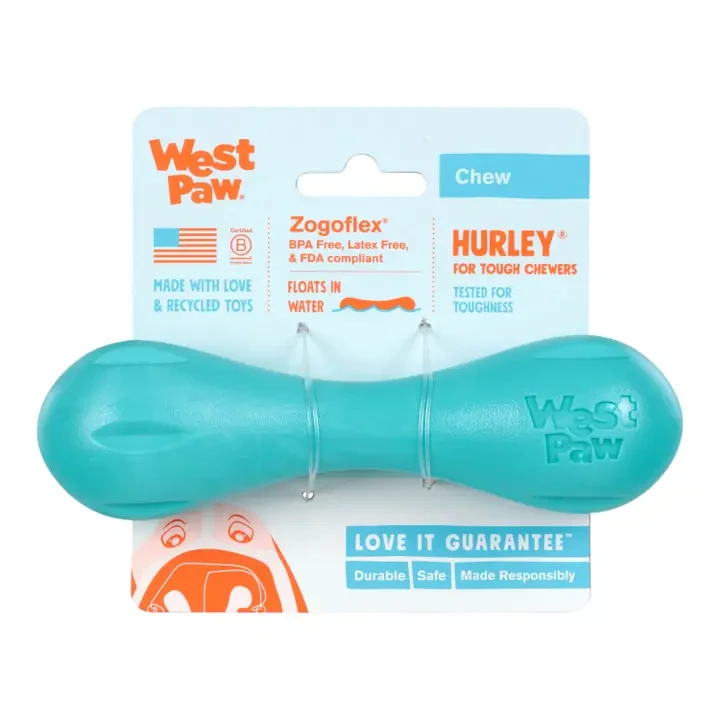
Natural rubber and recycled rubber serve as critical materials in durable chew toys, addressing concerns over synthetic chemical exposure while ensuring resilience against aggressive chewing. West Paw’s Hurley Dog Bone exemplifies this innovation, utilizing Zogoflex, a proprietary, BPA- and phthalate-free non-toxic material renowned for its durability and safety. This material’s recyclability further extends the product’s life cycle, aligning with circular economy principles.
Recycled plastics, particularly those deriving from post-consumer waste such as milk containers, have transformed traditional plastic dog toys. Green Toys’ EcoSaucer frisbee is a prominent example, manufactured entirely from recycled plastic milk jugs. This approach diverts significant plastic waste from landfills and oceans, contributing to pollution reduction. Certification standards for these materials increasingly emphasize chemical safety, requiring BPA-free and phthalate-free assurances to prevent harmful exposure to pets.
Leading Brands and Their Sustainable Toy Collections
West Paw leads the market with its focus on Zogoflex technology that combines durability and non-toxicity, making the Hurley Dog Bone a benchmark for long-lasting chew toys. This product has undergone extensive testing, demonstrating resistance to punctures and tears, which reduces the frequency of replacement and waste generation. West Paw also provides a recycling program for worn-out toys, reinforcing its commitment to sustainability.
Pet Life emphasizes the use of organic and natural fibers in its plush toy lines, integrating jute to produce soft yet eco-conscious options. These toys appeal to pet owners seeking natural alternatives without sacrificing comfort or engagement.
Diverse collections from P.L.A.Y., Multipet, and Green Toys expand the eco-friendly toy landscape with offerings ranging from biodegradable plush to recycled plastic frisbees and rubber chew toys. P.L.A.Y.’s Recycled Collection utilizes recycled fabrics and stuffing, while Multipet delivers natural rubber bones and jute-based playthings. Smaller niche brands such as Pata Pal and Cycle Dog Toys focus on recycled ocean-bound plastics and natural fibers, combining environmental advocacy with innovative product design. BetterBone targets durable, natural chew toys made from sustainably sourced materials, catering to dogs with high chewing demands.
Environmental and Health Benefits of Eco-Friendly Dog Toys
Eco-friendly dog toys contribute significantly to reducing plastic waste and environmental pollution. By utilizing recycled plastics, organic fibers, and natural rubber, these products lessen the demand for virgin synthetic materials, mitigating resource depletion and greenhouse gas emissions associated with plastic production. The incorporation of biodegradable components further ensures reduced landfill persistence, addressing one of the pet industry’s environmental challenges.
Health-wise, non-toxic materials prevent the leaching of harmful chemicals such as BPA, phthalates, and heavy metals. This is crucial given that dogs often chew and ingest small fragments of toys. Brands adhering to strict safety certifications provide peace of mind to pet owners concerned about chemical exposure. Additionally, durable construction reduces the risk of choking hazards from broken toy pieces, enhancing overall pet safety.
Beyond environmental and health advantages, eco-friendly dog toys support dogs’ mental and physical stimulation. Durable chew toys and interactive plush toys promote healthy chewing behavior and alleviate boredom, which can reduce destructive tendencies. These benefits align with expert recommendations from animal behaviorists like Patricia McConnell, who advocates for safe, varied play options that respect both animal welfare and environmental consciousness.
Where and How to Purchase Eco-Friendly Dog Toys Online in 2026
The availability of eco-friendly dog toys online has expanded significantly, with multiple specialized retailers and marketplaces offering curated selections. Leading online platforms include brand-specific websites such as West Paw and Green Toys, alongside eco-conscious pet product retailers that aggregate sustainable options from various makers.
Price ranges for eco-friendly dog toys vary from approximately $10 for smaller organic plush toys to $40 or more for durable rubber chew toys or frisbees made from recycled plastics. Consumers benefit from bundles and eco-friendly toy sets that provide a mix of materials and play styles, often at discounted rates, promoting sustainable purchasing patterns.
When shopping online, consumers should scrutinize product descriptions for material certifications, such as BPA-free, phthalate-free, and recycled content percentages. Customer reviews often provide insights into real-world durability and safety, helping buyers assess suitability for specific dog breeds and chewing behaviors. Transparency regarding manufacturing processes and environmental commitments further guides informed decisions.
Consumer Experiences and Expert Insights on Sustainable Dog Toys
Long-term user feedback consistently highlights the durability of West Paw’s Hurley Dog Bone, with many pet owners reporting sustained use exceeding several months even under heavy chewing conditions. This durability reduces the environmental burden associated with disposable or short-lived toys.
Patricia McConnell, a recognized expert in animal behavior, endorses selecting toys that align with dogs’ natural instincts while prioritizing safety and environmental responsibility. She recommends varied toy types—plush, chew, and interactive—to meet diverse needs, emphasizing that non-toxic, sustainably sourced products support both animal health and ecological stewardship.
Testimonials from pet owners emphasize the satisfaction derived from contributing to environmental conservation through their purchasing choices. Many report improved pet engagement and reduced waste generation, reinforcing the practical advantages of eco-friendly dog toys.
Emerging Trends and Future Directions in Eco-Friendly Pet Toys
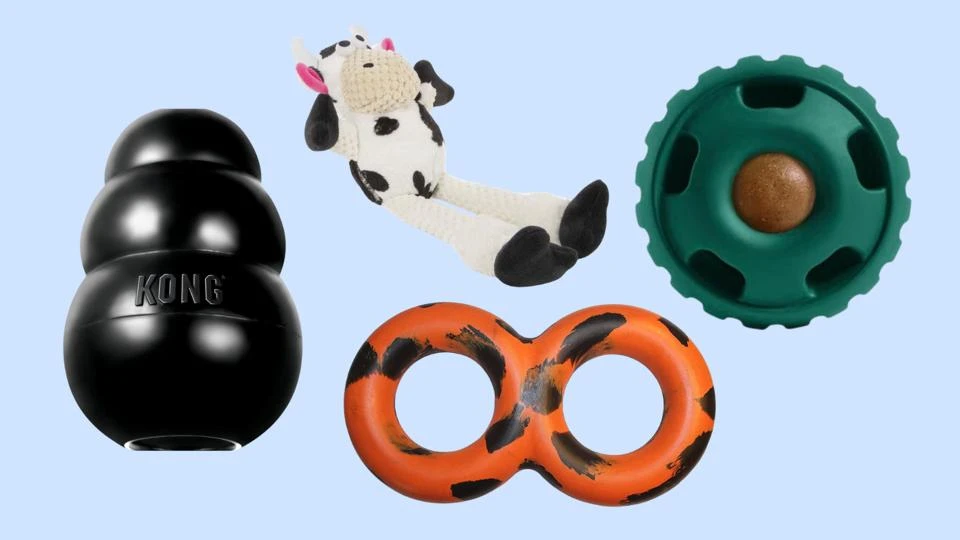
Innovation in biodegradable and recyclable materials continues to accelerate, with research focused on plant-based polymers and enhanced natural fiber composites that offer superior durability and environmental profiles. Brands are increasingly integrating sustainability across broader product lines beyond toys, including collars, bedding, and feeding accessories.
Consumer awareness and environmental advocacy are expected to drive stricter regulatory standards for chemical safety and sustainability claims, promoting transparency and accountability within the pet product industry. Emerging technologies such as blockchain for supply chain transparency may further empower consumers to verify eco-friendly credentials.
The rising demand for eco-conscious pet toys is also fostering collaborations between manufacturers and environmental organizations, facilitating initiatives like ocean plastic recovery programs and circular product life cycles. These efforts signal a future where sustainable pet products become the norm rather than the exception.
| Brand | Material Focus | Notable Products | Sustainability Features | Price Range (USD) |
|---|---|---|---|---|
| West Paw | Zogoflex recycled rubber | Hurley Dog Bone | BPA- and phthalate-free, recyclable, durable | $20 – $40 |
| Pet Life | Natural jute plush | Jute Plush Toys | Organic fibers, biodegradable | $10 – $25 |
| Green Toys | Recycled milk container plastic | EcoSaucer Frisbee | 100% recycled plastic, non-toxic | $15 – $30 |
| P.L.A.Y. | Recycled fabrics and stuffing | Recycled Collection Plush | Recycled materials, eco-friendly packaging | $20 – $35 |
| Multipet | Natural rubber, jute fibers | Natural Rubber Bones | Biodegradable components, durable | $15 – $30 |
| Pata Pal | Recycled ocean-bound plastic | Eco-Friendly Chew Toys | Ocean plastic recovery, non-toxic | $20 – $40 |
Frequently Asked Questions
What materials are safest for eco-friendly dog toys?
Eco-friendly dog toys made from BPA-free, phthalate-free natural rubber, organic plush fabrics like jute and wool, and recycled plastics certified safe for pets are considered safest. These materials avoid toxic chemicals and reduce environmental impact.
Are recycled plastic dog toys durable enough for heavy chewers?
Yes, brands like West Paw use durable recycled rubber materials such as Zogoflex designed to withstand heavy chewing. Recycled plastic toys from reputable brands also undergo testing to ensure resilience and safety.
Where can I buy trusted eco-friendly dog toys online?
Trusted eco-friendly dog toys can be purchased directly from brand websites such as West Paw and Green Toys, as well as through specialized eco-conscious pet retailers and marketplaces that verify sustainability claims and customer reviews.
How do eco-friendly dog toys benefit my pet’s health?
They reduce exposure to harmful chemicals commonly found in synthetic toys, lowering risks of toxicity and allergic reactions. Durable, non-toxic toys also prevent choking hazards and support healthy chewing habits.
What should I look for when choosing sustainable dog toys?
Look for clear material disclosures, certifications indicating non-toxicity (BPA-free, phthalate-free), durability claims, customer feedback on longevity, and brand commitments to recycling or biodegradable product design.
As consumer demand for sustainability in pet care grows, eco-friendly dog toys in 2026 represent a convergence of environmental responsibility, pet safety, and product innovation. The expanding availability of durable, non-toxic options from trusted brands empowers pet owners to make purchasing decisions that benefit both their dogs and the planet. Future developments in biodegradable materials and supply chain transparency promise to enhance these benefits, signaling a robust market evolution centered on sustainable pet wellness.
Top Eco-Friendly Pet Toy Brands Reviewed for Safety & Sustainability
PawVerde.com – Consumer demand for eco-friendly pet toys has surged significantly in 2026, driven by heightened awareness of environmental sustainability and pet health safety. The market now features an array of products crafted from sustainable materials such as recycled plastics, organic cotton, natural rubber, and hemp fibers. Leading brands emphasize durability, non-toxicity, and comprehensive certifications to assure pet owners that their purchases minimize ecological impact while safeguarding animal wellbeing. This review examines the foremost eco-friendly pet toy brands, their material innovations, and how their products align with evolving standards in sustainability and safety.
Leading Eco-Friendly Pet Toy Brands and Their Sustainable Offerings
West Paw stands at the forefront of sustainable pet toy manufacturing with its proprietary Zogoflex material, an infinitely recyclable plastic that combines resilience with environmental responsibility. Their IntelliLoft® fiber used in pet beds derives from recycled plastic bottles, reducing landfill waste and promoting circular economy principles. West Paw holds B-Corp certification, underscoring its commitment to rigorous social and environmental performance standards. User reviews highlight superior durability, with toys enduring aggressive chewers without breaking down or releasing microplastics.
Nina Woof specializes in organic cotton squeaky toys, designed primarily for small to medium-sized dogs. Their products are manufactured in the USA, ensuring stringent quality control and labor standards. The use of GOTS-certified organic cotton guarantees the absence of harmful pesticides and synthetic fertilizers, contributing to safer play experiences for pets and reduced environmental toxins. Pet owners report high satisfaction with softness and non-toxicity, affirming Nina Woof’s reputation for combining safety with sustainability.
Rocket & Rex offers rope dog toys crafted from natural cotton and fabric blends that support dental hygiene. The intertwined cotton fibers act as floss, reducing plaque buildup during chewing sessions. Their range includes durable cotton ropes and natural fabric toys free from synthetic dyes, appealing to pet owners seeking chemical-free options. The company emphasizes oral health benefits alongside eco-conscious sourcing, a dual advantage in the sustainable pet toy market.
Beco Pets integrates natural rubber and bamboo into their toys and pet bowls, with many products being fully compostable. Natural rubber sourced sustainably provides elasticity and robustness without the environmental burden of synthetic polymers. Bamboo, a fast-growing renewable resource, is incorporated in chew toys and bowls for its biodegradability and antimicrobial properties. Beco Pets also incorporates plant-based dyes, avoiding harmful chemical colorants, and holds certifications for cruelty-free production.
Harry Barker exemplifies luxury sustainability with organic pet beds made from GOTS-certified cotton and hemp fibers. Their hemp materials are pesticide-free and require minimal irrigation, reducing the environmental footprint compared to conventional cotton. These beds combine comfort with rigorous organic standards, appealing to environmentally conscious pet owners who prioritize premium quality. Harry Barker’s products undergo strict certification processes to ensure adherence to organic textile regulations.
Materials and Sustainability Features Driving the Market
The use of recycled plastics, including PET bottles, underpins the circular economy approach embraced by brands like West Paw. Their infinite recycling program enables consumers to return worn-out toys for reprocessing, reducing landfill contributions and resource consumption. This closed-loop system exemplifies innovation in sustainable product lifecycle management.
Organic cotton and hemp fibers present notable advantages in durability and environmental impact. Organic cotton cultivation avoids synthetic pesticides and fertilizers, reducing soil and water contamination. Hemp, valued for its rapid growth and low resource needs, offers a biodegradable alternative to synthetic fibers without compromising strength. Both materials are increasingly favored in plush toys, beds, and rope products.
Natural rubber serves as a non-toxic, plant-based alternative to synthetic elastomers. Sourced from rubber trees cultivated with sustainable forestry practices, this material ensures biodegradability while maintaining chew resistance. It also circumvents the release of harmful microplastics common with petroleum-based rubbers.
Plant-based dyes and biodegradable stuffing materials such as coconut fiber and organic catnip enhance the environmental profile of pet toys. These natural components avoid synthetic chemical residues that can be harmful to pets and ecosystems. Biodegradable stuffing also facilitates composting at the end of the product lifecycle.
Certifications play a critical role in validating sustainability claims. B-Corp certification mandates transparent supply chains and measurable environmental impact reductions. GOTS Organic certification verifies adherence to stringent organic textile processing standards. FDA compliance ensures pet products meet safety criteria, particularly relevant for chew toys and ingestible components.
Durability and Safety Considerations in Eco-Friendly Pet Toys
Durability ratings are essential for assessing the suitability of eco-friendly toys for various pet sizes and chewing intensities. West Paw’s Zogoflex products consistently receive high marks for resistance to tearing and puncturing, making them appropriate for heavy chewers. Conversely, organic cotton toys from Nina Woof, while less durable for aggressive chewers, excel in softness and safety for moderate play.
Non-toxic materials free from BPA, phthalates, and harmful dyes are standard across leading brands. These substances have been linked to health risks in pets, including hormonal disruptions and allergic reactions. Brands like Beco Pets and Rocket & Rex emphasize the exclusion of these chemicals, enhancing pet safety.
Environmental impact reduction extends beyond material choice to production processes and end-of-life considerations. Compostable toys and recyclable materials reduce waste accumulation. Brands offering take-back or recycling programs, such as West Paw, demonstrate leadership in mitigating ecological footprints.
Emerging Trends in 2026 Eco-Friendly Pet Toys
Transparency in material sourcing and manufacturing has become a defining trend. Consumers increasingly demand detailed information on origin, processing methods, and labor conditions. Brands respond by publishing sustainability reports and engaging in third-party audits.
Multi-functional toy designs that provide mental stimulation alongside physical activity are gaining traction. For example, toys incorporating puzzle elements or interactive features crafted from hemp and organic cotton enhance pet engagement while maintaining sustainability.
Customization and adjustability in pet toys address diverse breed sizes and play styles. Adjustable rope lengths or modular toy components extend product usability, reducing the need for frequent replacements.
Industry leaders and emerging manufacturers alike invest in research and development to incorporate innovative materials such as biodegradable polymers derived from plant sources. These developments promise further reductions in environmental impact without sacrificing durability.
Consumer Guidance for Selecting Eco-Friendly Pet Toys

Pet owners should prioritize brands with verified certifications like B-Corp and GOTS Organic to ensure authentic sustainability claims. Transparency in supply chain and material sourcing is a strong indicator of brand reliability.
Durability assessment should consider the pet’s size and chewing habits. Heavy chewers benefit from toys made of Zogoflex or natural rubber, while gentler chewers may prefer organic cotton or hemp-based options.
Evaluating eco-features such as biodegradability and recyclability is crucial. Compostable toys or those accepted in take-back programs offer advantages in responsible disposal.
Price considerations must balance immediate cost against long-term benefits, including reduced replacement frequency and environmental impact. Investing in certified durable toys often results in lower lifetime costs and ecological footprint.
FAQ
What materials are safest and most sustainable for pet toys in 2026?
The safest and most sustainable materials include recycled plastics like Zogoflex, GOTS-certified organic cotton, natural rubber from sustainable sources, and hemp fibers. These materials are non-toxic, durable, and biodegradable or infinitely recyclable, minimizing environmental and health risks.
Are eco-friendly pet toys durable enough for aggressive chewers?
Yes, brands such as West Paw use Zogoflex, a tough, recyclable plastic, that withstands heavy chewing. Natural rubber toys from Beco Pets also provide strong resistance. However, plush toys made from organic cotton or hemp are better suited for light to moderate chewers.
How do certifications like B-Corp and GOTS Organic impact pet toy quality?
B-Corp certification ensures a company meets rigorous social and environmental standards, including transparency and ethical manufacturing. GOTS Organic certification verifies organic textile processing free of harmful chemicals. Both certifications indicate higher quality, safety, and sustainability in pet toys.
Can eco-friendly pet toys help improve pet health?
Yes, toys made from natural fibers like cotton and hemp can reduce exposure to harmful chemicals. Rope toys promoting dental hygiene help maintain oral health. Additionally, mentally stimulating designs support cognitive well-being, contributing to overall pet health.
What are the environmental benefits of choosing biodegradable or recyclable pet toys?
Biodegradable toys break down naturally, reducing landfill waste and pollution. Recyclable toys can be reprocessed into new products, conserving resources and lowering carbon emissions. Both approaches reduce the environmental footprint of pet ownership.
—
The pet toy industry in 2026 demonstrates a robust commitment to sustainability through innovative materials, transparent practices, and durable, safe designs. Brands like West Paw, Nina Woof, and Rocket & Rex lead the market by integrating certifications such as B-Corp and GOTS Organic with cutting-edge recycling and composting initiatives. As consumers increasingly prioritize environmental and pet health considerations, selecting eco-friendly toys becomes both a responsible and practical choice. Looking forward, advancements in biodegradable polymers and customizable designs promise to further enhance the intersection of sustainability and pet wellbeing.

Best Sustainable Pet Toys for Aggressive Chewers That Last
PawVerde.com – Sustainable pet toys for aggressive chewers must meet the dual demands of exceptional durability and environmental responsibility. Among numerous options, products like BetterBone stand out by combining natural, non-toxic ingredients with resilience against bite forces exceeding 3,500 PSI. These toys offer pet owners a solution that withstands heavy chewing without sacrificing eco-friendliness. Alongside BetterBone, brands such as Goughnuts, Ruff Dawg, West Paw, Bullymake, and Boba & Vespa provide a range of durable chew toys crafted from materials like natural rubber, organic cotton, hemp, and hypoallergenic synthetics, each tailored to meet the rigorous needs of strong-jawed dogs while minimizing environmental impact.
Aggressive chewers pose a significant challenge for pet owners seeking sustainable toys that do not degrade quickly or present safety risks. The best products balance chew resistance with safety certifications, ensuring they are free from toxins such as BPA, phthalates, and latex. Additionally, these toys often incorporate recyclable or biodegradable materials, aligning with growing consumer demand for eco-friendly pet products. Veterinary advisories from sources like Cityline Vet emphasize the importance of selecting chew toys that support dental health and mental stimulation without introducing harmful substances.
Durability and Safety: Core Characteristics of Sustainable Toys for Aggressive Chewers
Durability remains paramount when selecting chew toys for dogs with strong bite forces. Effective toys must resist punctures, tearing, and degradation from continuous chewing and exposure to environmental factors like moisture and temperature changes. BetterBone, for example, demonstrates resilience to bite pressures over 3,500 PSI, maintaining structural integrity under extreme conditions including harsh weather. Similarly, Goughnuts’ MAXX Pro 50 Ring and Ruff Dawg’s Rough Ball utilize heavy-duty rubber compounds engineered for toughness, often backed by lifetime guarantees that reflect confidence in their longevity.
Safety considerations extend beyond durability to include material composition and hypoallergenic properties. The best sustainable chew toys avoid toxic additives, employing materials certified free of BPA, latex, and phthalates. West Paw’s Zogoflex line exemplifies this approach, utilizing recyclable, non-toxic plastics that meet stringent safety standards. Organic fibers—such as cotton, hemp, and wool—serve as hypoallergenic alternatives, reducing the risk of allergic reactions while providing natural chew resistance. Bullymake’s subscriber-tested nylon and rubber toys offer additional vet-approved options designed to withstand extreme chewing without splintering or shedding harmful particles.
Environmental benefits of sustainable pet toys derive from their material sourcing and end-of-life disposal. Biodegradable components like organic cotton and hemp ropes decompose naturally, lessening landfill impact. Recyclable plastics such as West Paw’s Zogoflex contribute to circular economies by enabling reuse and reducing resource extraction. Brands committed to sustainability often obtain eco-certifications, ensuring compliance with environmental standards and providing transparency for conscientious consumers.
Leading Sustainable Materials in Durable Chew Toys
Natural rubber remains a cornerstone material for chew toys designed to resist aggressive chewing while aligning with sustainability goals. Extracted from rubber trees, this renewable resource offers elasticity, durability, and biodegradability. Goughnuts and Ruff Dawg harness natural and synthetic rubber blends to optimize toughness, often incorporating safety features like chew indicators that signal when replacement is necessary.
Synthetic alternatives like West Paw’s proprietary Zogoflex material deliver durability comparable to rubber but with enhanced recyclability and chemical safety. This material is free from harmful additives such as BPA, latex, and phthalates, addressing common health concerns. West Paw also emphasizes its closed-loop recycling program, encouraging pet owners to return used toys for remanufacturing.
Organic cotton and hemp fibers provide hypoallergenic, biodegradable options for rope and tug toys. Brands like Boba & Vespa utilize organic cotton ropes available in multiple sizes to accommodate different dog breeds and chewing intensities. Hemp, known for its tensile strength and resistance to mold and UV degradation, is increasingly popular in sustainable pet products due to its minimal environmental footprint and natural durability.
Wool, another renewable fiber, is used primarily in tug toys where softness complements durability. Its natural lanolin content offers antimicrobial properties, and wool’s biodegradability aligns with eco-conscious consumer preferences. While not suitable for heavy chewers prone to ingestion risks, wool toys provide safe, natural options for moderate chewers seeking interactive play.
Nylon chew toys present a durability versus sustainability trade-off. While nylon offers exceptional chew resistance and longevity—validated by Bullymake’s subscriber testing—it is a synthetic polymer with limited biodegradability. Some manufacturers address this by sourcing nylon variants with reduced environmental impact or incorporating recycling initiatives. However, pet owners prioritizing fully natural materials may prefer alternatives like BetterBone or organic fiber toys.
Top Brands and Products Tailored for Aggressive Chewers
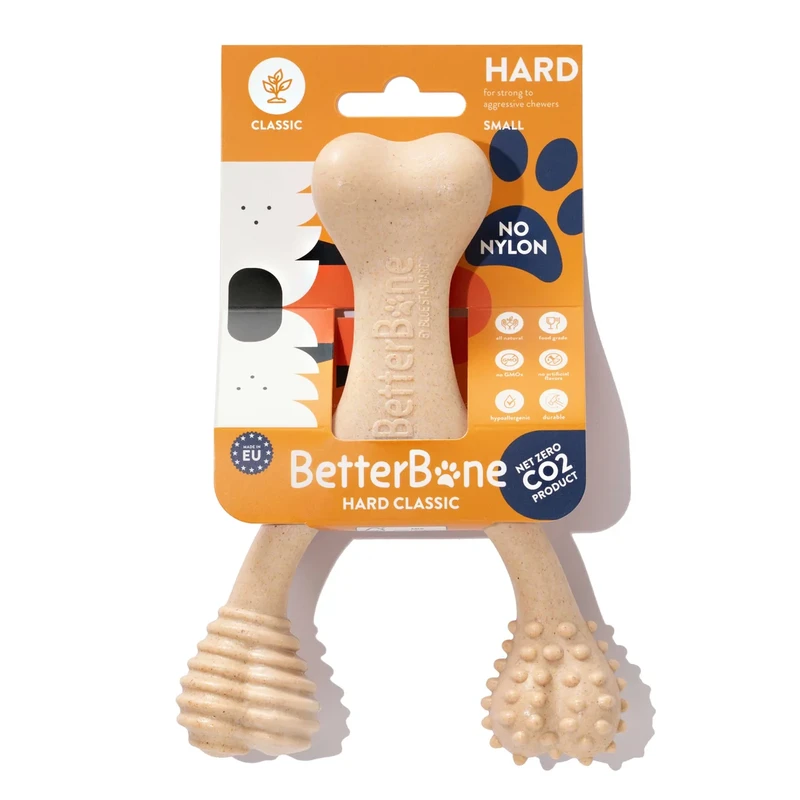
BetterBone’s chew toys stand out for their minimalist ingredient list—typically two natural components—and robust performance under extreme bite forces exceeding 3,500 PSI. Their weather-resistant formulation ensures longevity outdoors, and user testimonials frequently highlight their durability and hypoallergenic properties. BetterBone’s focus on non-toxic, eco-certified ingredients positions them as a leader in sustainable pet toys designed for aggressive chewers.
Goughnuts’ MAXX Pro 50 Ring combines heavy-duty rubber with patented safety features, including a chew indicator that reveals when the toy requires replacement, reducing ingestion risks. The company’s lifetime guarantee underscores product confidence, appealing to owners of dogs with destructive chewing habits. Ruff Dawg’s Rough Ball and Dawg-Cube extend the heavy-duty rubber category, offering vibrant color options and shapes that promote engagement while enduring intense chewing.
West Paw’s Zogoflex line prioritizes recyclability and chemical safety. Vet endorsements from Cityline Vet and others validate the material’s hypoallergenic nature and dental benefits. West Paw’s recycling program encourages sustainability beyond the product’s lifespan, creating a closed-loop system rarely seen in pet toy manufacturing.
Bullymake provides nylon and rubber toys rigorously tested by a community of subscribers with aggressive chewers. This user-driven feedback informs product development, ensuring toys meet high durability standards. Despite nylon’s synthetic nature, Bullymake emphasizes safety and longevity, offering specialized options for extreme chewers.
Boba & Vespa specializes in organic cotton rope toys available in multiple sizes to accommodate various breeds. Their products emphasize natural materials and eco-friendly dyes, catering to owners seeking sustainable alternatives for moderate to heavy chewers. These toys complement the broader ecosystem of sustainable pet products with a focus on natural fibers.
Supporting Canine Health and Wellbeing Through Chew Toys
Chew toys contribute significantly to dental health by mechanically reducing plaque and tartar buildup during chewing. Durable materials that resist quick fragmentation prevent ingestion of hazardous pieces, promoting safer oral hygiene routines. Vet-recommended toys like those from West Paw and Goughnuts support this function by combining chew resistance with texture optimized for cleaning teeth.
Beyond physical health, chew toys facilitate stress relief and mental stimulation. Aggressive chewers often exhibit anxiety or boredom, which durable interactive toys can mitigate. Puzzle-based chew toys and treat-dispensing variants designed for tough chewers engage cognitive functions while satisfying chewing instincts, reducing destructive behaviors.
Interactive options, including tug toys crafted from organic cotton or hemp, encourage social bonding and exercise. These toys balance sustainability with functionality, providing mental and physical enrichment essential for canine wellbeing.
Guidelines for Selecting Sustainable Toys for Aggressive Chewers
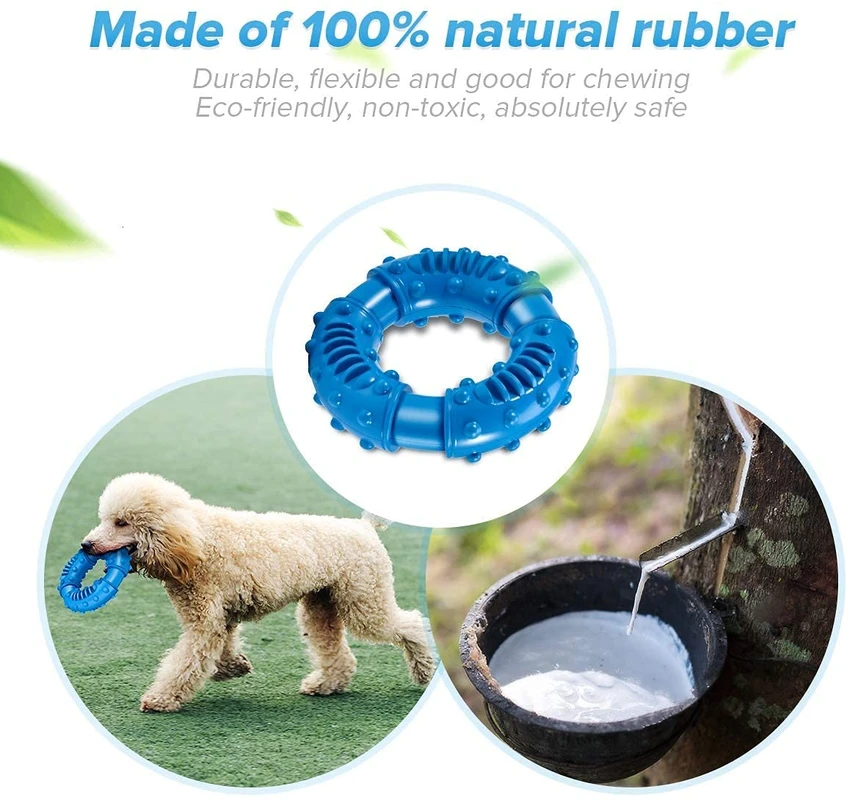
Selecting the appropriate sustainable chew toy requires matching product attributes to a dog’s chewing behavior and intensity. For heavy chewers, toys made from natural rubber or synthetic materials like Zogoflex and nylon offer necessary resilience. Moderate chewers may benefit from organic cotton or hemp ropes and wool-based tug toys.
Size and shape considerations impact safety; toys must be large enough to prevent choking hazards but manageable for the dog’s mouth. Shapes that discourage swallowing or breakage reduce ingestion risks. Monitoring wear is critical; toys exhibiting cracks, tears, or exposed inner materials should be replaced promptly to avoid health complications.
Owners should prioritize toys with certifications verifying non-toxicity and hypoallergenic properties. Brands offering replacement or recycling programs further support sustainability goals by reducing waste. Engaging veterinary advice and user reviews enhances informed decision-making tailored to individual dogs.
Frequently Asked Questions
What materials are best for durable, eco-friendly dog chew toys?
Durable, eco-friendly dog chew toys commonly use natural rubber, organic cotton, hemp, and recyclable synthetic materials like West Paw’s Zogoflex. These materials balance chew resistance with environmental sustainability and safety.
Are nylon chew toys safe and sustainable for aggressive chewers?
Nylon chew toys are highly durable and generally safe when designed for extreme chewing, as demonstrated by Bullymake’s tested products. However, nylon is a synthetic polymer with limited biodegradability, making it less sustainable than natural fiber alternatives.
How do sustainable chew toys support my dog’s dental health?
Sustainable chew toys mechanically reduce plaque and tartar buildup through chewing action. Textured surfaces on durable toys promote cleaning, while non-toxic materials prevent ingestion of harmful substances, supporting overall oral hygiene.
Can aggressive chewers safely use rope toys made from organic cotton or hemp?
Rope toys made from organic cotton or hemp are hypoallergenic and biodegradable, suitable for moderate chewers. Aggressive chewers should be supervised to prevent ingestion of fibers, and worn toys should be replaced promptly to maintain safety.
What should I look for when choosing sustainable toys for my dog?
Key factors include material durability, non-toxicity, hypoallergenic certification, size appropriate for your dog’s breed, and the brand’s environmental commitments such as recycling programs or organic sourcing.
Sustainable pet toys designed for aggressive chewers continue to evolve, integrating advanced materials science with environmental stewardship. Future innovations will likely expand use of biodegradable polymers and closed-loop manufacturing, further reducing ecological footprints while meeting the demanding needs of strong-jawed dogs. Pet owners prioritizing both durability and sustainability can expect increasingly diverse, safe, and effective options to support their pets’ wellbeing without compromising planetary health.
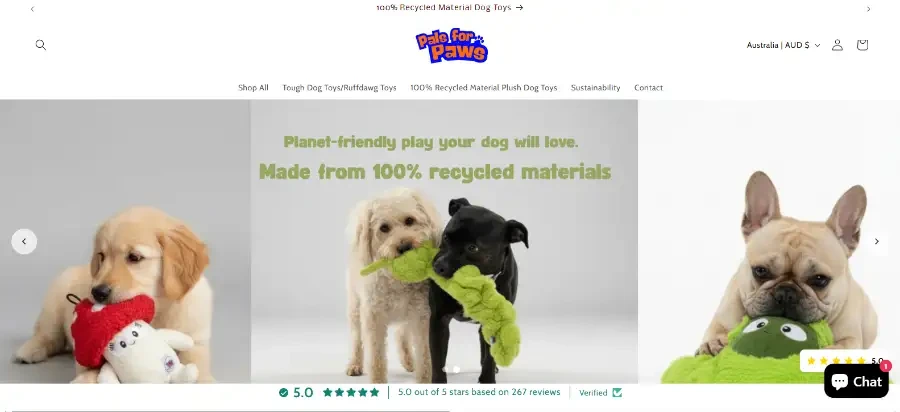
West Paw, Cycle Dog Lead 2026 Eco-Friendly Pet Toy Brands
PawVerde.com – West Paw, Cycle Dog, Beco Pets, and other leading pet toy brands have solidified their positions in 2026 as pioneers of eco-friendly pet products, capitalizing on durable, non-toxic, and sustainable materials to meet rising consumer demand for environmentally responsible pet care. These companies integrate proprietary recycled plastics, natural rubber, organic cotton, and hemp into their product lines, while innovating circular economy models such as West Paw’s “Join the Loop” mail-back recycling program, which enables infinite reuse of their signature Zogoflex material. This year marks a significant shift in pet toy manufacturing, where sustainability and safety converge with durability to reduce waste and environmental impact throughout the pet product lifecycle.
West Paw’s Zogoflex remains a benchmark in sustainable pet toy materials due to its non-toxic composition, high durability, and infinite recyclability. The company’s “Join the Loop” initiative allows pet owners to return used toys for recycling into new products, demonstrating a closed-loop system rare in the pet industry. Independent testing confirms Zogoflex toys withstand aggressive chewing, extending product lifespan and reducing frequent replacements. Similarly, Cycle Dog and Beco Pets emphasize the use of natural and biodegradable materials, including organic cotton, hemp fibers, and recycled ocean-bound plastics. Hevea’s 100% biodegradable natural rubber toys and feeding accessories further illustrate the growing trend toward fully compostable pet items, aligning with zero-waste principles. The Kind Pet’s Boba & Vespa line complements this ecosystem with 100% organic cotton and hemp rope toys, manufactured in the USA without plastics, targeting environmentally conscious consumers seeking plastic-free options.
The materials and technologies employed by these brands reflect a sophisticated approach to sustainability in pet products. Proprietary recycled plastics like Zogoflex and Seaflex combine durability with environmental responsibility by diverting plastic waste from landfills and oceans into high-performance pet toys. Natural fibers such as organic cotton, hemp, wool, and bamboo are favored for their renewability, biodegradability, and lower carbon footprints compared to synthetic alternatives. Biodegradable components are increasingly standard, especially in toys and accessories designed to safely break down post-use without releasing toxins. Production processes adhere strictly to non-toxic standards to protect pet health, with many brands pursuing certifications like B-Corp status, which validate their social and environmental commitments.
Recycling and circular economy initiatives have gained traction as integral elements of sustainable pet product strategies. West Paw’s “Join the Loop” program exemplifies brand-led circularity by incentivizing consumers to return used toys for remanufacturing. TerraCycle partnerships and other third-party recycling streams supplement these efforts, offering pathways for recycling pet products that traditionally end up in waste streams. Mail-back programs by brands such as Pet Passion and Planet Paws reduce landfill contributions and encourage responsible disposal. These initiatives reduce the carbon footprint of pet toys by extending material lifecycle and minimizing virgin resource extraction, crucial in an industry historically reliant on single-use plastics and unsustainable materials.
Durability is a critical factor in reducing the environmental impact of pet toys. Long-lasting toys require fewer replacements, thus conserving resources and reducing waste. Pet Passion’s durability testing demonstrates the superior lifespan of toys made from high-quality natural fibers and responsibly sourced wood, which resist wear and tear from rigorous play. Although eco-friendly toys often carry a higher upfront cost—such as West Paw’s premium-priced Zogoflex products—consumers benefit from longer usability and reduced environmental harm. Additionally, durable natural fiber toys like those from The Kind Pet resist fraying and breakdown, ensuring safer, extended enjoyment for pets and less frequent disposal. This balance of cost versus lifespan is influencing eco-conscious buyers in 2026, who increasingly prioritize total lifecycle impact over initial price.
The pet toy market in 2026 is marked by a growing presence of certified B-Corp and environmentally responsible brands. These certifications signal adherence to rigorous standards in environmental performance, social responsibility, and transparency, helping consumers identify trustworthy sustainable products. Rising consumer awareness of pet product carbon footprints and ecological consequences drives demand for eco-friendly alternatives, as pet owners seek to align their purchasing choices with broader sustainability goals. Integration of eco-friendly pet toys into sustainable pet ownership routines is becoming mainstream, supported by educational campaigns and retailer emphasis on zero-waste packaging and recycled content. This momentum suggests a continuing shift toward responsible pet product consumption.
| Brand | Key Sustainable Materials | Sustainability Initiatives | Certifications | Notable Features |
|---|---|---|---|---|
| West Paw | Zogoflex (recycled plastic) | “Join the Loop” recycling program | B-Corp certified | Durable, non-toxic, infinitely recyclable |
| Cycle Dog | Recycled ocean-bound plastics, hemp, organic cotton | Natural and biodegradable focus | Industry recognized | Eco-friendly, biodegradable toys |
| Beco Pets | Natural rubber, recycled plastics | Compostable poop bags, natural materials | Certified eco-conscious | Durable, natural rubber toys |
| Hevea | 100% biodegradable natural rubber | Plastic-free feeding accessories | Eco certified | Compostable, safe for pets |
| The Kind Pet (Boba & Vespa) | Organic cotton, hemp rope | Plastic-free, zero waste production | Made in USA | Durable, natural fiber toys |
| Pet Passion | Natural fibers, responsibly sourced wood | Durability testing, recycling partnerships | Eco friendly recognized | Long lifespan, non-toxic |
Looking forward, innovation in sustainable pet toys is expected to accelerate, with brands exploring new biodegradable polymers, advanced fiber blends, and expanded recycling infrastructures. The alignment between product safety, environmental responsibility, and consumer values forms the foundation of a rapidly evolving industry where zero waste and circular economy principles become standard. Pet owners benefit from transparent sourcing, robust durability, and convenient recycling options, empowering them to reduce their pets’ environmental footprints effectively. The trajectory of 2026 highlights that eco-friendly pet toys are no longer niche products but essential components of responsible pet care.
Frequently Asked Questions
Which materials are considered best for eco-friendly pet toys in 2026?
The top eco-friendly materials include proprietary recycled plastics like West Paw’s Zogoflex, natural rubber, organic cotton, hemp fibers, bamboo, wool, and recycled ocean-bound plastics. These materials offer durability, non-toxicity, and biodegradability, ensuring pet safety while reducing environmental impact.
How do recycling programs for pet toys work?
Recycling programs such as West Paw’s “Join the Loop” allow consumers to mail back used pet toys, which are then recycled into new products. Other initiatives include TerraCycle partnerships and brand-specific mail-back schemes that divert pet toys from landfills and promote circular material use.
Are eco-friendly pet toys more expensive than conventional ones?
eco-friendly pet toys often have a higher upfront cost due to sustainable material sourcing and manufacturing standards. However, their superior durability and longer lifespan typically offset the initial expense by reducing replacement frequency and waste.
What certifications should consumers look for when buying sustainable pet toys?
Consumers should look for certifications such as B-Corp, which validate a brand’s commitment to environmental and social responsibility. Other eco certifications may include organic fiber verification and compliance with non-toxic pet safety standards.
Do biodegradable pet toys compromise on durability?
biodegradable pet toys from reputable brands are designed to balance environmental benefits with durability. While some biodegradable materials may degrade faster under extreme conditions, many products combine natural fibers and reinforced structures to ensure safe, long-lasting use.
The expanding availability of recyclable, biodegradable, and non-toxic pet toys in 2026 reflects a maturing market aligned with circular economy goals. Practical recycling programs and certifications empower consumers to make informed, responsible choices, while innovations in sustainable materials continue to enhance pet safety and product longevity. As the industry advances, pet owners can expect broader access to eco-conscious options that support both animal welfare and planetary health.