
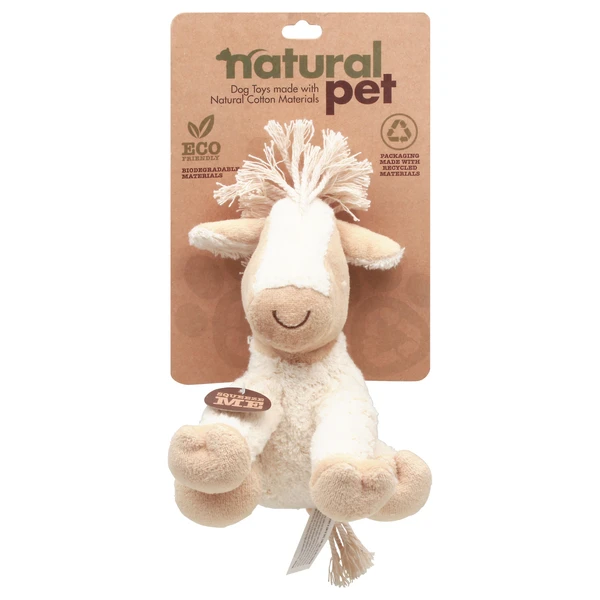
Natural Eco-Friendly Dog Toys: How to Spot Greenwashing
PawVerde.com – eco-friendly dog toys prioritize non-toxic, biodegradable, or recycled materials like natural rubber, hemp, and organic cotton to reduce landfill waste and chemical exposure. While traditional toys often contain hazardous substances, sustainable options focus on durability and material transparency to ensure both environmental health and canine safety. This shift in consumer behavior is critical, as 45% of tested pet products contained detectable levels of at least one hazardous chemical.
The Greenwashing Detection Guide: Spotting Fake ‘Natural’ Claims
To detect greenwashing, look beyond vague marketing terms like ‘natural.’ Verify specific certifications such as GOTS for cotton, Oeko-Tex for textiles, or MadeSafe for non-toxicity. Always check the material composition list to ensure ‘natural’ isn’t just a scent or a small percentage of a synthetic blend.
Vague terminology vs. Certified standards
The term ‘natural’ isn’t legally defined. This regulatory gap means a manufacturer can label a product “natural” even if it contains a high percentage of synthetic binders or chemical dyes. Relying on a label alone is a common failure mode for pet owners seeking safety. Instead, prioritize specific, verifiable standards:
- GOTS (Global Organic Textile Standard): Ensures organic status for cotton-based toys.
- Oeko-Tex: Certifies that textiles are free from harmful substances.
- MadeSafe: A rigorous non-toxicity certification that screens for thousands of hidden chemicals.
Experts note that no material name guarantees a dog toy is safe; factors like construction and how your dog plays are equally vital.
The recycled plastic transparency trap
While recycling is a core pillar of sustainability, recycled plastics can be risky if not tested. Some manufacturers use recycled materials without providing documentation regarding the original source or the presence of legacy toxins. A common mistake is assuming a “recycled” label automatically equals “non-toxic.” Without third-party verification, these plastics may contain additives that were present in the original waste material, potentially posing risks to your pet.
Disposal & End-of-Life Matrix: Where Do Your Toys Go?
Reducing pet industry waste requires choosing materials with clear lifecycles. Sustainable alternatives prioritize long-lasting or biodegradable options to minimize the volume of products ending up in landfills.
| Material Type | Disposal Method | Environmental Impact | End-of-Life Note |
|---|---|---|---|
| Natural Rubber (e.g., Hevea) | Biodegradable | Low | 100% biodegradable products reduce landfill reliance. |
| Organic Cotton | Compostable | Very Low | Ensure no synthetic thread or dyes are present. |
| Recycled Plastic | Recycling Bin | Medium | Effectiveness depends on local municipal capabilities. |
| Hemp Fiber | Compostable | Low | Excellent for reducing microplastic accumulation. |
The disposal path depends heavily on the specific material composition. For example, Hevea products are 100% biodegradable, making them an ideal choice for owners who want to minimize long-term environmental footprints. However, a common pitfall is attempting to backyard compost toys that require industrial composting conditions to break down effectively. Always verify if a “compostable” claim refers to home-compostable or industrial-only processes.
Backyard composting vs. Industrial requirements
Not all organic materials break down at the same rate. While organic cotton rope is a great choice, it may require the higher heat of an industrial facility to decompose fully. On the other hand, pure natural rubber or hemp may integrate more easily into natural cycles. If a toy contains even a small amount of synthetic glue, it will fail to decompose in a backyard bin, leaving behind non-organic residue.
Brand take-back programs
circular economy solutions help manage end-of-life stages. By participating in manufacturer programs, consumers can ensure worn-out items are processed through responsible recycling or repurposing rather than entering a landfill.
Material vs. Play Style: Finding the Perfect Match
Match materials to chewing intensity: use natural rubber for power chewers because it flexes under pressure to protect teeth; choose organic cotton or plush for gentle mouthers; and utilize hemp or olive wood for moderate chewers seeking antimicrobial or low-splintering options.
| Material | Best For | Eco-Benefit | Safety Note |
|---|---|---|---|
| Natural Rubber | Power Chewers / Puppies | Biodegradable | Flexes to protect teeth and gums. |
| Hemp | Moderate Chewers | Antimicrobial | Extremely strong and durable. |
| Organic Cotton | Gentle Mouthers | Biodegradable | Ideal for pets with sensitive skin. |
| Olive/Coffee Wood | Moderate Chewers | Natural Resource | Splinters less than traditional sticks. |
Selecting the wrong material can lead to immediate physical issues. For instance, using hard nylon for a dog that requires more flexibility can result in injuries to the teeth or gums. Conversely, giving a heavy power chewer a soft plush toy often leads to rapid destruction and the ingestion of small parts.
The Power Chewer’s Defense: Why Flexibility Matters
For power chewers, natural rubber is often considered safer than hard nylon because it flexes under pressure rather than transferring force directly onto teeth. This flexibility is particularly beneficial for teething puppies, as natural rubber remains gentle on developing gums while still providing enough resistance for vigorous play. Harder, non-flexible materials can cause micro-fractures in the teeth over time due to the direct impact of the bite.
Sensitive Skin & Gentle Mouthers
Organic cotton is a suitable choice for pets with sensitive skin. These toys are known to be soft and biodegradable, which helps reduce the risk of irritation. Because organic cotton is free from the heavy chemical load found in conventional textiles, it provides a safer tactile experience for sensitive animals.
The Hidden Risks: Toxins and Microplastics
As long as animal companions aren’t protected by robust legislation and regulation, it is up to owners to minimize their exposure to toxic chemicals.
WARNING: Testing has shown that 48% of tennis balls contain lead, posing significant toxicity risks.
Heavy Metal Hazards in Common Toys
Testing has revealed alarming levels of heavy metals in standard pet items. For example, 48% of tennis balls contain lead. In one specific instance, the lead levels in the lettering of a dog ball reached 2,696 ppm, while arsenic levels reached 262 ppm. These high concentrations of toxins can be ingested through licking or chewing, posing a direct threat to canine health.
The Microplastic Shedding Reality
Recycled plastics can pose environmental risks through microplastic shedding. During heavy chewing, these materials may release tiny particles that, unlike biodegradable hemp or natural rubber, do not break down into organic matter and can enter the local ecosystem.
Cost-Per-Use: Why Sustainable Toys Save Money
While the initial price of eco-friendly toys may appear higher than mass-produced synthetic alternatives, the “cost-per-use” often tells a different story. A high-quality, durable toy that lasts several months is more economical than replacing cheap, flimsy toys every week.
- KONG Classic Natural Rubber: Starting at approximately $8.46, these provide long-term durability for heavy chewers.
- P.L.A.Y. Garden Fresh Collection: Starting at approximately $7.50, these offer safe, plush alternatives for gentle play.
- From the Field Tug-A-Hemp: Starting at approximately $5.84, these hemp-based toys offer extreme strength for tugging.
Investing in quality means fewer replacements and less frequent trips to the pet store. By selecting materials like natural rubber or hemp that withstand vigorous play, owners reduce the total number of toys purchased over the life of the pet, effectively lowering both the financial and environmental cost.
FAQ
Is natural rubber actually safer for my dog’s teeth?
Natural rubber is considered a safer option for power chewers because it flexes under pressure. This flexibility helps mitigate the direct force transferred to the teeth and gums compared to unyielding, hard synthetic materials.
How can I tell if a toy is truly non-toxic?
Verify products using third-party certifications such as GOTS for organic textiles or MadeSafe. To ensure high safety standards, owners should also look for the absence of synthetic glues and azo-free dyes.
Are hemp dog toys durable enough?
Hemp is incredibly strong and naturally antimicrobial. These properties make it a highly durable choice for braided chews and tug toys.
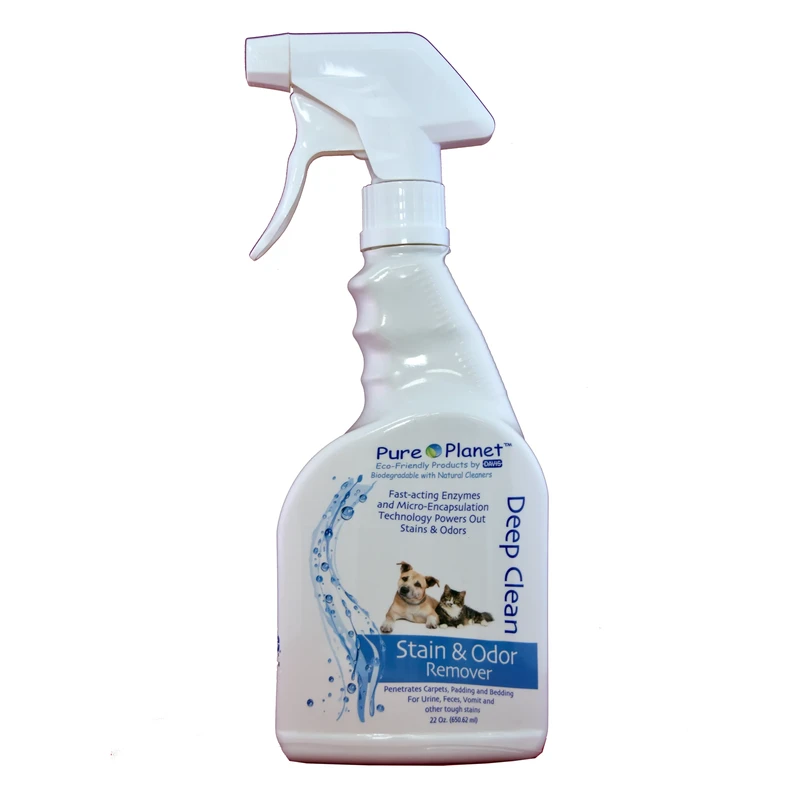
How to Choose Safe Eco-Friendly Pet Cleaning Products
PawVerde.com – Choosing eco-friendly pet cleaning products requires looking beyond ‘natural’ labels to identify true non-toxic solutions. The most effective brands use enzymatic technology to break down biological waste or plant-based surfactants that avoid common irritants like ammonia, bleach, and synthetic fragrances, ensuring safety for your pet’s skin and respiratory system.
With 85 million households owning at least one pet, the demand for sustainable home solutions has reached a critical point, with 92% of homeowners now seeking eco-friendly options.
The Greenwashing Audit: How to Spot Fake ‘Pet-Safe’ Labels
To identify greenwashing, ignore vague terms like ‘natural’ or ‘eco-friendly’ and instead look for third-party certifications like Ecogea or EPA Safer Choice. Always check for a full INCI ingredient list; if a brand uses the term ‘fragrance’ without disclosing specific components, it may hide undisclosed irritants or allergens.
Greenwashing is prevalent in the pet care industry, according to Doglyness. Until more strict regulations are in place, manufacturers may use marketing buzzwords to create an illusion of safety without undergoing rigorous third-party verification.
The ‘Fragrance’ Trap
A common failure mode in pet product labeling occurs when companies use the term “fragrance” to mask a complex mixture of synthetic chemicals. Gryme notes that “If it’s not safe and transparent, it’s not going in our products — period.” This lack of transparency can lead to skin irritation or respiratory distress in sensitive animals. Practitioners recommend looking for specific botanical identifiers rather than generic scent descriptors.
The Plastic Packaging Paradox
Sustainability extends beyond the liquid inside the bottle. Doglyness highlights a significant environmental concern: plastic packaging with any form of residue is not recyclable. Even if a brand claims its formula is organic, a product packaged in non-recyclable plastic with residue fails the true eco-friendly test. This creates a paradox where the “green” liquid contributes to long-term waste accumulation.
The Essential Oil Paradox: Scents that Can Harm Your Pet
While many pet owners associate essential oils with “natural” cleanliness, these botanical extracts can be problematic. ECOS notes that traditional cleaning products often contain synthetic fragrances that can cause skin irritation, respiratory issues, and even impact water quality.
Why ‘Natural’ Scent Isn’t Always Safe
Exposure to essential oils or undisclosed fragrance blends can cause allergic reactions in pets, as documented by Gryme. A scent that smells pleasant to a human can be overwhelming or even toxic to a dog or cat due to their heightened olfactory sensitivity. This is a counterintuitive reality for many; a “natural” lavender or citrus scent is not inherently safer than a synthetic one if the concentration is poorly managed.
Identifying High-Risk Botanical Extracts
Not all plant-based scents are created equal. While Mrs. Meyer’s Clean Day is recognized as an earth-friendly brand that does not test on animals, consumers must still remain vigilant regarding specific botanical ingredients. The goal is to find products that utilize mild surfactants and avoid the heavy use of essential oils that might trigger a reaction during or after the cleaning process.
Enzymatic vs. Plant-Based: Solving the Odor Problem
enzymatic cleaners use live enzyme cultures to biologically break down organic compounds in pet urine and feces, whereas plant-based surfactants typically clean surfaces without eliminating the underlying odor source. For heavy biological accidents, enzymatic solutions are significantly more effective than conventional or simple plant-based cleaners.
The distinction between these two methods is critical for long-term home maintenance. Green Planet Cleaning reports that live enzyme cultures genuinely break down organic compounds rather than masking odors. This biological breakdown is particularly noticeable on pet urine, where conventional cleaners often fail to eliminate the scent entirely, leading to repeat accidents in the same location.
How Enzymes Target Biological Waste
When a pet has an accident, the odor is caused by organic matter trapped in fibers or porous surfaces. Enzymatic cleaners, such as those produced by Rocco & Roxie Supply Co., work by:
- Targeting specific protein structures in urine and feces.
- Using live cultures to digest the source of the smell.
- Preventing the “scent ghost” that attracts pets back to the same spot.
Nature’s Miracle (Spectrum Brands) also focuses heavily on these specialized pet stain and odor removers to address these specific biological challenges.
When to Use Surface-Specific Cleaners
While enzymes are superior for biological waste, they may not be the first choice for all scenarios. For general dusting or non-biological grime, simple plant-based surfactants are often sufficient and less intensive.
Market Leaders and Specialist Brands
The pet-safe cleaning market is diverse, ranging from massive household names to highly specialized grooming brands.
| Brand | Primary Focus | Key Differentiation | Market Position |
|---|---|---|---|
| The Honest Company, Inc. | Home & Pet Cleaning | Natural, fragrance-free options | 18-22% Market Share |
| Seventh Generation, Inc. | Eco-conscious Home Care | Plant-based, pet-friendly formulas | 14-18% Market Share |
| Puracy | Biodegradable Solutions | Naturally derived specialists | 12-16% Market Share |
| ECOS | Non-toxic/Vegan Cleaning | Vegan-certified, non-toxic | 10-14% Market Share |
| Nature’s Miracle | Stain & Odor Removal | Enzymatic specialization | 8-12% Market Share |
The market is segmented by both specialization and scale.
The Big Players: Market Share Breakdown
The Honest Company, Inc. leads the pet-safe cleaners market, providing a wide array of natural and chemical-free products. Following closely are Seventh Generation, Inc. and Puracy, both of which offer robust, plant-based alternatives for general household maintenance. ECOS (Earth Friendly Products) maintains a strong presence with its vegan-certified, non-toxic line, driven by a mission to “Protect the health and wellness of people, pets, and the planet by creating the most authentic, sustainable and affordable eco-conscious cleaning products for all…”
Niche Specialists: Grooming vs. Home Cleaning
For tasks that go beyond floor and upholstery cleaning, specialized brands are required. Earthbath focuses on cleaning the pets themselves and their specific items. In the premium segment, the Italian brand Yuup! specializes in human-grade pet grooming solutions. This distinction is vital: a cleaner safe for a hardwood floor may not be suitable for a pet’s coat.
The Safety Protocol: Drying Times and Application
Applying a green cleaner is only the first step; the way it is applied and the time allowed for it to settle determines the actual safety level for your pet.
Green Planet Cleaning utilizes a 24-hour timeframe for their Greentified™ re-clean guarantee, emphasizing the importance of thoroughness in the cleaning process.
The ‘Drying Time’ Rule for Paw Safety
A common mistake is allowing pets to walk on freshly cleaned surfaces before they are completely dry. To maintain a safe environment, follow these protocols:
- Always allow surfaces to air-dry completely before permitting pet access.
- For high-traffic areas, use a microfiber cloth to remove excess moisture.
- Avoid using “quick-dry” synthetic sprays that may leave behind a tacky, irritating film.
This prevents pets from licking cleaning agents off their paws, which is a primary route of ingestion.
Safe Sanitization with HOCl
When disinfection is necessary, Hypochlorous Acid (HOCl) serves as an excellent alternative to harsh chemicals. Maids of Movher identifies HOCl as a safe, non-corrosive sanitizer that is completely gentle on sensitive skin and paws. Unlike traditional bleach, which can cause respiratory and skin issues, HOCl provides effective sanitization without the toxic footprint. For everyday hygiene, such as cleaning pet dishes, Mrs. Meyer’s Clean Day offers products that are 100% pet-safe.
FAQ
Is ‘natural’ scent always safe for dogs and cats?
Not necessarily. Many natural scents come from essential oils that can cause respiratory irritation or allergic reactions in pets. Always check for full ingredient lists to ensure no toxic botanical extracts are present in the product you choose.
How do enzymatic cleaners differ from regular cleaners?
Regular cleaners often mask odors with fragrances, while enzymatic cleaners use live cultures to break down the organic compounds in urine and feces, eliminating the smell at the source rather than just covering it up.
Can I use dish soap to clean pet bowls safely?
Yes, provided the soap is non-toxic and free from harsh chemicals like ammonia or synthetic fragrances. Brands like Mrs. Meyer’s offer pet-safe options for dish cleaning that are gentle enough for food-contact surfaces.
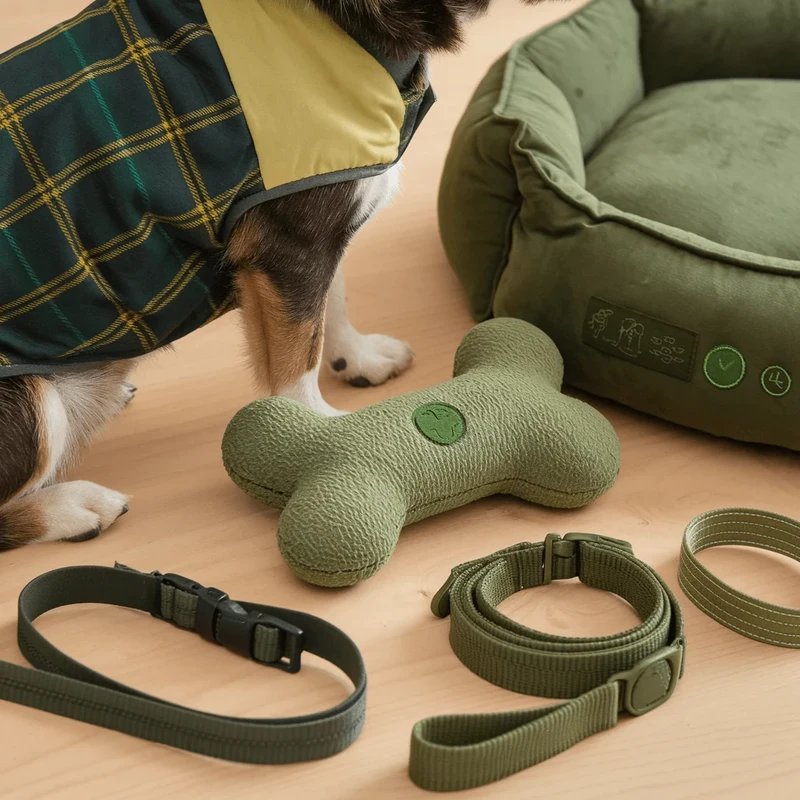
Eco-Friendly Pet Products for Dogs: A Sustainable Guide
PawVerde.com – Eco-friendly pet products are items designed to minimize environmental impact through sustainable materials like hemp, bamboo, and natural rubber, while ensuring non-toxic safety for your dog. True sustainability means choosing products that improve your pet’s life without making the planet’s future worse. The global market for sustainable pet products has reached an estimated $35 billion.
How to Spot Greenwashing in Pet Marketing
To detect greenwashing, look beyond ‘earth-inspired’ marketing. Verify claims by checking for specific certifications like GOTS for textiles, FSC for wood, or TÜV OK Compost for waste bags. Avoid products that use recyclable packaging to mask poor materials, short lifespans, or unethical production methods.
A common failure mode in pet shopping is the confusion between bio-based and truly compostable materials. Bio-based plastics can be non-compostable, such as bio-PET (polyethylene terephthalate), which is derived from biological sources but behaves like traditional plastic in the environment. In contrast, materials like PLA (polylactic acid) and PHA (polyhydroxyalkanoates) are designed to be compostable. Relying on the term “bio-based” without verifying the specific polymer type can lead to accidental plastic accumulation.
The Lifecycle Comparison: Standard Plastic vs. Sustainable Materials
The environmental footprint of pet ownership is heavily influenced by the sheer volume of single-use items. In the United States alone, an estimated 5 billion plastic dog waste bags are used annually. These traditional plastics can leach toxins into the soil and are notorious for their longevity, often sticking around for centuries in landfills.
Sustainable alternatives, such as those produced by Hevea, offer a different trajectory. Hevea products are 100% biodegradable, meaning they return to the earth rather than persisting as microplastics. The difference begins at the extraction phase and ends with the biological breakdown of the material.
| Material | Sustainability Benefit | Durability Score | End-of-Life |
|---|---|---|---|
| Hemp | Low water usage; renewable | High | Biodegradable |
| Cotton (Organic) | Reduced chemical pesticides | Medium | Biodegradable |
| Natural Rubber | Non-toxic; renewable source | Very High | Biodegradable |
| Bamboo | Rapidly renewable; lightweight | Medium | Compostable |
| Stainless Steel | Zero leaching; extremely long-lived | Extreme | Infinitely Recyclable |
Material selection dictates whether waste is avoided through longevity or managed through biological breakdown. For example, stainless steel offers extreme durability to prevent waste, while hemp and natural rubber are designed to return to the earth.
Top Sustainable Materials for Dog Gear
Selecting materials like natural rubber for toys, hemp for textiles, or stainless steel for feeding stations helps reduce a pet’s chemical load. These options aim to minimize long-term environmental waste.
“These things are nearly indestructible… These immediately became my dogs favorite and after several months the pups remain as happy and interested as when the toys first came out of the…” Such durability is essential to prevent the waste generated by broken, cheap plastic toys.
Stainless steel is a highly sustainable choice for feeding stations because it does not leach chemicals and can last for years. This durability effectively removes the item from the waste stream for a long duration.
The Reality of Compostable Poo Bags
The effectiveness of “green” waste management depends heavily on disposal methods. Many products marketed as eco-friendly fail to meet their potential if they are not processed correctly.
Warning: Research indicates that compostable poo bags must reach the correct environment to be effective. If these bags end up in a standard landfill, they may not break down as intended.
The Landfill Problem: Why ‘compostable’ isn’t enough
A significant gap exists between product design and consumer behavior. Research indicates that only 5% of dog owners compost their compostable poo bags at home. Furthermore, it is estimated that only 3% of compostable plastic is actually fully composted. When these bags are sent to a landfill, the lack of oxygen prevents the biological breakdown required for them to be truly sustainable.
Industrial vs. Home Composting
Many bags require the high-heat conditions of an industrial composting facility to degrade. Without access to these facilities, a “compostable” bag functions similarly to a traditional plastic bag in a landfill setting. Owners should check for specific certifications, such as those distinguishing between “Home Compostable” and “Industrial Compostable,” to ensure the product matches their local waste management capabilities.
Budget-Friendly Eco-Swaps and DIY Solutions
sustainable pet care can be achieved through mindful habits. Many owners find success by prioritizing durability and reducing the frequency of new purchases.
- Walk Smart: Carry a reusable water bottle and use biodegradable waste bags to reduce single-use plastic waste during daily outings.
- Prioritize Durability: Choose high-quality gear over “fast-fashion” pet accessories. Investing in one durable item is more cost-effective and sustainable than buying multiple cheap replacements.
- Upcycle and Reuse: Instead of discarding old items, find ways to repurpose them.
Upcycling: Turning old T-shirts into tug toys
One of the simplest DIY solutions is upcycling old cotton clothing. Strips of durable T-shirt fabric can be braided tightly to create effective tug toys for dogs. This method diverts textile waste from landfills and provides a zero-cost toy for your pet.
The Cost-Per-Use Advantage: Investing in durability
While some eco-friendly products have a higher initial price, long-lasting gear reduces the need for frequent replacements. For example, investing in a durable toy can be more economical over the pet’s lifetime than repeatedly buying low-quality alternatives.
FAQ
Are compostable poo bags actually better for the environment?
Only if they are sent to an industrial composting facility. If they end up in a landfill, they may not break down as intended and can still contribute to environmental issues, effectively negating their intended benefits.
Is ‘BPA-free’ the same as eco-friendly?
No. While BPA-free means the product lacks a specific harmful chemical, it does not guarantee the material is sustainable or biodegradable. Always check the base material, such as comparing bamboo to traditional plastic, to understand the full environmental impact.
How can I tell if a pet brand is truly sustainable?
Look for specific certifications like GOTS, FSC, or B-Corp. Additionally, check if the brand offers recycling programs for old products, such as the recycling initiative offered by West Paw, to ensure a circular product lifecycle.

Why Hemp Collars Are Best for Rescued Pets
PawVerde.com – Hemp collars are a superior choice for rescued pets because they combine high tensile strength (up to 400kg) with hypoallergenic properties that soothe sensitive skin. For dogs transitioning from shelters, hemp’s natural antimicrobial and odor-resistant qualities provide a sensory-friendly experience that synthetic nylon often lacks.
Hemp webbing can handle a staggering 400kg of tensile force, making it as durable as it is sustainable.
The Rescue Readiness Checklist: Selecting Gear for the First 30 Days
When selecting a collar for a new rescue dog, prioritize hypoallergenic materials like hemp to accommodate potential skin sensitivities or trauma-induced tactile defensiveness. Ensure the gear is durable enough for sudden pulling (look for 400kg tensile strength) and choose adjustable sizing to accommodate non-standard rescue body types.
The first month of a rescue dog’s life in a new home is a critical period of sensory acclimation. According to Gracie To The Rescue, hemp is a healthier and more natural alternative to nylon or leather, and is free of many irritating materials that can cause irritation on your beloved pup’s skin.
Managing Tactile Sensitivity in Traumatized Dogs
Dogs from high-stress shelter environments often exhibit tactile defensiveness. To avoid triggering a flight response, owners should look for materials that avoid the heat and moisture trapping common in heavy-duty nylon. Lucky Mfg notes that hemp webbing is specifically designed to handle 400kg of tensile force, providing strength without the bulk of some synthetic alternatives.
Sizing for Non-Standard Rescue Shapes
Rescue populations often include breeds with unique anatomical needs that standard retail sizing overlooks. To ensure a safe transition, follow these requirements:
- Tensile Verification: Confirm the webbing is rated for high-stress scenarios, such as the 400kg capacity noted by Lucky Mfg.
- Adjustability Range: Select collars that allow for significant diameter changes as a dog’s muscle tone improves or weight stabilizes.
- Hardware Weight: Opt for lightweight metal or reinforced hemp loops to prevent neck strain in thin-skinned breeds.
Why Hemp Outperforms Synthetics for Sensitive Rescue Skin
Hemp possesses natural antimicrobial and mold-resistant properties, keeping the gear fresh for significantly longer. According to Lucky Mfg, these natural qualities help maintain the integrity of the collar during regular use.
Synthetics like nylon are often treated with heavy metals or toxic azo dyes, which can cause skin irritation when worn over long periods. Gracie To The Rescue notes that hemp is free of many of these irritating materials. Furthermore, OKEYPETS highlights that while synthetic fabrics can trap moisture, hemp’s breathability allows for better airflow.
| Material | Sustainability | Skin Health | Durability/Resistance | Water Performance |
|---|---|---|---|---|
| Hemp | High (Biodegradable) | Hypoallergenic | High (UV/Mold Resistant) | Moderate (Slow drying) |
| Nylon/Synthetic | Low (Plastic-based) | Potential Irritant | High | Excellent (Hydrophobic) |
| rPET | Medium (Recycled) | Variable | High | Excellent (Quick-drying) |
| Cotton | Medium (High water use) | Good | Moderate | Low (Absorbent) |
While rPET offers superior water performance due to its hydrophobic nature, hemp provides a hypoallergenic profile that is safer for dogs with existing dermatological issues. This makes hemp a more stable choice for sensitive rescues compared to recycled plastics.
The Hypoallergenic Advantage
For dogs with compromised immune systems, finding hypoallergenic gear is vital. Because hemp is a plant-based agricultural product, it avoids the chemical residues found in petroleum-based synthetics. Gracie To The Rescue confirms that hemp is a healthier and more natural alternative that is free of many irritating materials.
Natural Antimicrobial Properties vs. Synthetic Odor Traps
Synthetic fibers can trap sweat and oils, creating persistent odors. Hemp’s natural resistance to mold and odor, as noted by Lucky Mfg, means the gear remains cleaner for longer periods without the need for constant chemical intervention.
The Sustainability Audit: Hemp vs. rPET and Cotton
Evaluating pet gear requires looking at the lifecycle of the fiber. Hemp is a highly renewable resource that grows quickly and requires little water and no pesticides to thrive.
Hemp is a fast-growing, low-impact crop. In contrast, producing cotton requires significant land, water, and chemical intervention. While rPET repurposes plastic waste, it remains a plastic-based product. According to dominisii.com, unlike synthetic fabrics which can take 500 years or more to decompose, hemp’s natural fibers are biodegradable.
Lifecycle Analysis: Biodegradability vs. Plastic Persistence
A hemp collar is designed to return to the earth through natural biodegradation. This stands in stark contrast to synthetic fabrics that contribute to microplastic pollution. Hemp also utilizes phytoextraction, where roots penetrate soil vertically to absorb and break down substances.
Water Usage and Land Impact
The efficiency of hemp is measurable. It is a fast-growing crop that can reach heights of 4 meters. The textile industry in regions like Italy utilizes these advantages to create short supply chains. Compared to cotton, which is resource-intensive, hemp offers a much higher yield per acre with significantly lower water requirements.
Technical Maintenance: The Hemp Material Care Protocol
To protect the natural fibers, owners should follow specific cleaning guidelines. Gracie To The Rescue confirms that hemp products are machine washable, provided they are treated with care.
Gracie To The Rescue recommends machine washing while avoiding aggressive chemical additives. To preserve the natural qualities of the weave, follow these steps:
- Use a gentle, biodegradable detergent.
- Avoid fabric softeners, which can coat the fibers and reduce breathability.
- Wash in cool to lukewarm water to prevent fiber shrinkage.
Machine Washing Without Stripping Antimicrobial Benefits
Washing should focus on removing surface dirt while protecting the plant’s inherent properties. Avoid high-heat settings or harsh alkaline cleaners that can strip the natural benefits of the material.
Drying Hazards: Preventing Mold in the Weave
Because hemp is more absorbent than nylon, it can hold moisture longer. If a collar is left damp in a closed container, it may succumb to mold. Always air-dry hemp gear in a well-ventilated area to ensure the fibers dry completely.
Economic Reality: Cost-Per-Year for Sustainable Gear
Sustainable gear can be viewed as a long-term investment. While initial costs vary, the durability of natural fibers often provides better value over time.
According to Alibaba.com, the price range for hemp collars typically falls between $8 and $20 per unit. A standard hemp collar has a moderate lifespan of approximately 3 to 4 years.
Shortcut: To calculate true value, divide the purchase price by the expected years of use (e.g., $20 / 4 years = $5 per year) and compare this to the replacement frequency of cheaper, less durable synthetics.
Upfront Investment vs. Long-term Durability
Hemp has been used for rope and webbing for hundreds of years. For a rescue owner, choosing a material with a 3 to 4-year lifespan is a strategic move. Additionally, data from Alibaba.com suggests that premium consumers are often willing to pay 20-40% more for hemp and recycled nylon.
Budgeting for Rescue Gear
When budgeting for a new rescue, prioritize spending on items that touch the animal’s skin. A high-quality hemp collar is a foundational piece of equipment that serves both the dog’s physiological needs and the owner’s environmental values.
FAQ
Is hemp safe if my dog chews on their collar?
Yes, hemp is a low-impact, natural crop that is generally considered safe for dogs to chew on, unlike some synthetic collars treated with toxic dyes.
How long does a hemp dog collar typically last?
A standard hemp collar has a moderate lifespan of approximately 3 to 4 years, depending on the quality of the webbing and care routines.
Can I use CBD-infused hemp collars for anxious rescues?
While hemp is used, be aware of the “caregiver placebo effect” and ensure any CBD content is regulated to avoid THC contamination (max 0.3% THC).
Eco Friendly Pet Shop Guide: Spotting Greenwashing in 2026
PawVerde.com – An eco-friendly pet shop focuses on providing sustainable, non-toxic, and low-impact supplies that reduce the 300 million pounds of pet product plastic waste generated annually. These retailers prioritize renewable materials like bamboo, recycled fabrics, and organic food to ensure both planetary health and pet safety.
The Greenwashing Red Flag Guide: Spotting Fake Eco-Claims
To spot greenwashing in pet products, look past vague labels like ‘natural’ or ‘green.’ Check for specific certifications (like PETA-approved vegan), verify if materials are truly renewable (like bamboo) rather than just recycled-looking plastics, and ensure the brand addresses end-of-life disposal rather than just using recyclable packaging.
The ‘Natural’ Trap
Marketing-led materials often masquerade as sustainable under vague descriptors. EcoFurball notes that when plastics or blended fibers appear under these ambiguous labels, it represents a significant failure in transparency. Consumers should avoid products that claim to be “green” without providing verifiable data or third-party certifications to back the assertion.
A common failure mode occurs when brands use “natural” to describe products that still contain synthetic binders or harmful additives. For instance, a toy might be marketed as natural but actually contain non-biodegradable glues. Always verify the specific material composition before purchasing.
Packaging vs. Product Longevity
EcoFurball identifies a “packaging distraction” where brands emphasize recyclable cardboard boxes to mask a short product lifespan or the use of toxic materials. True sustainability requires looking at the entire lifecycle, as minimal packaging often represents the most sustainable option.
A Lifecycle Guide: From Purchase to Compost
According to EcoFurball, “Sustainable pet products prioritise materials that regenerate, recycle, or biodegrade without releasing harmful residues.” Understanding this movement from retail shelf to final destination is essential for minimizing environmental impact.
Compostable vs. Recyclable Materials
The distinction between material types is critical to prevent waste stream contamination. While some items are designed for industrial recycling, others are intended for home composting.
- Compostable: Materials like organic hemp or bamboo that can return nutrients to the soil.
- Recyclable: Items like rPET (recycled polyethylene terephthalate) that require industrial processing.
- Upcycled: Materials repurposed from existing waste to extend their utility.
Circular Economy: The rePAWpose Model
The circular economy aims to eliminate waste by keeping materials in use for as long as possible. Awoo Pets facilitates this through their “rePAWpose” program. This initiative allows customers to send in pre-loved items to be repurposed, providing a $5 credit per product to the owner. This model reduces the need for new raw materials and prevents functional items from entering landfills.
High-Impact Swaps: A Budget-Friendly Transition Roadmap
Start your eco-transition with high-impact, low-cost swaps: replace traditional clay litter with plant-based alternatives to avoid sodium bentonite, switch to biodegradable poop bags, and move toward non-toxic, botanical-based grooming products. These changes address immediate waste and toxicity issues before investing in premium sustainable accessories.
Phase 1: Waste & Hygiene
The most immediate impact on a household’s carbon footprint often comes from daily waste management. Best Friends Animal Society suggests that switching to biodegradable or compostable poop bags made from recycled paper or plants is a primary step in reducing plastic in landfills. Additionally, replacing traditional clay cat litters is vital. These clay litters are resource-intensive because they are mined from the earth and are slow to biodegrade. Furthermore, eco-friendly alternatives can be safer for pets by avoiding sodium bentonite, which can potentially sicken or poison animals.
Phase 2: Nutrition & Grooming
Once waste management is addressed, owners can shift focus to chemical exposure. Conventional grooming products may contain harmful chemicals like parabens, phthalates, and petroleum. Best Friends Animal Society recommends using nontoxic and eco-friendly grooming and cleaning products to improve pet health. Fetch The Sun also notes that using natural cleaners may help reduce asthma and allergy symptoms in people with sensitive respiratory systems.
The Science of Sustainable Materials
Selecting materials based on their regenerative capacity and durability ensures that “green” choices are not just ethical, but functional.
Why Bamboo Wins
The Green Pet Shop notes that bamboo is a highly sustainable resource that helps combat climate change by reducing deforestation. It regenerates much more rapidly than traditional trees, making it an ideal feedstock for pet products.
The Durability Advantage
Pet Magasin highlights that eco-friendly supplies are often designed for increased durability compared to conventional options. Many standard products are optimized for lower price points and shorter lifespans, leading to increased waste.
| Criterion | Eco-Friendly Supplies | Conventional Supplies |
|---|---|---|
| Material Source | Renewable (bamboo, hemp), recycled (rPET), or upcycled. | Virgin, petroleum-based plastics and synthetic fabrics. |
| Pet Safety | Non-toxic; free of BPA and phthalates. | May contain questionable dyes or plastics. |
| Durability | Designed for longevity and repeated use. | Often designed for lower price and shorter lifespan. |
The table above illustrates the fundamental differences in how materials are sourced and managed between sustainable and standard pet supplies.
Top Eco-Friendly Retailers and Brands to Watch
As the market evolves, several key players have emerged to cater to the growing demand for planet-conscious pet care. In 2025, global eco-pet revenues from online stores reached $7.18 billion, representing 42.7% of the total market.
Online Giants
For those seeking a wide variety of vetted goods, EarthHero is a prominent retailer specializing in sustainable pet supplies. They offer various incentives, such as a 20% discount using the code PFJ20 and free carbon-neutral shipping on orders over $75. This makes large-scale sustainable shopping more accessible to a broader demographic.
Specialized Sustainable Brands
Niche brands currently lead several specific categories of the eco-pet market:
- Nina Woof: A PETA-approved vegan and cruelty-free brand focusing on dog accessories.
- Awoo Pets: Known for using eco-friendly materials and circular economy programs.
- WildOne: A direct-to-consumer brand specializing in modern, eco-conscious pet accessories.
Local vs. Online: Minimizing Your Carbon Pawprint
The method of delivery impacts the total environmental cost of pet care. While online stores are the fastest-growing distribution channel for eco-friendly pet products, choosing between local and digital options involves different ecological trade-offs.
The Case for Local Shops
Sourcing supplies from local retailers can significantly reduce the “last mile” delivery emissions. In regions like San Diego, specialized local shops provide holistic and natural options. Examples include Howlistic, which focuses on holistic care, Earthwise Pet, a family-owned shop, and Noah’s Natural Pet Market, which specializes in raw food. Shopping locally often supports the community and reduces the carbon footprint associated with long-distance shipping.
Optimizing Online Shipping
To minimize the environmental impact of digital shopping, consumers can adopt several strategies:
- Bulk Ordering: Reducing the frequency of shipments lowers the cumulative transportation energy.
- Consolidated Shipping: Choosing options that group items together rather than shipping them individually.
- Carbon-Neutral Options: Utilizing retailers that offer carbon-neutral shipping services.
DIY Sustainable Pet Care at Home
Repurposing existing household items is often the most eco-friendly way to care for pets, as it directly reduces waste and saves money.
Upcycled Toys
Best Friends Animal Society suggests several creative ways to make toys from household items:
- Rope Toys: Use old fabric strips braided together.
- Treat Puzzles: Repurpose PVC pipes to create interactive feeding games.
- Water Bottle Toys: Use old socks to encase a plastic bottle for a crinkle effect.
Zero-Electricity Cooling
During warm seasons, pet comfort can be maintained without increasing electricity consumption. The Green Pet Shop offers pressure-activated cooling mats. These mats require no refrigeration or electricity; instead, they activate via pressure to provide a cooling effect that can last for up to 3 hours after a 15-minute recharge period. This technology provides a sustainable way to manage pet heat stress.
FAQ
Is bamboo safe for pet feeding products?
Experts confirm bamboo is a sustainable resource, but owners should ensure feeding products are not combined with unsafe materials during manufacturing to avoid toxicity.
How can I tell if a pet toy is non-toxic?
According to EcoFurball, sustainable pet toys are safer if chewed because they contain no toxic dyes or plastics.
Why is clay cat litter considered less eco-friendly?
EcoFurball states that traditional clay cat litters are resource-intensive because they are mined from the earth and are slow to biodegrade.
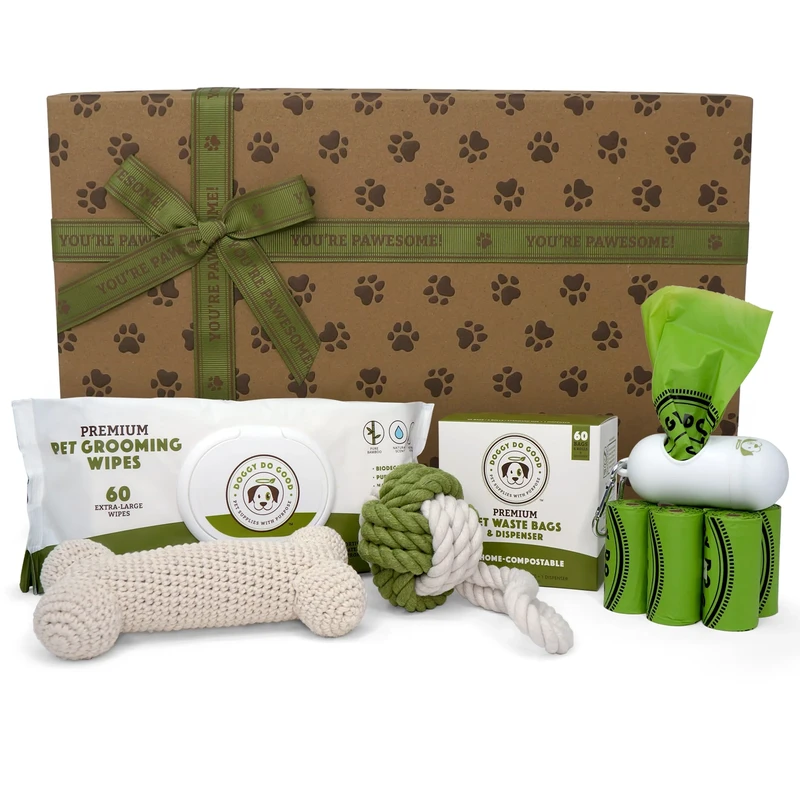
Eco-Friendly Pet Shop Guide: How to Spot Greenwashing
PawVerde.com – An eco-friendly pet shop focuses on providing sustainable, non-toxic, and ethically sourced supplies—ranging from biodegradable waste bags and bamboo accessories to insect-based proteins—to reduce a pet’s environmental footprint while ensuring animal safety through certified, green-labeled products.
The idea that going green isn’t just for people is a sentiment shared by the Best Friends Animal Society.
How to Spot Greenwashing in Pet Products
To detect greenwashing, look for specific certifications rather than vague terms like ‘eco-friendly’ or ‘natural.’ Avoid brands that fail to clarify if ‘compostable’ items require industrial facilities. Genuine sustainability is backed by proof, such as recycled material percentages or third-party environmental audits, rather than just marketing claims.
The ‘Vague Term’ Red Flags
Misleading claims undermine trust in genuine environmental initiatives and deter progress, as noted by Danguole Oželienė of Vilnius University. Many retailers use the term “eco-friendly” as a broad label without providing any underlying data or third-party verification to support the assertion. This lack of transparency makes it difficult for consumers to distinguish between a brand that has invested in sustainable supply chains and one that is simply using marketing buzzwords.
When evaluating a product, check for these specific indicators of potential greenwashing:
- The use of “natural” or “green” without defining specific ingredient standards.
- Claims of being “eco-friendly” that lack a percentage of recycled or organic content.
- Vague environmental promises that do not mention specific manufacturing or sourcing improvements.
The Compostability Trap
A common failure mode in sustainable pet shopping is the assumption that all “compostable” products can be disposed of in a backyard bin. The term “compostable” often lacks clarity regarding industrial requirements. Many items labeled as compostable actually require the high-heat, controlled environments of industrial composting facilities to break down effectively. If a biodegradable waste bag is tossed into a standard landfill, it may fail to decompose as intended, contributing to the very environmental issues it claims to solve.
The Lifecycle Audit: Beyond the Purchase
Sustainability extends far beyond the moment a transaction is completed at a retail checkout. A true lifecycle audit considers the entire existence of a product, from the extraction of raw materials to its eventual disposal or reuse.
Circular Economy Models
Modern sustainable brands are increasingly adopting circular economy models to prevent products from entering landfills. Instead of a linear “take-make-waste” approach, these companies design systems where materials are continuously cycled back into production. Awoo Pets utilizes this strategy through its rePAWpose program, which allows for the circulation of goods. This program provides an exchange value of $5 for pre-loved Awoo items, encouraging owners to pass on functional gear rather than discarding it.
End-of-Life Disposal Strategies
Understanding how a product leaves your home is critical for reducing a pet’s environmental impact. Retailers are now focusing on packaging and material recovery to close the loop. For example, Nina Woof utilizes 100% recyclable packaging for its products. This ensures that once the consumer has used the accessory, the outer casing can be processed through standard recycling streams rather than becoming permanent waste.
| Brand Name | Core Eco-Focus | Key Sustainability Stat |
|---|---|---|
| Nina Woof | Vegan & Recycled Materials | 50% minimum recycled materials |
| Awoo Pets | Circular Economy | $5 exchange via rePAWpose |
| The Green Pet Shop | Sustainable Gear | Founded in 2010 |
| Wild One | Social Impact | Supports animal rescues |
The table above highlights how different brands prioritize various aspects of the sustainability spectrum, from material composition to circularity programs.
Top Eco-Friendly Pet Brands and Retailers
Leading sustainable pet retailers include The Green Pet Shop (founded 2010), Organic Pet Boutique (since 2009), and Nina Woof, which uses at least 50% recycled materials. Other notable brands include Awoo Pets, known for its rePAWpose program, and Wild One, which supports animal rescues.
Choosing a retailer often depends on whether you are seeking specialized organic goods or general sustainable gear. Organic Pet Boutique has been providing curated organic and eco-friendly products since 2009, catering to owners who prioritize ingredient purity. For those looking for specialized gear, The Green Pet Shop, established in 2010, offers a variety of items including the Cool Pet Pad, which carries a 4.85/5.0 review rating and provides cooling effects for up to 3 hours after a 15-minute recharge.
For budget-conscious shoppers, some sustainable options offer competitive pricing. FunnyFuzzy manufactures toys starting at $8 and human-grade dog beds for up to $484. Similarly, Cycle Dog offers toys starting at $8, with a free shipping threshold of $50. Specialized retailers like Sustainable Pet Supply Co also provide incentives, such as a 10% discount on first orders, to make the transition to green products more accessible.
Sustainable Nutrition: The Rise of Alternative Proteins
Dietary choices significantly influence the environmental footprint of pet ownership. Many owners are looking for ways to mitigate the impact of traditional livestock farming.
Insect-based vs. Traditional Protein
Insect-based foods are emerging as nutritious options with minimal environmental impact. Unlike traditional meat production, which involves high methane emissions and massive resource consumption, insect protein can be produced in a highly controlled, efficient manner. This shift represents a significant opportunity to reduce the carbon footprint of pet diets without sacrificing nutritional density.
The Carbon Footprint of Pet Diets
While many owners focus on organic ingredients, the method of protein sourcing is often more impactful for the planet. Moving toward alternative proteins or highly efficient ingredient streams can mitigate the environmental strain caused by mass-scale livestock farming. However, practitioners suggest that any significant change to a pet’s diet should be managed carefully to maintain nutritional balance.
Avoiding Toxic Chemicals in Pet Care
Sustainability is not solely about carbon footprints; it is also about the chemical safety of the products entering your home and touching your pet’s skin.
WARNING: Many conventional grooming products contain toxic and potentially harmful chemicals, such as parabens, phthalates, and petroleum. These substances can have unwanted side effects and may contribute to various health issues in pets.
Beyond grooming, even common household items like cat litter require scrutiny. Eco-friendly cat litters should not contain clay or sodium bentonite. According to the Best Friends Animal Society, these traditional ingredients can be harmful and potentially sicken or poison pets. Instead, look for litter alternatives that avoid these heavy minerals to ensure a safer environment for your cat.
FAQ
Is bamboo safe for pet consumption?
Bamboo is recognized as a highly sustainable resource that helps combat climate change by reducing deforestation. When used in pet gear, such as bowls or accessories, it serves as a durable and eco-friendly alternative to plastic, provided the manufacturer ensures the product is free from toxic additives.
What are the risks of conventional cat litter?
Conventional cat litters often contain clay or sodium bentonite. These ingredients are considered harmful because they can potentially sicken or poison pets. Opting for eco-friendly alternatives avoids these specific mineral risks while reducing the environmental impact of mining.
How can I reduce my pet’s carbon paw print?
You can reduce your pet’s environmental impact by adopting from shelters, which reduces demand for resource-heavy mass breeding. Additionally, using biodegradable waste bags, choosing insect-based proteins, and selecting products made from recycled materials are effective ways to lower your pet’s footprint.