
PawVerde.com – Teaching children responsibility through pet care requires a structured approach that integrates age-appropriate tasks, adult supervision, and practical learning tools. Assigning children specific pet care duties such as feeding, grooming, and habitat cleaning, combined with guidance from parents or educators, fosters critical life skills including empathy, patience, and decision-making. This tutorial provides step-by-step instructions to involve children safely and effectively in pet care, highlighting developmental benefits and practical strategies grounded in expert research.
Children’s engagement with pet care creates opportunities for emotional bonding and nurtures responsibility, making it essential to tailor activities to their cognitive and physical abilities. Incorporating routine management tools and supervised learning ensures children develop consistency and accountability while understanding animal welfare.
1. Preparing to Teach Pet Care Responsibility
Before assigning tasks, it is vital to prepare both the child and the environment to support safe and effective learning. Begin by selecting appropriate pets and care tasks aligned with the child’s age and maturity. Consultation with professionals such as veterinarians or animal behaviorists can help identify suitable responsibilities and safety considerations.
This preparation phase sets a foundation for consistent, safe, and educational pet care involvement.
2. Assigning Age-Appropriate Pet Care Tasks
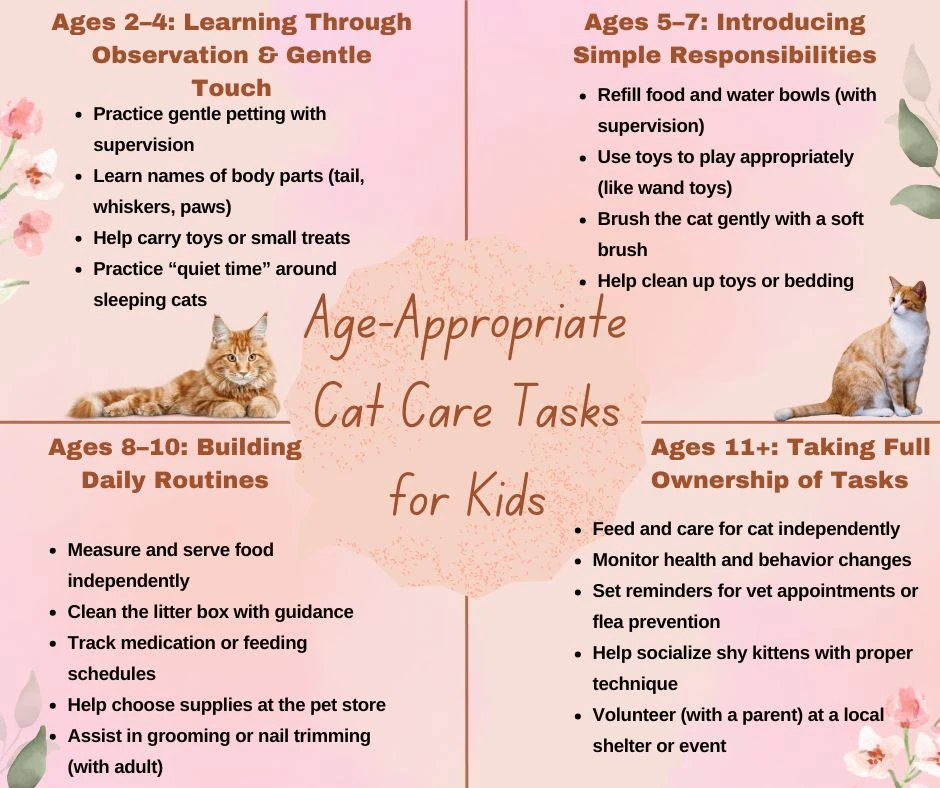
Tailoring pet care responsibilities to a child’s developmental stage maximizes learning and minimizes risks. According to child development experts like Gail F. Melson, Ph.D. from Purdue University, starting with simple tasks builds confidence and gradually introduces more complex duties.
Preschool Children (3-5 Years)
Focus on supervised, simple tasks that promote gentle interaction and basic responsibility.
Early School Age (6-10 Years)
Children can take on more independent roles with some oversight.
Older Children (10+ Years)
Older children can manage complex tasks with minimal supervision and participate in pet health management.
This graduated task assignment ensures children develop skills progressively while respecting their capabilities.
3. Step-by-Step Guide to Core Pet Care Tasks for Children
Providing clear instructions for each pet care task helps children learn through doing, reinforcing responsibility and routine.
Feeding and Watering Pets
Consistency and timing are crucial for pet health and teach children about routine management.
Time Estimate: 10-15 minutes per feeding session.
Grooming Pets
Grooming activities teach patience, cleanliness, and empathy.
Time Estimate: 15-30 minutes depending on pet and grooming needs.
Cleaning Habitats and Waste
Managing less pleasant tasks builds responsibility and respect for the environment.
Time Estimate: 20-40 minutes depending on habitat size.
Training and Play
Training fosters communication skills and cooperation.
Time Estimate: 5-15 minutes per session.
Health Care Involvement
Introducing children to pet health care promotes wellness awareness.
Time Estimate: Variable; vet visits typically require adult coordination.
Budgeting for Pet Expenses
Involving children in budgeting enhances financial literacy and prioritization.
Time Estimate: 30-45 minutes monthly.
4. Ensuring Safety and Effective Supervision
Teaching pet care responsibility necessitates vigilant safety protocols to protect children and pets alike.
By maintaining structured supervision, adults help children learn responsibly while minimizing risks.
5. Enhancing Emotional and Social Development Through Pet Care
Pet care offers a unique avenue for developing empathy, compassion, and patience in children.
These social-emotional benefits contribute to holistic child development and prepare children for responsible adulthood.
6. Tools and Activities to Support Learning and Engagement
Utilizing visual aids and experiential activities enhances children’s understanding and motivation in pet care.
These tools make pet care education interactive and accessible across age groups.
7. Common Challenges and Troubleshooting in Teaching Pet Care

Anticipating obstacles ensures sustained engagement and effective learning.
Addressing these issues promptly supports continuous development of responsibility.
FAQ
How can I ensure my child is safe while caring for pets?
Supervise all interactions, teach gentle handling, enforce hygiene practices like hand washing, and educate about pet body language to prevent bites or scratches.
What are the best pets for teaching young children responsibility?
Small, low-maintenance pets such as fish, hamsters, or classroom pets are suitable for younger children, while older children can manage dogs or cats with adult guidance.
How do I encourage my child to stay consistent with pet care routines?
Use visual schedules, pet care charts, and set regular reminders. Positive reinforcement through praise and small rewards helps maintain motivation.
Can involving children in pet budgeting really teach financial skills?
Yes, managing pet-related expenses introduces children to budgeting, prioritization, and decision-making, which are transferable financial skills.
What should I do if my child is afraid of pets but wants to learn responsibility?
Start with observing pets from a distance, engage in indirect care tasks like preparing food, and gradually build confidence through supervised interaction.
—
Teaching children responsibility through pet care is a multifaceted process that combines practical tasks, safety education, and emotional development. By assigning age-appropriate duties and providing consistent supervision, adults can guide children to develop empathy, routine management, and decision-making skills. Integrating learning tools and addressing challenges proactively ensures this experience contributes to a child’s growth into a responsible and compassionate individual. Continued involvement and adaptation of tasks as children mature will reinforce these foundational life skills well into adulthood.