
Pet Food’s Impact on Biodiversity and Global Deforestation
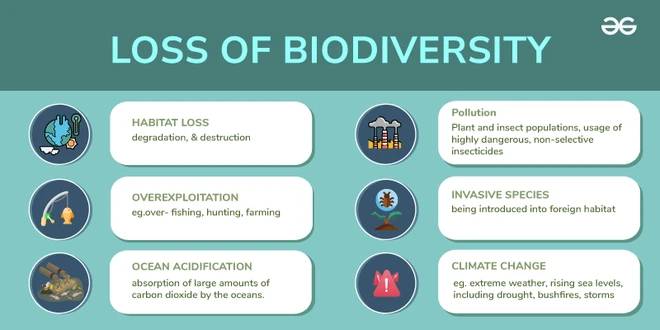
PawVerde.com – Pet food impacts biodiversity primarily through agricultural expansion, which drives 90% of global deforestation, and through high-emission protein sources like red meat. While often excluded from sustainability talks, the pet food industry’s demand for land and resources contributes significantly to habitat loss for thousands of species.
If the pet population in the US comprised a separate country, that nation would rank fifth in global meat consumption, according to Gregory Okin.
Ruminant animals represent the most intensive pressure on planetary boundaries. Producing a single kilogram of red meat, such as beef or lamb, can emit between 50 to 750 kilograms of carbon. This massive emission profile is a primary driver of climate instability, which indirectly destabilizes ecosystems and accelerates species extinction.Agriculture is the primary engine of habitat destruction. Between 2000 and 2018, agriculture was responsible for approximately 90% of global deforestation. This land conversion is a catastrophic failure for wildlife, as 88% of terrestrial vertebrate species are projected to lose at least some habitat to agricultural expansion by 2050. In the pet food supply chain, this often manifests as the cultivation of soy and palm oil to provide calories and fats, frequently at the expense of tropical rainforests.While fish-based proteins offer a lower carbon profile than beef, they introduce a different set of ecological risks. Catching a single kilogram of fish emits between 1 to 5 kilograms of carbon. However, the risk here is not just atmospheric; it is biological. Intensive fishing for pet food ingredients can deplete wild populations, disrupting the food webs that sustain marine biodiversity.Protein Source Carbon Footprint (per kg) Biodiversity Risk Level Primary Driver Red Meat (Beef/Lamb) 50–750 kg Critical Methane & Land Use Fish 1–5 kg High Overfishing/Habitat Loss Insect Protein Low Low to Moderate Feedstock Type Plant-Based Very Low Moderate Monoculture Expansion
While fish-based proteins offer a lower carbon profile than beef, they introduce a different set of ecological risks. Catching a single kilogram of fish emits between 1 to 5 kilograms of carbon. However, the risk here is not just atmospheric; it is biological. Intensive fishing for pet food ingredients can deplete wild populations, disrupting the food webs that sustain marine biodiversity.Protein Source Carbon Footprint (per kg) Biodiversity Risk Level Primary Driver Red Meat (Beef/Lamb) 50–750 kg Critical Methane & Land Use Fish 1–5 kg High Overfishing/Habitat Loss Insect Protein Low Low to Moderate Feedstock Type Plant-Based Very Low Moderate Monoculture Expansion
| Protein Source | Carbon Footprint (per kg) | Biodiversity Risk Level | Primary Driver |
|---|---|---|---|
| Red Meat (Beef/Lamb) | 50–750 kg | Critical | Methane & Land Use |
| Fish | 1–5 kg | High | Overfishing/Habitat Loss |
| Insect Protein | Low | Low to Moderate | Feedstock Type |
| Plant-Based | Very Low | Moderate | Monoculture Expansion |
The data shows significant variation in environmental impact. While carbon emissions differ, the risk to biodiversity includes both atmospheric changes and direct habitat destruction.
The environmental footprint of pet ownership extends into the local water cycle. Nitrogen found in faeces can wash into lakes or rivers, fueling the growth of invasive algae. This process, known as eutrophication, creates “dead zones” where oxygen levels are too low to support fish and other vital organisms.
The US Environmental Protection Agency (EPA) categorizes pet faeces as a significant pollutant in many urban and suburban environments. When nitrogen and phosphorus from waste enter waterways, they act as unintended fertilizers for algae. This sudden nutrient surge causes massive algal blooms that block sunlight and deplete oxygen, effectively suffocating the very biodiversity they were meant to nourish.
As invasive algae proliferate, they consume available oxygen and block sunlight. This biological shift can transform a diverse stream into a stagnant environment within a single season. Such nutrient surges disrupt the life cycles of native aquatic species.Concentrated nitrogen from pet waste in high-density areas provides a constant stimulus to aquatic flora. This prevents the natural seasonal fluctuations that many species rely on for breeding and survival.
A tension exists between consumer perceptions and ecological realities. While some argue the sector merely “recycles” unwanted animal byproducts, the carbon footprint is often obscured by these narratives. Many premium products prioritize high-value muscle meats over more efficient, lower-impact components.The “humanization” of pets has led to a trend of “premiumisation.” These foods, particularly where they contain more meat, increase the resources used to produce them. When manufacturers prioritize “human-grade” cuts, they are essentially diverting high-quality protein away from more efficient uses, increasing the total land and water required to feed a single animal.Utilizing animal by-products that lack other alternative uses supports a circular economy. By incorporating these parts into pet food, the industry can reduce total agricultural demand. Misconceptions regarding these ingredients can inadvertently drive the demand for more intensive, high-impact meat production.
Insect farming is a leading contender for sustainable nutrition. Research has revealed that insect farming possesses a smaller ecological footprint compared with traditional livestock farming, as it requires fewer resources and produces fewer emissions.Insects can be raised in vertical systems, requiring significantly less land than cattle. This efficiency makes them a tool for reducing pressure on terrestrial habitats. When integrated into urban or peri-urban agriculture, insect farming can even help recycle organic waste into high-quality protein.
The biodiversity benefit of insect protein is dependent on feedstock. If insect farms rely on massive monocultures of soy or corn—crops that are themselves drivers of deforestation—the environmental gains are significantly neutralized. To be truly sustainable, insect protein must be paired with non-commodity or upcycled feedstocks.
The scale of the pet industry makes even small changes in ingredient selection highly impactful. In 2023, there were an estimated 840 million cats and dogs worldwide. This massive population requires a staggering amount of resources to maintain.Metric Value Global Cats & Dogs 840 million US Pet Food Spending $58.1 billion Annual CO2-equivalent (US) 64 ± 16 million tons US Pet Industry Total $95.7 billion
The “humanization” of pets has led to a trend of “premiumisation.” These foods, particularly where they contain more meat, increase the resources used to produce them. When manufacturers prioritize “human-grade” cuts, they are essentially diverting high-quality protein away from more efficient uses, increasing the total land and water required to feed a single animal.Utilizing animal by-products that lack other alternative uses supports a circular economy. By incorporating these parts into pet food, the industry can reduce total agricultural demand. Misconceptions regarding these ingredients can inadvertently drive the demand for more intensive, high-impact meat production.
Insect farming is a leading contender for sustainable nutrition. Research has revealed that insect farming possesses a smaller ecological footprint compared with traditional livestock farming, as it requires fewer resources and produces fewer emissions.Insects can be raised in vertical systems, requiring significantly less land than cattle. This efficiency makes them a tool for reducing pressure on terrestrial habitats. When integrated into urban or peri-urban agriculture, insect farming can even help recycle organic waste into high-quality protein.
The biodiversity benefit of insect protein is dependent on feedstock. If insect farms rely on massive monocultures of soy or corn—crops that are themselves drivers of deforestation—the environmental gains are significantly neutralized. To be truly sustainable, insect protein must be paired with non-commodity or upcycled feedstocks.
The scale of the pet industry makes even small changes in ingredient selection highly impactful. In 2023, there were an estimated 840 million cats and dogs worldwide. This massive population requires a staggering amount of resources to maintain.Metric Value Global Cats & Dogs 840 million US Pet Food Spending $58.1 billion Annual CO2-equivalent (US) 64 ± 16 million tons US Pet Industry Total $95.7 billion
Insects can be raised in vertical systems, requiring significantly less land than cattle. This efficiency makes them a tool for reducing pressure on terrestrial habitats. When integrated into urban or peri-urban agriculture, insect farming can even help recycle organic waste into high-quality protein.
The biodiversity benefit of insect protein is dependent on feedstock. If insect farms rely on massive monocultures of soy or corn—crops that are themselves drivers of deforestation—the environmental gains are significantly neutralized. To be truly sustainable, insect protein must be paired with non-commodity or upcycled feedstocks.
The scale of the pet industry makes even small changes in ingredient selection highly impactful. In 2023, there were an estimated 840 million cats and dogs worldwide. This massive population requires a staggering amount of resources to maintain.Metric Value Global Cats & Dogs 840 million US Pet Food Spending $58.1 billion Annual CO2-equivalent (US) 64 ± 16 million tons US Pet Industry Total $95.7 billion
| Metric | Value |
|---|---|
| Global Cats & Dogs | 840 million |
| US Pet Food Spending | $58.1 billion |
| Annual CO2-equivalent (US) | 64 ± 16 million tons |
| US Pet Industry Total | $95.7 billion |
The 64 ± 16 million tons of CO2-equivalent released from dog and cat animal product consumption highlights the atmospheric weight of this sector. Furthermore, the economic scale is immense; in the US alone, pet food and treats accounted for 38% of the $95.7 billion industry expenditures in 2019.
To choose biodiversity-friendly pet food, look for: 1. MSC certification for seafood ingredients; 2. Transparency in insect protein feedstock; 3. Labels supporting regenerative agriculture; and 4. Avoidance of high-impact commodities like uncertified palm oil or soy. Prioritize brands that utilize animal by-products to support a circular economy.Grain-free diets often replace grains with higher-impact animal proteins or legumes like peas and lentils. These ingredients are frequently linked to intensive monoculture farming. A balanced approach that includes sustainable grains may actually have a lower ecological footprint.
Reducing your pet’s environmental impact involves specific dietary and ownership actions:- Optimize Portion Control: Ensure pets are not overfed. The Association for Pet Obesity Prevention notes high obesity rates (59% for dogs and 61% for cats in 2022), and overfeeding wastes resources and drives unnecessary production demand.
- Prioritize Sourcing: Look for commodities with lower footprints and increase the use of plant-based ingredients where appropriate.
- Packaging Awareness: Be mindful that 99% of all pet food and treat packaging goes to the landfill each year, according to the Pet Sustainability Coalition. Invest in recyclable or sustainable packaging options.
- Home Preparation: Making food at home can offer more control over ingredient transparency and resource use.
- Optimize Portion Control: Ensure pets are not overfed. The Association for Pet Obesity Prevention notes high obesity rates (59% for dogs and 61% for cats in 2022), and overfeeding wastes resources and drives unnecessary production demand.
- Prioritize Sourcing: Look for commodities with lower footprints and increase the use of plant-based ingredients where appropriate.
- Packaging Awareness: Be mindful that 99% of all pet food and treat packaging goes to the landfill each year, according to the Pet Sustainability Coalition. Invest in recyclable or sustainable packaging options.
- Home Preparation: Making food at home can offer more control over ingredient transparency and resource use.
Shortcut: When reading labels, look past the “human-grade” marketing and check the specific protein source and feedstock transparency to ensure they aren’t driving deforestation.
FAQ
Does feeding my pet insects help the environment?
Research indicates that insect farming generally has a smaller ecological footprint than traditional livestock. However, the total benefit depends on whether the insects are fed sustainable substrates or high-impact monoculture crops.
Is ‘human-grade’ pet food better for the planet?
Not necessarily. The “premiumisation” trend can increase resource use and land demand. High-value muscle meats require more resources than utilizing the whole animal through efficient by-products.
How does pet obesity affect the environment?
Overfeeding leads to wasted resources and higher production demands. According to the Association for Pet Obesity Prevention, with 59% of dogs and 61% of cats reported as overweight or obese in 2022, managing pet weight is a direct way to reduce their environmental footprint.