

How to Prepare for Pet Ownership Responsibilities: Expert Guide
PawVerde.com – Prospective pet owners face a complex set of responsibilities that extend beyond the initial excitement of bringing a dog or cat into their home. Effective preparation for pet ownership requires a detailed understanding of specific animal needs, a safe and nurturing environment, consistent routines, and ongoing health management. Critical steps include researching breed-specific traits, pet-proofing living spaces, assembling essential supplies, scheduling veterinary care, and fostering socialization and training to ensure the pet’s well-being and positive integration into the household.
Veterinarians and animal behaviorists emphasize that establishing stable daily routines and a secure home environment significantly reduces stress for both pets and owners. Preventive veterinary visits, including vaccinations and parasite control, are foundational to minimizing health risks. Simultaneously, responsible owners must commit to long-term care, encompassing emotional support, nutrition, exercise, and emergency preparedness. These elements collectively form the backbone of responsible pet ownership, balancing animal welfare with practical management for sustainable cohabitation.
Preparing Your Home Environment for Pet Safety
Pet-proofing the home is an essential first step in preparing for a new dog or cat. Removing toxic plants such as lilies, azaleas, and philodendrons reduces poisoning risks, while securing loose electrical wires prevents chewing hazards. Experts recommend designating a specific area with comfortable bedding and familiar toys to help the pet acclimate. For cats, vertical spaces like cat trees encourage natural climbing behavior, whereas dogs benefit from a quiet corner free from excessive foot traffic.
Safety measures extend to securing cabinets containing cleaning agents, medications, and small objects that could be ingested accidentally. Installing baby gates or barriers helps confine pets to safe zones, minimizing exposure to household dangers such as stairs or pools. Veterinarians advise that a well-prepared environment not only protects pets physically but also supports their emotional adjustment by reducing anxiety triggers during the initial transition period.
Essential Supplies for New Pet Owners
Gathering appropriate supplies tailored to the pet’s age, size, and species is critical. Feeding and watering bowls made of stainless steel or ceramic are preferred for hygiene and durability. Nutrition plans should align with veterinary recommendations, emphasizing balanced diets suitable for growth, maintenance, or special health needs. Collars with engraved ID tags and microchipping provide vital identification to prevent loss.
Grooming tools vary by breed but typically include brushes, nail clippers, and pet-safe shampoos. Additionally, leashes and harnesses designed for comfort and control facilitate safe outdoor exercise. Toys that stimulate mental and physical activity contribute to behavioral health, reducing destructive tendencies. Health maintenance kits may include flea and tick prevention products, dental chews, and first aid supplies, underscoring the importance of proactive care from day one.
Establishing Consistent Routines for Feeding, Exercise, and Rest
Routine is fundamental for pet well-being, influencing behavior, digestion, and emotional security. Dogs generally thrive on scheduled feeding times twice daily, while cats often benefit from free-feeding or multiple small meals, depending on veterinary advice. Exercise requirements vary widely by breed; high-energy dogs need extended daily walks and play sessions, whereas more sedentary pets require moderate activity balanced with rest.
Sleep schedules should provide quiet, comfortable spaces where pets can retreat undisturbed. Consistency in timing and environment fosters predictability, reducing stress and behavioral issues such as separation anxiety or excessive vocalization. Animal behaviorists highlight that early establishment of routines supports training effectiveness and strengthens the human-pet bond, creating a foundation for lifelong cooperation.
Veterinary Care and Preventive Health Management
Initial veterinary visits typically include comprehensive physical examinations, vaccination protocols, parasite screenings, and nutritional assessments. Vaccines commonly administered cover rabies, distemper, parvovirus, and feline leukemia, tailored to the pet’s risk profile and local regulations. Parasite control involves treatments for fleas, ticks, heartworms, and intestinal worms, essential for preventing disease transmission.
Regular wellness exams help detect early signs of illness, enabling timely interventions. Dental hygiene, often overlooked, is critical for preventing periodontal disease, which affects a significant percentage of adult pets. Emergency preparedness includes assembling first aid kits, learning basic pet CPR, and establishing contacts for emergency veterinary services. Veterinarians recommend reviewing and updating health plans annually to adapt to changing needs as pets age.
Socialization and Behavioral Training Techniques
Socialization reduces anxiety and enhances adaptability, particularly when introduced during the sensitive early months. Gradual exposure to family members, other pets, sounds, and environments fosters confidence and reduces fearful or aggressive behaviors. Positive reinforcement training methods, including clicker use and reward-based commands, have proven efficacy in teaching basic obedience such as sit, stay, and recall.
House training is fundamental, involving consistent schedules for bathroom breaks and crate training where appropriate. Managing emotional needs includes recognizing signs of stress and providing enrichment activities to prevent boredom-induced behaviors like destructive chewing or excessive scratching. Collaboration with professional trainers or animal behaviorists can address complex issues, ensuring the pet’s behavioral health aligns with household expectations.
Long-Term Commitment and Ethical Responsibilities
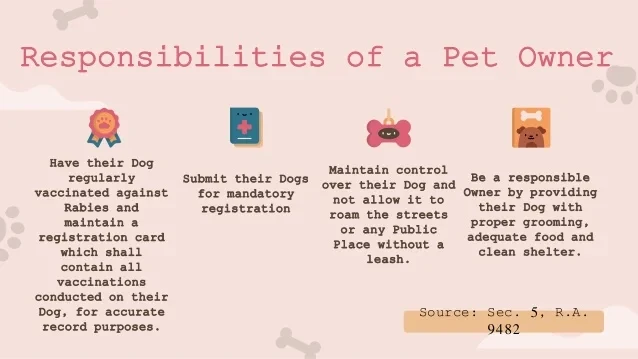
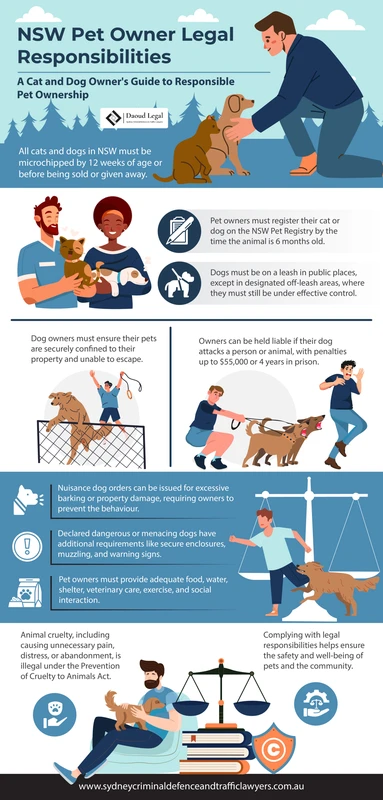
Pet ownership encompasses a lifecycle commitment involving evolving care from puppy or kitten stages through senior years. Nutritional adjustments, mobility support, and regular health screenings become increasingly important as pets age. Owners must also consider the pet’s role within the community, adhering to leash laws, waste management, and noise control to ensure harmonious neighborhood interactions.
Participation in animal welfare initiatives, such as supporting organizations like the American Kennel Club (AKC) or Guide Dogs for the Blind, promotes broader awareness of responsible ownership. Ethical considerations include avoiding impulse adoption, ensuring spaying/neutering to control overpopulation, and providing emotional support recognizing pets as sentient beings. These responsibilities affirm the owner’s commitment to animal welfare beyond the domestic sphere.
FAQ
What are the most important steps to prepare my home for a new pet?
Pet-proofing your home by removing toxic plants, securing electrical cords, and restricting access to hazardous areas is essential. Creating a designated comfortable space with bedding and toys helps pets adjust. Additionally, securing cabinets, installing barriers, and ensuring safe outdoor areas contribute to a secure environment.
How often should I take my new pet to the veterinarian?
Initial veterinary visits should occur soon after adoption for a full health assessment and vaccinations. Puppies and kittens require more frequent visits during their first months. Adult pets benefit from annual wellness exams, while senior pets may need biannual checkups to monitor age-related health issues.
What supplies are essential for new dog and cat owners?
Essential supplies include food and water bowls, age-appropriate nutrition, collars with ID tags, leashes or harnesses, grooming tools, and toys. Health maintenance items such as flea and tick prevention and dental care products are also important to support ongoing well-being.
How can I effectively socialize my new pet?
Introduce your pet gradually to family members, other animals, and new environments using positive reinforcement. Early, consistent exposure reduces anxiety and promotes adaptive behavior. Enrichment activities and training help meet emotional needs and prevent behavioral problems.
What should I include in an emergency preparedness plan for my pet?
An emergency plan should include a pet first aid kit, a list of emergency contacts including veterinary clinics, copies of medical records, sufficient food and water supplies, and identification tags or microchips. Familiarizing yourself with basic pet CPR and evacuation procedures enhances preparedness.
—
Preparing for pet ownership involves a multidimensional approach integrating environment safety, health care, behavioral management, and ethical stewardship. Owners who invest in thorough preparation and ongoing education foster healthier, happier pets and contribute positively to animal welfare standards. Moving forward, embracing advanced veterinary practices, leveraging technology in pet monitoring, and engaging with community resources will further enhance the quality and longevity of the human-animal bond.