

What Is Eco-Conscious Pet Travel Ethics? Guide to Sustainable Trips
PawVerde.com – Eco-conscious pet travel ethics emphasize minimizing environmental impact and safeguarding animal welfare through sustainable transportation, eco-friendly accommodations, responsible wildlife interactions, and conscientious pet care. This approach integrates the principles of sustainable tourism and animal welfare, guiding travelers to make informed decisions that reduce carbon footprints and promote ethical treatment of animals during their journeys. With rising awareness of environmental challenges and animal rights, adopting these ethics has become essential for pet owners seeking to travel responsibly.
Sustainable transportation methods, such as walking or using public transit, significantly lower emissions compared to private vehicles, making them preferable for short-distance travel with pets. When motorized travel is necessary, fuel-efficient vehicles and strategic trip planning optimize resource use and reduce ecological strain. Alongside transportation choices, investing in eco-friendly pet carriers and travel gear made from recycled or biodegradable materials supports the reduction of plastic waste and promotes sustainable consumption. These practical steps align with sustainable pet travel initiatives advocated by organizations like Tourism Cares and the Global Sustainable Tourism Council (GSTC).
Introduction to Eco-Conscious Pet Travel Ethics
eco-conscious pet travel ethics encompass practices that prioritize environmental sustainability and animal welfare in every aspect of traveling with pets. This framework addresses the environmental impacts of transportation, accommodation, and activities, alongside ethical considerations regarding animal interactions and wellbeing. The importance of these ethics stems from the increasing number of pet owners traveling with their animals, which can exacerbate ecological footprints and contribute to animal exploitation if not managed responsibly.
Sustainability in pet travel involves reducing greenhouse gas emissions, minimizing waste, and choosing products and services that demonstrate environmental stewardship. Animal welfare considerations include selecting accommodations that provide safe, humane conditions for pets, avoiding attractions that exploit wildlife, and supporting conservation efforts. Certifications such as the 4Patas Travel Certification and initiatives by ethical tourism organizations like World Animal Protection and the Global Federation of Animal Sanctuaries provide travelers with benchmarks for responsible choices.
Sustainable Transportation Practices for Traveling with Pets
Transportation accounts for a substantial portion of the carbon footprint in travel. For pet owners, integrating sustainable transport methods can reduce environmental impact while ensuring pet comfort and safety. Walking, when feasible, is the most eco-friendly option, promoting physical activity for both pets and owners without emissions. Public transportation systems, including buses and trains, often allow pets and serve as a low-carbon alternative to private vehicles.
For longer distances or destinations lacking public transit access, selecting fuel-efficient or hybrid vehicles lessens fuel consumption and emissions. Trip planning software and apps now include features to optimize routes and consolidate errands, preventing unnecessary travel and reducing pollution. Additionally, choosing eco-friendly pet carriers made from recycled plastics or biodegradable fabrics minimizes plastic waste while providing secure transport for animals.
Studies indicate that pet owners who adopt these transportation practices can reduce their travel-related emissions by up to 30%, underscoring the impact of small behavioral changes. The use of green travel gear also aligns with sustainable pet care practices by preventing environmental degradation associated with synthetic materials.
Choosing Eco-Friendly and Ethical Pet Accommodations
Selecting accommodations that align with eco-conscious pet travel ethics requires evaluating environmental policies, animal welfare standards, and certifications. Pet-friendly hotels and lodgings that implement green initiatives—such as energy efficiency, water conservation, and waste reduction—contribute to overall sustainability. Certifications like the 4Patas Travel Certification evaluate properties based on their commitment to pet welfare, environmental practices, and community engagement, providing travelers with verified options.
Examples of eco-conscious accommodations offering pet services include lodges that use solar energy, provide organic pet food, and use biodegradable cleaning products. Such establishments often partner with local animal welfare organizations to support community-based conservation projects. In addition to hotels, eco-friendly vacation rentals with pet-friendly policies offer personalized stays with reduced environmental footprints.
Choosing accommodations with transparent ethical policies ensures pets are not subjected to neglect or unsafe conditions and that the establishment actively minimizes its environmental impact. This dual focus on ecological and animal welfare standards reflects the integrated nature of responsible tourism endorsed by bodies like the Global Sustainable Tourism Council.
Ethical Interaction with Wildlife and Other Animals
Ethical wildlife interaction is a cornerstone of eco-conscious pet travel ethics, aiming to prevent animal exploitation and promote conservation. Travelers are urged to avoid attractions involving captive or performing wildlife, such as dolphinariums or circuses, where animal welfare is often compromised. Instead, responsible wildlife viewing respects animals’ natural behaviors and habitats, following guidelines established by organizations such as the World Association of Zoos and Aquariums (WAZA).
Certified wildlife tourism operators provide guided experiences that educate travelers on conservation challenges and support sanctuary programs. Visiting animal sanctuaries accredited by the Global Federation of Animal Sanctuaries ensures that funds directly aid rehabilitation and protection efforts. These ethical tourism initiatives help reduce demand for exploitative attractions and foster sustainable economic benefits for local communities engaged in conservation.
Travelers are encouraged to maintain safe distances from wildlife, avoid feeding or touching animals, and adhere to local regulations designed to protect ecosystems. These practices reduce stress on animals and preserve biodiversity, aligning with the broader goals of ethical tourism organizations.
Sustainable Pet Care Practices While Traveling
Sustainable pet care during travel addresses waste management, feeding, and overall environmental impact. Using biodegradable pet waste bags and composting pet waste where facilities exist prevents pollution and supports soil health. Pet owners can select compostable or reusable waste bags certified by recognized environmental standards to ensure minimal ecological footprint.
Feeding practices also influence sustainability; choosing pet food packaged in recyclable materials or buying locally sourced, organic products reduces packaging waste and supports sustainable agriculture. Eco-friendly pet carriers, bedding, and toys made from natural or recycled materials complement these efforts.
Selecting pet care providers, such as groomers or sitters, that implement green policies—like energy-efficient equipment and non-toxic products—further extends sustainable practices. Programs like the EF Animal Welfare Program encourage service providers to adopt ethical and environmentally friendly standards, enhancing the overall travel experience for pets and owners alike.
Supporting Responsible and Ethical Tourism Initiatives
Global organizations play a vital role in establishing standards and certifications that guide eco-conscious pet travel ethics. World Animal Protection advocates for policies that prevent animal cruelty and promote welfare in tourism. The Global Sustainable Tourism Council (GSTC) sets criteria for sustainable tourism, including animal welfare considerations, which certification bodies use to evaluate operators.
Tourism Cares mobilizes the industry to support sustainable development and conservation efforts, often partnering with ethical tourism operators to promote responsible practices. The EF Animal Welfare Program provides training and certification for animal welfare-friendly service providers, enabling travelers to make informed choices.
Travelers can actively support these initiatives by choosing certified accommodations and operators, participating in conservation programs, and advocating for animal welfare policies. Engaging with these organizations enhances trust and accountability within the tourism sector, fostering a culture of responsibility and respect for animals and the environment.
The Impact and Future of Eco-Conscious Pet Travel Ethics
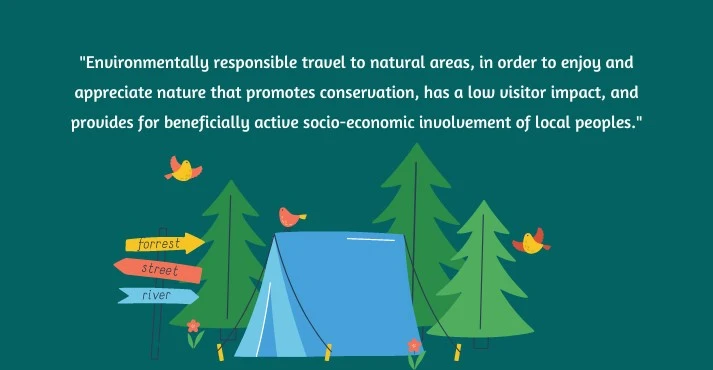
Adopting eco-conscious pet travel ethics yields long-term benefits for animals, ecosystems, and local communities. Reduced carbon footprints contribute to mitigating climate change, while ethical treatment of animals supports biodiversity and humane tourism practices. Communities benefit economically and socially from sustainable tourism that respects cultural and environmental integrity.
Looking ahead, innovations in sustainable pet travel gear, expanded certification programs, and increased awareness among travelers are expected to drive further improvements. Integrating technology, such as apps for locating certified eco-friendly accommodations or tracking carbon emissions, will empower pet owners to make better choices.
The future of eco-conscious pet travel ethics hinges on continuous collaboration among travelers, industries, and organizations to uphold and advance standards that protect the planet and its animals. By embedding sustainability and welfare at the core of pet travel, the tourism sector can evolve toward a more responsible and ethical model.
Frequently Asked Questions
What are the main principles of eco-conscious pet travel ethics?
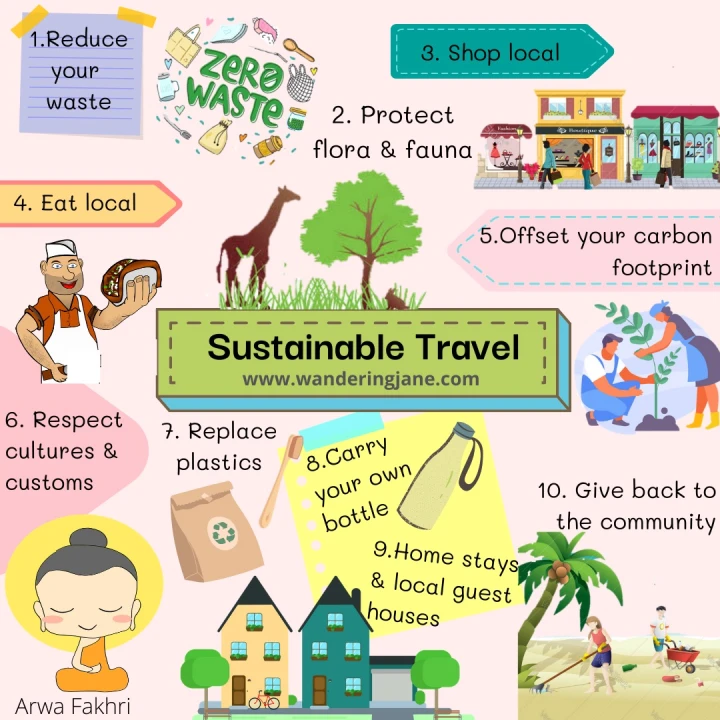
Eco-conscious pet travel ethics focus on minimizing environmental impact through sustainable transportation, selecting eco-friendly accommodations with verified certifications, avoiding exploitative wildlife interactions, managing pet waste responsibly with biodegradable products, and supporting conservation and animal welfare initiatives during travel.
How can I choose eco-friendly accommodations that welcome pets?
Look for accommodations that have certifications such as the 4Patas Travel Certification, demonstrate sustainable practices like energy and water conservation, use non-toxic cleaning products, and maintain transparent pet welfare policies. Researching partnerships with local conservation groups can also indicate ethical commitments.
Are there guidelines for interacting with wildlife while traveling with pets?
Yes, travelers should avoid attractions involving captive or performing animals, maintain safe distances from wildlife, not feed or touch wild animals, and participate in tours operated by certified guides who follow conservation and welfare standards. These practices protect animal wellbeing and natural habitats.
What sustainable transportation options are best for pet travel?
Walking and public transportation are the most sustainable options for short trips. For longer travel, fuel-efficient or hybrid vehicles reduce emissions. Using eco-friendly pet carriers made from recycled or biodegradable materials complements these choices by reducing plastic waste.
How can I manage pet waste sustainably while traveling?
Use biodegradable or compostable pet waste bags certified by environmental standards. Dispose of waste in designated composting facilities or appropriate trash receptacles to prevent pollution. Avoid plastic bags that contribute to landfill accumulation and environmental harm.