
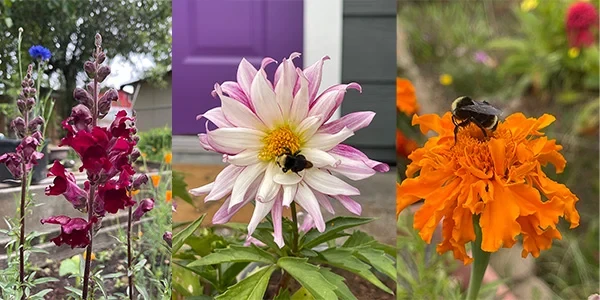
Best Native Plants for Pet-Safe Habitats in 2026
PawVerde.com – Creating a pet-safe native habitat requires balancing pollinator needs with pet toxicity. While native plants like Wild Geranium are safe, others like Milkweed or Sago Palms pose severe risks. The key is selecting non-toxic species, using durable planting techniques, and avoiding harmful pesticides and cocoa bean mulches.
Milkweed is poisonous to just about everything except monarch butterflies.
The Native Plant Risk Matrix: Beyond Simple Toxicity
A pet-safe native garden should be categorized by risk: ‘Safe to Ingest’ (e.g., Wild Geranium), ‘Safe to Brush Against’ (non-irritating textures), and ‘Dangerous Berries/Seeds’ (plants that are safe for pollinators but have toxic fruit). Always verify specific species via the ASPCA or National Wildlife Federation lists.
According to the American Animal Hospital Association (AAHA), even non-toxic plants can cause issues. Large amounts of plant material can cause stomach upset, vomiting, or diarrhea in dogs and cats.
The ‘Nuisance vs. Toxic’ Distinction
Not every plant that causes a stomach ache is a lethal toxin. For instance, the ASPCA notes that many non-toxic plants can still cause significant gastrointestinal distress if consumed in large quantities. Practitioners must distinguish between a plant that causes mild irritation and one that triggers systemic organ failure.
The Hidden Danger of Native Berries
Landscapers must account for the entire life cycle of a plant. A species may be safe while in its leafy, vegetative state, but develop toxic berries or seeds as the season progresses. Consult the National Audubon Society or the ASPCA to confirm safety across all growth stages.
Design for Durability: Building Dog-Centric Habitats
To improve plant survival in high-energy yards, select 1 size or larger container plants. Placing these in dense clusters improves durability and discourages dogs from trampling new growth.
Shortcut: To create a resilient landscape, use the “Cluster Method.” Grouping plants together creates a thicker barrier that is harder for a pet to walk through or dig under.
To protect plants in high-traffic areas, follow these structural principles:
- Use heavy, stable containers to prevent tipping during play.
- Prioritize plants with woody stems rather than soft, succulent stems.
- Create physical boundaries to separate high-traffic dog runs from delicate pollinator zones.
High-Risk Species to Avoid in Your Garden
Certain plants pose immediate threats to domestic animals. While they may support specific birds or insects, they can lead to fatal outcomes if ingested.
- Milkweed: While essential for monarch butterflies, the sap is toxic to animals, including pets and horses, if consumed in large quantities.
- Sago Palms: These can cause significant gastrointestinal distress and liver failure.
- Lilies: These can cause kidney failure in cats.
- Autumn Crocus: Ingestion can be very dangerous, with effects ranging from severe gastrointestinal distress to bone marrow suppression and multi-organ failure.
| Plant Category | Pollinator Benefit | Pet Safety Status | Primary Risk |
|---|---|---|---|
| Wild Geranium | High (Bees/Butterflies) | Safe | Minimal (Digestive upset if over-grazed) |
| Milkweed | Critical (Monarchs) | Toxic | Gastrointestinal/Systemic toxicity |
| Sago Palm | Low | Highly Toxic | Liver failure |
| Single-flower Blossoms | High (Hummingbirds) | Variable | Depends on specific species |
The risk of toxicity means a garden optimized for butterflies may require careful management to remain a safe zone for a curious dog.
Pollinator-Friendly vs. Pet-Safe: Finding the Balance
Prioritize single-flower blossoms to offer more nectar for hummingbirds. Use ‘Petscaping’ to create dedicated wildlife zones that are physically separated from high-traffic pet areas.
Effective petscaping involves creating specialized habitats. For example, CNPS San Diego advocates for designing outdoor spaces that support pets, people, and wildlife alike by creating safe spaces to explore and rest while providing food and shelter for wildlife.
When selecting plants for hummingbird attraction, aim for height. Plants that are two feet and taller provide ideal feeding locations. Additionally, single-flower blossoms are often more efficient for nectar extraction compared to complex, double-flowered varieties.
The Pesticide-Free Habitat Checklist
WDFW notes that even pesticides claiming to be “safe,” “natural” or “organic” are toxic to certain insects or in certain environments. Chemical residues can devastate the pollinators you aim to attract.
Maintain a safe ecosystem by avoiding these chemical groups:
- Neonicotinoids: This group includes Acetamiprid, Clothianidin, Dinotefuran, Imidacloprid, and Thiamethoxam.
- Pyrethroids: Often used in topical pet treatments, these can be devastating for pollinators.
- Metalaldehyde: A highly dangerous chemical used in snail and slug baits.
Instead of using harmful baits like metaldehyde, consider alternatives to maintain garden health without chemical risk.
Site Preparation and Soil Health
Successful establishment begins with assessing soil texture. Dig in and feel the grains between your fingers; sandy soils will feel gritty and fall through fingers, while clay soils feel smooth and sticky when wet.
To support biodiversity, leave small patches of unmowed areas. These provide necessary nesting sites and materials for bees and other ground-nesting insects.
FAQ
Is cocoa bean mulch safe for dogs?
No. Cocoa bean mulch contains theobromine, which is toxic to dogs. Because it smells like chocolate, dogs are often attracted to eat it, leading to potential sickness.
How can I tell if my soil is sandy or clay?
Dig in and feel the grains. Sandy soil feels gritty and falls through your fingers, while clay soil feels smooth and sticky when wet.
Are all native plants safe for pets?
No. While many are safe, species like Milkweed are toxic to animals, and Sago Palms can cause liver failure.