
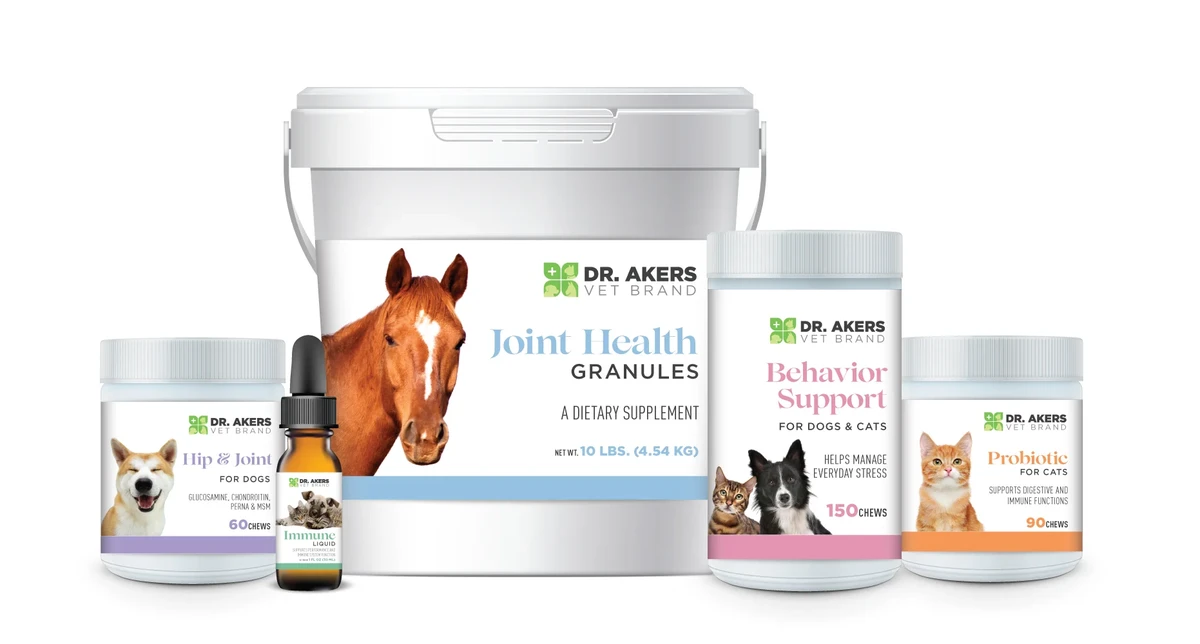
Sustainable Pet Supplement Manufacturing: Eco-Trends 2026
PawVerde.com – The pet supplement market is undergoing a rapid green transformation, driven by a 9.4% CAGR and increasing consumer demand for eco-friendly labels. Manufacturers are now pivoting from simple FDA compliance toward complex sustainability audits, balancing carbon-neutral ingredient extraction with the technical challenges of biodegradable packaging and shelf-life stability. Pet owners are increasingly voting with their wallets, with 60% identifying ‘recyclable’ as a primary trustworthy label claim in recent surveys.
The Sustainability Paradox: Balancing Eco-Friendly Sourcing with Product Stability
The sustainability paradox in pet supplements involves the technical conflict between using biodegradable packaging and maintaining the nutrient density of sensitive ingredients. While eco-friendly materials reduce waste, they often lack the moisture and oxygen barriers required to prevent the oxidation of critical oils, such as Omega-3s, which can compromise product efficacy and safety.
The Oxidation Risk in Biodegradable Pouches
A pouch does its hardest work after it’s been opened. A pouch does its hardest work after it’s been opened, as a compromised seal allows air to enter, causing food to dry out and leading to product waste. This failure mode is particularly dangerous for lipid-heavy supplements. If a biodegradable material fails to provide a sufficient barrier, oxygen ingress triggers rapid oxidation.
Oxidation alters the chemical structure of the supplement. This degradation impacts the biological value of the product. If the seal is compromised, the contents become ineffective. This creates a waste cycle where eco-friendly packaging actually leads to more discarded product.
Nutrient Density vs. Shelf-Life
The quality of raw materials directly impacts the safety and effectiveness of pet supplements, as noted by Pharmatech Asia Group pet nutrition. Maintaining this quality requires a strict balance between the environmental footprint of the container and the chemical stability of the ingredients. High-performance barriers are often non-recyclable, creating a tension between shelf-life and sustainability.
Beyond Compliance: A Sustainability Audit Checklist for Founders
Founders must look beyond standard regulatory requirements to build a truly sustainable brand. While the FDA oversees pet supplements as animal feed, enforcing safety and labeling rules under the FD&C Act, true sustainability requires a broader scope of inquiry.
A comprehensive audit should include the following pillars:
- Ingredient Sourcing: Prioritize upcycled side-streams from the human food industry and verify carbon footprints of raw materials.
- Manufacturing Standards: Implementing GMP can reduce product contamination risks and ensure consistent efficacy.
- Quality Assurance: The NASC Quality Seal requires manufacturers to maintain a quality control manual and conduct random product testing to detect heavy metals and contaminants.
- Packaging End-of-Life: Evaluate the lifecycle of mono-material pouches versus compostable alternatives.
To maintain integrity, manufacturers must adhere to strict documentation. For example, the NASC Quality Seal Program requires companies to maintain a quality control manual to meet organizational standards.
Green Extraction: Moving Away from Chemical Solvents
The environmental footprint of a supplement is heavily influenced by the extraction process. While traditional methods often rely on hexane, a petroleum-based solvent, newer approaches aim to reduce chemical waste.
Mechanical expeller pressing serves as a highly sustainable alternative to chemical solvent extraction, using higher pressures and temperatures than cold pressing while still avoiding chemical solvents. This allows for high yields without the ecological burden of solvent recovery systems.
| Extraction Method | Environmental Impact | Primary Mechanism |
|---|---|---|
| Hexane Extraction | High (Chemical Waste) | Chemical Solvent Dissolution |
| Expeller Pressing | Low (Mechanical) | High Pressure & Temperature |
| Green Solvent | Low (Eco-friendly) | Aqueous-assisted or Terpene-based |
Selection depends on the target ingredient, as mechanical pressing is a viable method for seed oil extraction, providing a way to manage yields without the ecological burden of traditional solvent systems.
Navigating the Regulatory Landscape: FDA and NASC Standards
Regulatory compliance is the baseline, not the ceiling, for pet supplement manufacturing. The FDA oversees pet supplements as animal feed, enforcing safety and labeling rules under the FD&C Act. This ensures that products are safe for consumption, but it does not inherently mandate environmental sustainability.
NASC certification is a voluntary quality seal that shows a brand meets strict manufacturing and labeling standards, according to Matsun Nutrition. This seal provides a layer of trust for consumers looking for verified quality. However, a common misconception exists regarding the depth of this certification: NASC does not require companies to perform efficacy studies or verify scientific research data for product efficacy.
While the NASC seal confirms that a manufacturer follows Good Manufacturing Practices (GMP), it is not a guarantee of clinical proof. According to research cited in the National Science Foundation (NSF) article, the NASC does not require companies to verify that scientific research data are available to prove product efficacy.