
Local Fostering Networks Provide Key Resources Supporting 328K+ Youth
PawVerde.com – Local fostering networks in 2026 serve an estimated 328,947 children in care, providing vital support through coordinated programs that combine material aid, financial grants, educational services, and community engagement. Leading organizations such as The Foster Network and CASA Cares deliver clothing, furniture, scholarships, and personal development grants, while educational initiatives like the Foster Youth Services Coordinating Program (FYSCP) and Colorado Lab’s Fostering Opportunities emphasize evidence-based approaches to improving foster youth outcomes. These interconnected networks underscore a nationwide commitment to holistic foster care support.
Key Local Fostering Networks and Their Comprehensive Resources
The Foster Network stands out for its expansive material support offerings, including a dedicated clothing and furniture donation program known as The Closet. This initiative supplies foster families with essential household items and apparel, alleviating financial burdens on caregivers. Beyond material aid, The Foster Network administers scholarship programs aimed at empowering foster youth to pursue higher education, alongside seasonal campaigns such as “Give Joy This Christmas” that mobilize community donations for foster children during the holidays. Regular support group meetings hosted by the organization foster peer connections among foster families and youth, promoting emotional resilience and shared learning.
CASA Cares complements these efforts by providing grants of up to $500 per child, targeting expenses related to personal development such as extracurricular activities, educational tools, and therapy sessions. These grants are designed to address individual needs swiftly and flexibly, enhancing the child’s growth opportunities outside conventional funding streams. Meanwhile, Kids at Risk Action (KARA) offers a suite of free and discounted resources, alongside advocacy services, to reduce systemic barriers faced by foster families. Their focus on policy engagement and direct assistance complements the grassroots efforts of local networks.
The National Foster Care Awareness Month Toolkit, widely adopted by schools and community organizations, encourages cross-sector collaboration to raise awareness and embed foster care support within educational settings. This toolkit provides practical strategies for educators and community partners to foster inclusive environments for foster youth, enhancing social integration and academic support.
Financial and Material Assistance Programs Enhancing Foster Family Stability
The Foster Network’s donation programs address critical gaps in foster family resources by distributing gently used and new clothing, furniture, and household necessities. This initiative is particularly impactful in regions where foster families face difficulty accessing affordable material goods. Eligibility criteria for these programs typically require verification of foster care status through child welfare agencies, ensuring resources reach intended recipients efficiently.
CASA Cares’ grant program operates through nominated advocates who submit requests on behalf of foster children, streamlining access to funds for urgent personal needs. These grants have supported expenses ranging from musical instrument purchases to specialized tutoring, underscoring the program’s flexibility. Additionally, initiatives like “Charlotte’s Dream” focus on fulfilling individualized wishes of foster children, further personalizing support beyond basic needs.
Financial assistance programs across networks emphasize transparency and accountability, often incorporating reporting requirements to monitor the impact of funds on child development. This approach ensures resources contribute effectively to foster children’s overall well-being.
Evidence-Based Educational Support Through Coordinated Programs
The Foster Youth Services Coordinating Program (FYSCP), implemented through partnerships with school districts and child welfare agencies, exemplifies cross-system collaboration aimed at educational stability and success for foster youth. By coordinating enrollment, attendance monitoring, and individualized academic planning, FYSCP addresses common educational disruptions experienced by foster children.
Colorado Lab’s Fostering Opportunities program employs evidence-backed interventions that have demonstrated measurable improvements in foster youth academic outcomes, including increased graduation rates and standardized test scores. The program integrates tutoring, mentoring, and family engagement strategies, supported by rigorous data collection to refine methodologies continually. Its success has prompted interest in replication across other states seeking to improve foster care education systems.
Such educational initiatives also prioritize trauma-informed approaches, recognizing the unique challenges foster youth face in learning environments. Training for educators and foster parents on trauma-responsive techniques is often included to create supportive school climates.
Community and Support Group Networks Bolstering Foster Family Resilience
Local organizations affiliated with The Foster Network, KARA, and CASA Cares frequently coordinate support group meetings that provide emotional and informational assistance to foster parents and youth. These gatherings facilitate peer-to-peer exchange, reduce isolation, and disseminate best practices for navigating the foster care system. Strength-based language and empowerment frameworks guide these sessions, fostering positive identity formation among foster youth.
Community partners—including kinship care providers, social workers, and faith-based groups—play a pivotal role in sustaining these networks. Many partner agencies contribute resources, volunteer hours, and advocacy efforts to expand the reach and effectiveness of foster care programs. Platforms for submitting “wishes” or grant requests enable community members to participate actively in meeting foster children’s specific needs, reinforcing a collaborative culture.
Outreach efforts emphasize inclusivity and diversity, recognizing the varied cultural backgrounds and experiences within the foster care population. This community-centric strategy aims to build sustainable support ecosystems that adapt to evolving foster care demographics.
Comparative Analysis of Program Accessibility and Measurable Impact

Geographically, The Foster Network maintains broad coverage, with localized chapters enabling tailored resource distribution and community engagement. CASA Cares operates primarily through court-appointed special advocates, limiting its accessibility to children with active CASA representation but ensuring focused support. KARA’s advocacy and resource discounts often concentrate in urban centers but maintain online platforms to extend reach.
Integration of educational, financial, and material assistance varies by program. The Foster Network’s multifaceted approach combines these elements, while FYSCP and Colorado Lab’s programs specialize in educational outcomes. This division of focus allows complementary strengths but necessitates strong inter-agency communication to prevent service fragmentation.
Ongoing evaluations highlight positive outcomes: The Foster Network reports increased foster family retention linked to its support services, CASA Cares documents enhanced child well-being through grant-funded activities, and FYSCP demonstrates statistically significant improvements in foster youth academic performance. These measurable results inform continuous program refinement and justify sustained funding.
| Program | Primary Support Type | Target Population | Geographic Reach | Notable Outcomes |
|---|---|---|---|---|
| The Foster Network | Clothing, furniture, scholarships, support groups | Foster families and youth | National with local chapters | Improved resource access and family retention |
| CASA Cares | Personal development grants ($500 max) | Foster children with CASA advocates | National | Enhanced child well-being and development |
| Kids at Risk Action (KARA) | Free/discounted resources, advocacy | Foster families | Urban centers, online | Reduced systemic barriers |
| Foster Youth Services Coordinating Program | Educational coordination and support | Foster youth in school systems | Statewide (varies) | Higher graduation rates and attendance |
| Colorado Lab’s Fostering Opportunities | Evidence-based educational interventions | Foster youth | Colorado and replication sites | Academic performance improvements |
The Future Trajectory of Fostering Networks and Resource Collaboration
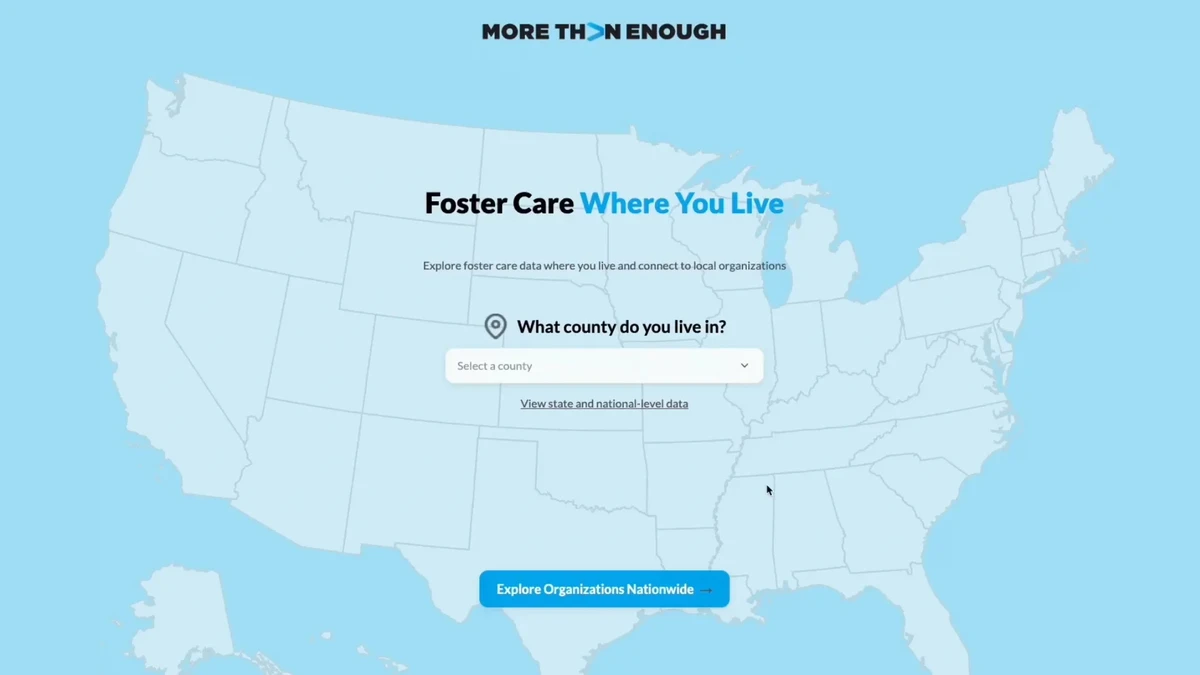
Sustained partnerships among foster care organizations, educational institutions, and community stakeholders remain critical to expanding and refining support for foster youth and families. Emerging trends emphasize data-driven program evaluation and culturally responsive services to better meet diverse needs. Advocacy efforts continue to push for increased funding and policy reforms that streamline access to resources and reduce systemic obstacles.
Community engagement initiatives aim to broaden volunteer bases and donor participation, leveraging awareness campaigns such as National Foster Care Awareness Month to galvanize public support. The integration of digital platforms for resource coordination and grant applications is also accelerating, enhancing transparency and efficiency.
As the foster care population stabilizes near 329,000 nationwide, the combined efforts of local fostering networks and evidence-based programs provide a robust framework for improving foster children’s material well-being, educational success, and emotional resilience. Ongoing collaboration and innovation will be essential in addressing persistent challenges and ensuring foster youth thrive within supportive communities.