
Natural Remedies for Dog Allergies: Effective Holistic Care
PawVerde.com – Natural remedies for dog allergies focus on soothing topical irritation and modulating the immune response through supplements like Quercetin and Colostrum. While effective for mild cases, they serve as supportive care rather than a replacement for traditional medications like Apoquel in moderate to severe clinical scenarios.
Integrative therapy can successfully manage allergy symptoms in 50% to 60% of pets, with another 20% to 30% seeing partial response. This suggests that a holistic approach can be a viable component of a broader management plan.
The Symptom-to-Remedy Decision Tree
To choose the right remedy, first identify the allergy type: use topical treatments like colloidal oatmeal or chamomile compresses for seasonal skin irritation, and dietary interventions like an 8-12 week hypoallergenic food trial for suspected food allergies. Always prioritize safety by avoiding acidic treatments on broken skin.
Seasonal vs. Food Allergy: How to tell the difference
Leigh Burkett, DVM, notes that distinguishing between environmental triggers and dietary sensitivities is the first step in effective management. A common misconception is that blood tests can definitively identify food sensitivities; however, industry practitioners report that blood tests are not reliable for diagnosing food allergies in dogs. Instead, the most accurate diagnostic method is a strict dietary trial.
A successful food allergy diagnosis requires a commitment to a hypoallergenic food protocol for 8 to 12 weeks. During this period, the dog cannot consume any other food items, including treats, human scraps, or even flavored medications. Failure to maintain this strictness often leads to a false negative, where the owner believes the allergy persists simply because the trigger was not fully removed.
Topical vs. Ingestible: Matching the remedy to the symptom
Matching a remedy to a symptom requires distinguishing between localized and systemic issues. For intense itching in specific spots like the paws or belly, topical solutions like chamomile compresses are the priority. If symptoms involve chronic inflammation, ingestible immune modulators may be required.
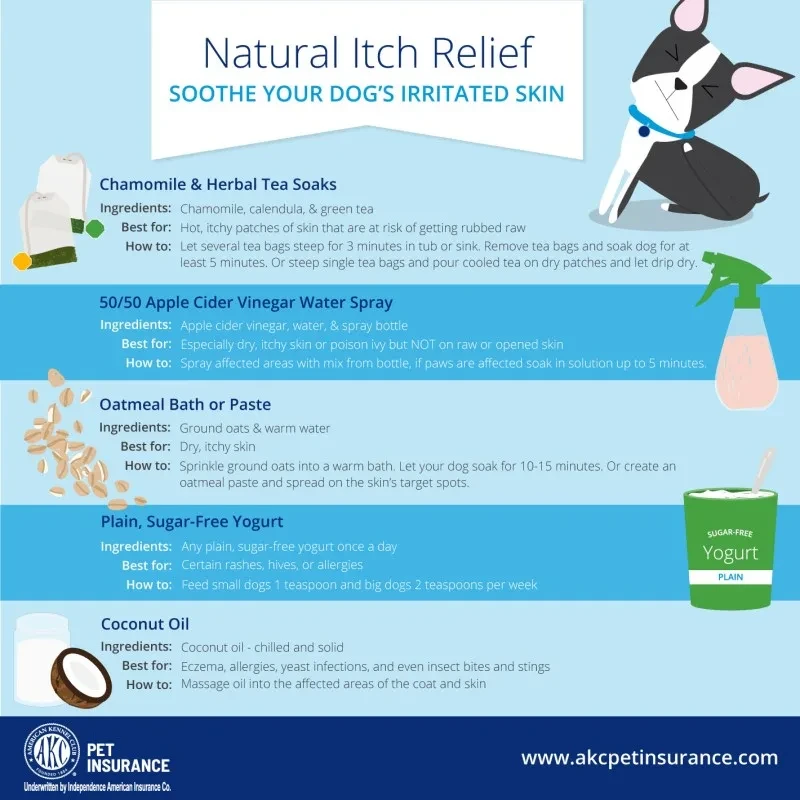
- Localized Irritation: Use chamomile compresses or oatmeal-based baths for immediate skin soothing.
- Systemic Immune Support: Utilize supplements like Quercetin to address internal histamine responses.
- Dietary Management: Implement a strict 8 to 12 week hypoallergenic diet trial to isolate food triggers.
Natural Remedy Safety Matrix: What to Use and What to Avoid
Applying the wrong substance to a compromised skin barrier can cause significant harm. For example, baking soda is highly alkaline and can disrupt the skin’s pH balance, leading to redness and damage.
| Remedy Type | Action/Status | Primary Risk/Limitation |
|---|---|---|
| Colloidal Oatmeal | Recommended | Over-bathing can cause skin dryness. |
| Apple Cider Vinegar | Caution | Can sting and irritate inflamed or broken skin. |
| Baking Soda | Caution | Highly alkaline; can disrupt the skin’s pH balance. |
| Coconut Oil | Limited Use | Not proven to relieve allergic itch or inflammation. |
Coconut oil has mild moisturizing properties, but it is not proven to relieve allergic itch or inflammation in dogs. Vetster notes that excessive ingestion of coconut oil can also lead to complications regarding digestion and weight management. Similarly, apple cider vinegar’s high acidity makes it a significant risk for dogs with raw or broken skin, as it can cause intense stinging.
Topical Soothing Techniques for Itchy Skin
When skin irritation is visible, owners can use cooling agents to break the “itch-scratch cycle.” These methods target surface discomfort to prevent secondary infections.
The Gold Standard: Colloidal Oatmeal Baths
According to Borash Vet, “Colloidal oatmeal remains the gold standard for relieving itchy skin naturally.” This involves using extremely fine, powder-like oatmeal that can suspend in water to create a soothing film over the skin.
- Grind plain, unsweetened oatmeal into a very fine powder.
- Mix the powder into lukewarm bath water.
- Soak the affected areas for 10-15 minutes.
- Pat the skin dry gently; do not rub vigorously.
A common failure mode in home care is over-bathing. While the oatmeal bath is helpful, bathing a dog too frequently can strip the skin of essential oils, leading to increased dryness and further irritation.
Localized Relief: Chamomile Compresses
For dogs that cannot tolerate a full bath, localized relief via a chamomile tea compress is an effective alternative. This method targets specific “hot spots” or reddened areas without wetting the entire body.
To prepare this, brew a cup of chamomile tea and allow it to cool completely. Soak a clean cloth in the tea and apply it as a compress to the irritated skin. This helps in reducing redness and swelling through its natural calming properties.
Immune-Modulating Supplements and Dosage Frameworks
Managing allergies from within involves using substances that influence inflammatory pathways. These supplements aim to modulate how the body reacts to specific environmental or food triggers.
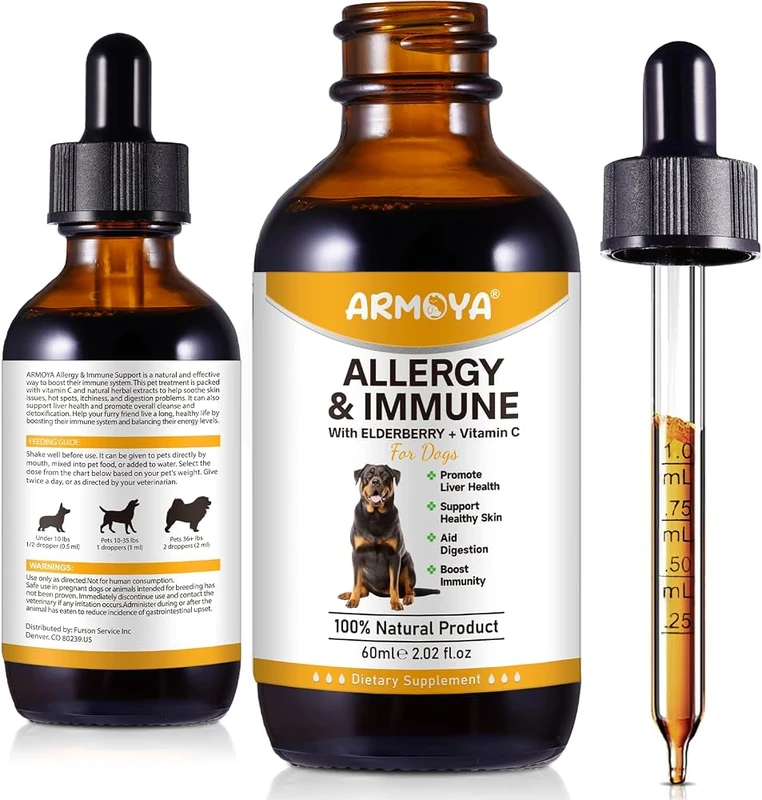
Quercetin is frequently utilized in holistic protocols. Dogs Naturally reports that “Quercetin, known as “Nature’s Benadryl,” acts as a natural antihistamine and anti-inflammatory, reducing histamine levels that trigger allergic reactions.” This makes it a primary choice for dogs that react strongly to environmental allergens.
Effective ingestible options include:
- Colostrum: This can improve allergy symptoms by modifying the immune response through its unique protein content.
- Nettle Tincture: Practitioners often suggest a dosage of 2 drops per 10 lbs of body weight to support seasonal relief.
- Diphenhydramine: While a pharmaceutical, it is often used in controlled doses, such as 1 mg per pound of body weight, for acute relief.
Strict adherence to dosage is necessary to ensure safety. For example, using 2 drops of nettle tincture per 10 lbs of body weight helps maintain a therapeutic window without overtaxing the animal.
Red Flag Checklist: When to Abandon Home Remedies
Natural remedies are best suited for mild, manageable symptoms. If a dog’s condition progresses beyond simple itching, relying solely on home treatments can be dangerous and delay necessary medical intervention.
Owners should immediately transition to professional veterinary care if any of the following “Red Flags” appear:
- Secondary Infections: Skin that is oozing, has a foul odor, or shows signs of yeast blooms.
- Systemic Symptoms: Lethargy, loss of appetite, or significant changes in behavior.
- Severe Inflammation: Intense redness, swelling, or skin that is hot to the touch.
- Non-Responsiveness: If symptoms do not improve after 2 weeks of consistent natural management.
In moderate to severe cases, veterinarians typically recommend traditional therapies. Medications such as Apoquel or Cytopoint are designed to target the itch signal more aggressively than natural supplements. Furthermore, if a secondary bacterial infection is present, a veterinarian may prescribe Convenia, an antibiotic injection, to clear the infection before continuing with allergy management.
| Treatment Type | Primary Goal | Best Use Case |
|---|---|---|
| Holistic (Natural) | Promote overall health and strengthen the immune system. | Mild, seasonal, or maintenance-level allergies. |
| Target and suppress specific allergic symptoms. | Moderate to severe clinical allergy scenarios. |
The choice between these paths depends on the clinical presentation. If a dog shows signs of severe inflammation or non-responsiveness to natural care, traditional pharmaceutical options are more appropriate.
FAQ
How long should a hypoallergenic food trial last?
A strict dietary trial on hypoallergenic food should last between 8 to 12 weeks to accurately diagnose food allergies. During this window, the dog must not consume any other food, treats, or flavored medicines to ensure the results are not skewed by hidden ingredients.
Can I use apple cider vinegar on my dog’s itchy skin?
Avoid using apple cider vinegar on raw or broken skin. Because it is highly acidic, it can sting and further irritate inflamed areas, potentially worsening the dog’s discomfort.
Is coconut oil effective for dog allergies?
While coconut oil has mild moisturizing properties, it is not proven to relieve allergic itch or inflammation in dogs. Excessive use can also lead to digestive issues or weight gain if ingested in large quantities.
Natural Dog Allergy Solutions: A Step-by-Step Relief Protocol
PawVerde.com – Natural allergy solutions for dogs focus on soothing inflammation and managing triggers through topical remedies like colloidal oatmeal, dietary shifts, and herbal supports. While effective for mild symptoms, these holistic approaches should be integrated carefully with veterinary guidance to avoid skin irritation or toxicity from improper ingredient use.
Colloidal oatmeal remains the gold standard for relieving itchy skin naturally, according to Borash Vet.
The Natural Allergy Protocol: A Timeline for Relief
Manage dog allergies using a tiered timeline: Day 1-3 focus on immediate soothing via oatmeal baths or chamomile compresses; Weeks 1-4 involve environmental audits and potential dietary elimination trials; Months 2-3 focus on long-term maintenance through Omega-3s and probiotics. If symptoms do not improve within one week, consult a veterinarian.
Successful management relies on timing. Owners often struggle when they expect immediate results from an Elimination Diet Trial, which requires a strict 8 to 12 weeks of feeding a hypoallergenic diet to observe changes.
Immediate Soothing (Days 1-3)
The first priority is reducing the acute itch-scratch cycle. During the first 72 hours, topical applications like oatmeal baths or chamomile tea compresses provide the fastest relief for inflamed skin. These methods do not address the underlying cause but serve to calm the surface irritation immediately.
The Dietary Transition (Weeks 8-12)
If the cause is suspected to be food-based, an Elimination Diet Trial is necessary. This process requires feeding a hypoallergenic diet for 8 to 12 weeks to observe changes. It is a common misconception that a few days of specialized food will solve the problem; however, it can take up to 12 weeks for symptoms to fully resolve after a successful dietary shift. During this window, the dog must not consume any treats, table scraps, or other supplements that could interfere with the trial results.
When to Pivot to Medical Intervention
Holistic treatments work better for milder cases of allergies. If a dog’s skin shows signs of infection or if symptoms do not show improvement within one week, professional consultation is necessary. Relying solely on home remedies when a condition is progressing can lead to secondary bacterial infections that require pharmaceutical intervention.
Natural Remedy Safety Matrix: Safe vs. Toxic Ingredients
Applying certain botanical substances can lead to significant health risks. While many plants offer therapeutic benefits, specific essential oils are contraindicated for canine use.
| Ingredient | Safety Category | Risk/Benefit |
|---|---|---|
| Lavender | Safe/Caution | Used for calming; use diluted. |
| Tea Tree | Toxic | Can cause skin irritation or systemic toxicity. |
| Wintergreen | Toxic | Highly dangerous if ingested or applied improperly. |
| Pennyroyal | Toxic | Contains compounds that can be harmful to pets. |
Avoid using essential oils like tea tree, wintergreen, or pennyroyal. These substances can cause irritation or systemic toxicity if applied to a pet.
Topical Solutions for Itch and Inflammation
Relieve canine skin irritation using three primary natural methods: 1) Colloidal oatmeal baths (soak for 10-15 minutes) to soothe inflammation; 2) A 50/50 apple cider vinegar and water spray to combat yeast/bacteria; and 3) Chamomile tea compresses to reduce localized redness and swelling.
The Gold Standard: Oatmeal Bath Technique
To perform an Oatmeal Bath, grind plain, unsweetened oatmeal into a fine powder and mix it into lukewarm bath water. The dog should soak in this mixture for 10-15 minutes. During the soak, gently massage the mixture into the most affected areas before rinsing thoroughly and patting the skin dry. This method provides a physical barrier that helps soothe the skin surface.
Antimicrobial Support: The ACV Dilution Rule
Apple cider vinegar (ACV) has antimicrobial properties that can help combat the bacteria and fungi that often accompany allergic reactions. To use this safely, create an Apple Cider Vinegar Spray by mixing the vinegar with water in a 50/50 ratio. Apply this to itchy spots using a spray bottle, but avoid any areas where the skin is broken, raw, or visibly inflamed, as the acidity will cause significant pain.
Dietary and Internal Support Strategies
Long-term defense involves addressing the gut microbiome and the lipid barrier. These internal factors are critical for managing atopic dermatitis.
The Role of Gut Health and Probiotics
Probiotics have been used to improve gut dysbiosis in dogs with atopic dermatitis. Effective probiotic preparations often contain high concentrations of beneficial bacteria, such as 5 X 10^7 colony-forming units per gram. Key strains to look for include Bifidobacterium bifidum, Lactobacillus acidophilus, and E. faecium. Maintaining a healthy gut environment helps regulate the immune response, potentially reducing the severity of allergic reactions.
Omega-3s: Strengthening the Skin Barrier
fish oil supplements can strengthen skin barriers and reduce inflammatory responses internally. By reinforcing the lipid layer of the skin, these fatty acids help prevent moisture loss and make it more difficult for allergens to penetrate the dermal layers. This internal support works in tandem with topical treatments to provide a multi-layered defense.
Troubleshooting and Avoiding Common Pitfalls
Owners should monitor for adverse reactions. Common errors include applying ACV to open wounds or ingesting excessive amounts of topical coconut oil, which can cause gastrointestinal upset.
- Using human anti-itch creams: Never apply human medications without direct veterinary approval.
- Over-bathing: Bathing too frequently can strip the skin of essential oils, worsening dryness.
- Applying ACV to open wounds: This causes intense irritation and can damage raw tissue.
- Excessive coconut oil ingestion: If applied topically, ensure the dog does not lick it off in large quantities, as this can lead to gastrointestinal upset.
A common error is the belief that “more is better.” For instance, increasing the frequency of baths beyond the recommended 4–6 weeks for vet-approved shampoos can actually disrupt the skin’s natural pH and microbiome.
Holistic vs. Traditional: Choosing the Right Path
The choice between natural remedies and pharmaceutical interventions depends on the severity of symptoms. While holistic methods are effective for management, they may not suffice during acute flare-ups.
| Treatment Type | Best For | Primary Mechanism |
|---|---|---|
| Holistic/Natural | Mild itching and maintenance | Soothing inflammation and gut support |
| Traditional (e.g., Apoquel, Zenrelia) | Moderate to severe itching | Targeting specific itch pathways (Oclacitinib) |
| Injectables (e.g., Cytopoint, Lokivetmab) | Intense, recurring itching | Neutralizing itch-related proteins |
Traditional therapies like Apoquel or the once-daily oral tablet Zenrelia are designed specifically to control allergic itch in dogs over 12 months of age. For more severe bacterial complications, a veterinarian may prescribe an antibiotic injection like Convenia. As noted by PetMD, holistic treatments work better for milder cases, whereas traditional therapies are preferred if dogs have moderate to severe allergy symptoms.
FAQ
How long does a hypoallergenic diet take to work?
An elimination diet trial typically requires 8 to 12 weeks of strict adherence to see if symptoms resolve. During this period, the dog must not consume any other foods, treats, or supplements that could contaminate the results.
Can I use human anti-itch creams on my dog?
No. Using human medications without veterinary approval is a major pitfall. Always consult a professional before applying non-canine formulations to your pet.
When should I stop natural remedies and see a vet?
If your dog’s symptoms do not show improvement within one week of starting natural treatments, professional consultation is necessary. Persistent itching can lead to skin infections that require medical intervention.