
Local Pet Conservation Initiatives Drive Species Recovery in 2026
PawVerde.com – Local pet and wildlife conservation initiatives in 2026 demonstrate a dynamic convergence of community engagement, grant-supported programs, and species-specific recovery efforts addressing escalating threats from habitat loss, poaching, and climate change. Leading organizations such as Cheyenne Mountain Zoo, Best Friends Animal Sanctuary, and the Association of Zoos and Aquariums (AZA) are at the forefront of integrating science-driven conservation with hands-on volunteerism, delivering measurable impacts on endangered species and animal welfare.
Cheyenne Mountain Zoo’s member-funded conservation projects epitomize effective grassroots support, channeling over $900,000 since 2015 into global field conservation—including a flagship Southeast Asian gibbon rehabilitation initiative that has yielded significant population stabilization. Concurrently, Best Friends Animal Sanctuary operates the largest no-kill sanctuary in the U.S., housing more than 1,600 animals and spearheading national efforts to transform shelter adoption and care standards. Meanwhile, AZA-coordinated recovery programs, such as the black-footed ferret reintroduction, exemplify successful species revival through extensive captive breeding and habitat restoration.
Member-Funded Conservation Projects: The Cheyenne Mountain Zoo Model
Cheyenne Mountain Zoo maintains a unique member-driven funding mechanism that empowers its community to vote on conservation projects annually, directing approximately $75,000 each cycle to initiatives worldwide. This participatory approach has cumulatively allocated nearly $900,000 over a decade, funding programs that emphasize primate rehabilitation, habitat protection, and anti-poaching enforcement.
A notable beneficiary is the Southeast Asian gibbon rehabilitation project, which combines in-situ habitat restoration with ex-situ care for injured or orphaned primates. Between 2015 and 2025, this project facilitated the release of over 120 gibbons into protected forest corridors, with ongoing telemetry tracking indicating a 75% survival rate—a significant success amid regional deforestation pressures.
The zoo also supports local conservation education, leveraging its position to foster volunteer involvement and scientific internships. This model underscores how member engagement translates into tangible conservation milestones, aligning funding priorities with species-specific needs and regional ecological challenges.
Sanctuary-Based Conservation: Best Friends Animal Sanctuary’s No-Kill Movement
Best Friends Animal Sanctuary stands as the largest U.S. no-kill sanctuary, with capacity for over 1,600 animals including dogs, cats, rabbits, and farm animals. The sanctuary is a pivotal player in the no-kill movement, advocating for shelter reform that prioritizes adoption, foster care, and comprehensive medical treatment over euthanasia.
Its operations extend beyond the sanctuary grounds through partnerships with municipal shelter systems, providing training, resources, and transfer programs that have contributed to a nationwide increase in no-kill shelter adoption rates—now exceeding 85% in participating regions. Best Friends’ emphasis on community outreach has also amplified volunteer mobilization, with over 5,000 annual volunteers engaged in animal care, behavioral rehabilitation, and advocacy.
The sanctuary’s integration of veterinary research with welfare practices has advanced understanding of senior pet health, supported by funding from organizations like the Grey Muzzle Organization and the Laura J. Niles Foundation. These grants enable specialized care protocols for aging animals, enhancing quality of life and adoptability.
Species-Specific Recovery Programs Led by AZA and Partners
The Association of Zoos and Aquariums coordinates several high-profile species recovery programs emphasizing captive breeding, reintroduction, and long-term population monitoring. The black-footed ferret recovery program serves as a flagship example: once near extinction, this mustelid species has seen population rebounds through coordinated captive breeding and release into prairie dog colonies across the western U.S.
AZA collaborates with the U.S. Fish and Wildlife Service and Elephant Taxon Advisory Group to address elephant conservation challenges, including habitat fragmentation and human-wildlife conflict. Current strategies incorporate advanced telemetry, community anti-poaching patrols, and ecological corridor establishment.
Joint advisory groups regularly review program data, refining conservation tactics based on demographic modeling and genetic diversity assessments to mitigate inbreeding risks. This adaptive management approach is critical for species facing complex, multifactorial threats.
Volunteer and Community Engagement Opportunities Across Global Conservation Programs
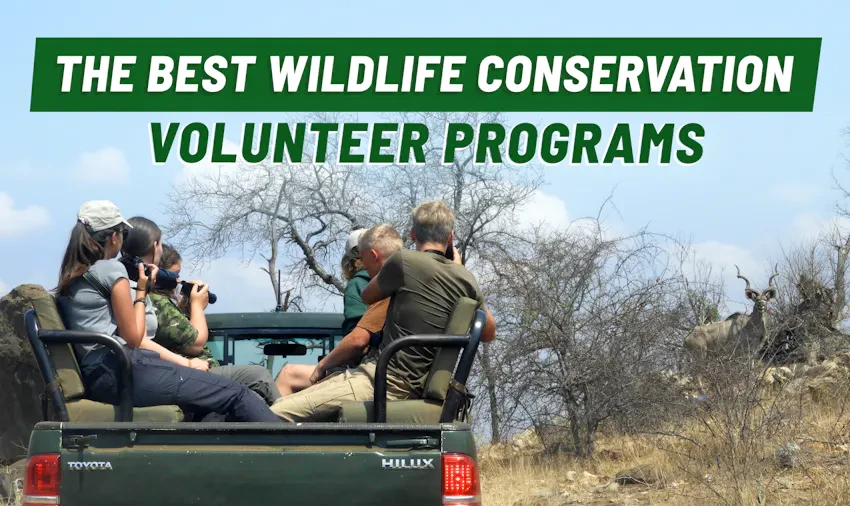
Volunteerism remains central to conservation success, with numerous programs offering hands-on experience in wildlife rehabilitation, habitat restoration, and educational outreach. African wild dog telemetry projects enable volunteers to assist in tracking packs, gathering behavioral data critical to anti-poaching efforts.
Bonobo sanctuaries in the Congo Basin engage volunteers in sanctuary maintenance, primate enrichment, and community education aimed at reducing hunting pressures. Similarly, lowland gorilla conservation programs in Central Africa integrate local community members as wildlife guardians and environmental educators.
Marine conservation initiatives in Greece, focusing on Mediterranean sea turtle hatcheries, provide volunteer opportunities to monitor nesting sites and raise hatchlings for safe release. These programs foster cross-cultural conservation awareness while generating valuable field data.
Grant and Funding Support for Local Animal Welfare and Conservation
Conservation initiatives increasingly rely on targeted grants to sustain operations and expand impact. The Laura J. Niles Foundation focuses on humane education and senior pet welfare, providing funds for veterinary care and community outreach.
The Grey Muzzle Organization targets the needs of aging companion animals, funding research and sanctuary support programs that improve geriatric animal health outcomes. Petco Love and Petfinder Foundation dispense millions annually in grants emphasizing animal rescue, shelter modernization, and adoption promotion.
These grants typically prioritize projects with measurable outcomes, geographic diversity, and community involvement. For example, Petco Love’s recent $1.2 million grant cycle funded programs spanning urban animal rescue to rural wildlife rehabilitation, illustrating the broad scope of contemporary conservation funding.
Innovative Local Initiatives and Emerging Conservation Challenges
The Felidae Conservation Fund advances urban wild cat protection by deploying camera traps and genetic sampling to map populations of bobcats and mountain lions in fragmented habitats. This data informs municipal planning to mitigate vehicle collisions and human-wildlife conflicts.
A newly established Sea Otter Fund supports coastal ecosystem resilience by financing restoration of kelp forests and monitoring otter populations, which are keystone species in nearshore environments. These efforts address the cascading effects of climate-induced ocean changes.
Simultaneously, organizations like the Rhino Recovery Fund and Saiga Conservation Alliance are intensifying anti-poaching interventions for critically endangered species. Habitat loss continues as a pervasive challenge, necessitating integrated approaches combining law enforcement, community stewardship, and international cooperation.
The Future of Local Pet and Wildlife Conservation

Sustained progress in local conservation hinges on the synergy between integrated funding mechanisms, robust volunteer networks, and cutting-edge scientific research. Emerging technologies such as AI-assisted wildlife monitoring and genomic tools promise to enhance species recovery precision.
Expanding community engagement through education and participatory funding models will be essential to maintain momentum and adapt to evolving ecological threats. Continued cross-sector collaboration among zoos, sanctuaries, government agencies, and nonprofits will define the next decade’s conservation landscape.
—
FAQ
What are some leading local wildlife conservation programs active in 2026?
Leading programs include Cheyenne Mountain Zoo’s member-funded Southeast Asian gibbon rehabilitation, Best Friends Animal Sanctuary’s no-kill shelter model, and AZA’s black-footed ferret recovery program. These initiatives combine species-specific conservation with community engagement and volunteer involvement.
How does volunteerism contribute to wildlife conservation efforts?
Volunteers participate in activities such as wildlife tracking, habitat restoration, animal care, and public education. Hands-on volunteer roles provide critical data collection and operational support, increasing conservation capacity while fostering local stewardship.
Which organizations provide grant funding for local animal welfare and conservation?
Key funders include the Laura J. Niles Foundation, Grey Muzzle Organization, Petco Love, and Petfinder Foundation. They support projects ranging from senior pet care to shelter modernization and species recovery, prioritizing measurable impact and community involvement.
What challenges do conservation programs face in protecting endangered species?
Programs contend with habitat loss, poaching, human-wildlife conflict, and climate change. Addressing these requires multifaceted strategies including anti-poaching enforcement, habitat corridor creation, community education, and international cooperation.
How do no-kill sanctuaries impact animal welfare?
No-kill sanctuaries like Best Friends provide lifelong care for animals, reduce euthanasia rates, and promote adoption and foster networks. They serve as models for humane shelter practices and increase public awareness of animal welfare issues.
—
The evolving landscape of local pet and wildlife conservation in 2026 underscores the critical importance of transparent funding, scientific rigor, and community-driven action. Stakeholders must continue to innovate and collaborate to safeguard biodiversity and advance animal welfare in an era of unprecedented ecological change.