

Key Financial and Legal Responsibilities of Adopted Pet Owners
PawVerde.com – Adopted pet ownership presents a complex financial and social landscape, demanding comprehensive investment in lifelong care, legal compliance, and behavioral management. Recent data from the American Pet Products Association (APPA) estimates U.S. pet industry spending exceeding $150 billion annually, with adoption-related expenses forming a significant subset. The financial implications for adopted pet owners extend beyond initial fees to sustained veterinary care, nutrition, and training costs, all influenced by regulatory environments such as Florida’s comprehensive statutes mandating owner responsibilities. Adoption trends reveal increased shelter intake rates, impacting municipal budgets and animal welfare organizations’ financial planning.
The economic footprint of adopted pets is multifaceted, touching on individual owner expenditures, shelter operational costs, and broader community financial dynamics. This article analyzes the financial responsibilities inherent in pet adoption, compares adoption with purchasing from breeders, and examines the economic impact on local governments and animal welfare institutions.
Legal and Financial Obligations in Adopted Pet Ownership
Legal frameworks governing pet ownership impose direct financial responsibilities on adopted pet owners. Florida statutes, for example, require guardians to provide adequate food, water, shelter, and veterinary care, with penalties for neglect ranging from fines up to several thousand dollars to potential criminal charges. Compliance entails routine expenditures such as vaccinations, spaying/neutering, and emergency care, which the Florida Veterinary Medical Association estimates average $300–$600 annually per pet.
animal shelters and rescue organizations often include initial veterinary screening and vaccinations in adoption fees, averaging $150–$400 depending on species and shelter location. However, subsequent costs fall to the owner, including preventive care and potential behavior-related interventions. Failure to meet legal standards can trigger costly litigation and mandatory restitution payments, emphasizing the necessity of budgeting for comprehensive care.
Ongoing Health Management and Associated Costs
Adopted pets require continuous health investment, with veterinary visits constituting the largest annual expense. Data from Texas A&M College of Veterinary Medicine indicates that regular preventive visits, including vaccinations, parasite control, and dental care, average $400–$700 annually per dog or cat. Nutritional costs vary by species, size, and dietary needs, ranging from $300 to $900 per year for premium pet foods aligned with veterinary recommendations.
Behavioral management represents an additional financial dimension. Behavioral specialists report that training programs to address anxiety, aggression, or socialization challenges commonly found in adopted pets cost between $500 and $2,000 annually. Enrichment products and activities, essential for mental health and reducing destructive behaviors, add $100–$300 to yearly expenses.
Financial Benefits of Pet Adoption Compared to Purchasing from Breeders
Adoption generally offers lower upfront costs than purchasing from breeders, with fees typically between $50 and $350 versus $800 to $3,000 or more for purebred animals. Adoption fees frequently cover initial veterinary care, microchipping, and spay/neuter procedures, generating immediate savings for new owners.
From a market perspective, adoption reduces pressure on breeders and curtails pet overpopulation, lowering long-term community costs related to stray animal control and euthanasia. The Humane Society estimates that adoption saves approximately 6.3 million shelter animals each year, translating to municipal budget relief by reducing animal control interventions and shelter overcapacity.
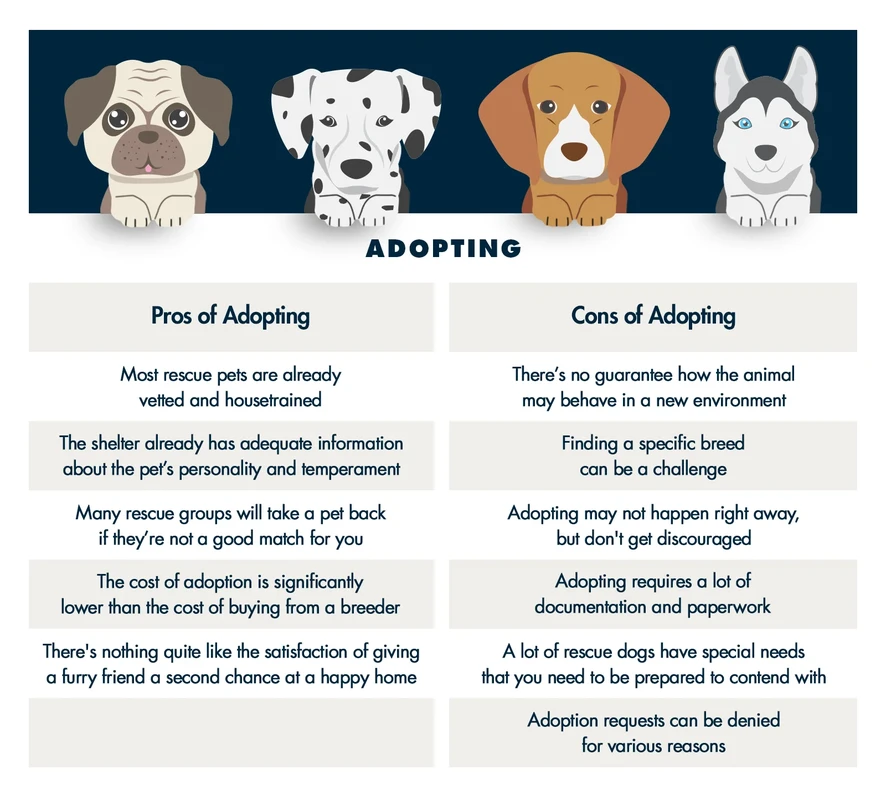
However, adoption may entail hidden costs such as managing unknown genetic health conditions or behavioral problems, which breeders may mitigate by providing pedigrees and health guarantees. Ethical breeders often offer health screening certifications, adding transparency but increasing costs and raising debates on animal welfare priorities.
| Cost Category | Adopted Pet (Annual Avg.) | Breeder Pet (Annual Avg.) | Notes |
|---|---|---|---|
| Upfront Acquisition | $50–$350 | $800–$3,000+ | Adoption fees include vet screening; breeders charge for pedigree |
| Veterinary Care | $400–$700 | $400–$700 | Routine care costs similar; breeder pets may have fewer unknown issues |
| Nutrition | $300–$900 | $300–$900 | Dependent on diet quality, species, size |
| Behavioral Training | $500–$2,000 | $200–$1,000 | Adopted pets often require more behavioral intervention |
| Spay/Neuter | Included in fee or $100–$300 | Varies; often additional | Mandatory to reduce overpopulation |
Challenges and Financial Risks in Pet Adoption
Adoption-related financial risks include unforeseen medical conditions due to incomplete histories, leading to costly treatments. The ASPCA estimates that 15–20% of adopted pets require unexpected veterinary care within the first year, averaging $600 per case. Behavioral issues, such as separation anxiety or aggression, can necessitate professional intervention, raising training expenses substantially.
Administrative procedures present indirect financial burdens. Lengthy application processes and waiting periods may delay acquisition, causing prospective owners to incur temporary pet care expenses or lose potential adoption opportunities. Shelter funding constraints sometimes limit post-adoption support, shifting rehabilitation costs to owners.
Community and Economic Impact of Responsible Pet Ownership
Responsible ownership of adopted pets contributes to public safety and municipal budget optimization. Effective behavioral management reduces incidents of bites and property damage, which the Centers for Disease Control and Prevention estimate cost U.S. healthcare systems $1 billion annually. Compliance with leash laws and licensing, mandated in jurisdictions like Florida, supports community order and reduces stray populations, decreasing animal control expenditures.
Animal shelters and rescue organizations rely heavily on adoption fees and public funding. According to recent data from Humane Animal Partners, shelters face annual operational costs exceeding $1.5 million for mid-sized counties, underscoring the economic ripple effects of adoption volume and owner compliance.
Financial Considerations for Prospective Adopted Pet Owners
Prospective adopters must anticipate a lifelong financial commitment averaging $1,500 to $3,500 annually per pet, encompassing routine care, nutrition, and behavioral needs. Budgeting for emergencies is critical, with average emergency veterinary bills ranging from $500 to $2,000.
Investment in owner education programs, often provided by adoption agencies and local governments, enhances responsible care and reduces long-term costs associated with neglect or abandonment. Programs focusing on nutrition, behavior, and legal responsibilities effectively lower shelter returns and community strain.
Forward-looking financial planning includes consideration of pet insurance, which can offset high veterinary costs. Market data indicates the average annual premium for pet insurance in the U.S. is approximately $400, with coverage varying based on pet age, breed, and health status.
Forward-Looking Perspectives and Market Trends
The pet adoption market is evolving with increasing integration of technology and data analytics to assess animal health and behavior pre-adoption, potentially reducing post-adoption costs. Local governments are exploring incentive programs and subsidies to promote adoption and responsible ownership, directly impacting municipal budgets for animal control.
Emerging trends in ethical breeding practices, including transparency mandates and health certification requirements, may narrow cost disparities between breeders and shelters. Simultaneously, enhanced shelter funding models aim to increase post-adoption support, mitigating financial risks for owners.
Financial analysts forecast sustained growth in pet-related expenditures, driven by heightened awareness of animal welfare and owner responsibilities. Adoption is positioned as a cost-effective strategy with significant social benefits, contingent on informed financial and legal preparedness.
—
This data-driven financial analysis underscores that adopting a pet involves considerable ongoing investment aligned with legal and ethical obligations. Prospective owners must evaluate both immediate and long-term costs, balancing adoption benefits against potential financial and behavioral challenges. Strategic budgeting, supported by educational resources and community programs, enhances the sustainability of adopted pet ownership, fostering economic stability within the broader pet care ecosystem.