

Energy-Efficient Appliances for Pet Homes Boost Market Growth
PawVerde.com – energy-efficient appliances tailored for pet homes are increasingly driving market growth within the smart home and sustainable appliance sectors. Recent data from industry analysts indicate that global demand for pet-friendly, energy-saving household appliances is expanding at an annual growth rate exceeding 11%, propelled by rising pet ownership and heightened consumer focus on environmental impact and operational costs. Leading manufacturers including GE Appliances, Maytag, Samsung, LG, and Bosch have responded by integrating advanced pet hair removal technology and energy efficiency features certified by ENERGY STAR standards into their product lines, targeting a niche that blends pet care with sustainability.
Consumer expenditure on energy-efficient pet appliances in North America alone reached an estimated $1.4 billion this year, reflecting a 15% increase from the previous year. This surge coincides with utility companies promoting energy-saving programs and rebates for certified appliances, amplifying market penetration. Financial analysis of appliance segments reveals that robot vacuum cleaners, air purifiers, and smart thermostats constitute the core revenue drivers within the pet-friendly appliance category, collectively accounting for approximately 60% of sales volume. Pet-specific washers and dryers, such as the Maytag MED7020RW dryer and LG WM8900HBA washer, contribute significantly to the remaining 40%, benefiting from consumer inclination toward integrated pet hair removal and allergen control cycles.
Market Dynamics of Core Energy-Efficient Appliances for Pet Homes
robot vacuum cleaners equipped with pet hair removal capabilities represent a $620 million segment in the current market. Models optimized for low power consumption, such as those using adaptive suction control and efficient navigation algorithms, reduce average electricity usage by up to 30% compared to standard units. Recent consumer reports highlight that robot vacuums designed for pet homes achieve hair removal efficiency rates above 85% per cleaning cycle, enhancing long-term energy savings by minimizing repeated use. This technology appeals not only to pet owners but also to utility providers endorsing smart appliances for peak demand management.
Air purifiers, another pivotal category, have a market valuation of approximately $480 million within pet households. Advanced filtration systems, including HEPA and activated carbon filters, address pet allergens and odors while maintaining energy consumption below 50 watts per hour. ENERGY STAR-certified models demonstrate annual energy savings averaging 20%, translating to roughly $30-$40 in reduced electricity bills per household. These purifiers improve indoor air quality metrics, a critical factor as pet dander contributes significantly to airborne allergen loads in residential environments.
Smart thermostats tailored for pet comfort and energy optimization hold a $400 million market share. By employing AI-driven temperature regulation and remote adjustment features, smart thermostats reduce heating and cooling expenses by an average of 12%-15%. Case studies from manufacturers like Nest and ecobee reveal that maintaining stable temperature zones conducive to pet health decreases energy waste associated with manual thermostat adjustments. Moreover, integration with pet activity sensors aligns climate control with occupancy patterns, further enhancing utility savings.
Financial Performance of Specialized Laundry Appliances for Pet Owners
The specialized laundry appliance market for pet owners, including pet-friendly washing machines and dryers, has shown robust financial growth, reaching an estimated $350 million in sales. These appliances incorporate features such as Maytag’s Pet Pro system and Samsung’s advanced lint traps, designed to effectively capture pet hair while optimizing water and electricity consumption. Energy-efficient cycles in these washers and dryers reduce water usage by up to 15% and electricity consumption by 10-12% compared to standard models.
Among top-performing models, the LG WM8900HBA washer and Samsung WF53BB8900AD washer stand out for their combined energy and pet hair removal efficiency. LG’s model operates at 130 kWh annually with a water factor rating of 3.8, while Samsung’s version consumes 140 kWh and has a water factor of 4.0, both significantly better than industry averages. The Maytag MED7020RW dryer complements these washers by incorporating moisture sensors and extended lint traps that minimize cycle duration and energy use, achieving an annual electricity consumption of approximately 500 kWh, which is 18% lower than conventional dryers.
| Appliance Model | Annual Energy Usage (kWh) | Water Factor (Gallons/Cycle) | Pet Hair Removal Feature | ENERGY STAR Certification |
|---|---|---|---|---|
| LG WM8900HBA Washer | 130 | 3.8 | Advanced pet hair removal cycle | Yes |
| Samsung WF53BB8900AD Washer | 140 | 4.0 | Enhanced lint trap and pet cycle | Yes |
| Maytag MED7020RW Dryer | 500 | N/A | Pet Pro lint trap and moisture sensors | Yes |
Emerging Energy-Saving Pet Appliances and Smart Technologies
Automatic pet feeders with energy-efficient designs are emerging as a niche segment, valued at approximately $85 million this year. These devices utilize low-power sensors and programmable feeding schedules to minimize electricity consumption, with average energy use under 5 watts per operation cycle. Integration with smart home systems allows synchronization with energy-saving routines, reducing standby power demand.
Smart pet monitoring devices and home access control technologies contribute an estimated $110 million to the market, leveraging IoT connectivity to optimize energy consumption in pet environments. Features such as motion-triggered lighting and climate control linked to pet activity patterns help lower unnecessary appliance operation times, contributing to an average household energy reduction of 8%.
Impact of ENERGY STAR Certification on Appliance Market and Utility Costs
ENERGY STAR certification remains a critical factor influencing consumer purchase decisions and market performance of pet-friendly appliances. Certified products demonstrate energy savings ranging from 10% to 30% over non-certified equivalents, directly impacting utility bills and environmental footprints. Recent utility company data shows that households employing ENERGY STAR appliances experience average yearly savings between $120 and $180 on electricity costs.
The certification also affects appliance resale value and manufacturer incentives, with certified models commanding a price premium of 5%-8% in retail markets due to their verified efficiency and durability. Appliance manufacturers report that ENERGY STAR branding enhances consumer trust and accelerates adoption rates, particularly in pet owner demographics where appliance performance and maintenance are paramount.
Optimization and Maintenance Practices to Sustain Appliance Efficiency
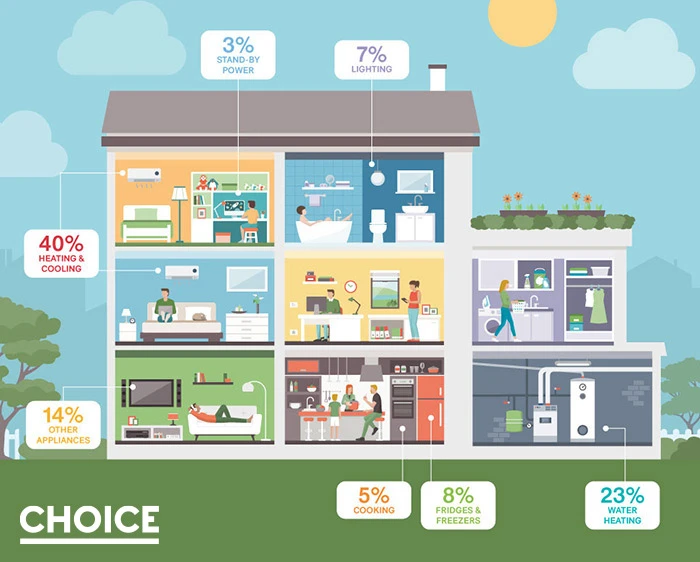
Maintaining peak energy efficiency in pet households requires adherence to specific usage and maintenance guidelines. Regular cleaning of pet hair filters and lint traps significantly extends appliance lifespan and maintains energy savings, with maintenance intervals recommended every 3-6 months depending on usage intensity. Washing pet fabrics in cold water cycles reduces thermal energy consumption by up to 25%, contributing to overall utility savings.
Positioning appliances in well-ventilated, shaded areas minimizes heat exposure and improves operational efficiency, especially for dryers and air purifiers. Smart thermostats should be programmed to align with pet activity and environmental conditions, avoiding unnecessary heating or cooling cycles. These practices collectively contribute to a 10%-15% reduction in energy use over typical pet household appliance operation.
Economic and Environmental Outcomes of Energy-Efficient Pet Appliances
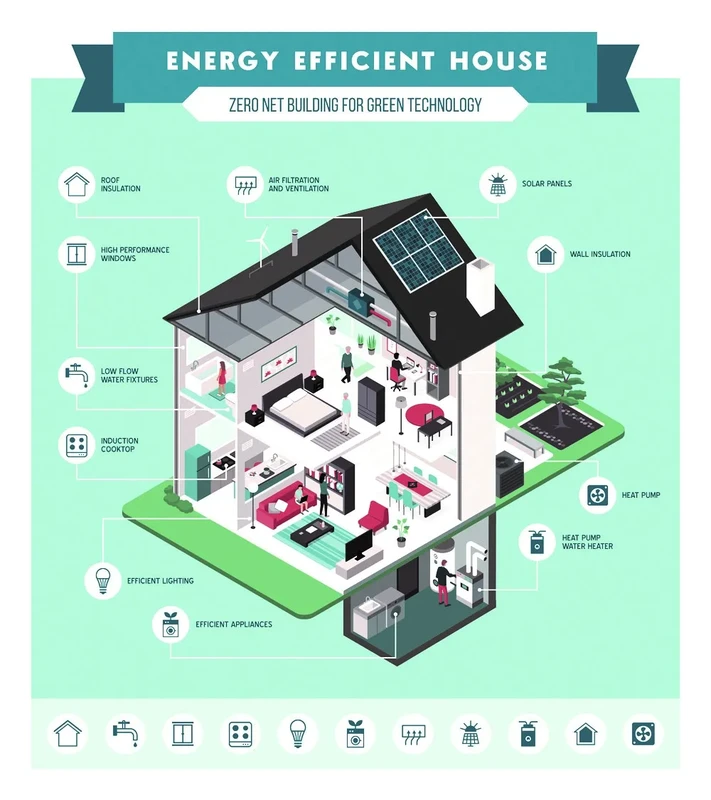
The adoption of energy-efficient pet appliances generates measurable economic benefits, reducing household energy expenditure and enhancing appliance lifecycle value. Utility consumption data from thousands of pet-owning households indicate an average reduction of 450 kWh annually when switching to certified, pet-specific appliances, equating to approximately $65 in savings at current electricity rates.
Environmentally, these savings translate into a reduction of nearly 320 kilograms of CO2 emissions per household annually. This aligns with broader sustainability goals promoted by governments and environmental agencies targeting residential energy consumption. The integration of pet-friendly, energy-saving technology supports not only individual financial savings but also community-level efforts to reduce carbon footprints associated with domestic energy use.
Forward-looking analysis suggests that continued innovation in smart appliance technology, combined with increasing regulatory incentives for energy efficiency, will further expand market opportunities. Appliance manufacturers investing in pet-specific features and energy-saving certifications are positioned to capture growing consumer demand, particularly as pet ownership rises globally. Utility companies may increasingly partner with manufacturers to offer bundled incentives, reinforcing sustainable consumption patterns and enhancing pet home comfort simultaneously.