

How to Transition Dogs to Vegan Diets Safely with Vet Guidance
PawVerde.com – The increasing interest in vegan diets for pets, especially dogs, reflects a growing awareness of ethical, environmental, and health considerations among pet owners. Up to 44% of guardians express openness to alternative diets that exclude animal products, driven by concerns over animal welfare and the sustainability of conventional pet foods. However, transitioning carnivorous pets like dogs to vegan diets requires careful planning to ensure nutritional adequacy, avoid health risks, and maintain overall well-being. Veterinary expertise and evidence-based protocols are essential to guide this complex process safely.
Dogs require a balanced intake of proteins, amino acids, vitamins, and minerals traditionally sourced from animal products, posing challenges when replacing these with plant-based alternatives. Veterinary nutritionists emphasize that veterinary consultation is critical before initiating any dietary change, particularly to distinguish between vegetarian diets—which may include dairy or eggs—and strictly vegan diets that exclude all animal-derived ingredients. Certain veterinary therapeutic applications, such as managing liver disease, have incorporated plant-based diets under professional supervision, highlighting potential clinical benefits when carefully formulated.
Research conducted by the University of Illinois Animal Sciences Department, led by Professor Kelly Swanson, provides significant insights into the viability of vegan diets for dogs. Their studies demonstrate that well-formulated vegan diets can achieve high nutrient digestibility and favorable blood metabolite profiles, supporting maintenance of canine health. A notable case is “Bono,” a dog thriving on a vegan diet for over 12 years, which exemplifies long-term success with proper dietary management. Despite these positive findings, experts caution against unsupervised homemade diets due to potential deficiencies in essential amino acids and micronutrients.
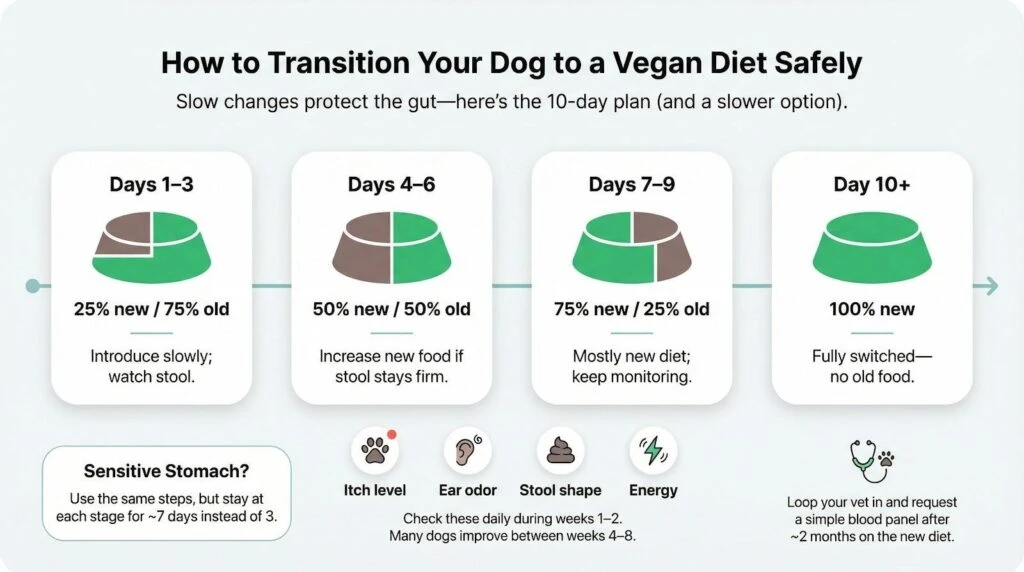
Transitioning a dog to a vegan diet should be gradual, typically spanning 7 to 10 days, to allow the pet’s gastrointestinal system to adapt and to monitor for any adverse reactions. Pet owners are advised to observe signs related to digestion, skin condition, and overall vitality, adjusting the diet in consultation with veterinary professionals. Supplementation is often necessary to provide critical nutrients such as taurine, vitamin B12, and omega-3 fatty acids, which may be insufficient in plant-based ingredients alone.
Commercial vegan pet food brands like Bramble have emerged, offering formulations tested for nutritional completeness and safety under veterinary standards. These products provide a reliable alternative to homemade recipes, which require meticulous planning and ingredient sourcing. Ethical vegan advocates such as Ruby Sandhu and organizations like PETA promote both commercial and homemade plant-based diets, emphasizing sustainability and animal welfare. However, pet owners must ensure that any homemade diet adheres to established nutritional guidelines and undergoes veterinary review.
Cats, unlike dogs, are obligate carnivores and cannot safely transition to vegan diets due to their unique nutritional requirements, including taurine and arachidonic acid, which are naturally found only in animal tissues. Attempting to feed cats vegetarian or vegan diets poses significant health risks and is strongly discouraged by veterinary authorities. Pet owners also face legal and ethical responsibilities to provide nutritionally adequate diets, with failure to do so potentially resulting in animal welfare violations.
Barriers to wider adoption of vegan pet diets include limited availability of commercially validated products, skepticism among veterinary professionals, and misinformation about the health impacts of plant-based nutrition. Addressing these challenges requires ongoing research, education, and collaboration between pet owners, veterinarians, and ethical organizations to ensure that dietary changes prioritize animal health without compromising ethical values.
Nutritional Foundations and Veterinary Assessment in Vegan Pet Diets
Dogs require a complex combination of macronutrients and micronutrients to sustain metabolic functions, immune health, and tissue repair. Key amino acids such as lysine, methionine, and taurine, along with vitamins like B12 and D, are predominantly sourced from animal proteins. Plant-based diets must be carefully formulated to include bioavailable alternatives or supplements to meet these requirements. Veterinary nutritionists play a crucial role in assessing individual pets’ needs, devising balanced diets, and monitoring clinical outcomes to prevent deficiencies and associated disorders.
Distinguishing vegetarian diets, which may incorporate dairy and eggs, from strictly vegan diets is important in veterinary practice. Vegetarian diets can sometimes meet canine nutritional needs more readily due to these animal-derived supplements, whereas vegan diets demand comprehensive supplementation and ingredient selection. Veterinary therapeutic uses of plant-based diets have shown promise in managing conditions such as liver disease, highlighting their potential when applied under expert guidance.
Empirical Evidence and Case Studies on Vegan Dog Diets
The University of Illinois study led by Professor Kelly Swanson evaluated nutrient digestibility and blood metabolite markers in dogs fed a vegan diet formulated by veterinary nutritionists. Results indicated that dogs maintained stable health parameters, with no significant deficiencies detected over the study period. This aligns with anecdotal evidence from long-term cases like Bono, a dog thriving on a vegan diet for over a decade, demonstrating that with proper formulation and oversight, vegan dog diets can support health and longevity.
However, the study and case reports also emphasize the need for caution with homemade diets, which often lack rigorous nutritional balance. Inadequate supplementation or improper ingredient selection can lead to serious health risks, including malnutrition, digestive disturbances, and immune dysfunction.
Methodical Transitioning to Vegan Diets: Procedures and Monitoring
Transitioning to a vegan diet should never be abrupt; a phased approach over 7 to 10 days allows the dog’s digestive system to adjust, minimizing gastrointestinal upset. Initial steps involve mixing small proportions of the vegan diet with the current food, gradually increasing the vegan portion while decreasing the original diet. Owners must monitor stools, skin condition, energy levels, and appetite, documenting any changes to share with their veterinarian.
Veterinary feedback is essential to adapt the diet based on clinical observations and laboratory tests, including blood work assessing nutrient levels. Supplementation with amino acids such as taurine and L-carnitine, vitamins B12 and D, and omega-3 fatty acids derived from sources like algae or flaxseed oil may be necessary to ensure complete nutrition.
Commercial and Homemade Vegan Pet Food Options
The plant-based pet food market has expanded, with brands like Bramble offering products formulated in collaboration with veterinary nutritionists and tested for nutritional adequacy. Such products provide convenience and reliability for pet owners seeking vegan options. Commercial options typically undergo quality control measures and adhere to nutritional standards, reducing the risk of deficiencies.
Homemade vegan diets, endorsed by ethical vegans such as Ruby Sandhu and supported by PETA’s published recipes, emphasize natural, sustainable ingredients. However, these require precise formulation to include adequate protein sources, vitamins, and minerals. Veterinary consultation is indispensable to tailor recipes to individual pet needs and to verify nutrient sufficiency.
Health Risks, Limitations, and Ethical Responsibilities
Cats’ obligate carnivorous physiology makes vegan diets unsuitable, as essential nutrients like taurine and vitamin A cannot be obtained from plants. Feeding cats vegan diets risks severe health consequences such as retinal degeneration and cardiac disease. Dogs, though more omnivorous, still require careful nutritional planning to avoid risks of protein deficiency, gastrointestinal issues, and metabolic imbalances.
Pet owners bear legal and ethical obligations to provide diets that meet their animals’ physiological needs. Inadequate nutrition can constitute neglect under animal welfare laws. Veterinary professionals stress that ethical motivations must be balanced with scientific evidence and pet welfare to avoid unintended harm.
Barriers to adoption include veterinary skepticism due to limited large-scale studies, the cost of specialized diets, and misconceptions about plant-based nutrition’s adequacy. Overcoming these requires transparent communication, education, and further research to support evidence-based practices.
Forward-Looking Perspectives on Vegan Diets for Dogs
Advancements in veterinary nutrition continue to improve the formulation of nutritionally complete vegan diets for dogs, with ongoing research into bioavailability and long-term health impacts. Increased collaboration between veterinary clinics like Urbana Veterinary Clinic and Riverview Veterinary Hospital, academic institutions such as the University of Illinois, and ethical organizations fosters knowledge exchange and development of guidelines.
Future directions include expanding commercial offerings, refining homemade diet protocols, and integrating environmental sustainability considerations into pet nutrition. Pet owners interested in vegan diets should prioritize veterinary supervision, regular health monitoring, and flexibility to adjust diets based on evolving scientific evidence.
| Aspect | Dogs | Cats |
|---|---|---|
| Dietary Classification | Omnivorous with carnivorous preference | Obligate carnivore |
| Suitability for Vegan Diet | Possible with veterinary supervision and supplementation | Not safe; risk of severe deficiencies |
| Essential Nutrients | Protein, taurine, vitamin B12, omega-3 fatty acids | Taurine, arachidonic acid, vitamin A, vitamin B12 |
| Transition Period | 7–10 days gradual introduction | Not applicable |
| Common Risks | Digestive upset, nutritional deficiencies if unsupervised | Cardiac and retinal diseases, malnutrition |
Frequently Asked Questions
Can dogs thrive on a vegan diet long-term?
With carefully formulated diets supervised by veterinary nutritionists and appropriate supplementation, dogs can maintain health and vitality on vegan diets long-term, as demonstrated by research and case studies like Bono.
Why are vegan diets unsuitable for cats?
Cats require nutrients found only in animal tissues, such as taurine and arachidonic acid, making vegan diets nutritionally inadequate and unsafe for them.
How should I transition my dog to a vegan diet?
Transition gradually over 7 to 10 days by mixing increasing amounts of vegan food with the current diet while monitoring health and consulting a veterinarian to adjust supplementation as needed.
Are commercial vegan pet foods nutritionally complete?
Reputable commercial vegan pet foods are formulated with veterinary input and tested for nutritional adequacy, offering a safer alternative to homemade diets when used appropriately.
What are the main health risks of unsupervised vegan diets in pets?
Unsupervised vegan diets can lead to protein deficiencies, gastrointestinal issues, immune dysfunction, and in cats, life-threatening nutrient deficits affecting heart and vision health.
Pet owners considering vegan diets for dogs should engage veterinary nutritionists early, use scientifically validated diets, and maintain vigilant health monitoring to ensure pets thrive while aligning with ethical values.