
Plant-Based Diet Benefits for Cats: Health Insights & Risks
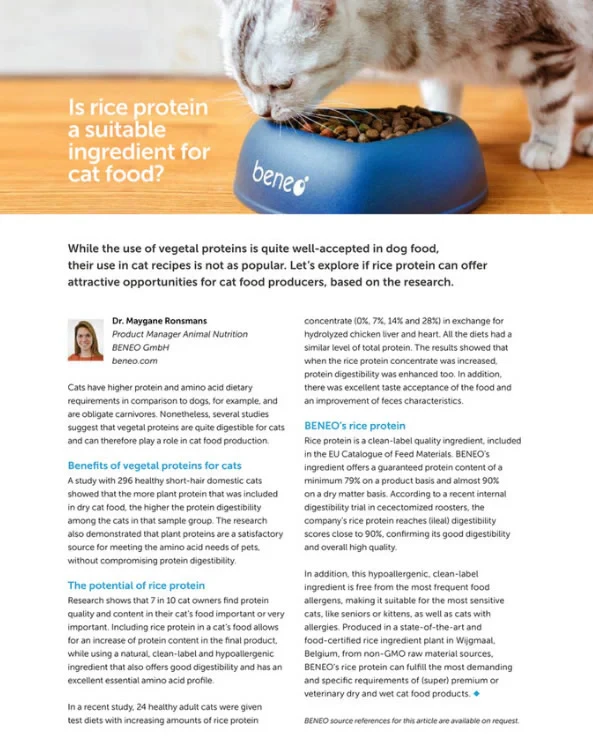
PawVerde.com – Growing interest in plant-based diets for pets has extended to cats, an obligate carnivore species with strict nutritional requirements traditionally met through animal-based foods. While plant-based feline diets may reduce certain health issues such as dental and gastrointestinal problems, the inherent nutritional challenges—particularly concerning essential nutrients like taurine and high-quality protein—require careful dietary formulation and veterinary oversight to prevent serious health consequences.
Cats depend on nutrients predominantly found in animal tissues, including taurine, specific amino acids, and vitamins that are either absent or poorly bioavailable in plant sources. Recent studies, including research from the Ontario Veterinary College, have explored health outcomes in cats maintained on vegan diets, revealing a complex balance between potential benefits and risks. Although owner-reported data suggest fewer veterinary visits and reduced medication use among vegan cats, deficiencies in taurine and other critical nutrients remain a significant concern, underscoring the necessity of synthetic supplementation and professional dietary guidance.
Health Benefits Observed in Cats on Plant-Based Diets
Emerging research indicates that cats on carefully managed plant-based diets may experience certain health advantages, notably improved dental and gastrointestinal health. A survey conducted by researchers at the Ontario Veterinary College involving over 300 cat owners following vegan feeding regimens found a statistically significant reduction in dental plaque accumulation and gingivitis compared to cats on conventional meat-based diets. These findings align with clinical observations suggesting lower incidences of periodontal disease, a common feline ailment often exacerbated by animal-derived dietary components.
Moreover, gastrointestinal disorders such as inflammatory bowel disease and chronic diarrhea reportedly decreased among vegan cats, possibly due to the elimination of certain animal proteins that can trigger food sensitivities. This pattern of improved digestive health correlates with fewer veterinary consultations and reduced reliance on medications like antibiotics and anti-inflammatory drugs, as documented in longitudinal owner reports.
However, these benefits are contingent on the diet’s nutritional adequacy, which remains a critical challenge given cats’ obligate carnivorous physiology.
Nutritional Challenges and Risks of Plant-Based Diets for Cats
Cats require several essential nutrients that are naturally abundant in animal tissues but scarce or absent in plant materials. Taurine, an amino sulfonic acid vital for cardiac function, retinal health, and reproductive success, exemplifies a critical nutrient that cannot be synthesized efficiently by cats and must be supplied exogenously. Deficiency in taurine leads to dilated cardiomyopathy, retinal degeneration, and reproductive failure. Cases of taurine deficiency-induced cardiomyopathy have been documented in cats fed inadequately supplemented vegetarian or vegan diets.
Protein quality and quantity also pose significant challenges. Cats demand high levels of specific amino acids such as arginine, methionine, and cysteine, which are more bioavailable in animal proteins. Plant-based proteins often lack one or more of these amino acids or contain them in forms less digestible by felines, increasing the risk of protein deficiency if diets are not meticulously balanced.
Vitamins such as vitamin A (preformed retinol), vitamin D3, and certain B vitamins are also predominantly animal-derived. Without supplementation, cats on plant-based diets risk deficiencies that can impair vision, bone health, and metabolic functions.
Commercial vegan cat foods often fail to consistently meet these standards. A 2023 analysis published in the Journal of Feline Nutrition surveyed 15 commercial vegan cat foods and found that only 40% met recommended levels of taurine, and less than 50% satisfied minimum protein requirements for adult cats. Homemade vegan diets, while sometimes more customizable, carry even greater risks of imbalances due to lack of standardized nutrient profiles and potential variability in ingredient quality.
Advances in Plant-Based Cat Food Formulations
To address these challenges, the pet food industry has increasingly incorporated synthetic nutrients and novel protein sources into vegan cat food formulations. Synthetic taurine supplementation is now a standard inclusion in many commercial plant-based diets to mitigate deficiency risks. Additionally, novel protein sources such as fermented microbial proteins, algae-derived ingredients, and insect-based proteins have been introduced to enhance amino acid profiles and digestibility.
Recent innovations include proprietary blends that combine isolated plant proteins with synthetic amino acids to replicate the nutritional profile of animal tissues. These formulations have undergone rigorous nutrient bioavailability testing and palatability trials to ensure efficacy and acceptance by cats, who are known for selective feeding behaviors.
The industry has also responded to veterinary concerns by developing new guidelines for plant-based pet food production. Organizations such as the Pet Food Institute have collaborated with veterinary nutritionists to establish minimum nutrient thresholds and labeling transparency to aid consumers in making informed choices.
Veterinary Perspectives and Recommendations on Plant-Based Diets for Cats
Veterinarians emphasize the critical importance of professional consultation before transitioning cats to plant-based diets. Dr. Sarah Dodd, a veterinary nutritionist affiliated with the Ontario Veterinary College, stresses that veterinary oversight is essential to tailor supplementation, monitor health markers, and adjust the diet based on individual cat responses.
Regular blood screening for taurine levels, cardiac function evaluations, and nutritional status assessments form part of ongoing monitoring protocols for cats on vegan diets. Veterinarians also caution against unsupervised homemade diets due to the high risk of nutrient imbalances and deficiencies.
Some veterinary professionals advocate for plant-based diets only in cases where owners are highly motivated and committed to thorough nutritional management under expert guidance. Meanwhile, others highlight the ethical and environmental motivations behind vegan feeding but call for more longitudinal studies to establish long-term safety and efficacy conclusively.
Future Directions and Research Needs
Despite advances, significant gaps remain in understanding the long-term health impacts of plant-based diets on feline physiology. Current studies are limited by small sample sizes, owner-reported data biases, and short-term follow-ups. Large-scale, controlled clinical trials are necessary to evaluate cardiovascular outcomes, reproductive health, and lifespan effects in cats maintained on vegan nutrition over extended periods.
Research into optimizing novel protein sources and synthetic nutrient bioavailability continues to evolve, promising more balanced and safer plant-based options. Additionally, developments in personalized feline nutrition, integrating genetic and metabolic profiling, may enable tailored dietary formulations that accommodate individual variability in nutrient metabolism.
Practical Considerations for Cat Owners
Owners considering vegan diets for their cats should prioritize diets with guaranteed nutrient adequacy verified by independent laboratory testing and formulated according to established veterinary nutrition standards. Commercial products with third-party certifications provide more reliable nutrient profiles than homemade preparations.
Engagement with a veterinary nutritionist is advisable to design feeding plans, determine supplementation needs, and establish monitoring schedules. Transition periods should be gradual to observe tolerance and prevent gastrointestinal disruption.
Awareness of early signs of nutrient deficiencies, such as lethargy, poor coat condition, vision changes, or cardiac symptoms, is critical for timely intervention.
| Nutrient | Source in Animal-Based Diets | Plant-Based Alternatives | Supplementation Requirement |
|---|---|---|---|
| Taurine | Meat, heart, liver | Absent in plants | Essential synthetic taurine supplementation |
| Protein (Essential Amino Acids) | Muscle meat, fish | Fermented microbial proteins, insect proteins, soy | Formulation to balance amino acid profile |
| Vitamin A (Retinol) | Liver, fish oil | Beta-carotene (limited conversion in cats) | Preformed vitamin A supplementation |
| Vitamin D3 | Fish, egg yolk | Vitamin D2 from plants (lower efficacy) | Vitamin D3 synthetic supplementation |
FAQ
Can cats thrive on a vegan diet without animal products?
Cats can potentially thrive on a vegan diet if it is carefully formulated to include synthetic taurine, adequate high-quality protein from novel sources, and supplemented vitamins. However, this requires rigorous veterinary supervision and regular health monitoring.
What are the main health risks of feeding cats a plant-based diet?
The primary risks include taurine deficiency leading to heart and eye diseases, inadequate protein intake causing muscle wasting, and vitamin deficiencies affecting overall health. Unsupplemented or poorly balanced diets increase these risks.
Are commercial vegan cat foods nutritionally complete?
Some commercial vegan cat foods meet minimum nutritional standards through synthetic supplementation, but many fall short, especially regarding taurine and protein levels. Independent nutrient analysis is recommended before selection.
Is homemade vegan cat food safe for my cat?
Homemade vegan diets carry significant risks of nutrient imbalances and deficiencies unless formulated by a veterinary nutritionist and supplemented appropriately. Owners should avoid unsupervised homemade diets.
How can veterinarians help when feeding cats plant-based diets?
Veterinarians assist by designing balanced diets, recommending supplements, monitoring nutrient levels through blood tests, and providing guidance to ensure the cat’s health is maintained throughout dietary changes.
—
Plant-based diets for cats present a nuanced intersection of ethical considerations, emerging nutritional science, and pet health management. While potential health benefits such as improved dental and gastrointestinal conditions have been documented, the obligate carnivore nature of cats demands stringent formulation using synthetic supplements and novel protein sources. Veterinary involvement remains indispensable to safeguard feline health and guide owners through the complex nutritional landscape. Future research focusing on long-term outcomes and improved diet formulations will be vital to expanding safe options for plant-based feline nutrition.