
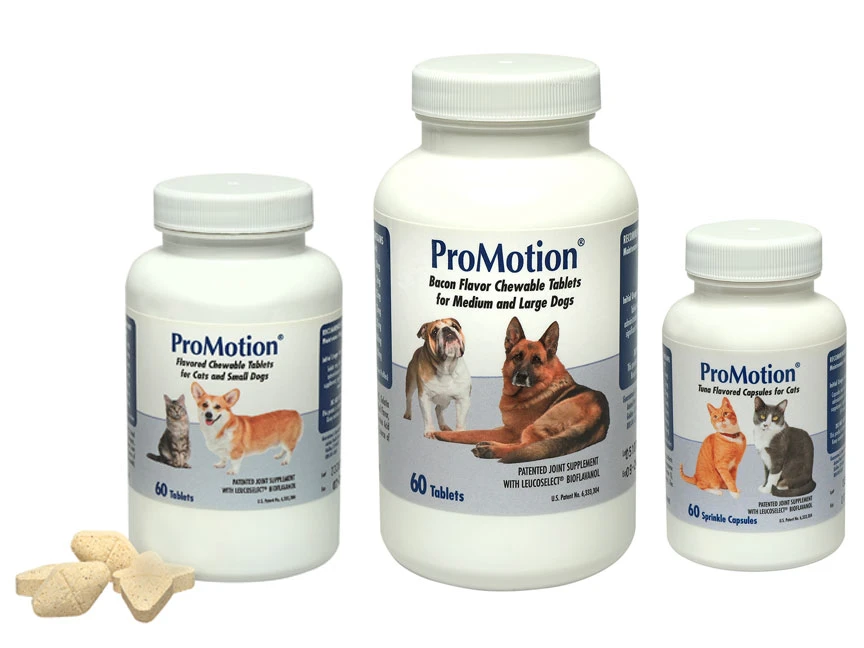
Types of Dietary Supplements for Small Animals Explained
PawVerde.com – Dietary supplements for small animals encompass a varied range of products designed to address species-specific nutritional gaps, support physiological functions, and manage health conditions. Commonly used supplements include glucosamine and chondroitin for joint health, omega-3 and omega-6 fatty acids for skin and coat condition, and vitamins such as B12 and E to bolster overall wellness. However, supplementation must be carefully tailored and supervised by veterinary professionals to avoid risks associated with improper dosing, nutrient imbalances, or interactions with existing treatments.
Joint health supplements such as glucosamine, chondroitin sulfate, methylsulfonylmethane (MSM), and Boswellia serrata extracts are frequently administered in cases of osteoarthritis or declining joint mobility in small animals. Glucosamine, a natural amino sugar, supports cartilage repair and maintenance, while chondroitin sulfate contributes to cartilage elasticity and inhibits enzymatic degradation. MSM acts as an anti-inflammatory agent, and Boswellia contains active compounds with analgesic and anti-inflammatory properties. Clinical evidence on their efficacy varies; some studies demonstrate symptomatic relief and improved mobility in dogs and cats, whereas others highlight the need for further robust trials. Typically, these supplements are integrated into comprehensive management plans alongside weight control and physical therapy.
Fatty acid supplementation plays a crucial role in maintaining skin integrity, coat glossiness, and modulating inflammatory responses. Omega-3 fatty acids, particularly eicosapentaenoic acid (EPA) and docosahexaenoic acid (DHA), are primarily sourced from fish oil, while alpha-linolenic acid (ALA) is derived from flaxseed oil. Omega-6 fatty acids, including linoleic acid and arachidonic acid, are abundant in plant oils and animal fats. Cats, in particular, require dietary arachidonic acid due to limited endogenous synthesis. Deficiencies in these fatty acids can manifest as dry, flaky skin, alopecia, or exacerbated inflammatory conditions such as atopic dermatitis. Supplementation with balanced omega-3 and omega-6 ratios improves skin barrier function and may reduce reliance on corticosteroids in chronic inflammatory diseases.
Vitamin and mineral supplements are essential for diverse physiological processes including growth, immune competence, reproduction, and neurological function. Vitamins B12 and E are commonly supplemented to support hematopoiesis and antioxidative defense, respectively. Vitamin D3 regulates calcium-phosphorus metabolism, critical for bone health, while zinc contributes to enzymatic reactions and skin regeneration. Products like NEKTON-MSA cater specifically to reptiles and birds, providing a calibrated blend of vitamins and minerals tailored to their metabolic needs. Over-supplementation of fat-soluble vitamins poses toxicity risks; hence, precise dosing guided by veterinary assessment is imperative.
Amino acids and their derivatives such as taurine and S-adenosyl-methionine (SAMe) address metabolic and neurological health in small animals. Taurine is an essential amino acid for cats, vital for cardiac function, retinal health, and reproduction. Deficiency can lead to dilated cardiomyopathy and retinal degeneration. SAMe is used for its hepatoprotective and neuroprotective properties, benefiting animals with liver disease or cognitive decline. The administration of these compounds should be based on clinical indications and monitored for efficacy and safety.
Probiotics and fiber supplements enhance digestive health, particularly in small mammals with sensitive gastrointestinal systems. Probiotics containing Lactobacillus and Bifidobacterium species help maintain microbial balance, reduce diarrhea incidence, and improve nutrient absorption. High-fiber diets, common in rabbits and rodents, support gut motility and prevent dysbiosis. Herbal ingredients with prebiotic effects may complement these interventions. However, the efficacy of many probiotic products varies due to strain-specific activity and viability, necessitating products with validated formulations.
Species-specific nutritional requirements dictate supplementation strategies. Dogs and cats generally receive balanced commercial diets fulfilling most nutrient needs; supplementation is reserved for targeted conditions such as joint disease or skin disorders. Ferrets often benefit from fatty acid supplementation to counter dry coat and skin problems linked to their high metabolic rates. Rabbits and rodents usually do not require additional supplements if provided with quality hay, fresh greens, and controlled pellets, but vitamin C supplementation is essential in guinea pigs due to their inability to synthesize it endogenously. Exotic pets like reptiles and birds often rely heavily on vitamin-mineral supplements to compensate for dietary limitations and environmental factors affecting nutrient availability.
Regulatory frameworks distinguish dietary supplements from veterinary drugs, prohibiting claims of disease treatment or prevention without rigorous approval. Over-supplementation can induce toxicity; for example, excess selenium causes selenosis, manifesting as alopecia, hoof deformities, and neurological signs. The lack of standardization in supplement manufacturing poses risks of contamination, inaccurate labeling, and variable potency. Veterinary professionals emphasize the use of products with certifications from independent bodies such as ConsumerLab.com or adherence to AAFCO guidelines to ensure quality and safety.
Supplementation is typically considered when clinical signs indicate nutritional insufficiency or specific health challenges arise. Indicators such as a dull coat, joint stiffness, weight loss, lethargy, or digestive disturbances warrant veterinary evaluation and potential supplementation. Life stages including growth, pregnancy, and lactation increase nutrient demands, often necessitating adjusted supplementation. Diagnostic assessments, including blood work and dietary analysis, inform personalized supplementation plans and ongoing monitoring to optimize outcomes.
ConsumerLab.com testing reveals considerable variability in pet supplement quality, with some products failing to meet declared ingredient levels or containing contaminants. Selecting supplements from reputable manufacturers with transparent sourcing, batch testing, and veterinary endorsements is essential. Veterinary supervision ensures that supplementation complements rather than replaces balanced nutrition and medical treatment, minimizing adverse effects and maximizing therapeutic benefits.
| Supplement Type | Common Ingredients | Primary Benefits | Species Considerations |
|---|---|---|---|
| Joint Health | Glucosamine, Chondroitin Sulfate, MSM, Boswellia | Supports cartilage health, reduces inflammation, improves mobility | Dogs, cats; dose adjustment based on size and condition |
| Fatty Acids | Omega-3 (EPA, DHA), Omega-6 (Linoleic Acid, Arachidonic Acid) | Enhances skin and coat condition, modulates inflammation | Cats require arachidonic acid; ferrets benefit from supplementation |
| Vitamins & Minerals | Vitamin B12, E, D3, Zinc | Supports immune function, bone health, antioxidation | Reptiles, birds require specialized blends like NEKTON-MSA |
| Amino Acids & Derivatives | Taurine, SAMe | Supports cardiac, neurological, and metabolic health | Critical for cats (taurine); used in liver support |
| Probiotics & Fiber | Lactobacillus, Bifidobacterium, dietary fiber, herbal prebiotics | Improves gut microbiota, digestive health | Small mammals; rabbits and rodents require high fiber diets |
Common dietary supplements for small animals include glucosamine and chondroitin for joint support, omega-3 and omega-6 fatty acids for skin and coat health, and vitamins such as B12 and E for overall wellness. Supplementation should be guided by a veterinarian to ensure safety and meet species-specific nutritional needs.
FAQ
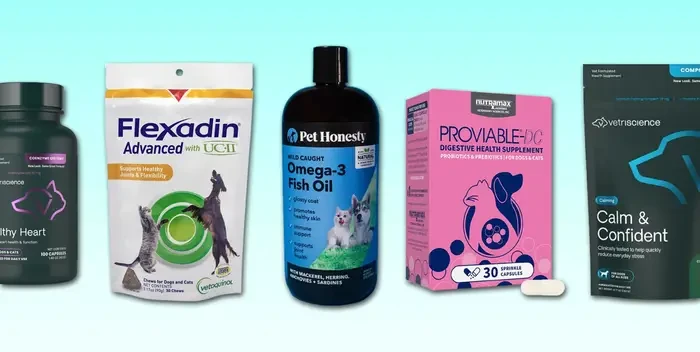
What are the most important dietary supplements for joint health in small animals?
Glucosamine and chondroitin sulfate are the primary supplements for joint health, often combined with methylsulfonylmethane (MSM) and Boswellia extracts to reduce inflammation and support cartilage repair. These are most commonly used in dogs and cats with osteoarthritis or joint stiffness.
Do all small animals require fatty acid supplements?
Not all small animals require fatty acid supplements if their diet is balanced. Cats and ferrets may benefit from omega-3 and omega-6 supplementation to maintain skin and coat health, while herbivorous species like rabbits and rodents generally obtain sufficient fatty acids from their natural diets.
Can vitamin supplements replace a balanced diet for small pets?
Vitamin supplements are intended to complement, not replace, a balanced diet. Over-supplementation can cause toxicity, so vitamins should only be administered based on veterinary advice and specific nutritional needs.
Are probiotics effective for digestive health in small animals?
Probiotics containing specific bacterial strains can enhance gut health and reduce digestive disturbances in small animals. Effectiveness depends on the probiotic strain, dosage, and the animal’s health status, making veterinary guidance important when selecting products.
When should pet owners consult a veterinarian about supplements?
Veterinary consultation is essential before starting any supplement to assess the animal’s health, diagnose potential deficiencies, avoid harmful interactions, and ensure appropriate dosing. This is particularly important for animals with chronic diseases, young, pregnant, or geriatric pets.
Looking ahead, advances in veterinary nutrition and nutrigenomics are likely to refine supplement formulations tailored to individual genetic profiles and health conditions in small animals. Enhanced quality control, regulatory oversight, and evidence-based guidelines will improve supplement safety and efficacy, empowering veterinarians and pet owners to optimize nutritional support for diverse species.