
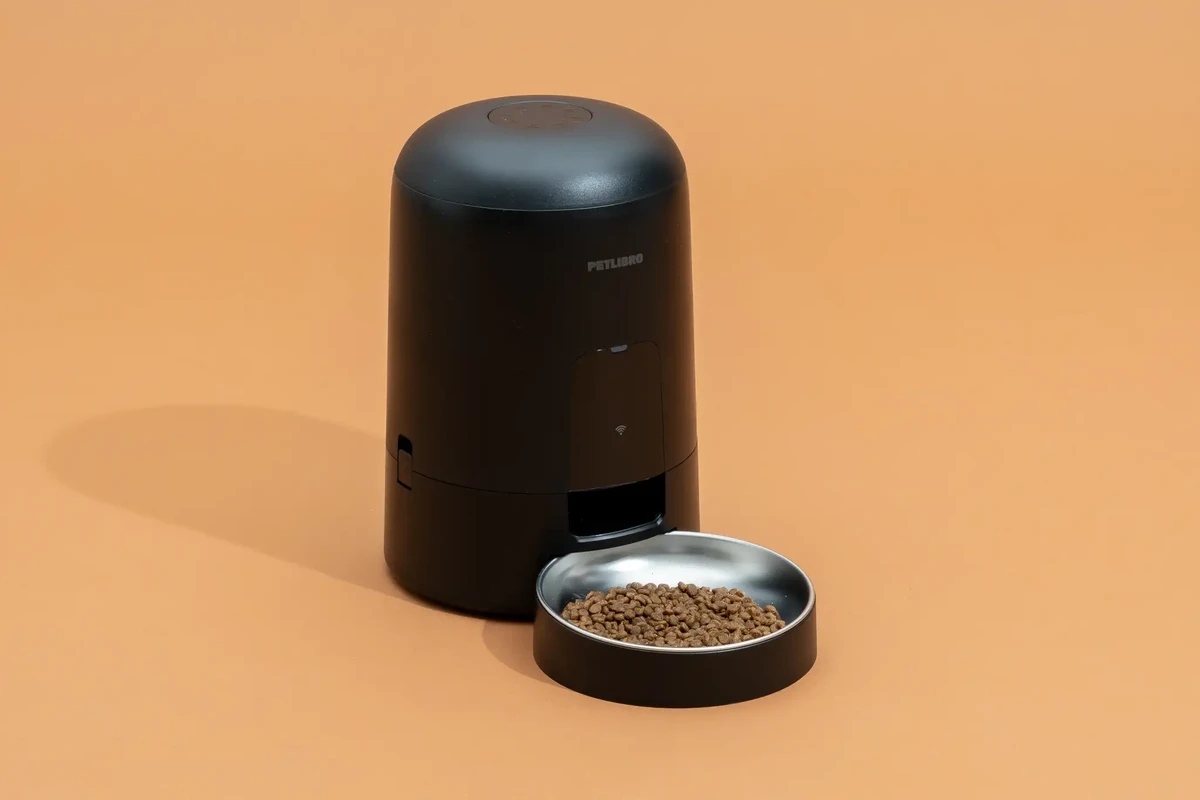
Are Smart Pet Feeders Worth It in 2026? Expert Insights
PawVerde.com – Smart automatic pet feeders in 2026 have become indispensable tools for pet owners seeking convenience, precision, and improved pet health management. Advances in WiFi connectivity, portion control technology, and integrated monitoring features have transformed these devices into comprehensive feeding solutions that support consistent routines and dietary needs. Leading manufacturers such as VEKEN, PetLibro, PetSafe, and Catit continue to innovate, integrating pet cameras and multi-pet feeding capabilities that address the complexities of modern pet ownership. These developments not only reduce owner workload but also contribute to pet weight management and overall welfare.
Remote feeding through smartphone apps on Android and iOS platforms is a hallmark of the latest automatic feeders, allowing owners to dispense meals and monitor pets from anywhere. Veterinary experts, including Dr. Hannah Hart, emphasize that such technology supports healthier feeding patterns by enabling precise portion control, reducing the risk of obesity, and maintaining dietary consistency. However, challenges remain, particularly in multi-pet households where food sensitivities and behavioral issues require careful management. Cost considerations and product reliability are critical factors influencing the value proposition of investing in smart pet feeders.
Features and Benefits of Smart and Automatic Pet Feeders
The integration of WiFi connectivity has revolutionized the functionality of automatic pet feeders by enabling remote feeding capabilities. Owners can schedule meal times or manually dispense food via dedicated pet feeder apps compatible with both Android and iOS devices. This remote control feature is especially beneficial for busy professionals or frequent travelers, ensuring pets receive meals on time without human presence. Additionally, many feeders now support push notifications and feeding logs, providing transparency and peace of mind regarding pet nutrition.
Portion control technology is a defining benefit of smart feeders in 2026. Devices utilize calibrated dispensing mechanisms that release pre-measured amounts of food, aligning with veterinary dietary recommendations. This precision aids in pet weight management, a growing concern as obesity rates in domestic animals continue to rise. According to data from VCA Hospitals, pets on regulated feeding schedules with monitored portions exhibit lower incidence of weight-related health issues. Some feeders incorporate adaptive algorithms that adjust portions based on pet activity levels or weight data input through companion apps.
Integrated pet cameras and two-way audio elevate these devices beyond simple feeders. Cameras allow owners to visually monitor their pets during feeding, while two-way audio facilitates interaction, reducing separation anxiety for both pets and owners. These monitoring features also aid in detecting feeding behavior anomalies, such as reluctance or aggression, enabling timely veterinary consultation. Leading products from PetLibro and PetSafe often bundle these features, enhancing usability and pet engagement.
Scheduling flexibility remains a core advantage, with most smart feeders supporting multiple daily meals and customizable feeding times. This flexibility accommodates pets with specific dietary needs, such as diabetic animals requiring frequent small meals. Moreover, scheduling helps maintain consistent routines, which veterinarians like Dr. Hannah Hart identify as crucial for digestive health and behavioral stability in pets.
Leading Manufacturers and Market Trends
The pet feeder market in 2026 is characterized by rapid growth fueled by rising pet ownership, increasing awareness of pet health, and demand for smart home integration. Market research indicates a compound annual growth rate (CAGR) exceeding 12%, driven by innovations in connectivity and sensor technology. Brands such as VEKEN, PetLibro, PetSafe, and Catit dominate the landscape, each offering distinct features that cater to a variety of pet care needs.
VEKEN stands out for its emphasis on modular design and multi-pet feeding solutions, incorporating RFID technology to dispense personalized portions to individual pets. PetLibro focuses on app usability and camera integration, providing high-definition video and real-time notifications. PetSafe leverages decades of experience in pet containment and feeding, offering robust portion control and durable build quality. Catit, known for cat-specific feeders, integrates portion monitoring with health tracking, appealing to feline owners prioritizing weight management.
Recent innovations include enhanced sensor accuracy to prevent food jams and spoilage, improved battery backup systems for uninterrupted operation, and AI-driven portion recommendations based on pet profile data. App interfaces have evolved to support voice commands and smart home connectivity through platforms like Amazon Alexa and Google Assistant, allowing seamless integration into daily routines.
Practical Use Cases and User Experiences
Smart feeders provide tangible benefits for pet owners balancing busy lifestyles. For example, remote feeding enables working professionals to maintain regular feeding schedules despite long hours away from home. Travel scenarios also benefit, as feeders can be monitored and controlled remotely, reducing reliance on pet sitters. User reviews collected by CNN Underscored highlight increased peace of mind and convenience as primary advantages reported by owners.
Multi-pet households present complex feeding challenges that smart feeders partially address through individualized dispensing features. For instance, RFID-enabled feeders from VEKEN allow pets to access only their designated food portions, mitigating food aggression and dietary cross-contamination. However, veterinarians caution that these systems require careful monitoring to ensure all pets receive adequate nutrition and that feeding stations are placed strategically.
Dr. Hannah Hart, a veterinary nutritionist, notes that automatic feeders support pet health by promoting consistent meal timing and portion control, reducing risks associated with irregular feeding such as gastrointestinal upset and obesity. She emphasizes that feeders should complement, not replace, regular veterinary check-ups and personalized dietary plans. Additionally, feeding cameras assist in early detection of appetite changes, providing data that can inform medical evaluations.
Considerations and Limitations
Investing in smart automatic pet feeders involves evaluating cost against expected value. High-end models with advanced connectivity and multi-pet features typically range from $150 to $400, with recurring expenses for proprietary food containers or app subscriptions in some cases. For budget-conscious consumers, basic automatic feeders without WiFi or cameras remain available but lack the benefits of remote control and monitoring.
Multi-pet feeders, while innovative, pose challenges in households with food allergies or reactive pets. Cross-contamination risks and behavioral conflicts may undermine the effectiveness of shared feeding systems. Experts recommend pairing automatic feeders with behavioral training or segregated feeding zones to mitigate these issues.
Product reliability and safety certifications are paramount. Consumers should seek feeders compliant with electrical safety standards and constructed from pet-safe materials. Failures in portion control mechanisms or connectivity issues can disrupt feeding schedules, potentially harming pet health. Trusted manufacturers like PetSafe and Catit publish safety certifications and conduct rigorous product testing to ensure performance consistency.
Future Outlook for Pet Feeding Technology
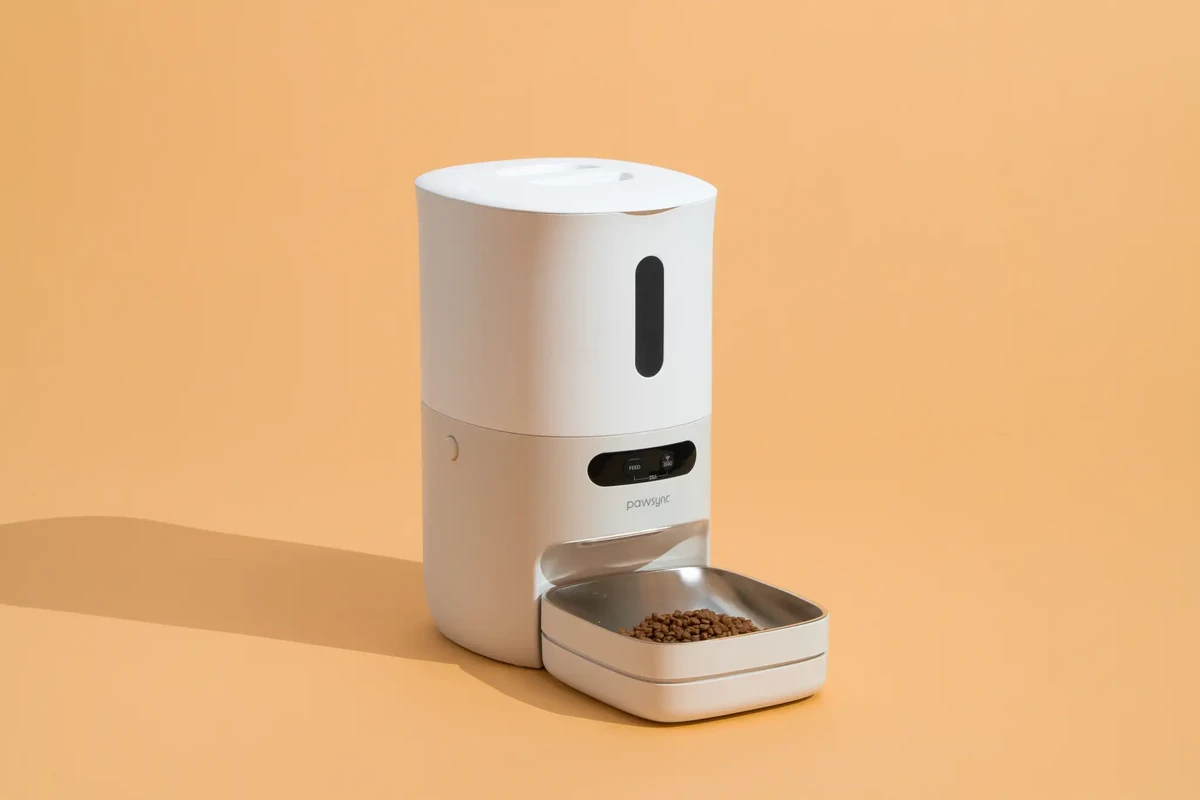
Looking ahead, the integration of artificial intelligence is poised to enhance smart pet feeders significantly. AI algorithms will analyze pet behavior, weight trends, and activity levels to dynamically adjust portion sizes and feeding schedules, optimizing nutrition on an individual basis. Emerging sensors capable of detecting food freshness and consumption rates promise to reduce waste and improve feeding accuracy.
Moreover, pet feeders are expected to become integral components of broader smart home ecosystems. Voice-activated feeding commands, synchronization with environmental controls (such as lighting and temperature), and health monitoring through connected wearables will create unified platforms for comprehensive pet care.
The evolution of multi-pet feeders will likely address current limitations through improved pet identification and feeding compartmentalization. Enhanced app interfaces will offer more granular control and data analytics, empowering owners and veterinarians to make informed decisions collaboratively.
Frequently Asked Questions
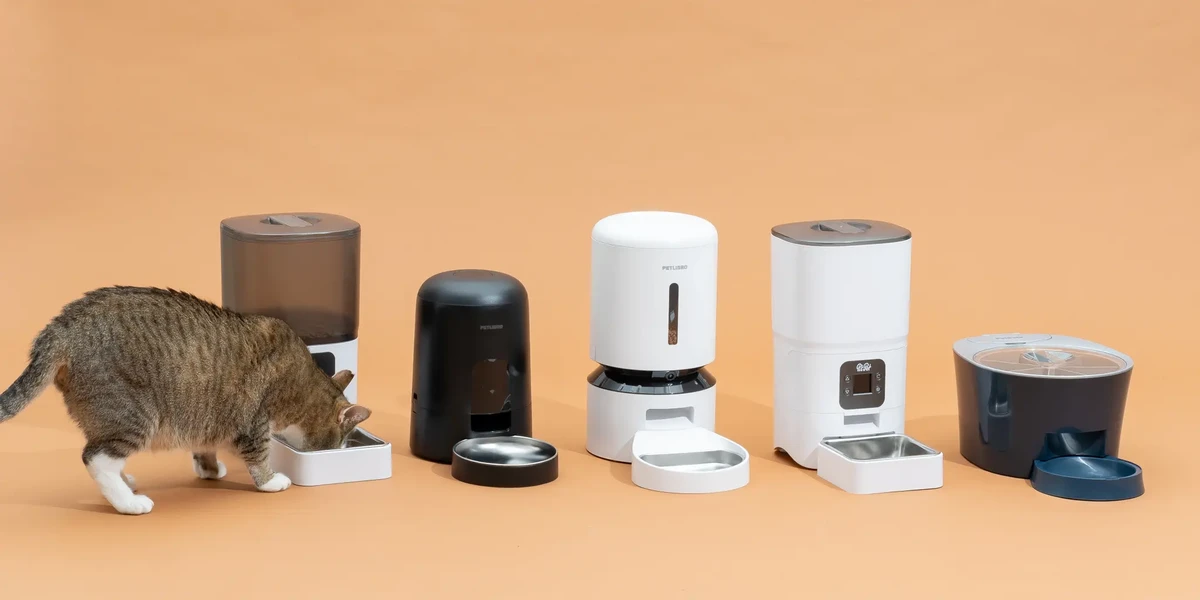
What are the primary advantages of smart pet feeders in 2026?
Smart pet feeders provide remote app control, precise portioning, and integrated monitoring features like cameras and two-way audio. These capabilities support consistent feeding schedules, aid in weight management, and allow owners to interact with pets remotely, enhancing convenience and pet health.
Which manufacturers lead the smart pet feeder market this year?
Top manufacturers include VEKEN, PetLibro, PetSafe, and Catit. Each offers unique innovations such as RFID multi-pet solutions, high-definition pet cameras, advanced portion control, and app connectivity focused on usability and reliability.
Are automatic pet feeders suitable for multi-pet households?
Many smart feeders feature multi-pet feeding solutions with individual portion control and pet identification. However, owners should consider pet behavior and dietary restrictions, as feeders may not fully resolve issues related to food aggression or allergies without additional management.
How do smart feeders contribute to pet health?
By enabling precise portion control and consistent feeding times, smart feeders help prevent obesity and digestive issues. Integrated monitoring features allow owners and veterinarians to track feeding behavior, facilitating early detection of health concerns.
What limitations should consumers be aware of before purchasing?
Costs for advanced feeders can be high, and some models require subscriptions for full app functionality. Technical issues like connectivity failures or mechanical jams can disrupt feeding. Multi-pet feeders may not be ideal for pets with food sensitivities or aggressive tendencies without careful supervision.
Smart automatic pet feeders in 2026 represent a significant advancement in pet care technology, combining convenience, health management, and interactive features. As innovations continue, owners investing in these devices can expect enhanced control over feeding routines and improved wellbeing for their pets. Future developments in AI and smart home integration promise even greater personalization and reliability, positioning smart feeders as essential components of modern pet ownership.