
Top Dietary Supplements for Senior Dogs Backed by Experts
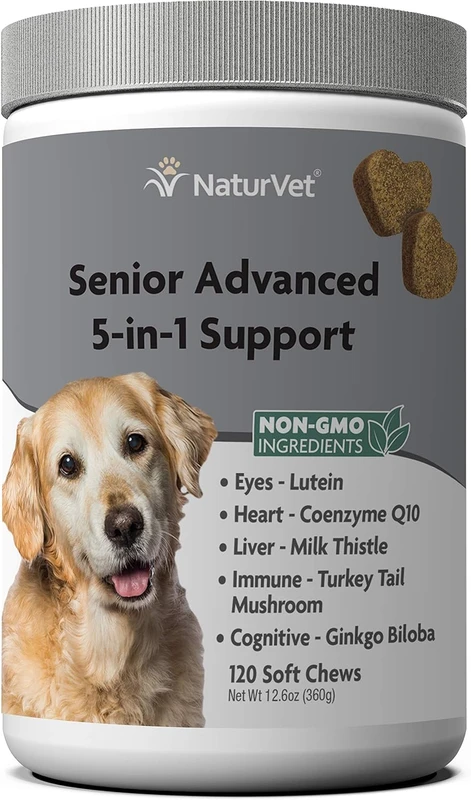
PawVerde.com – Senior dogs face a range of physiological challenges that compromise mobility, cognition, digestion, immunity, and vision. In 2026, evidence-based dietary supplementation plays an increasingly critical role in mitigating age-related decline and enhancing quality of life for aging canines. Leading veterinary experts endorse targeted supplements such as glucosamine and chondroitin for joint repair, omega-3 fatty acids for cognitive and anti-inflammatory benefits, probiotics for gastrointestinal health, and antioxidant formulations to support brain function. Integration of these supplements, combined with veterinary oversight, forms the cornerstone of a comprehensive senior dog health strategy.
Glucosamine and chondroitin remain foundational for maintaining joint integrity and mobility in senior dogs. Clinical studies demonstrate their efficacy in promoting cartilage repair and reducing osteoarthritis symptoms by stimulating cartilage synthesis and inhibiting degradation enzymes. Dosages typically range from 500 to 1500 mg daily for medium to large breeds, with veterinary guidance essential to tailor regimens based on weight and severity of joint issues. These supplements work synergistically with omega-3 fatty acids, particularly EPA and DHA derived from fish oil, which exhibit potent anti-inflammatory properties. Omega-3 supplementation has been linked to improved cognitive function through neuroprotective mechanisms and supports renal health by modulating inflammatory pathways implicated in chronic kidney disease common in aged dogs.
Probiotics have garnered significant attention in 2026 for their role in maintaining digestive health and strengthening immune function. Senior dogs often experience dysbiosis due to aging-related changes in gut microbiota and medication use. Supplementation with strains such as Lactobacillus acidophilus and Bifidobacterium animalis enhances nutrient absorption, reduces gastrointestinal inflammation, and supports the mucosal immune barrier. Emerging research also points to probiotics’ indirect effects on cognitive health via the gut-brain axis, underscoring their multifaceted benefits.
Antioxidants including vitamin E, vitamin C, and flavonoids play a pivotal role in counteracting oxidative stress, a key driver of cellular aging in dogs. Oxidative damage contributes to cognitive decline, immune senescence, and tissue degeneration. Veterinary-endorsed antioxidant blends optimize brain vitality and systemic health by scavenging free radicals and supporting mitochondrial function. Among vision supplements, Ocu-GLO remains the leading formula, combining antioxidants like lutein and zeaxanthin with omega-3 fatty acids to protect retinal cells and slow progression of age-related eye diseases such as cataracts and glaucoma.
Veterinary consultation is paramount before initiating any supplement regimen, with recommendations typically advising commencement around seven years of age when physiological decline begins to accelerate. Veterinarians assess individual health status, pre-existing conditions, and concurrent medications to determine appropriate dosages and formulations. They also caution against the use of human supplements, which may contain harmful additives or inappropriate dosages. Cost-effectiveness and ingredient bioavailability are additional considerations to ensure supplements deliver therapeutic benefits without undue financial burden.
Advancements in personalized canine nutrition are reshaping senior dog supplementation. DNA-based supplement formulations utilize genetic profiling to address breed-specific predispositions and metabolic variations. Simultaneously, AI-driven dosing algorithms optimize supplement combinations and quantities, enhancing efficacy and safety. These innovations, projected to become mainstream by 2027, offer precision health strategies that adapt dynamically to individual aging trajectories.
Selecting high-quality supplements involves evaluating ingredient purity, standardized active compound levels, and third-party certifications. Transitioning to supplementation requires gradual introduction to monitor tolerance and efficacy, ideally paired with senior-specific diets enriched with balanced nutrients to complement supplemental benefits. Regular veterinary follow-ups enable adjustments and early detection of adverse reactions or insufficient response.
| Supplement | Primary Benefits | Key Ingredients | Typical Dosage | Veterinary Considerations |
|---|---|---|---|---|
| Glucosamine & Chondroitin | Joint cartilage repair, mobility support | Glucosamine sulfate, chondroitin sulfate | 500-1500 mg daily (breed dependent) | Adjust for weight; monitor for allergies |
| Omega-3 Fatty Acids | Anti-inflammatory, cognitive support, kidney health | EPA, DHA from fish oil | 50-100 mg/kg body weight | Ensure purity; watch for bleeding risks |
| Probiotics | Digestive health, immune modulation | Lactobacillus acidophilus, Bifidobacterium animalis | 1-10 billion CFU daily | Strain-specific efficacy; start low dose |
| Antioxidants | Oxidative stress reduction, cognitive vitality | Vitamin E, C, flavonoids | Vet-guided dosing | Balance with diet; avoid excess |
| Ocu-GLO Vision Supplement | Retinal protection, vision maintenance | Lutein, zeaxanthin, omega-3 | As per product guidelines | Monitor eye health annually |
Senior dog owners should be vigilant for clinical signs indicating the need for supplementation, including decreased mobility, cognitive lapses, digestive irregularities, and vision changes. Veterinary professionals recommend starting supplementation proactively at middle age, typically seven years, to preempt degenerative processes. Dosing guidelines emphasize gradual titration and ongoing monitoring to avoid adverse effects and ensure therapeutic benefit. Breed-specific factors, such as predisposition to joint disorders or kidney disease, influence supplement choice and regimen customization.
Emerging research underscores the importance of combining supplements with tailored senior dog diets rich in high-quality proteins, balanced fats, and essential micronutrients. This integrative approach maximizes nutrient absorption and supports systemic health. Veterinary nutritionists advocate for regular health evaluations to dynamically adjust supplementation and dietary plans according to evolving needs.
Veterinary Guidance and Safety Considerations
Veterinary expertise remains the cornerstone of safe and effective supplementation for senior dogs. Leading veterinary panels recommend initiating supplements around seven years of age, coinciding with early physiological decline. They emphasize individualized assessment to consider comorbidities like kidney insufficiency or allergies that may contraindicate certain supplements. For example, excessive omega-3 intake may increase bleeding risk in dogs on anticoagulants. Similarly, glucosamine and chondroitin, while generally well tolerated, require monitoring for gastrointestinal upset or rare allergic reactions.
Veterinarians also caution against substituting prescribed medications with supplements and advise that supplements complement, not replace, veterinary treatment. Careful selection of veterinary-endorsed brands with transparent sourcing and evidence-backed formulations reduces risks of contamination or ineffective products. Cost-effectiveness analyses incorporate not only price but bioavailability and clinical efficacy, ensuring owners invest in supplements offering measurable health improvements.
Emerging Trends in Senior Dog Supplementation
The supplement landscape for senior dogs is evolving rapidly with incorporation of precision nutrition technologies. DNA-based supplements analyze canine genetic markers to identify individual susceptibilities to joint, cognitive, or renal disorders, enabling bespoke formulations. AI-powered platforms integrate health data, breed characteristics, and environmental factors to generate optimized dosing schedules personalized for each dog’s unique profile.
Such innovations aim to enhance therapeutic outcomes, minimize side effects, and improve owner adherence through data-driven recommendations. By 2027, these technologies are projected to become widely accessible, transforming senior dog care from generalized supplementation to precision health management. Additionally, novel ingredients under investigation include marine-derived antioxidants, novel prebiotic fibers, and cognitive enhancers targeting neuroinflammation.
Integrating Supplements Into Senior Dog Care
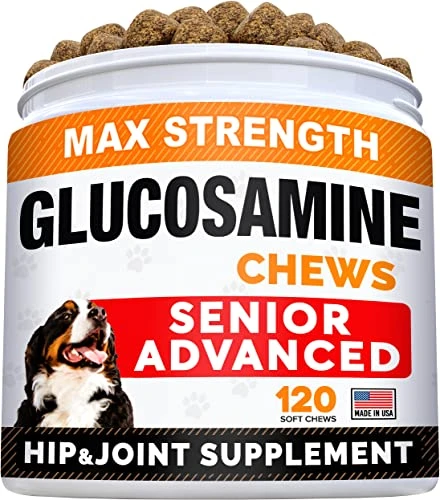
Choosing supplements requires scrutiny of ingredient quality, third-party testing, and veterinary approval. Owners should introduce supplements gradually over weeks to monitor tolerance and efficacy, observing changes in mobility, digestion, cognition, and overall vitality. Combining supplements with tailored senior dog diets enhances nutrient synergy and absorption.
Regular veterinary checkups should include assessments of joint function, cognitive status, digestive health, and kidney parameters to adjust supplementation as needed. Owners are advised to maintain detailed logs of supplement types, dosages, and observed effects to facilitate informed veterinary consultations.
FAQ
When should I start giving my dog supplements?
Veterinarians generally recommend beginning supplements around seven years of age when dogs enter their senior phase. Early initiation can slow age-related decline, but timing should be personalized based on health status.
Are glucosamine and chondroitin safe for all dog breeds?
These supplements are broadly safe but dosing should be adjusted for breed size and health conditions. Consultation with a veterinarian is essential to avoid adverse effects or interactions.
Can probiotics improve my senior dog’s cognitive function?
While primarily supporting digestive and immune health, probiotics may indirectly benefit cognitive function through the gut-brain axis, though more research is needed to confirm direct effects.
Is it safe to give my dog human supplements like fish oil?
Human supplements often contain inappropriate dosages or additives harmful to dogs. It is safer to use veterinary-formulated supplements designed specifically for canine metabolism.
How do DNA-based supplements work for senior dogs?
DNA-based supplements use genetic profiling to identify specific health risks and metabolic needs, enabling personalized formulations that target breed and individual susceptibilities for optimized aging support.
The convergence of established joint-supporting agents, anti-inflammatory omega-3s, gut-friendly probiotics, and antioxidant compounds, guided by veterinary expertise and enhanced by emerging personalization technologies, defines the best dietary supplement protocols for senior dogs in 2026. Owners committed to evidence-based, vet-supervised supplementation can substantially improve their pets’ mobility, cognition, digestion, immunity, and vision, ultimately extending healthspan and quality of life. Moving forward, integration of AI-driven dosing and genetic insights promises to refine these regimens further, offering unprecedented precision in senior canine healthcare.