

How to Create Sustainable Outdoor Spaces for Pets Safely
PawVerde.com – Creating a sustainable outdoor space tailored for pets ensures their safety, comfort, and enjoyment while promoting environmental responsibility. This tutorial guides you step-by-step through designing, building, and maintaining pet-friendly yards using durable, eco-conscious materials and practices. By incorporating proper drainage, pest control, shade solutions, and behavioral zones, you can craft an outdoor retreat that supports your pet’s wellbeing year-round and minimizes ecological impact.
Starting with planning and material selection, this guide addresses water management, pest safety, and functional zoning to accommodate natural pet behaviors such as digging and elimination. It also explores innovative sustainable pet housing designs and seasonal maintenance strategies to preserve landscape health and pet comfort. Urban pet owners will find practical tips for maximizing limited outdoor spaces and advocating for community pet amenities.
1. Planning Your Sustainable Pet-Friendly Outdoor Space
Before beginning landscaping or construction, create a detailed plan that considers your pet’s behavior, safety, and comfort while emphasizing sustainability. This foundational step ensures efficient use of space and materials.
1.1. Map Sun and Shade Patterns
Identify areas of full sun, partial shade, and full shade throughout the day. Pets, especially dogs, require shaded zones to regulate body temperature, making shade planning essential. Use a sun path app or observe your yard over several days to map these areas.
1.2. Define Pet Pathways and Activity Zones
Observe how your pet naturally moves and plays. Mark frequent paths, elimination spots, and digging tendencies. Designing distinct play zones, elimination areas, and dig pits prevents damage to landscaping and promotes hygiene.
1.3. Consider Safety and Accessibility
Plan fencing and gates to secure the area, selecting materials that prevent escape and withstand pet activity. Ensure easy access to water, shelter, and shade. Avoid sharp-edged plants or toxic species in pet traffic zones.
2. Selecting Sustainable and Pet-Safe Materials
Choosing durable, environmentally friendly materials balances longevity, pet safety, and ecological impact. Prioritize non-toxic, low-maintenance options suited for high-traffic pet areas.
2.1. Durable Fencing and Boundary Materials
Use brick, concrete, or high-quality vinyl fencing to withstand energetic pets and resist weathering. These materials require minimal upkeep and provide secure boundaries. Avoid chain-link fencing if your pet is a climber or digger, opting instead for solid panels buried slightly underground to prevent escapes.
2.2. Artificial Turf for Digging Prevention and Soil Protection
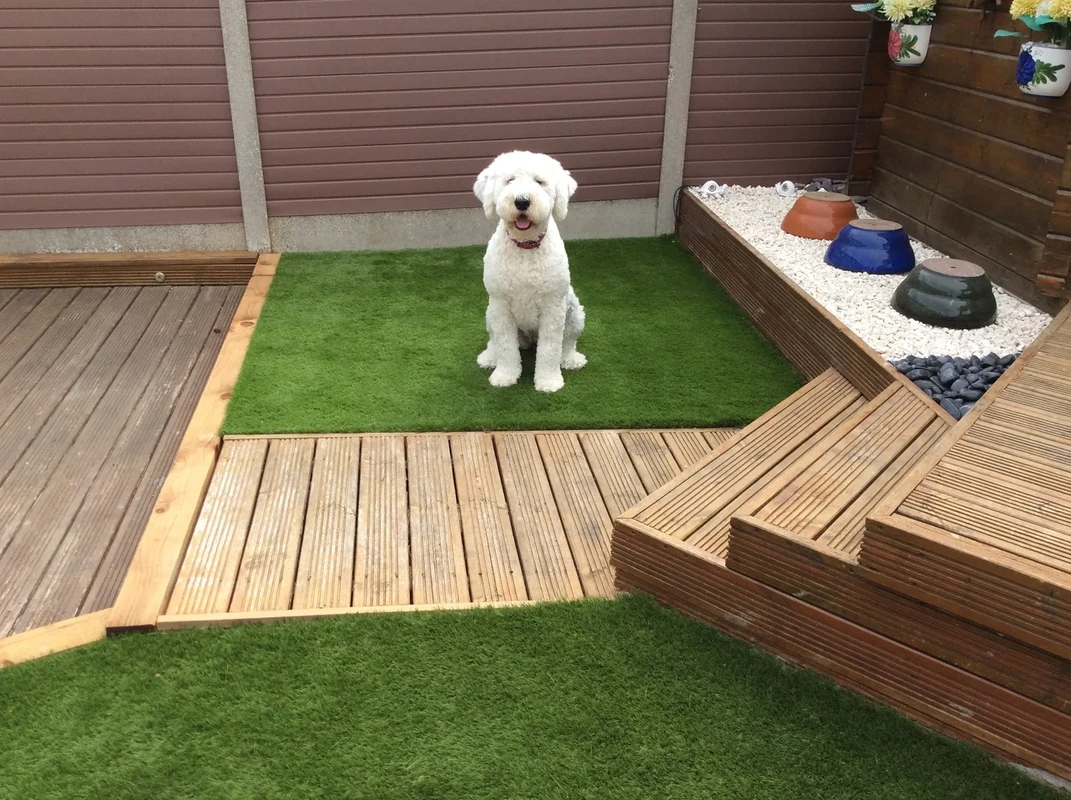
Artificial turf offers a resilient, low-maintenance surface that prevents soil erosion and digging damage. Select varieties with antimicrobial and UV-resistant properties to maintain hygiene and durability. Proper installation over a well-compacted base ensures drainage and comfort.
2.3. Pet-Safe Native Plants
Incorporate native, non-toxic plants that require less water and fertilizer, promoting sustainability. Consult veterinary-approved plant lists to avoid toxic species like azaleas or lilies. Use hardy shrubs and grasses that tolerate pet traffic and provide natural shade or barriers.
3. Water Management and Pet-Safe Pest Control
Effective water management prevents standing water hazards and supports sustainable landscaping, while pest control protects pets without harmful chemicals.
3.1. Ensuring Proper Drainage
Install French drains, rain chains, or rock basins to redirect water away from pet play areas, reducing mud and mosquito breeding grounds. Grade the yard to promote water flow toward drainage features without pooling.
3.2. Sustainable Water Redirection Features
Rain chains guide water from gutters into permeable rock basins or rain gardens, reducing runoff and supporting groundwater recharge. These features add aesthetic and ecological value to the pet yard.
3.3. Pet-Safe Seasonal Pest Treatments
Use natural pest control methods such as diatomaceous earth, beneficial nematodes, or essential oil-based sprays. Avoid chemical pesticides known to cause pet toxicity. Regularly clear debris and standing water to reduce pest habitats.
4. Providing Shade and Cooling Solutions
Heat stress is a significant risk for pets. Integrating shade structures and cooling elements improves pet wellbeing and reduces environmental energy use.
4.1. Planting Fast-Growing Shade Trees
Select native fast-growing trees like maple or oak to provide natural shade. Position trees strategically near play and rest areas. Ensure root systems will not interfere with fencing or underground utilities.
4.2. Installing Pergolas and Canopies
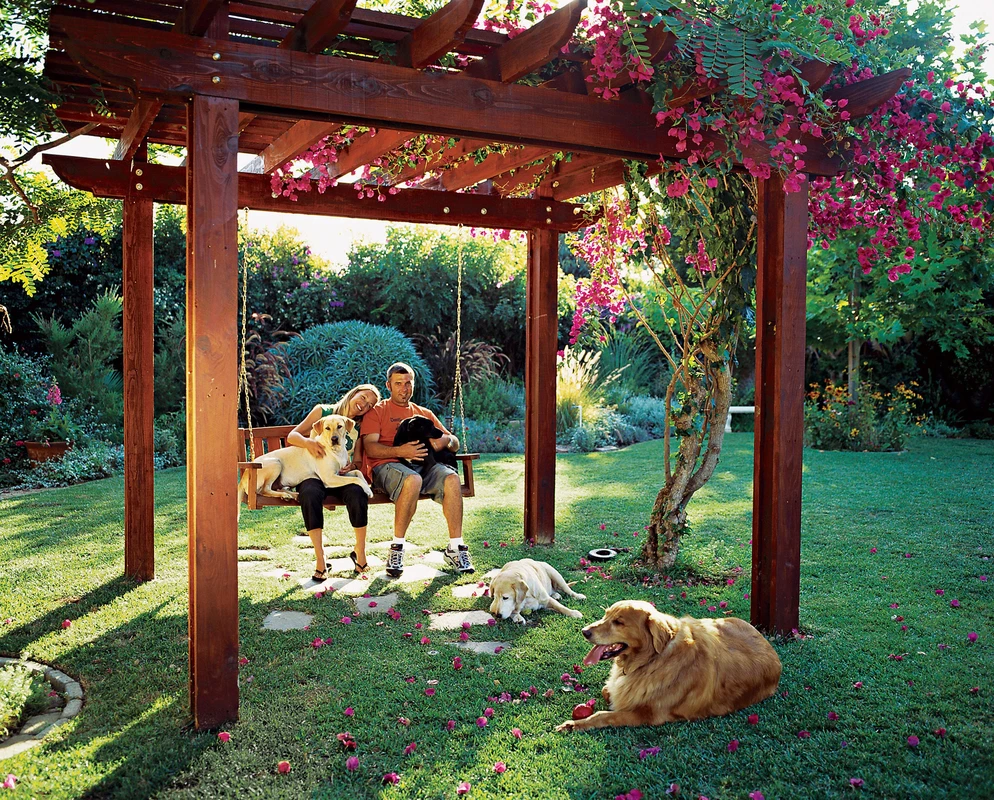
Pergolas covered with climbing vines create shaded retreats. Fabric canopies or retractable awnings offer flexible shade solutions for patios and runs. Use breathable, UV-resistant materials to maintain airflow.
4.3. Using Cooling Pads, Canopies, and Solar-Powered Fans
Pet cooling pads filled with gel or water help regulate body temperature. Solar-powered fans installed in pet houses or shaded areas circulate air sustainably. Combine these solutions for maximum heat mitigation during summer months.
5. Creating Functional Zones for Pets
Designated zones accommodate natural pet behaviors while protecting landscaping and maintaining hygiene.
5.1. Building Designated Dig Pits
Construct dig pits filled with sand or loose soil and hide toys to redirect digging away from other lawn areas. Position pits in shaded, accessible locations. Regularly replenish sand and clean the area to prevent odors.
5.2. Setting Up Elimination Areas
Designate gravel or mulch zones for pet elimination to protect grass and reduce odors. Install drainage beneath these areas to prevent pooling. Train pets to use these zones consistently through positive reinforcement.
6. Sustainable Pet Housing Innovations
Modern pet houses incorporate green technologies and eco-friendly materials to enhance comfort and reduce environmental impact.
6.1. Features of Green-Roof Dog Houses
Green roofs covered with succulents or grasses provide insulation and absorb rainwater. These roofs reduce heating and cooling needs, improving energy efficiency. Ensure proper waterproof membranes protect the structure.
6.2. Benefits of Solar-Powered Ventilation Systems
Solar fans installed on dog houses circulate fresh air, reducing heat buildup without electricity consumption. These systems are cost-effective and environmentally friendly, enhancing pet comfort in warm climates.
7. Seasonal Maintenance Guidelines for Pet Outdoor Spaces
Regular maintenance preserves landscape health, pet safety, and comfort throughout the year.
7.1. Spring: Drainage Checks and Pest Treatments
Inspect drainage systems after winter thaw to clear blockages. Apply pet-safe pest treatments targeting ticks and fleas emerging in warmer weather. Repair any fencing damage caused by winter conditions.
7.2. Summer: Lawn Care and Hydration
Mow lawns frequently to prevent overheating and provide fresh grass for pets. Replenish water bowls and cooling pads regularly. Prune shade trees and shrubs to maintain airflow and light balance.
7.3. Fall: Leaf Removal and Tree Trimming
Clear fallen leaves promptly to reduce mold and pests. Trim trees and shrubs to prepare for winter dormancy and prevent broken branches from hazards. Check elimination and dig zones for debris accumulation.
7.4. Winter: Snow Removal and Shelter Care
Remove snow from pet pathways and outdoor shelters to maintain access and warmth. Avoid using salt or chemical deicers near pet areas; opt for sand or pet-safe ice melt alternatives. Check insulation in pet houses to ensure adequate protection from cold.
8. Urban Pet Outdoor Space Considerations
For pet owners in urban environments, maximizing limited outdoor space requires creative design and community collaboration.
8.1. Designing Dog Runs in Limited Spaces
Use vertical fencing and multi-level platforms to expand play areas. Incorporate artificial turf and compact dig pits to conserve space. Integrate shade structures and water stations within small footprints.
8.2. Advocating for Pet-Friendly Parks and Amenities
Collaborate with local urban planners and community groups to develop pet parks and dog runs. Sustainable pet landscaping principles can be applied at a neighborhood scale to enhance urban pet wellbeing and environmental health.
Common Mistakes to Avoid When Creating Sustainable Pet Outdoor Spaces
Troubleshooting Common Issues
Solution: Increase enrichment through toys in dig pits; reinforce boundaries with buried fencing or rocks.
Solution: Re-grade problem zones; install additional drainage features such as French drains or rain gardens.
Solution: Rotate pest control methods; consult pest management professionals specializing in pet-safe treatments.
Solution: Add more shade elements, provide additional water sources, and use cooling pads or solar fans.
Frequently Asked Questions
What materials are safest and most durable for pet fencing?
Durable fencing materials like vinyl, brick, and concrete are recommended for high-traffic pet areas. These materials resist chewing and digging damage and provide secure boundaries. Solid panels buried slightly underground prevent escapes better than chain-link fencing.
How can I prevent my dog from digging up the lawn?
Designate a dig pit filled with sand or loose soil and encourage its use by hiding toys there. Reinforce perimeter boundaries and use artificial turf in vulnerable areas to deter digging.
Which plants are safe to include in pet-friendly landscaping?
Native, non-toxic plants such as lavender, rosemary, and marigolds are safe for pets and support sustainability by requiring less water and pesticides. Avoid plants like azaleas, lilies, and sago palms known to be toxic to dogs and cats.
How do I maintain my pet’s outdoor space during winter?
Remove snow from pet pathways and shelters to maintain access. Avoid using deicing salts near pet areas; instead, use sand or pet-safe ice melt. Ensure pet houses are insulated and dry to protect pets from cold temperatures.
What are effective pet-safe pest control methods?
Natural options include diatomaceous earth, beneficial nematodes, and essential oil sprays. Regularly clear standing water and debris to reduce pest breeding areas. Consult with veterinarians for recommended pet-safe pest treatments.
—
Creating a sustainable outdoor space for pets combines durable fencing, eco-friendly materials like artificial turf and native plants, effective drainage, pest control, ample shade, and functional zones tailored to pet behavior. Regular seasonal maintenance preserves the landscape’s integrity and pet safety while innovative green housing solutions enhance comfort. Whether in suburban backyards or urban dog runs, integrating these practices fosters healthier, safer, and environmentally responsible pet environments.