
How to Keep Pets Safe During Travel: Essential 2026 Tips
PawVerde.com – Traveling with pets in 2026 demands heightened attention to safety, legal compliance, and stress reduction, as pet ownership and mobility continue to rise globally. Ensuring pets are properly identified with updated microchips and ID tags, adhering to vaccination and health certificate mandates from agencies like the CDC and USDA, and utilizing secure travel equipment such as USDA-approved crates or crash-tested harnesses underpin safe journeys by car or air. Additionally, managing travel-related anxiety through acclimation and comfort items, preparing emergency kits, and understanding airline policies are critical components for responsible pet owners navigating complex travel environments.
Pet identification is central to travel safety, with microchipping now a near-universal recommendation supported by veterinary clinics such as Cornell Vet. Updated microchips linked to current owner information reduce the risk of permanent loss during transit. Complementary ID tags on collars are essential for immediate visual identification. The CDC mandates current rabies vaccinations and health certificates for dogs entering the U.S., while USDA-accredited veterinarians provide endorsed travel health certificates for both domestic and international trips. Pet owners must ensure vaccination records and certificates comply with destination-specific regulations, which vary significantly between airlines and countries, often requiring up-to-date documentation prepared weeks in advance.
Preparing pets for travel involves progressive acclimation techniques to reduce stress and anxiety. Experts from Mills River Animal Clinic advise starting with short car rides to accustom pets to movement and confinement in carriers or harnesses. Behavioral signs of anxiety such as panting, drooling, or vocalization should be monitored, with comfort items like favorite blankets or toys introduced to create familiarity. Veterinary consultation is recommended before administering anti-anxiety medications, which should be used judiciously and only under professional guidance. Comprehensive emergency kits tailored for pets—including items such as bottled water, non-perishable food, basic first aid supplies, and copies of health documentation—are vital for unforeseen delays or incidents.
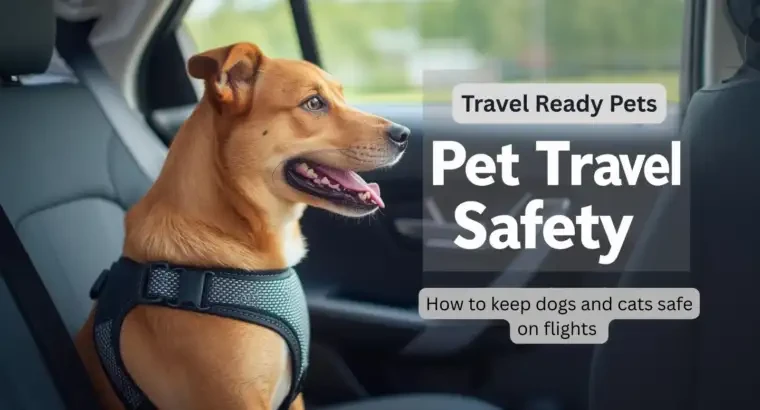
Car travel safety prioritizes the use of secure containment systems. Crash-tested harnesses and USDA-approved carriers designed to fit the pet comfortably prevent injury during sudden stops or accidents. Positioning animals in the vehicle’s rear seat, away from airbags, significantly reduces risk. Frequent stops for hydration and bathroom breaks are crucial, especially during long trips or extreme weather conditions. The ASPCA strongly advises never leaving pets unattended inside vehicles, as temperatures can rapidly reach dangerous levels, leading to heatstroke or hypothermia depending on climate. These precautions safeguard pet welfare while conforming to evolving best practices endorsed by animal welfare organizations.
Air travel presents unique challenges, with airline pet policies varying widely. Virgin Australia’s recent trial allowing pets in the cabin reflects a broader industry trend toward accommodating small animals on board. However, many U.S. airlines maintain strict limitations on in-cabin pets, often relegating them to cargo holds with specific crate requirements. USDA-approved crates must be spacious enough for pets to stand, turn, and lie down comfortably, equipped with absorbent bedding and provisions for food and water. Brachycephalic breeds such as bulldogs and pugs face heightened risks due to their compromised respiratory anatomy, with veterinary authorities advising against cargo travel for these animals. Booking direct flights minimizes the risk of pet separation and delays, which can exacerbate stress and health risks.
Stress management remains a pivotal aspect of traveling with pets. Recognizing behavioral cues indicative of distress enables owners to intervene early through calming strategies such as gentle petting, quiet environments, and familiar scents. Veterinary behaviorists emphasize gradual exposure to travel-related stimuli ahead of trips to build tolerance. Upon arrival, maintaining routines and allowing pets to explore new environments incrementally supports adjustment. Such approaches reduce the incidence of anxiety-driven behaviors, which can compromise safety and well-being during travel.
Emergency preparedness extends beyond packing supplies to include contingency planning for scenarios like vehicle breakdowns or lost pets. Pet owners should carry muzzles or safety equipment to control frightened animals safely. Establishing contact with veterinary clinics and emergency services along travel routes ensures prompt medical attention when necessary. GPS-enabled smart tags and collars provide real-time tracking capabilities, enhancing the likelihood of recovering lost pets quickly. Airports increasingly offer designated pet relief areas to facilitate comfort and hygiene during layovers, reflecting growing awareness of pet welfare in transit hubs.
Additional considerations for pet travel encompass researching pet-friendly accommodations and local regulations at destinations. Many hotels impose extra fees or house rules governing pet stays, which owners must verify beforehand to avoid disruptions. Understanding the availability of pet relief areas at airports and along highways supports planning for necessary breaks. Comprehensive knowledge of airline policies, including size restrictions and documentation requirements, prevents last-minute complications.
| Aspect | Recommendations | Regulatory/Expert Source |
|---|---|---|
| Pet Identification | Update microchips and ID tags; maintain current contact info | CDC, Cornell Vet, ASPCA |
| Vaccination & Health Certificates | Rabies vaccine mandatory; obtain USDA-endorsed certificates | CDC, USDA |
| Travel Equipment | Use USDA-approved crates; crash-tested car harnesses; bedding and water | USDA, ASPCA |
| Airline Policies | Book direct flights; check cabin vs cargo rules; special care for brachycephalic breeds | Virgin Australia, U.S. Airlines |
| Stress Management | Gradual acclimation; comfort items; vet-prescribed anxiety meds if needed | Mills River Animal Clinic, Veterinary Behaviorists |
| Emergency Preparedness | Emergency kits; muzzles; GPS smart tags; vet contacts en route | ASPCA, Veterinary Clinics |
The evolving landscape of pet travel regulations and safety protocols in 2026 underscores the necessity for pet owners to stay informed about the latest requirements and best practices. Compliance with legal documentation, proactive health maintenance, and use of advanced identification and travel gear collectively reduce risks associated with pet transport. Equally important is the attention to pets’ psychological well-being through stress reduction methods and emergency preparedness, which enhance the overall safety and comfort of animal companions during journeys.
Frequently Asked Questions
What vaccinations are required for pets traveling internationally in 2026?
International pet travel generally requires current rabies vaccinations and health certificates endorsed by USDA-accredited veterinarians. Additional vaccines may be mandated depending on destination countries, so owners must verify specific requirements well in advance.
How can I reduce my pet’s anxiety during travel?
Gradual acclimation to carriers and vehicles, use of familiar comfort items like blankets or toys, and consulting a veterinarian about safe anxiety medications are effective strategies. Maintaining a calm demeanor and consistent routines also support stress reduction.
Are there specific airline restrictions for transporting brachycephalic breeds?
Yes, many airlines restrict or prohibit brachycephalic breeds from traveling in cargo due to respiratory risks. Some allow these breeds in the cabin under strict conditions, but owners should consult airline policies and veterinary advice before booking.
What should be included in a pet travel emergency kit?
A comprehensive kit includes bottled water, non-perishable pet food, basic first aid supplies, waste bags, copies of vaccination and health certificates, a leash, and contact information for veterinary clinics along the route.
How can GPS smart tags help during pet travel?
GPS-enabled smart tags attached to collars provide real-time location tracking, which is invaluable if a pet escapes or becomes lost during travel. They enhance recovery chances and provide peace of mind for pet owners.
As pet travel continues to expand in scope and complexity, owners who integrate these multi-faceted safety measures and expert recommendations will better protect their pets’ health and well-being throughout every stage of their journey. Continuous education on emerging travel policies and advancements in pet identification and safety equipment will remain essential for responsible pet ownership in the dynamic travel environment of 2026 and beyond.