

How to Prepare Your Home for a Rescue Pet Sustainably
PawVerde.com – Preparing your home for a rescue pet sustainably means prioritizing a circular economy approach: sourcing second-hand gear first, upcycling household items into toys, and selecting durable, non-toxic materials like bamboo or stainless steel to minimize long-term waste and environmental impact.
With 6.5 million animals admitted to shelters and rescues in 2023, adopting a pet is a powerful way to reduce the resource-heavy demand of mass breeding facilities.
If you cannot find the perfect second-hand item, look to your recycling bin or closet. Upcycling transforms potential waste into functional pet supplies. For example, you can braid old T-shirts into durable rope tug toys or use empty cardboard tubes to create enrichment activities for cats. This approach prevents textile and paper waste from entering landfills while providing immediate mental stimulation for your new companion.A successful transition for a rescue animal requires a space that minimizes sensory overload. Creating a decompression zone involves more than just a quiet room; it requires an environment that supports the animal’s biological needs without relying on heavy electronic intervention.
Decluttering your living space is a fundamental step in this process. As noted in research regarding shelter pet transitions, decluttering helps create a peaceful atmosphere in your home. This simplicity helps prevent the stress and anxiety often seen in new pets when they move from a shelter or foster environment to a permanent home.
Tri-Valley Animal Rescue notes that pets are amazingly sensitive and read body language. If a new owner appears frazzled or overwhelmed by a disorganized environment, the pet may mirror that tension. A calm, organized space serves as a physical anchor for the animal’s emotional stability.
Managing Pet Sensitivity through Environment
Pawsnickety Pets emphasizes that a safe and happy environment is built on predictability. For a rescue animal, a dedicated “safe zone” should be established. This area should be separate from high-traffic zones of the house. By setting up a separate room or a partitioned corner, you allow the pet to observe the household from a distance before engaging. This gradual introduction is essential for multi-pet households to prevent territorial conflicts.
Natural Temperature Regulation
Rather than relying solely on high-energy electric heaters or air conditioning to manage a pet’s comfort, utilize natural ventilation and sustainable materials. Organic hemp mats or cotton blankets provide breathable insulation that helps regulate body temperature naturally. Using these materials reduces the carbon footprint of your home’s climate control systems while offering a non-toxic resting surface.
Pet-proofing traditionally involves a heavy reliance on synthetic sprays and plastic barriers. The Pet Sustainability Coalition defines eco-friendly pet material as any material that makes a pet’s life better without making the planet’s future worse.
The Pet Sustainability Coalition defines eco-friendly pet material as any material that makes a pet’s life better without making the planet’s future worse. This means looking beyond “natural-looking” products to verify the actual chemical composition of your household items.
| Hazard Category | Traditional Method | Sustainable Alternative | Benefit |
|---|---|---|---|
| Cleaning | Synthetic chemical sprays | Vinegar/Baking soda or biodegradable soaps | Non-toxic for paws and noses |
| Feeding | Disposable plastic bowls | Stainless steel or ceramic | Highly durable and non-leaching |
| Toys | Cheap plastic chew toys | Hemp rope or natural rubber | Biodegradable and safer for teeth |
| Grooming | Plastic brushes/combs | Bamboo or metal tools | Lasts for years; reduces plastic waste |
The table above provides a comparison of common household hazards and eco-friendly, non-toxic alternatives to ensure your pet-proofing efforts do not introduce harmful substances into your home’s ecosystem.
Eliminate single-use plastic packaging by making homemade treats using whole foods like pumpkin and wholemeal flour. Bake at 180ºC (375ºF) for 35-40 minutes with a dough thickness of 0.5 cm to ensure even cooking and zero-waste nutrition.
Sustainable Jungle highlights that homemade treats allow you to control exactly what goes into your pet’s body while completely bypassing the plastic waste generated by commercial treat bags. This method also allows for much more cost-effective nutrition.
To minimize packaging, consider purchasing staple foods in bulk. Using reusable containers to transport food from bulk bins significantly lowers the environmental impact of your pet’s daily nutrition.
Shortcut: To save time, prepare a large batch of treats once a month and store them in airtight glass jars to maintain freshness without using plastic zip-locks.
Creating nutritious treats is straightforward. Follow these specific measurements to ensure a successful bake:- 250g pumpkin (pureed)
- 250g wholemeal flour
- Preheat oven to 180ºC (375ºF)
- Roll dough to exactly 0.5 cm thickness
- Bake for 35 – 40 minutes
A common failure mode in treat making is uneven cooking. If the dough is thicker than 0.5 cm, the center may remain soft while the edges burn, potentially leading to digestive issues if the ingredients are not fully processed by the heat.
Transitioning to sustainable habits in grooming and waste management can reduce your household’s water and waste footprint.
Sustainable grooming begins with the tools you select. Metal combs or bamboo brushes are superior to plastic versions because they offer higher durability and do not contribute to the growing problem of microplastic shedding. Additionally, using biodegradable shampoos prevents harmful surfactants from entering the water system during every bath.
Water conservation is a critical component of eco-friendly pet care. During bathing, avoid leaving the tap running continuously. Instead, use a bucket to hold water or utilize a handheld showerhead. A highly effective technique is to turn off the water entirely while you are lathering the pet’s coat, only turning it back on for the final rinse.Managing pet waste sustainably requires a nuanced approach. While many owners focus on the waste itself, pet hair can also be repurposed. Some organizations collect pet fur for environmental projects, such as oil spill cleanups, where it is used to absorb pollutants. At home, pet hair can be added to a compost pile, provided it is not matted into thick clumps. To prevent a compost pile from retaining extra water, mix the hair and organic waste with bulky wooden materials to ensure proper air flow and moisture balance.Moving toward a zero-waste pet lifestyle is a process of progress rather than perfection. As Caring Hands Vet states, “A sustainable lifestyle is not about perfection—it’s about progress.”
Warning: Ensure your compost is not contaminated. Avoid adding hair collected from a vacuum cleaner that may contain non-compostable materials like synthetic carpet fibers or microplastics.
Moving toward a zero-waste pet lifestyle is a process of progress rather than perfection. As Caring Hands Vet states, “A sustainable lifestyle is not about perfection—it’s about progress.”
Warning: Ensure your compost is not contaminated. Avoid adding hair collected from a vacuum cleaner that may contain non-compostable materials like synthetic carpet fibers or microplastics.
If you encounter issues with your compost pile, such as it retaining too much water, it is likely due to adding hair in large, dense mats. Breaking up the hair before adding it will restore the necessary aeration. Similarly, if you notice your pet is struggling with the new environment, remember that the decompression phase is a biological necessity, not a failure of your preparation.
Is buying second-hand pet gear safe?
Yes, provided you inspect for pests and allergens. Focus on hard goods like crates or stainless steel bowls, which are easily sanitized with hot water and biodegradable soap to ensure they are safe for your new pet.
Why is adoption considered more sustainable?
Adoption reduces the demand for mass breeding facilities that consume significant natural resources. By helping to prevent animal overpopulation, adoption also helps to reduce carbon dioxide emissions associated with large-scale commercial breeding operations.
How can I reduce plastic in pet feeding?
Switch to bulk buying to reduce packaging and consider making homemade treats with whole foods. This eliminates single-use plastics entirely, as the food you prepare goes straight from your kitchen to your pet’s bowl.
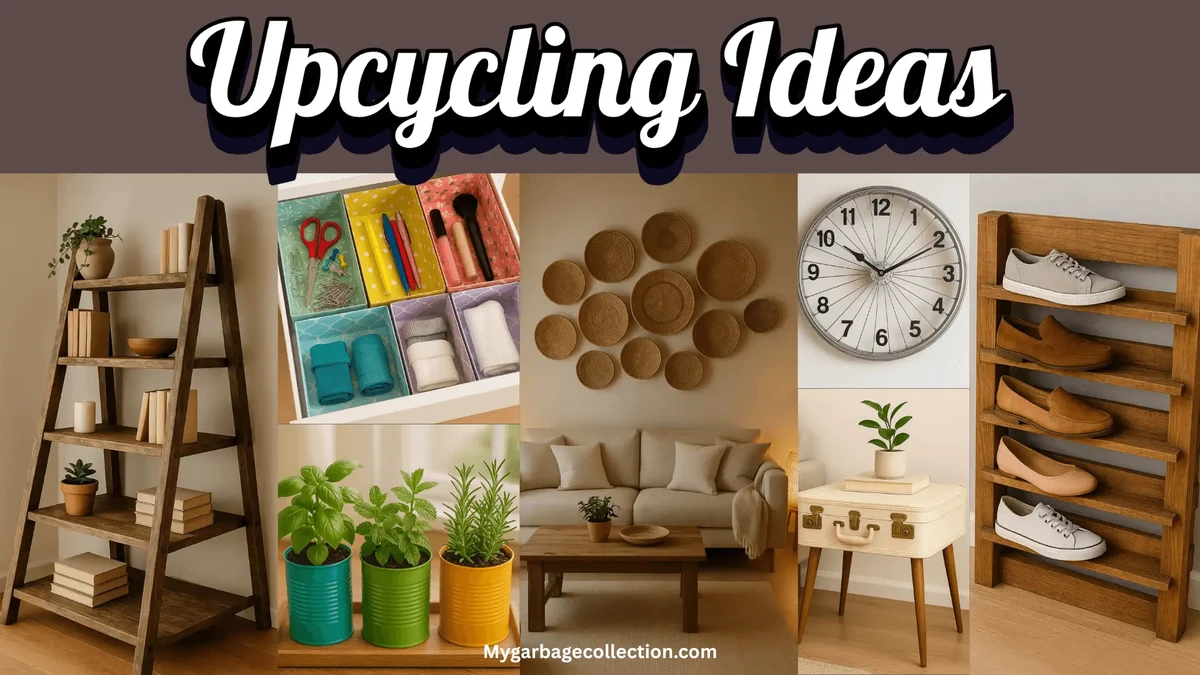
Upcycling Old Materials for Pet Toys Drives Sustainable Innovation
PawVerde.com – Upcycling old materials into pet toys has emerged as a pivotal innovation in the pet care industry, combining sustainability with economic sensibility. In 2026, the shift toward eco-friendly pet products is driven by advancements in recycled and upcycled materials, rigorous safety certifications, and circular manufacturing processes that minimize environmental impact. Leading brands such as West Paw and Cycle Dog have pioneered the use of recycled post-consumer plastics and natural fibers, creating durable, non-toxic toys designed for infinite recyclability. This trend aligns with growing consumer demand for sustainable pet ownership, offering cost-effective alternatives to conventional pet toys while reducing landfill waste and plastic pollution.
The integration of DIY upcycling projects and community-driven programs has further expanded consumer engagement, enabling pet owners to contribute directly to environmental conservation. These developments underscore a transformative movement in pet products, where innovation, safety, and circular economy principles converge to redefine sustainable pet care.
Leading Brands and Material Innovations in Upcycled Pet Toys
West Paw’s Zogoflex® line exemplifies innovation in upcycled pet toys, utilizing recycled thermoplastic elastomers (TPE) sourced primarily from post-consumer plastics. This material not only offers remarkable durability but also supports an infinite recycling loop, allowing worn toys to be returned and remanufactured into new products. West Paw’s certification as a B-Corp affirms its commitment to environmental responsibility and social governance, ensuring that its manufacturing processes meet stringent sustainability standards. The brand’s FDA-compliance for non-toxic materials further guarantees pet safety, a critical factor amid concerns about recycled material quality.
Cycle Dog has distinguished itself by transforming discarded bicycle inner tubes and recycled plastic bottles into resilient chew toys and tug ropes. This approach leverages industrial rubber and plastic waste, diverting these materials from landfills. Cycle Dog’s products marry durability with eco-conscious design, addressing both pet entertainment and environmental stewardship. Their collaboration with TerraCycle programs enhances circularity by facilitating mail-back recycling options for worn-out toys.
Beco Pets and Multipet focus on natural and post-consumer materials such as bamboo fiber, natural rubber, and recycled plastics. Beco Pets’ use of biodegradable and sustainable raw materials complements Multipet’s incorporation of recycled plastics in their toy lines. These brands balance material innovation with cost-effectiveness, offering consumers affordable yet environmentally responsible pet toys. Their initiatives also include partnerships with certification agencies to validate the eco-friendliness and safety of their products.
Safety Standards and Certifications for Recycled and Upcycled Pet Toys
Safety remains paramount in the adoption of recycled materials for pet toys. FDA compliance ensures that materials used are free from harmful chemicals and toxins, a necessity given pets’ frequent chewing and mouthing behaviors. Brands like West Paw and Cycle Dog undergo rigorous testing for material safety, durability, and pet suitability, often exceeding regulatory minimums. Durability ratings, such as those developed in collaboration with veterinary experts, help consumers select toys appropriate for their pets’ size and chewing intensity.
Despite these safeguards, risks associated with poorly processed recycled materials persist, including potential chemical leaching and ingestion hazards due to brittle or degraded plastics. To mitigate such risks, manufacturers employ advanced purification and remanufacturing techniques, ensuring recycled plastics meet stringent quality controls. Certifications like the B-Corp and third-party environmental audits provide transparency and reinforce consumer trust by validating the ethical sourcing and production processes.
DIY Upcycling: Cost-Effective and Customizable Pet Toys
DIY upcycling offers pet owners a practical avenue to create sustainable toys, reducing reliance on commercial products while customizing designs to their pets’ preferences. Popular projects include transforming old t-shirts into braided tug toys, repurposing denim scraps into chewable balls, and weaving fabric strips into durable ropes. These methods not only extend the lifecycle of textiles but also minimize landfill contributions.
Community programs such as Pawty Animals’ RePawpose initiative actively encourage consumer participation in upcycling efforts. By sharing DIY instructions and promoting the #RePawpose hashtag on social platforms like TikTok’s ProblemSolved channel, Pawty Animals fosters an engaged eco-conscious community. This grassroots movement supports environmental education and spreads awareness about the tangible benefits of upcycling in pet care.
Circular Manufacturing and Recycling Programs in the Pet Toy Industry
Circular manufacturing has become a cornerstone of sustainable pet product innovation. ecoBirdy’s proprietary recycling process exemplifies this approach by reclaiming plastic from broken toys and transforming it into high-quality raw materials known as ecothylene®. This closed-loop system reduces virgin plastic demand and curtails plastic pollution.
Mail-back programs, often facilitated by brands and partners like TerraCycle, provide consumers with accessible options to recycle worn-out pet toys responsibly. These initiatives collect used toys, which are then processed into recyclable pellets or repurposed into new products. Such programs enhance product lifecycle management and support industry-wide sustainability goals.
Environmental Impact and Consumer Advantages of Upcycled Pet Toys
Upcycled pet toys contribute significantly to plastic waste reduction by diverting post-consumer materials from landfills and oceans. Estimates indicate that pet toy manufacturing accounts for a measurable share of plastic consumption in the pet care sector, with upcycled alternatives potentially reducing this footprint by up to 50% when widely adopted. The use of biodegradable materials further mitigates long-term environmental impacts, as these components break down more readily in natural settings.
Consumers benefit from upcycled toys beyond environmental impact, enjoying cost savings due to the lower raw material costs associated with recycled inputs and DIY projects. Additionally, many upcycled toys exhibit enhanced durability, translating to longer product lifespans and reduced replacement frequency. This durability is corroborated by consumer reviews and durability testing data published by brands like West Paw and Cycle Dog.
Future Directions of Upcycled Pet Toys and Responsible Pet Ownership
The trajectory of upcycled pet toys points toward greater integration of circular economy principles, increased transparency through certifications, and enhanced consumer participation in sustainability programs. Emerging material innovations, such as bio-based polymers and nanocellulose composites, promise to further elevate the ecological profile and performance of pet toys.
Pet owners are encouraged to adopt multi-faceted approaches combining brand-supported recycling initiatives, DIY upcycling, and informed purchasing decisions based on safety certifications and durability ratings. This holistic engagement fosters responsible pet ownership aligned with global environmental goals.
FAQ
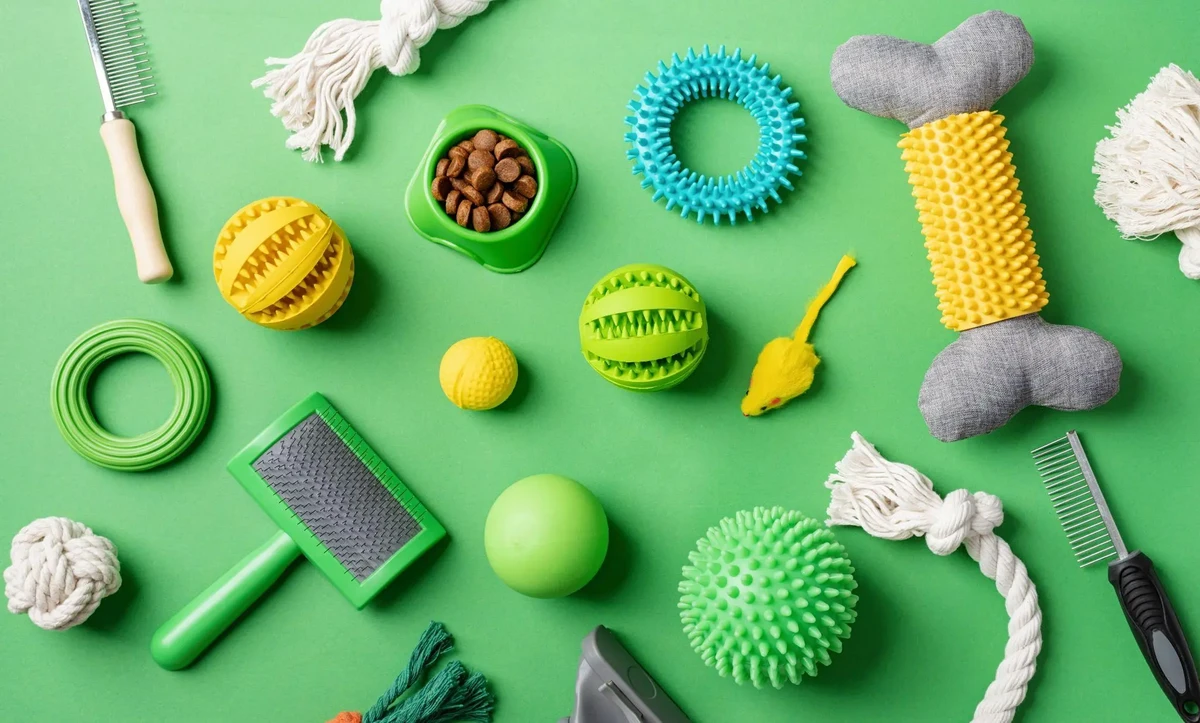
What materials are commonly used in upcycled pet toys?
Upcycled pet toys typically incorporate recycled post-consumer plastics such as thermoplastic elastomers (TPE), natural rubber, bamboo fibers, and repurposed textiles like denim and cotton. These materials are selected for durability, safety, and environmental impact, often undergoing FDA-compliant processing.
Are upcycled pet toys safe for aggressive chewers?
Brands like West Paw and Cycle Dog rigorously test their upcycled toys for durability and safety, offering products with specific ratings for aggressive chewers. However, pet owners should always inspect toys regularly and select products suited to their pet’s chewing behavior to prevent ingestion of small parts.
How do circular manufacturing programs work for pet toys?
Circular manufacturing involves reclaiming used or broken toys and recycling them into raw materials for new products. Programs like ecoBirdy’s ecothylene® process and TerraCycle mail-back services facilitate this by collecting worn toys, processing them to remove contaminants, and remanufacturing them into high-quality pet toys, reducing reliance on virgin plastics.
Can I make effective upcycled pet toys at home?
Yes. DIY upcycling projects using materials like old t-shirts, denim scraps, and fabric ropes can produce durable and safe pet toys. Following community-shared instructions, such as those from Pawty Animals’ RePawpose program, ensures toys are made with pet safety and durability in mind.
What certifications should I look for when choosing upcycled pet toys?
Look for FDA compliance, B-Corp certification, and third-party environmental audits that verify material safety, non-toxicity, and sustainable manufacturing practices. These certifications indicate a brand’s commitment to quality, pet safety, and environmental responsibility.
—
As pet product innovation advances, the fusion of recycled materials, safety certifications, and circular manufacturing will increasingly define the upcycled pet toy market. Continued development of eco-conscious consumer programs and DIY initiatives will further embed sustainability into everyday pet care, offering a pragmatic pathway to reduce environmental impact while enhancing pet wellness and owner satisfaction.