
Vegan Dog Food vs Meat: Nutrition & Sustainability in 2026
PawVerde.com – Vegan dog food in 2026 can deliver nutrition comparable to traditional natural meat-based diets when formulated according to AAFCO standards and supplemented with essential amino acids and vitamins. Leading brands such as V-Dog, Wild Earth, and Petaluma now offer options that meet or exceed these nutritional benchmarks, often overseen by board-certified veterinary nutritionists. These diets present significant sustainability advantages, reducing the ecological paw print by more than 90% relative to beef-based protein sources. However, pet owners must carefully evaluate ingredients, particularly for iodine, B vitamins, and taurine supplementation, to ensure a balanced diet tailored to their dog’s specific health needs.
Nutritional adequacy remains a primary consideration as vegan formulations rely heavily on plant proteins—peas, lentils, chickpeas, and soy—augmented with synthetic vitamins and functional additives such as turmeric and probiotics to support canine health. Clinical studies published in Heliyon and PLoS One confirm that while most vegan dog foods meet overall protein and vitamin D requirements, some gaps in micronutrients persist without targeted supplementation. This underscores the critical role of veterinary nutritionists in designing and vetting these diets to promote optimal digestion, immune function, and coat condition. Owners of allergy-prone or sensitive-skinned dogs report improved symptoms on vegan diets enriched with prebiotics and probiotics that enhance gut-brain axis health.
Introduction to the 2026 Landscape of Dog Food
Demand for vegan dog food has surged in recent years, propelled by growing awareness of environmental sustainability and ethical considerations in pet nutrition. Several market leaders—V-Dog, Wild Earth, Petaluma, PawCo, and Bramble—have pioneered plant-based formulations designed to rival natural meat in both nutrition and palatability. Advances in protein technology, including fermentation-derived fungi proteins and cultivated meat alternatives, have expanded ingredient options, enabling more nutrient-dense and digestible recipes.
Natural meat-based dog foods continue to dominate the market but face increasing scrutiny for their environmental footprint and sourcing ethics. Brands like Natural Balance maintain strong market presence by emphasizing high-quality animal proteins and transparent sourcing. This landscape reflects a broader shift towards sustainable pet food solutions that balance canine nutritional needs with ecological responsibility.
Nutritional Comparison: Vegan Dog Food vs Natural Meat-Based Options
The Association of American Feed Control Officials (AAFCO) remains the gold standard for canine nutritional adequacy, requiring balanced macronutrients and micronutrients for a “complete and balanced” diet label. Vegan dog foods in 2026 routinely meet these requirements by combining diverse plant protein sources to achieve balanced amino acid profiles, notably supplementing limiting amino acids such as taurine and L-carnitine.
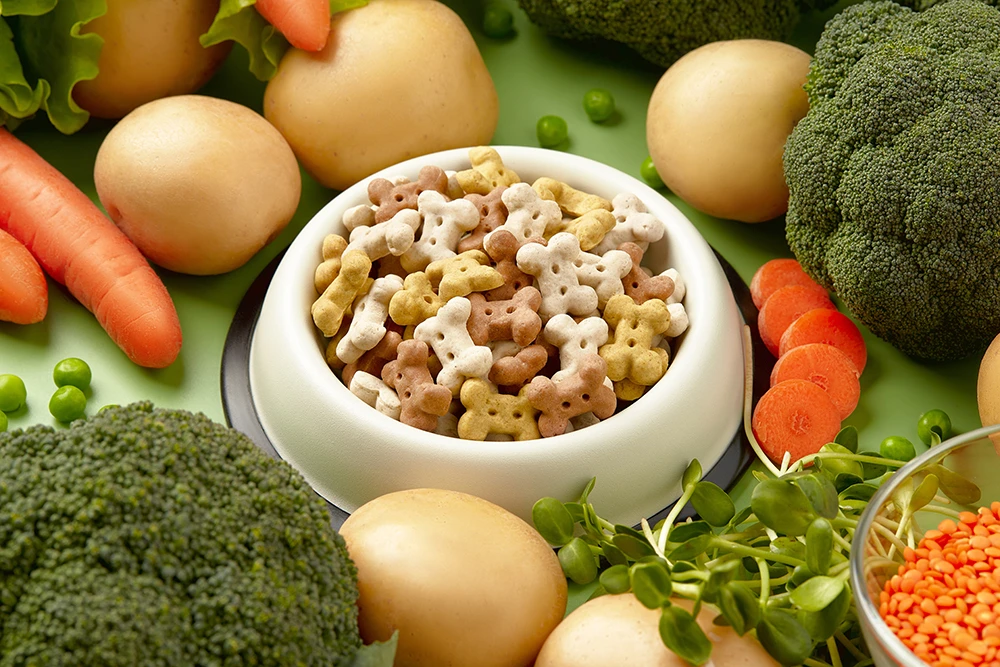
Plant proteins such as peas, lentils, chickpeas, and soy provide the bulk of protein in vegan formulas but naturally lack certain essential amino acids present in animal proteins. To address this, manufacturers incorporate synthetic amino acids and vitamin premixes, including B vitamins (B12, riboflavin) and iodine, which tend to be lower in plant-based diets. Vitamin D requirements are typically satisfied through supplementation, with all tested brands meeting or exceeding minimum thresholds.
Veterinary nutritionists like Dr. Mahsa Vazin emphasize the importance of careful formulation and label scrutiny, especially for dogs with specific health conditions or life stages. Gradual diet transitions and periodic health assessments ensure that the nutritional needs of individual dogs are met without compromising well-being.
Health Outcomes and Scientific Evidence
Recent peer-reviewed studies reinforce that vegan diets, when properly formulated, support overall canine health comparable to meat-based diets. Research published in journals such as PLoS One highlights that dogs on vegan diets maintain stable weight, normal blood profiles, and healthy coat conditions over long-term feeding trials.
allergy management is a notable area of benefit, with vegan dog foods reducing exposure to common animal protein allergens. Owners report improvements in skin sensitivity and reduced incidence of gastrointestinal upset. The inclusion of prebiotics and probiotics in many vegan formulations supports gut-brain axis health, enhancing digestion and immune function.
Veterinary nutritionists confirm that the addition of functional ingredients like turmeric and ashwagandha provides antioxidant and anti-inflammatory benefits, contributing to improved joint health and stress resilience. Owner feedback consistently indicates favorable stool quality and vitality in dogs transitioned to high-quality vegan diets under veterinary supervision.
Sustainability and Environmental Impact
Environmental analyses reveal stark contrasts between plant-based and meat-based dog foods. Lifecycle assessments show that plant-based diets reduce land use, water consumption, and greenhouse gas emissions by over 90% compared to diets relying on beef or other red meats. This reduction translates into a significantly smaller ecological paw print for vegan dog food.
Innovations in sustainable protein sources have accelerated, with companies incorporating fungi-derived proteins, cultivated meat, and insect proteins to diversify supply chains and lower environmental impact. Leading brands implement eco-friendly packaging and production methods, including recyclable materials and renewable energy use, further enhancing sustainability credentials.
These advancements align with consumer demand for responsible pet food choices, positioning vegan dog food as a viable option for environmentally conscious pet owners.
Popular Vegan Dog Food Brands and Product Types in 2026
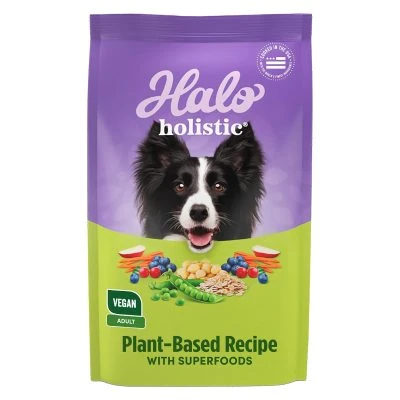
The vegan dog food market in 2026 features diverse brands and product formats tailored to various canine preferences and needs. V-Dog and Wild Earth lead with dry kibble options formulated to meet complete nutrition standards, while Petaluma and Bramble offer both kibble and canned varieties enriched with functional additives.
PawCo and Gather provide niche products such as dehydrated mixers and fresh vegan meals, appealing to owners seeking minimally processed options. Price points vary widely, with dry kibble ranging from moderate to premium tiers depending on ingredient quality and brand positioning. Cost analyses indicate that vegan diets can be economically competitive with natural meat-based options when factoring in portion size and dog activity level.
These brands prioritize ingredient transparency, with detailed labeling and third-party nutritional validation, reflecting a commitment to consumer trust and diet efficacy.
Consumer Guidance and Choosing the Right Diet
Transitioning a dog to a vegan diet requires a deliberate approach to avoid nutritional imbalances and digestive upset. Veterinary consultation is essential to tailor the diet to the dog’s age, breed, health status, and activity. Gradual introduction over several weeks allows the canine digestive system to adapt and helps monitor tolerance.
Owners should verify that selected products carry AAFCO “complete and balanced” certification and review ingredient lists for critical nutrients such as taurine, L-carnitine, iodine, and B vitamins. Regular veterinary check-ups, including blood work and physical assessments, ensure ongoing nutritional adequacy and health.
Transparency from manufacturers regarding sourcing, formulation processes, and third-party testing is a key factor in selecting trustworthy vegan dog food brands.
FAQ
Is vegan dog food nutritionally complete compared to meat-based options?
When formulated according to AAFCO standards and supplemented with essential amino acids and vitamins, vegan dog food can provide complete and balanced nutrition comparable to meat-based diets. Veterinary oversight ensures specific nutrient requirements are met.
Can vegan diets help dogs with allergies or sensitive skin?
Yes, vegan dog foods often reduce exposure to common animal protein allergens and include functional ingredients like prebiotics and probiotics that support skin and gut health, benefiting dogs with allergies or sensitivities.
How does the environmental impact of vegan dog food compare to meat-based food?
Plant-based dog food typically reduces land use, water consumption, and greenhouse gas emissions by over 90% relative to beef-based diets, representing a substantially smaller ecological footprint.
Are there any micronutrients to watch for in vegan dog food?
Iodine, B vitamins (especially B12), taurine, and L-carnitine may be lower in vegan diets and require supplementation. Checking product labels and consulting veterinary nutritionists is recommended to ensure balance.
What are the best brands offering nutritionally balanced vegan dog food in 2026?
Leading brands include V-Dog, Wild Earth, Petaluma, PawCo, Bramble, and Gather, all of which offer products meeting AAFCO standards and often incorporate functional health additives for optimized canine nutrition.
Vegan dog food has matured into a viable, nutritionally sound alternative to natural meat-based diets in 2026, combining scientific formulation, expert oversight, and sustainability. As the market evolves, ongoing research and innovation will continue refining these diets to meet diverse canine needs and contribute to ecological stewardship. Pet owners are encouraged to engage veterinary professionals when considering diet transitions and to prioritize products with transparent, evidence-backed nutrition profiles.