
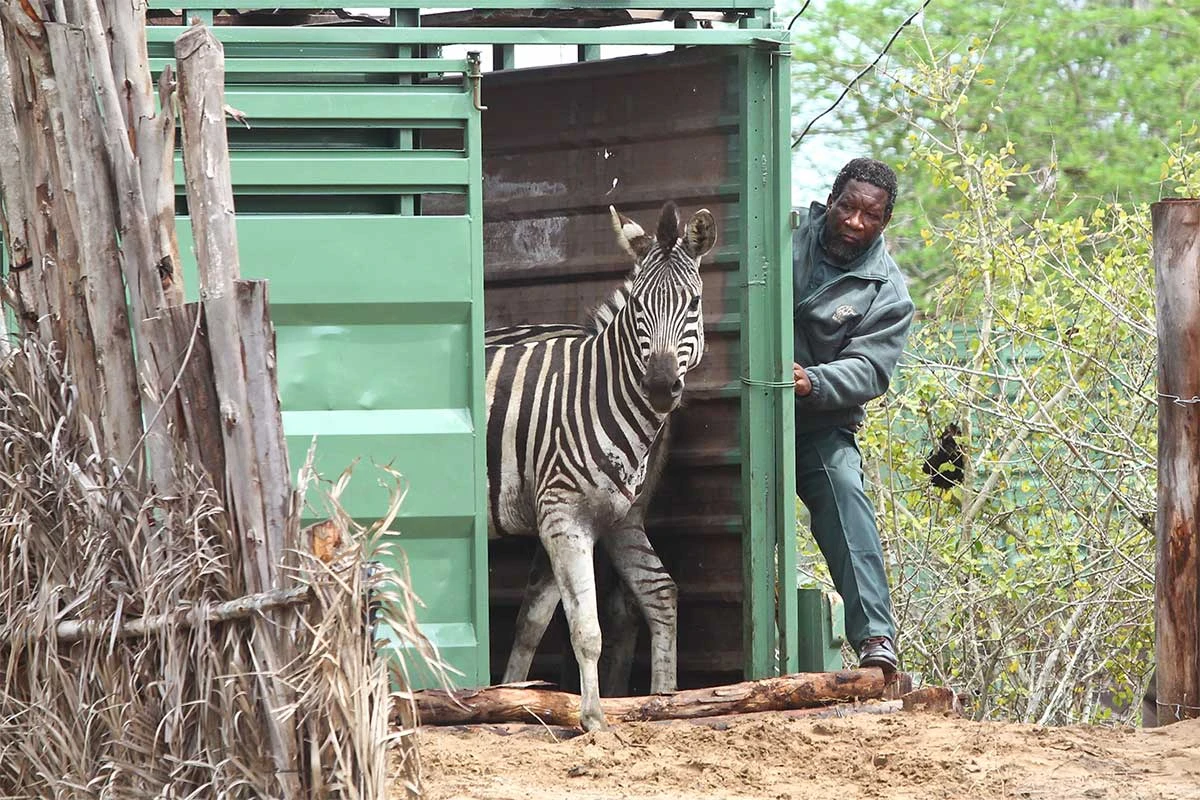
How Pets Boost Community Conservation Awareness and Action
PawVerde.com – Pets, particularly dogs and cats, have evolved far beyond their traditional roles as companions, emerging as influential agents in raising community awareness and engagement in wildlife conservation. Their involvement spans from symbolic representation in environmental education to active participation in scientific research and disaster recovery. This multifaceted role contributes significantly to fostering ecological harmony while underscoring the importance of responsible pet ownership to minimize environmental impacts.
Dogs have been instrumental in enhancing biodiversity research accuracy by assisting in ecological data collection. Their keen senses enable them to detect elusive wildlife signs, track endangered species, and monitor habitats with a precision that complements technological tools. Beyond research, trained dogs play vital roles in disaster recovery operations, aiding wildlife rescue efforts and ecological restoration in affected areas. These practical contributions not only facilitate scientific understanding but also bridge human communities with conservation objectives.
Community-based conservation initiatives increasingly integrate pets to promote coexistence between humans and wildlife. Botswana’s use of livestock protection dogs exemplifies this approach, where specially trained dogs reduce conflicts between ranchers and predators such as cheetahs, preserving biodiversity while safeguarding local livelihoods. Educational programs leverage pets as relatable symbols to foster empathy and curiosity about nature among diverse audiences, enhancing public support for conservation programs in national parks and protected areas.
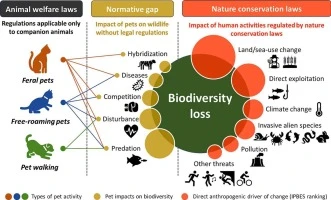
Despite these benefits, the environmental footprint of pet ownership requires careful management. Resource consumption associated with feeding and caring for pets contributes to greenhouse gas emissions and ecological strain. Additionally, free-ranging pets, particularly cats and dogs, have historically caused declines in vulnerable wildlife populations on islands and sensitive ecosystems. Implementing responsible pet parenting practices—such as controlled diets, containment measures, and population control through sterilization—can significantly reduce negative environmental impacts.
The challenge of balancing animal welfare with conservation goals is increasingly recognized. Integrating welfare considerations ensures that pets and wildlife coexist without compromising the health and safety of either group. Conservation welfare frameworks promote humane treatment while supporting species and habitat protection, fostering sustainable coexistence in shared environments.
Exotic pet ownership introduces further complexity. While some exotic pet owners exhibit heightened conservation awareness and stewardship, improper management risks introducing invasive species and disrupting ecological patterns. Advocacy efforts emphasize responsible exotic pet ownership as a pathway to deepen connections with nature and bolster community-based conservation attitudes.
Pets as Catalysts for Community Conservation Awareness
Pets serve as tangible links between people and the natural world, fostering empathy and motivating conservation-minded behaviors. Dogs, in particular, evoke strong emotional responses that translate into increased public engagement with biodiversity protection. Programs at institutions like the Oregon Zoo and the International Fund for Animal Welfare (IFAW) have demonstrated that involving pets in environmental education enhances community understanding of ecological interdependencies.
Environmental education initiatives often use pets as relatable symbols to illustrate complex conservation concepts. For example, school programs featuring dogs and cats can personalize messages about habitat loss, species extinction, and the importance of biodiversity. This symbolic role leverages pets’ familiarity to lower barriers to conservation messaging, encouraging audiences to adopt pro-environmental behaviors.
Scientific and Practical Contributions of Pets to Conservation
Dogs have proven invaluable tools in scientific research, particularly in field studies requiring non-invasive data collection. Their olfactory abilities allow detection of rare or cryptic species, such as howler monkeys in Central American rainforests, improving population estimates and habitat assessments. These dogs often work alongside researchers to locate scat samples for genetic analysis, track animal movements, and identify invasive species, contributing critical data for conservation planning.
In disaster recovery, dogs trained in search and rescue operations assist in locating injured or displaced wildlife following natural calamities such as wildfires and floods. Their deployment supports rapid ecological restoration by enabling timely interventions that mitigate population losses and habitat degradation. These practical roles highlight pets as active participants in conservation beyond traditional boundaries.
Community-Based Conservation Success Stories
Botswana’s livestock protection dog programs illustrate successful integration of pets into community conservation strategies. Ranchers employ Anatolian Shepherds and Kangal dogs to guard livestock against predators like cheetahs, reducing retaliatory killings and fostering coexistence. This approach not only protects livestock but also maintains predator populations, balancing economic and ecological interests.
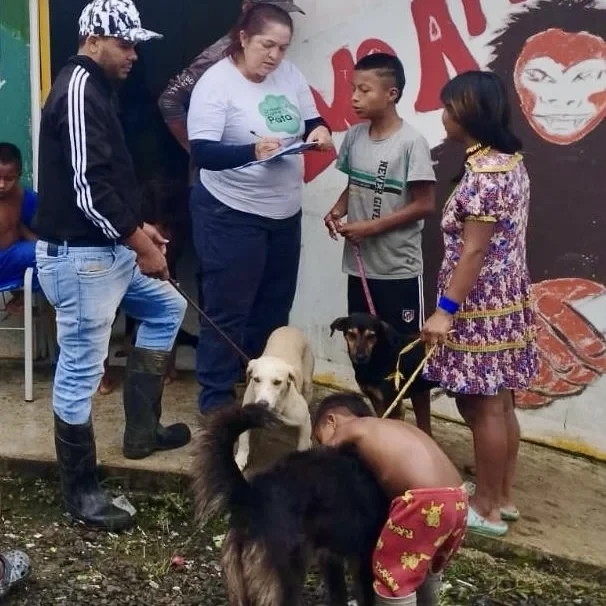
Community education efforts involving pets have also yielded positive outcomes. Local conservation groups integrate dogs into outreach activities to engage residents in wildlife monitoring and habitat restoration projects. These initiatives build conservation capacity within communities, empowering residents to become stewards of their local environment.
Environmental Impact of Pets and Mitigation Strategies
pet ownership exerts measurable ecological effects primarily through resource consumption and wildlife disturbance. The pet care industry’s demand for food, toys, and veterinary services contributes substantially to carbon emissions and resource depletion. For instance, pet food production alone accounts for an estimated 1.1 gigatons of CO2 equivalent annually worldwide, underscoring the need for sustainable practices.
Free-ranging pets pose significant risks to native biodiversity, especially in island ecosystems where ground-nesting birds and small mammals are vulnerable to predation. Studies document that feral cats have contributed to the extinction of multiple species, necessitating management strategies such as confinement, leash laws, and sterilization programs to mitigate these impacts.
responsible pet ownership incorporates dietary adjustments favoring sustainable ingredients, environmental enrichment that reduces roaming behavior, and population control measures. These practices collectively reduce pets’ carbon pawprint and help align pet care with broader conservation objectives.
Challenges of Pets on Wildlife and Ecosystems
Historical evidence links the introduction of domestic pets to declines in native wildlife, with island ecosystems particularly affected. For example, feral cats and dogs introduced to islands have been responsible for the extinction of numerous bird and reptile species globally. Managing free-ranging pets requires coordinated policies that balance animal welfare with biodiversity protection, including public education, enforcement of pet containment, and habitat restoration.
Addressing these challenges demands collaboration among conservationists, pet owners, and policymakers to implement evidence-based strategies. Effective management minimizes ecological harm while preserving the benefits pets bring to communities.
Integrating Animal Welfare into Conservation Efforts
Animal welfare is increasingly recognized as integral to successful conservation. Ensuring humane treatment of pets and wildlife fosters coexistence and reduces conflicts. Conservation welfare frameworks advocate for practices that consider physical and psychological well-being, supporting sustainable interactions between humans, pets, and ecosystems.
For instance, community programs training dogs for livestock protection emphasize welfare standards alongside conservation goals, enhancing program acceptance and effectiveness. Such integration strengthens social support for conservation initiatives and improves outcomes across species.
Exotic Pets and Conservation Awareness
Ownership of exotic pets offers both opportunities and risks for conservation awareness. Some exotic pet owners develop strong stewardship values, using their interest to promote habitat protection and species conservation. However, the exotic pet trade can also threaten biodiversity through illegal wildlife trafficking and invasive species introductions.
Education campaigns targeting exotic pet owners advocate responsible stewardship, emphasizing the ecological consequences of ownership choices. By fostering deeper connections to nature beyond traditional pets, these efforts contribute to community-based conservation attitudes and behaviors.
Frequently Asked Questions
How do pets contribute to wildlife conservation efforts?
Pets, especially dogs, contribute by assisting in ecological research, such as tracking endangered species and collecting biodiversity data. They also participate in disaster recovery by helping locate injured wildlife and aiding habitat restoration. Furthermore, pets symbolize care in environmental education, fostering public engagement in conservation.
What are the environmental impacts of pet ownership?
Pet ownership impacts the environment through resource consumption for food and care, producing greenhouse gas emissions. Free-ranging pets can disturb wildlife and cause declines in vulnerable species. Responsible ownership practices like controlled diets, confinement, and population control help mitigate these effects.
How do livestock protection dogs support conservation?
Livestock protection dogs reduce predator-livestock conflicts by guarding animals, which decreases retaliatory killings of predators like cheetahs. This promotes coexistence between humans and wildlife, preserving biodiversity and supporting community livelihoods, as seen in Botswana ranching communities.
Why is animal welfare important in conservation?
Animal welfare ensures humane treatment of both pets and wildlife, promoting coexistence and reducing conflict. Integrating welfare into conservation strategies improves social acceptance of programs, enhances animal health, and supports sustainable interactions between humans, pets, and ecosystems.
What challenges do exotic pets pose to conservation?
Exotic pets can threaten biodiversity through illegal trade and invasive species introductions. They require specialized care and can disrupt local ecosystems if released. Promoting responsible exotic pet ownership and stewardship helps mitigate these risks and supports conservation awareness.
Pets play an increasingly pivotal role in bridging communities with wildlife conservation, leveraging their unique capacities to support scientific research, disaster response, and environmental education. However, balancing their benefits with ecological responsibilities requires ongoing commitment to responsible ownership and integrated conservation-welfare approaches. Future efforts should enhance community engagement, expand evidence-based pet management, and foster stewardship that aligns pet care with global biodiversity goals.