
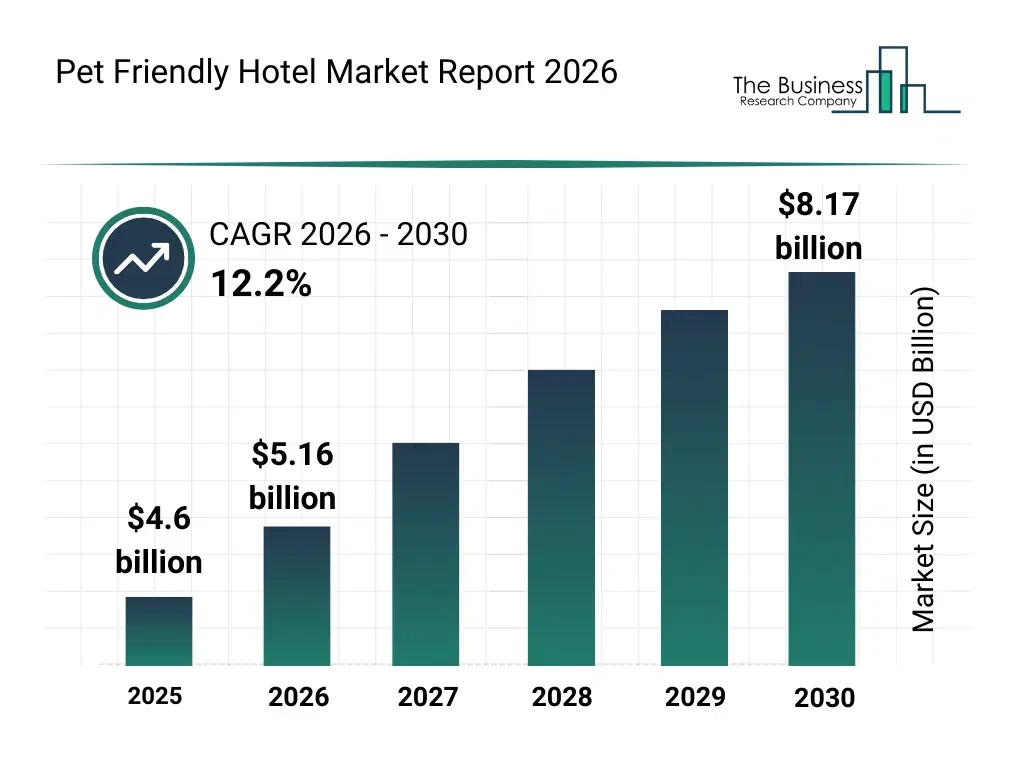
PawVerde.com – pet-friendly travel in 2026 is no longer a niche segment but a mainstream hospitality trend, reshaping how hotels, rentals, and service providers cater to travelers with pets. Around 62% of pet owners prefer hotels, while 61% also opt for holiday rentals, reflecting a balanced market where both accommodation types evolve to meet pet-first mindsets. Key industry players such as Kimpton Hotels, which leads luxury pet-friendly lodging with no pet fees or breed restrictions, alongside Motel 6, Loews Hotels, Sonesta, Hilton, Hyatt, Marriott, Red Roof Inn, and Wyndham, are expanding specialized pet amenities and services. The global pet-friendly hotel market sees the dog segment holding a dominant 50.3% share, with mid-range hotels commanding 46.6% of the market and a compound annual growth rate (CAGR) of 7.9% in pet-oriented offerings.
This article examines how pet-friendly travel options compare to traditional accommodations, detailing market trends, amenities, specialized services, and travel behaviors shaping the pet travel landscape in 2026.
Market Landscape of Pet-Friendly Accommodations
Pet-friendly accommodations have diversified substantially, with hotels and holiday rentals developing distinct strategies to attract pet-owning travelers. Data from Booking.com and AAA indicate that pet owners equally value hotels and rentals, with the former favored for consistency in amenities and services, and the latter for space and flexibility. pet-friendly hotels currently hold a 54% share of the pet travel market in the U.S., while vacation rentals and short-term rentals account for 46%.
Kimpton Hotels, a leader in luxury pet accommodations, emphasizes a pet-first mindset by eliminating pet fees and removing breed restrictions, setting a standard that others follow. Mid-scale chains like Motel 6 and Red Roof Inn have introduced flexible pet policies combined with budget-conscious pricing to capture the growing demand from cost-sensitive travelers. Loews Hotels and Sonesta integrate pet dining menus and welcome kits, enhancing the guest experience with curated pet amenities.
Regionally, the U.S. market is more mature, with 93% of pet travelers preferring flexible road trips, influencing accommodation choices towards properties offering outdoor pet enrichment activities and easy access to pet-friendly beaches and parks. In contrast, India’s pet travel sector is emerging, with urban centers like Mumbai and Bengaluru witnessing a rise in pet-friendly hotels and rentals, although largely focused on dogs. The Indian market is projected to grow rapidly, driven by increasing pet ownership and evolving urban lifestyles demanding pet-centric services.
Specialized Services and Amenities in Pet-Friendly Hotels
The differentiation of pet-friendly hotels lies in their specialized services and amenities designed to enhance pet comfort and wellbeing. Luxury properties, including those under Hilton and Hyatt, offer pet dining menus featuring gourmet options tailored to dietary needs, alongside welcome kits comprising toys, treats, and hygiene products. Such amenities extend to mid-range hotels that provide grooming services, health monitoring, and enrichment activities that encourage mental stimulation and physical exercise for pets.
Staff qualifications have become a significant focus, with many pet-friendly hotels now requiring pet CPR certification and training in emergency response protocols. This professionalization ensures that hotels can manage pet health emergencies effectively, improving both guest and pet safety. Additionally, partnerships with local veterinarians and pet care providers are common, offering on-call support and wellness checks during stays.
Pet care services integrated into accommodations include dog walking, pet sitting, and even spa treatments. These services reflect the broader pet-first mindset, where pets are treated as family members deserving of personalized care. New offerings such as pet-friendly room service and in-room pet beds have become standard in upscale hotels, while budget chains focus on flexible check-in/check-out times to accommodate pet routines.
Comparing Pet-Friendly Hotels and Traditional Boarding Options
Pet-friendly hotels differ fundamentally from traditional boarding or kennel services, both in quality of care and guest experience. Boarding facilities often focus on containment and basic care, whereas pet hotels emphasize enrichment, personalized attention, and integration with the owner’s travel plans. Costs for pet hotels range from $75 to over $200 per night depending on services, often exceeding traditional boarding fees but providing enhanced value through amenities and safety.
Hotels adopt comprehensive emergency protocols, including insurance coverage for pet incidents, which are less common in standard boarding facilities. Pet hotels also require staff with higher qualifications and often provide live monitoring and health updates to owners. This contrasts with traditional boarding, where pets may experience isolation or limited activity.
The choice between pet hotels and boarding depends largely on the pet owner’s priorities, including budget, pet temperament, and travel itinerary. For longer stays or complex care needs, pet hotels offer superior services, while boarding may suffice for short durations or routine care.
Travel Behavior and Preferences of Pet Owners
Pet travelers in 2026 exhibit preferences shaped by a desire for flexible, pet-centric experiences. Road trips dominate, favored by 93% of pet owners who prioritize accommodation access to outdoor activities such as nature hikes, dog-friendly beaches, and urban pet exploration. Cities with established pet-friendly infrastructures, including New York, San Francisco, and Mumbai, see higher bookings in pet-friendly hotels offering proximity to parks and pet services.
Transport preferences show a trend towards private vehicles for convenience and safety, while some airlines and rail services have expanded pet accommodations, though these remain secondary choices for most pet owners. Itinerary planning increasingly factors in pet needs, with travelers selecting destinations and lodging based on pet amenities, veterinary access, and enrichment possibilities.
Pet travel trends also include increased attention to pet safety and health, with owners packing essentials such as pet CPR kits, health records, and emergency contacts. This holistic approach reflects the integration of pet welfare into overall travel planning.
Economic and Industry Impacts
The pet-friendly travel segment presents significant revenue opportunities, with the global market expected to surpass $15 billion in 2026. Mid-range hotels, capturing 46.6% of market share, report a 7.9% CAGR in pet-friendly offerings, underscoring the segment’s rapid growth. Chains like Marriott and Wyndham have launched targeted marketing campaigns and loyalty programs rewarding pet travelers.
Industry shifts show an increasing focus on pet owners and childless travelers, two demographics driving demand for pet-first services. However, challenges persist in balancing pet policies with guest comfort, managing pet-related damages, and training staff adequately. Hotels adopting technology solutions such as pet behavior monitoring apps and automated cleaning systems are addressing operational complexities.
The rise of pet-friendly accommodations has also stimulated ancillary markets, including pet transport services, grooming providers, and pet insurance products tailored for travelers. This ecosystem expansion supports sustainable growth and innovation within hospitality.
Practical Tips for Pet Owners Booking Accommodations

Pet owners seeking accommodations should verify pet policies beyond “pets allowed” statements, focusing on amenities like pet dining, welcome kits, and availability of pet care services. Understanding pet fees is essential, as charges vary widely from no fees at Kimpton Hotels to daily surcharges at budget motels. Owners should inquire about breed restrictions, size limits, and emergency protocols.
Booking platforms such as Booking.com provide filters for pet-friendly lodging, enabling tailored searches. Early reservations are advisable during peak travel seasons due to limited pet-friendly room availability.
Preparation includes packing pet essentials—food, medications, toys, and hygiene products—and ensuring pets have updated identification and health certifications. Owners should also research local pet regulations and available veterinary services at destinations.
FAQ

What distinguishes pet-friendly hotels from traditional boarding facilities?
Pet-friendly hotels offer personalized care, enrichment activities, and integration with owners’ travel plans, often staffed with certified professionals and equipped with emergency protocols. Traditional boarding focuses on basic care and containment, generally at lower costs but with fewer amenities.
Are there breed or size restrictions in pet-friendly accommodations?
Restrictions vary by property; luxury hotels like Kimpton have eliminated breed and size limitations, while budget hotels may impose limits. It is critical to confirm policies during booking to avoid surprises.
How do pet fees vary among pet-friendly hotels?
Pet fees range from no additional charges at some luxury hotels to daily or per-stay fees at mid-range and budget accommodations. Fees typically cover cleaning and extra services, and some hotels offer fee waivers for multiple-night stays or loyalty members.
What are the most popular pet-friendly travel activities?
Nature hikes, visits to pet-friendly beaches, city park explorations, and pet-centric events rank highest among pet travelers. Hotels near such amenities see increased bookings from pet owners.
How should pet owners prepare for traveling with pets?
Owners should pack pet essentials, secure up-to-date health records, verify accommodation policies, and plan for pet safety with emergency contacts and CPR knowledge. Early planning ensures smoother travel experiences.
Pet-friendly travel in 2026 reflects a transformative hospitality landscape where pets receive amenities and care on par with human guests. As market demands evolve, hotels and rentals continue innovating to deliver personalized, safe, and enriching experiences, guiding pet owners toward informed, confident travel decisions.