
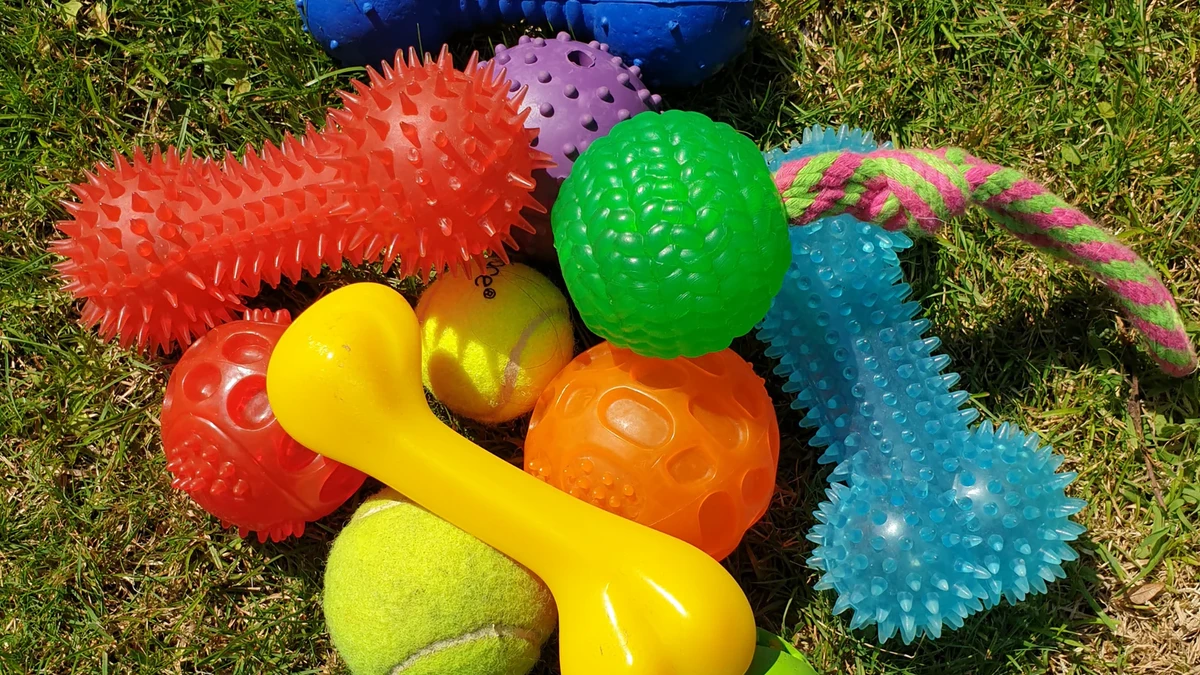
PawVerde.com – Bamboo dog toys and recycled plastic dog toys have emerged as prominent alternatives to conventional plastic options, driven by growing consumer demand for sustainable, safe, and durable pet products. Bamboo, a rapidly renewable resource, offers natural biodegradability and chemical-free properties, while recycled plastic leverages post-consumer waste to reduce landfill contributions. Understanding the material characteristics, environmental impact, safety factors, and practical durability of these toy types is essential for pet owners aiming to balance pet health with ecological responsibility.
Bamboo dog toys capitalize on the plant’s fast growth without the need for fertilizers or pesticides, resulting in a resource-efficient base material. The natural hardness and fibrous structure of bamboo make it resistant to moderate chewing, while its biodegradability ensures that worn or discarded toys break down without contributing to microplastic pollution. On the other hand, recycled plastic dog toys typically derive from polyester fibers recovered from plastic bottles, repurposing waste that would otherwise burden landfills. These toys often incorporate synthetic additives to enhance durability and texture but maintain hypoallergenic and non-toxic certifications compliant with pet safety standards.
Material Profiles: Bamboo Dog Toys vs. Recycled Plastic Dog Toys
Bamboo’s rapid growth cycle—sometimes reaching maturity within three to five years—requires no pesticides or synthetic fertilizers, positioning it as a sustainable raw material in pet toy manufacturing. Its natural fibers provide a sturdy yet gentle surface for dogs to chew, minimizing tooth damage compared to harder synthetic materials. Brands such as HuggleHounds have pioneered bamboo-based dog toys, integrating natural rubber and organic cotton alongside bamboo to create biodegradable, non-toxic products that comply with OEKO-TEX and PETA cruelty-free certifications.
Recycled plastic dog toys source materials predominantly from post-consumer PET bottles, which are cleaned, processed into fibers, and woven or molded into toy structures. This process reduces virgin plastic production and diverts significant waste from landfills. Companies like Multipet, Beco Pets, and Petique have incorporated recycled polyester fabrics and plastics into their pet toy lines, emphasizing durability and environmental responsibility. However, recycled plastic fibers may contain chemical additives—including colorants and stabilizers—that require stringent safety testing to meet pet safety regulations and hypoallergenic standards.
Environmental Impact: Production Footprint and End-of-Life Considerations
Lifecycle assessments reveal that bamboo dog toys typically generate a lower carbon footprint than recycled plastic toys, primarily due to bamboo’s minimal agricultural inputs and rapid sequestration of atmospheric carbon during growth. Bamboo’s biodegradability allows discarded toys to decompose naturally within months to years, depending on environmental conditions, reducing microplastic accumulation and landfill volume.
In contrast, recycled plastic dog toys contribute positively by extending the lifecycle of plastic waste and supporting circular economy principles. Their manufacturing consumes less energy than producing virgin plastics but still involves chemical processing and the use of synthetic additives, which can complicate recycling at the product’s end of life. Despite being non-biodegradable, these toys prevent immediate environmental pollution by reusing waste streams and reducing demand for new plastic production.
Both materials significantly outperform traditional plastic dog toys in terms of resource conservation and waste reduction. However, bamboo toys offer a distinct advantage in biodegradability, whereas recycled plastic toys excel in diverting existing plastic waste from landfills.
Safety and Health Considerations for Pets
Pet safety standards emphasize the importance of non-toxic materials free from harmful chemicals such as phthalates, BPA, and heavy metals. Bamboo dog toys inherently lack synthetic chemicals, pesticides, and allergens, making them suitable for dogs with sensitive mouths or allergies. Their natural composition reduces the risk of chemical ingestion from chewing or accidental swallowing.
Recycled plastic dog toys undergo rigorous testing to ensure compliance with safety certifications like OEKO-TEX Standard 100, which screens for harmful substances. While often hypoallergenic, the presence of synthetic additives and dyes necessitates careful selection by consumers, particularly for dogs prone to allergic reactions or oral sensitivities. Manufacturers typically disclose material sourcing and additives to build trust and transparency.
Both toy types meet or exceed pet safety standards when produced by reputable eco-friendly brands, but bamboo toys provide a more natural, chemical-free profile that appeals to owners prioritizing holistic pet health.
Durability and Suitability for Different Dog Play Styles
Durability varies significantly between bamboo and recycled plastic dog toys, influenced by the dog’s chewing intensity and play behavior. Bamboo’s natural hardness offers moderate resistance to chewing, making it appropriate for gentle to moderate chewers but less ideal for power chewers who may splinter or destroy bamboo fibers. Bamboo toys’ longevity depends on maintenance and play frequency but generally require replacement more often than plastic counterparts in aggressive chewer scenarios.
Recycled plastic toys exhibit high durability and resistance to tearing, abrasion, and water exposure. Their synthetic fiber composition allows for flexibility in design, catering to various play styles, including fetch, tug, and chew. These toys often maintain structural integrity longer under heavy chewing but risk chemical degradation over extended periods or extreme conditions.
Selecting the right toy material involves matching the dog’s chewing strength and play preferences with the toy’s durability profile. Bamboo toys excel in mental stimulation and moderate chewing, while recycled plastic toys suit robust, power-chewing dogs requiring tougher playthings.
Industry Trends and Certifications Supporting Sustainable Pet Products
The pet industry increasingly embraces green manufacturing practices, including renewable energy use, waste minimization, and sustainable sourcing. Leading eco-friendly pet toy manufacturers integrate certifications such as PETA approval, OEKO-TEX Standard 100, and Global Organic Textile Standard (GOTS) to validate material safety and ethical production.
The Pet Sustainability Coalition plays a pivotal role in promoting responsible pet product development, advocating for circular economy principles, and encouraging transparency in supply chains. Their initiatives support brands adopting recycled materials, renewable resources, and biodegradable alternatives.
Emerging trends include the incorporation of hemp and jute fibers, organic cotton blends, and natural rubber components into dog toys, broadening the spectrum of sustainable materials available to consumers. These innovations aim to reduce the carbon footprint and environmental impact of pet products while enhancing pet safety and functionality.
Consumer Guidance: How to Choose Truly Sustainable Dog Toys
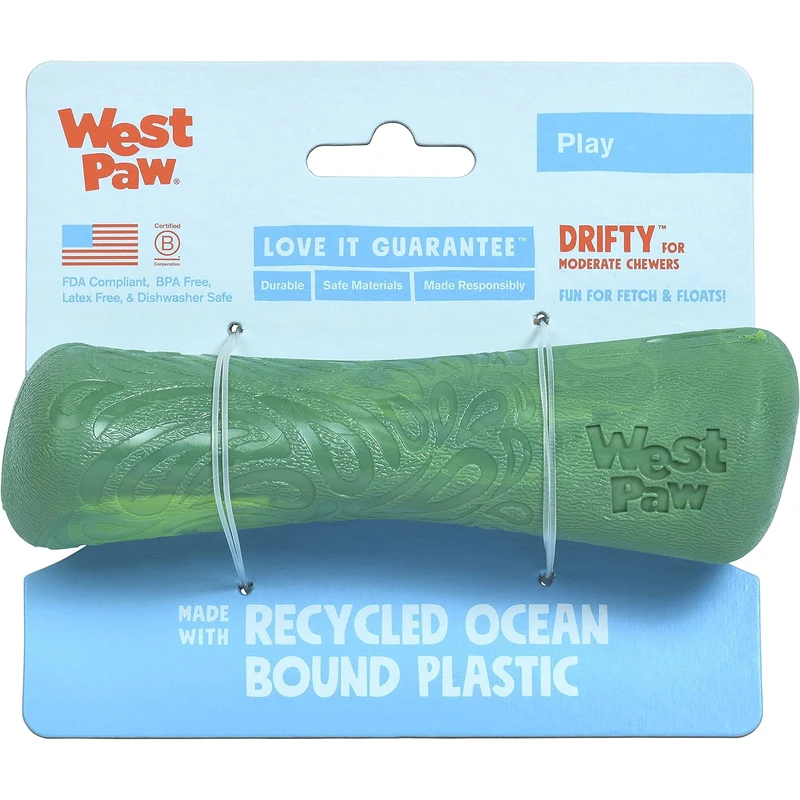
Consumers should prioritize dog toys labeled with verified eco-certifications and transparent material disclosures. Identifying bamboo toys made from 100% natural bamboo or bamboo composites without synthetic additives ensures biodegradability and chemical safety. For recycled plastic toys, verifying the use of post-consumer recycled materials and compliance with OEKO-TEX and pet safety standards is crucial.
Balancing sustainability with durability requires evaluating the dog’s chewing behavior and play style to select toys that reduce waste through longevity and safety. Consumers may also explore DIY eco-friendly dog toy options using organic cotton, hemp, or upcycled materials to customize safe and sustainable products.
Educating oneself on sustainable pet brands such as HuggleHounds, Multipet, Beco Pets, and Petique, which emphasize eco-friendly practices, empowers consumers to support industry leaders driving environmental stewardship.
FAQ

Are bamboo dog toys safe for aggressive chewers?
Bamboo dog toys are generally safe for moderate chewers but may not withstand the intense chewing of aggressive or power chewers. The natural fibers can splinter under excessive force, posing a risk of ingestion or injury. For aggressive chewers, recycled plastic toys with higher durability may be more suitable.
Do recycled plastic dog toys contain harmful chemicals?
Recycled plastic dog toys from reputable manufacturers comply with safety standards such as OEKO-TEX and are tested to be free from harmful chemicals like BPA and phthalates. However, some synthetic additives and dyes are used to improve durability and appearance, so selecting certified products is essential to ensure safety.
How do bamboo dog toys impact the environment compared to recycled plastic toys?
Bamboo dog toys offer superior environmental benefits through rapid renewability, minimal agricultural inputs, and full biodegradability, reducing landfill waste and microplastic pollution. Recycled plastic toys contribute by repurposing plastic waste, supporting circular economy efforts but are not biodegradable and may involve chemical processing.
Can dogs with allergies safely use bamboo or recycled plastic toys?
Bamboo dog toys are typically hypoallergenic and free from synthetic chemicals, making them safe for dogs with allergies or sensitive mouths. Recycled plastic toys can also be hypoallergenic if produced under strict safety standards, but synthetic additives may trigger sensitivities in some dogs.
What certifications should I look for when buying eco-friendly dog toys?
Look for certifications such as OEKO-TEX Standard 100 for chemical safety, PETA approval for cruelty-free manufacturing, and Global Organic Textile Standard (GOTS) for organic material sourcing. Brands participating in the Pet Sustainability Coalition also demonstrate commitment to sustainable and ethical practices.
As sustainability becomes a central pillar in the pet product industry, bamboo and recycled plastic dog toys represent key innovations balancing environmental stewardship with pet safety and durability. Future developments will likely expand material options and refine manufacturing processes, enhancing eco-friendly choices for conscientious pet owners.