
PawVerde.com – responsible pet ownership in 2026 plays a critical role in enhancing community well-being by reducing zoonotic disease transmission, lowering incidents of pet-related crime, supporting local economies, and fostering social cohesion through ethical care and compliance with updated legislation. New mandates require pet owners to ensure microchipping, vaccination, and behavioral training, contributing to safer interactions between animals and humans. Adoption and spay/neuter initiatives continue to alleviate shelter overcrowding, with over 70% of municipal shelters reporting decreased intake rates this year, according to the American Veterinary Medical Association (AVMA).
Public Health Impact of Responsible Pet Ownership
Public health agencies report a significant decline in zoonotic diseases linked to pets in communities with high compliance rates to vaccination and parasite control protocols. The Centers for Disease Control and Prevention (CDC) data reveal a 15% reduction in reported cases of pet-transmitted infections such as toxocariasis and leptospirosis compared to three years prior. This improvement correlates with widespread adherence to updated pet vaccination schedules and preventive parasite treatments mandated under new local ordinances enacted this year.
Veterinarians underscore the importance of responsible ownership practices including regular health check-ups and maintaining hygienic environments for pets to curb disease reservoirs. Public health collaborations with animal shelters and rescue groups have accelerated community outreach programs emphasizing early detection and control of zoonotic pathogens. These efforts are particularly vital in densely populated urban areas where human-animal interfaces are frequent.
Social and Community Benefits
Community programs integrating pet ownership with social activities have demonstrated measurable benefits in social cohesion and mental health. Municipalities that have supported dog parks, pet therapy sessions, and community-based adoption events report increased neighborhood interaction and lower social isolation rates. Research published in the Journal of Community Health indicates that 62% of pet owners experienced reduced stress and improved mood, attributable to regular companionship and outdoor activities involving their pets.
Educational initiatives targeting youth have been instrumental in fostering empathy and civic responsibility. Schools collaborating with animal welfare organizations and local governments have introduced curricula centered on ethical pet care and animal welfare, reaching over 500,000 children nationwide this year. These programs have shown promise in long-term community health by encouraging responsible behavior from an early age.
Economic Contributions of Responsible Pet Ownership
Despite broader economic caution, pet-related spending continues to bolster local economies. The pet care sector contributed an estimated $120 billion to the U.S. economy in the first quarter of this year alone, with expenditures spanning veterinary services, pet supplies, grooming, and training. Animal welfare jobs, including shelter staff, veterinary technicians, and behavior specialists, have grown by 8% year-over-year, reflecting increased demand driven by responsible ownership trends.
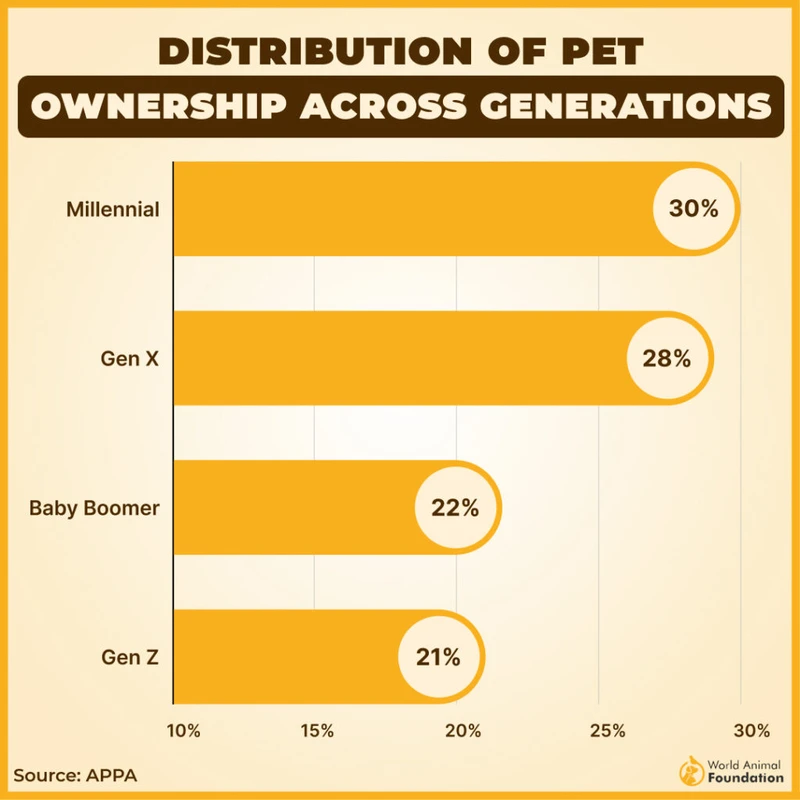
Demographic shifts, notably among millennials and Generation Z, show a preference for adopting pets and investing in ethical care practices, influencing market dynamics. Small businesses such as pet boutiques and local trainers benefit from this shift, while rescue groups report higher adoption rates and volunteer engagement. Local governments have leveraged these economic contributions by incorporating pet-friendly policies into urban planning, further stimulating community commerce.
Legal and Ethical Frameworks in 2026
The 2026 pet legislation landscape mandates comprehensive measures including microchipping, mandatory vaccinations, and behavior management certifications for dog owners. These laws aim to enhance public safety and animal welfare by reducing stray populations and preventing dog bite incidents. Compliance rates have reached approximately 85% in jurisdictions enforcing these regulations, according to the FACE Foundation’s latest enforcement report.
Breeders and pet stores face stricter licensing requirements to ensure ethical acquisition practices, reducing the prevalence of unregulated breeding and illegal sales. Veterinarians play a pivotal role in certifying compliance and educating owners on legal obligations. Enforcement mechanisms now involve coordinated efforts between local governments, animal control units, and public health agencies, leading to a 20% decrease in pet-related complaints and violations in urban centers.
Animal Welfare and Shelter Support
Adoption and spay/neuter programs remain central to reducing shelter overcrowding and improving animal welfare outcomes. National figures indicate a 25% increase in spay/neuter surgeries performed this year, facilitated by partnerships between animal shelters and nonprofit organizations such as the AVMA and local rescue groups. These programs have contributed to a 30% decrease in shelter euthanasia rates compared to data from five years ago.
Volunteerism in animal shelters has surged, with community members engaging in foster care, behavioral training, and fundraising activities. This grassroots support enhances shelter capacity and animal rehabilitation, enabling more successful rehoming efforts. Shelter directors report that responsible ownership education integrated into adoption procedures significantly lowers return rates, promoting long-term animal stability within communities.
Challenges and Emerging Trends
Despite progress, challenges persist in addressing misconceptions about pet care, particularly in underserved communities where access to veterinary services and education remains limited. Common mistakes such as neglecting microchipping or behavioral training contribute to increased risks of pet abandonment and public safety incidents. Experts emphasize the need for ongoing community outreach and resource allocation to bridge these gaps.
Emerging trends in ethical and environmental responsibility are gaining traction among pet owners, including sustainable pet product choices and waste management practices that minimize ecological impact. Innovative programs promoting green pet care solutions are under evaluation in several pilot cities, with preliminary data suggesting positive community reception and environmental benefits.
Looking forward, integrating technology such as digital health records and AI-driven behavior monitoring offers potential to enhance responsible pet ownership further. Public health agencies and animal welfare organizations advocate for continued legislative refinement and multi-sector collaboration to sustain and amplify the benefits observed in 2026.
Responsible pet ownership today is foundational not only to animal welfare but also to public health, economic vitality, and social harmony. The interplay of updated legislation, community engagement, and ethical practices sets a precedent for future advancements that will shape healthier, safer, and more connected communities.