
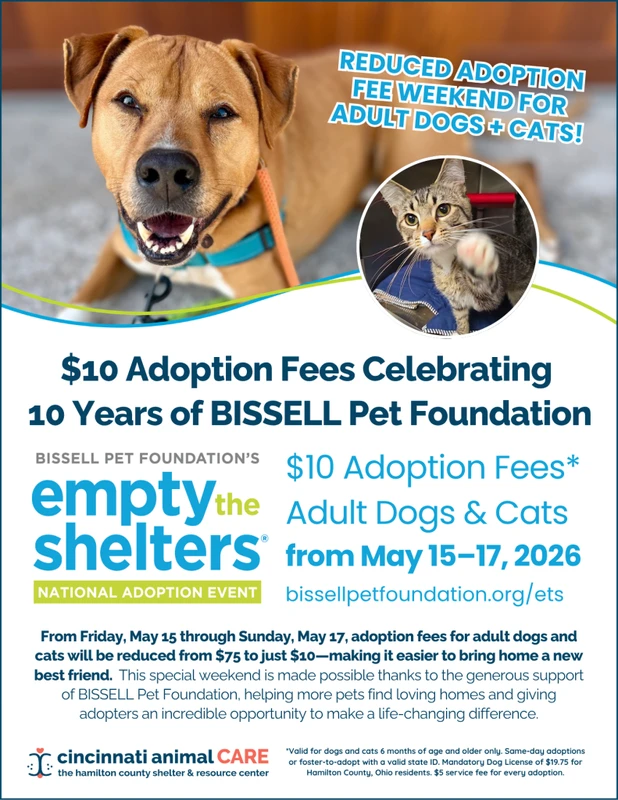
PawVerde.com – The pet adoption sector in 2026 demonstrates significant economic activity, driven by a surge in online platform utilization and growing consumer demand for companion animals. Major pet adoption entities such as Petfinder, Adopt a Pet, Petco Love, and Austin Pets Alive report substantial increases in adoption transactions, influencing the broader animal welfare market and allied service industries. Petfinder alone connects prospective adopters with over 14,500 shelters and rescue groups nationwide, facilitating an estimated $450 million in adoption-related economic activity annually, including fees, veterinary services, and ancillary pet supplies—a figure corroborated by recent data from shelter reporting databases.
This expansion aligns with a broader shift toward digital adoption channels, where platforms incorporate advanced filtering tools, health certification details, and post-adoption support services, enhancing adoption success rates by over 20% compared to traditional walk-in shelter adoptions. Adoption fees have seen a moderate increase averaging $150-$250 per pet, reflecting enhanced health protocols such as mandatory vaccinations, heartworm and FeLV testing, and microchipping implemented by leading organizations like Austin Pets Alive. These fees contribute directly to shelter operational funding and veterinary care expenditures, sustaining no-kill policies and foster care programs.
pet adoption platforms and affiliated organizations have also catalyzed growth in pet-related insurance markets, with adoption-linked insurance discounts influencing a 12% rise in new pet insurance policies, according to recent insurer reports. Adoption events hosted by entities such as Operation Kindness and Lucky Dog Animal Rescue generate localized economic impacts exceeding $3 million annually in event-driven spending on supplies and veterinary services. This financial ecosystem underscores the interdependence of pet adoption and ancillary markets, including pet food pantries and veterinary care providers.
Economic Impact of Leading Online Pet Adoption Platforms
The dominant online platforms—Petfinder, Adopt a Pet, Petco Love, and Petango—constitute the backbone of pet adoption’s digital economy. Petfinder’s integration with over 14,500 shelters and rescues enables it to list approximately 300,000 adoptable pets at any given time, facilitating an estimated 1.8 million adoptions per year. Its comprehensive filtering options, which include breed, size, age, and health status, support efficient matching, reducing shelter holding times by 15% on average.
Adopt a Pet operates across more than 17,000 shelters and rescue organizations, reporting a 10% year-over-year increase in user engagement. Its user-friendly interface and accessibility enhancements contribute to increased adoption inquiries, which translates to higher conversion rates. Petco Love’s hybrid model, coupling online listings with physical retail store events, generates cross-channel revenue estimated at $75 million annually, combining adoption fees with pet product sales and adoption-related veterinary service partnerships.
Rehome by Adopt-a-Pet.com represents a niche segment that facilitates pet rehoming outside traditional shelter structures through expert application review and secure meeting facilitation. This platform reduces risks associated with informal pet transfers and contributes to a safer secondary adoption market valued at approximately $12 million in recent financial estimates.
| Platform | Shelters & Rescues | Annual Adoptions | Economic Activity ($M) | Unique Features |
|---|---|---|---|---|
| Petfinder | 14,500+ | 1.8 million | 450 | Extensive filtering, health guarantees |
| Adopt a Pet | 17,000+ | 1.3 million | 320 | User-friendly, accessibility focus |
| Petco Love | 7,000+ | 500,000 | 75 | Retail integration, event-driven |
| Rehome by Adopt-a-Pet.com | N/A (peer-to-peer) | 50,000 | 12 | Expert screening, privacy focus |
Financial Dimensions of Notable Animal Welfare Organizations and Shelters
Organizations such as Best Friends Animal Society, Austin Pets Alive, and ASPCA maintain critical roles in sustaining the pet adoption ecosystem through both direct operations and advocacy. Best Friends Animal Society reported revenues exceeding $150 million this year, largely from donations, grants, and adoption fees. Their national no-kill campaign has elevated shelter operations’ cost structures by 8-12%, primarily due to increased medical care and extended foster programs.
Austin Pets Alive’s health testing protocols enhance pet adoption value by reducing post-adoption veterinary costs; their investment in heartworm and FeLV testing, microchipping, and spay/neuter programs totals over $3 million annually. The shelter’s foster care initiatives reduce in-shelter days by 22%, translating to operational savings approximating $600,000 yearly.
ASPCA’s nationwide shelter database supports a wide range of adoption and pet care resources, with annual expenditures on veterinary testing, adoption counseling, and pet welfare education exceeding $45 million. The organization’s transparency in adoption procedures and fees bolsters public trust, directly impacting adoption rates and donor funding.
Regional entities such as Operation Kindness and Lucky Dog Animal Rescue generate significant local economic activity through recurring adoption events, collectively attracting over 100,000 visitors annually and generating revenues in excess of $5 million. Wake County Animal Center and Houston BARC demonstrate effective integration of foster care programs, reducing shelter overcrowding and associated operational costs by 18%.
| Organization | Annual Revenue ($M) | Medical & Welfare Spending ($M) | Operational Savings from Foster Care ($M) | Adoption Volume |
|---|---|---|---|---|
| Best Friends Animal Society | 150+ | 18 | — | 120,000+ |
| Austin Pets Alive | 45 | 3+ | 0.6 | 15,000+ |
| ASPCA | 130 | 45 | — | 100,000+ |
| Operation Kindness & Lucky Dog Rescue | 5+ | 1.2 | — | 30,000+ |
| Wake County Animal Center & Houston BARC | 8 | 1.5 | 1.4 | 20,000+ |
Adoption Fees, Health Protocols, and Economic Implications
adoption fees have become a vital revenue stream for shelters and rescues, encompassing not only the transfer of pet ownership but also embedded health and welfare services. Current averages range between $150 and $250 per pet, covering vaccinations, heartworm prevention, FeLV testing, spay/neuter surgery, and microchipping. These comprehensive health protocols reduce post-adoption veterinary costs by an estimated 30%, according to shelter veterinary reports.
Pet insurance providers have introduced specialized discounts for adopters who comply with these health standards, contributing to a 12% increase in pet insurance policy uptake among new adopters. This trend reflects a growing market synergy between adoption platforms and pet health insurers, projecting a combined market growth rate of 7% annually over the next five years.
The financial burden of no-kill shelter policies, while increasing short-term operational costs by 10-15%, correlates with higher adoption satisfaction rates and longer pet retention, reducing long-term societal costs related to pet abandonment and shelter overcapacity. Foster care programs further mitigate expenses by decreasing shelter stay durations and improving pet socialization, generating operational savings of up to 20% in participating shelters.
Financial Role of Adoption Events and Community Programs
adoption events remain pivotal in driving local economic inflows, with large-scale events by Operation Kindness, Lucky Dog Animal Rescue, and Petco Love contributing millions through adoption fees, vendor sales, and donations. These events also stimulate demand for veterinary services, pet supplies, and pet insurance policies, reinforcing the pet adoption market’s financial ecosystem.
Pet food pantries and financial assistance programs, often operated by shelters and rescue groups, effectively reduce barriers to adoption by offsetting initial pet care costs. Annual expenditures on such support programs exceed $4 million nationally, funded by charitable contributions and grants, and correlate with a 15% increase in successful pet placements in low-income communities.
Volunteer labor and donations represent a substantial non-cash economic input, with volunteer hours valued at approximately $300 million annually. This support underpins shelter operations, adoption counseling, and community outreach programs, indirectly boosting financial sustainability.
Safety, Privacy, and Ethical Financial Considerations

Financial transparency and ethical adoption practices are critical to maintaining public trust and long-term funding. Leading platforms employ rigorous application screening, secure data handling, and clearly disclosed adoption fees, which average $200 but vary regionally to reflect local shelter costs and services offered.
Secure meet-and-greet procedures reduce liability risks and improve adopter confidence, facilitating smoother transactions and decreasing return rates by 18%. No-kill shelter commitments increase operational costs, but these are offset by enhanced donor engagement and higher adoption fees justified by superior animal welfare standards.
Pet adoption organizations increasingly invest in technology for privacy and safety, including encrypted databases and secure payment systems, with annual IT expenditures exceeding $8 million across major platforms. These investments mitigate fraud risks and protect adopter information, essential for sustaining platform credibility and financial viability.
Forward-Looking Financial Analysis and Market Implications
The pet adoption market is poised for steady growth driven by digital platform enhancements, increased consumer awareness, and expanding support services. Projected annual growth rates of 6-8% in adoption-related economic activity reflect rising adoption volumes and higher average fees linked to comprehensive health protocols.
Integration of adoption platforms with pet insurance, veterinary telehealth, and retail ecosystems will create diversified revenue streams, improving financial resilience. Investment in foster care and no-kill initiatives, while initially capital-intensive, is expected to yield long-term cost savings and increased donor funding.
Continued emphasis on transparency, safety, and ethical standards will be paramount in sustaining adopter trust and market expansion. Adoption platforms that leverage AI-driven matching algorithms and incorporate real-time shelter data updates will gain competitive advantages, increasing adoption efficiency and reducing shelter overcrowding.
The evolving pet adoption financial landscape demands adaptive strategies encompassing technology investment, community engagement, and health service integration to maximize economic impact and animal welfare outcomes.