
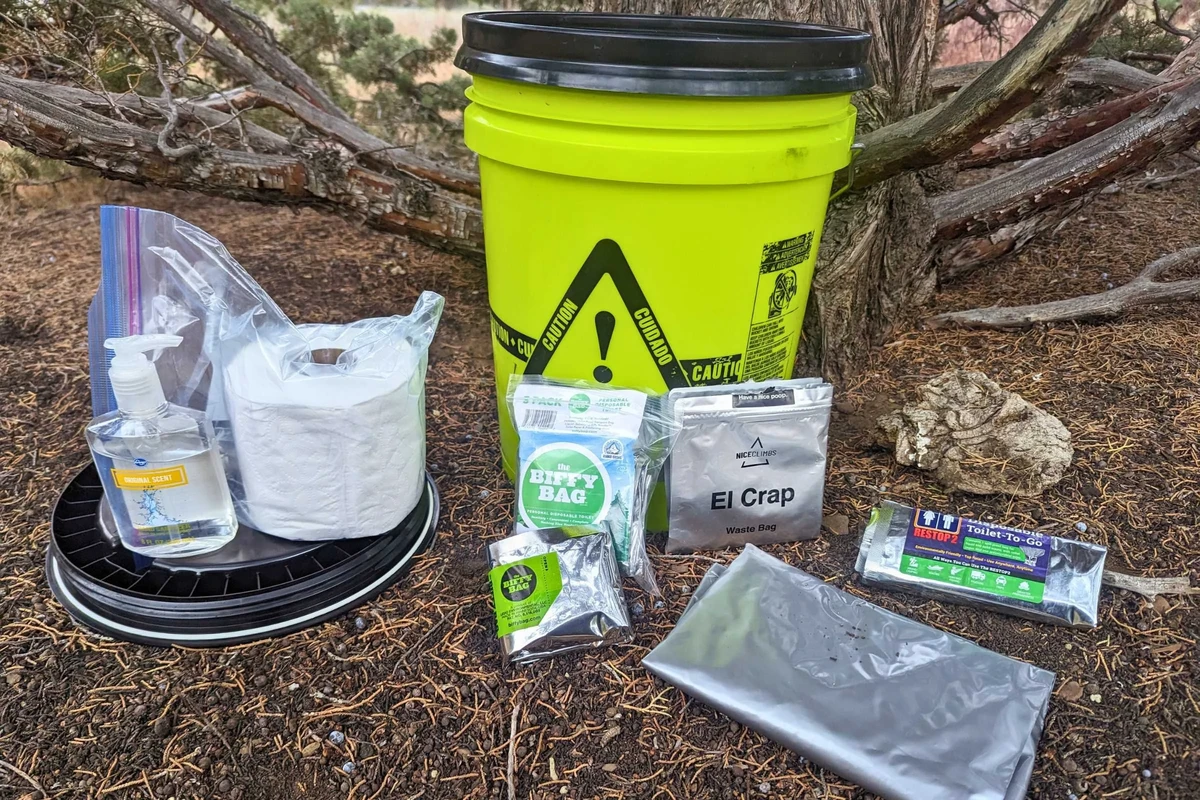
PawVerde.com – The best biodegradable waste bags for hiking are specialized compostable WAG bags (Waste Aggregation and Gelling) designed for human waste, such as Reliance Double Doodie or Nice Climbs El Crap. For dog owners, durable compostable options are preferred over paper to prevent leakage during long treks.
A Moosejaw survey of 25,000 outdoor enthusiasts revealed that 72% of hikers are caught unprepared for waste management. This lack of preparation often leads to environmental degradation in sensitive wilderness areas.
A common misconception among hikers is that burying a biodegradable bag or a wipe in the soil constitutes responsible waste management. This is a violation of Leave No Trace principles. Even if a bag is labeled as biodegradable, it is not designed to disappear quickly in a wilderness setting. Leaving these items in the ground can leave lasting traces of human presence and waste.To prevent odor and leakage, follow this two-stage containment hierarchy:
- Primary Containment: Use a specialized WAG bag or a compostable bag to encapsulate the waste.
- Secondary Containment: Place the primary bag inside a heavy-duty, non-permeable “stink bag” or a dedicated dry bag.
- Final Disposal: Transport all contained waste to a proper municipal disposal facility or a designated waste receptacle.
CRITICAL WARNING: Never place compostable bags in general waste bins or plastic recycling streams. In a landfill environment, they will not compost effectively, and in recycling streams, they contaminate the plastic recovery process.Environmental conditions dictate how bioplastic materials behave. A bag that performs well in a temperate forest may fail in an alpine or desert environment.
In high-altitude environments, extreme cold can cause many bioplastic-based bags to become brittle. This brittleness increases the risk of the bag splitting when being handled or packed tightly. When temperatures drop significantly, the material loses its flexibility, creating a failure mode where the bag cracks under minimal pressure.Conversely, intense desert heat accelerates the chemical breakdown of many compostable materials. This can lead to premature breakdown, where the bag loses its structural strength before it is even used. Furthermore, bioplastic bags can produce methane gases as they begin to decompose, which can cause the bag to bloat or leak odors if not managed correctly. There is also a significant risk to local fauna; animals may consume smaller pieces of plastic that have begun to disintegrate, which is highly problematic for wildlife health.For human waste, the best options are Reliance Double Doodie for reliability and Nice Climbs El Crap for high-capacity needs (up to 5 gallons). These are essential in regulated zones like Mt. Whitney where WAG bags are mandatory.
Conversely, intense desert heat accelerates the chemical breakdown of many compostable materials. This can lead to premature breakdown, where the bag loses its structural strength before it is even used. Furthermore, bioplastic bags can produce methane gases as they begin to decompose, which can cause the bag to bloat or leak odors if not managed correctly. There is also a significant risk to local fauna; animals may consume smaller pieces of plastic that have begun to disintegrate, which is highly problematic for wildlife health.For human waste, the best options are Reliance Double Doodie for reliability and Nice Climbs El Crap for high-capacity needs (up to 5 gallons). These are essential in regulated zones like Mt. Whitney where WAG bags are mandatory.
In the Mt. Whitney Zone, the use of WAG bags is a mandatory requirement for all visitors. Choosing your kit depends on your specific trip duration and gear requirements.
Nice Climbs offers the El Crap, which stands out due to its massive 5 gallons of capacity. This makes it an ideal choice for expeditions where waste accumulation is high or for groups needing a single, large-capacity solution. It is specifically engineered to handle significant volume without the risk of structural failure seen in smaller, thinner alternatives.Reliance is a staple in the backpacking community, primarily due to the reliability of the Double Doodie system. These kits are designed to provide a secure, odor-controlled solution that minimizes the risk of leaks during transport. For most hikers, the reliability of the seal is more critical than maximum volume.For those prioritizing pack weight, Green Elephant provides compostable toilet bags that are significantly lighter than high-capacity alternatives. A single Green Elephant bag weighs approximately 340 g, making it a viable option for lightweight backpackers who need to balance environmental responsibility with strict weight limits.Product Name Primary Use Key Spec/Capacity Best For Nice Climbs El Crap Human Waste 5 gallons High-capacity/Groups Reliance Double Doodie Human Waste Standard Kit Reliability/General Use Green Elephant Human Waste 340 g Lightweight Backpacking PoopShark Dog Waste Paper-based Short/Local Walks
For those prioritizing pack weight, Green Elephant provides compostable toilet bags that are significantly lighter than high-capacity alternatives. A single Green Elephant bag weighs approximately 340 g, making it a viable option for lightweight backpackers who need to balance environmental responsibility with strict weight limits.Product Name Primary Use Key Spec/Capacity Best For Nice Climbs El Crap Human Waste 5 gallons High-capacity/Groups Reliance Double Doodie Human Waste Standard Kit Reliability/General Use Green Elephant Human Waste 340 g Lightweight Backpacking PoopShark Dog Waste Paper-based Short/Local Walks
| Product Name | Primary Use | Key Spec/Capacity | Best For |
|---|---|---|---|
| Nice Climbs El Crap | Human Waste | 5 gallons | High-capacity/Groups |
| Reliance Double Doodie | Human Waste | Standard Kit | Reliability/General Use |
| Green Elephant | Human Waste | 340 g | Lightweight Backpacking |
| PoopShark | Dog Waste | Paper-based | Short/Local Walks |
Use the comparison above to match waste management products to your specific capacity needs.
Note that capacity should always be balanced against the total weight added to your pack for long-distance treks.
When hiking with pets, managing high nitrogen and phosphate levels is essential for ecosystem stability.
While products like PoopShark or Pooch Paper offer paper-based solutions, they are generally unsuitable for long-distance hiking. The paper used in these products is often thin and uncoated. Consequently, these bags are not designed to encapsulate a wet turd for more than 15 or 20 minutes before the material wets through and begins to leak. For any trek exceeding a short walk, paper alternatives represent a high risk of contamination.Proper disposal is not just about cleanliness; it is about ecosystem stability. As noted by Seemann, “The excess nitrogen and phosphates in domestic dog waste throw the local ecosystem out of whack.” These nutrients can cause algae blooms in nearby water sources and alter the soil chemistry of sensitive alpine meadows.
ECOLOGICAL WARNING: Dog waste should not be treated as fertilizer. If you are not packing it out, it must be buried at least six inches deep, away from water sources and trails, and ideally nested in “browns” like leaves to assist decomposition.To ensure environmental compliance, verify that your waste bags carry specific third-party certifications.
The Biodegradable Products Institute (BPI) provides certification that ensures products can be composted in commercially run composting facilities. This is a critical distinction for hikers. If a bag is only BPI certified, it may require the high heat of an industrial facility to break down. If you are looking for a bag that can break down in a backyard setting, you must specifically look for “Home Compostable” certifications, often verified by organizations like TUV.There is a significant risk of “greenwashing” in the waste bag market. Many products labeled as “degradable” are actually problematic. As Lyall Mabin observed, “These degrade into microplastics faster, so it’s really just greenwashing.” According to the Burnside Fact Sheet, “Degradable bags are made from plastic with other chemicals added (including heavy metals) that cause the plastic to break down and disintegrate over time when exposed to sunlight and heat.” This process does not eliminate the plastic; it simply turns it into microscopic particles that are easily consumed by animals and enter the food chain.A complete kit helps you maintain hygiene and environmental standards during any biological emergency.
To ensure environmental compliance, verify that your waste bags carry specific third-party certifications.
The Biodegradable Products Institute (BPI) provides certification that ensures products can be composted in commercially run composting facilities. This is a critical distinction for hikers. If a bag is only BPI certified, it may require the high heat of an industrial facility to break down. If you are looking for a bag that can break down in a backyard setting, you must specifically look for “Home Compostable” certifications, often verified by organizations like TUV.There is a significant risk of “greenwashing” in the waste bag market. Many products labeled as “degradable” are actually problematic. As Lyall Mabin observed, “These degrade into microplastics faster, so it’s really just greenwashing.” According to the Burnside Fact Sheet, “Degradable bags are made from plastic with other chemicals added (including heavy metals) that cause the plastic to break down and disintegrate over time when exposed to sunlight and heat.” This process does not eliminate the plastic; it simply turns it into microscopic particles that are easily consumed by animals and enter the food chain.A complete kit helps you maintain hygiene and environmental standards during any biological emergency.
A complete kit helps you maintain hygiene and environmental standards during any biological emergency.
Follow these steps to assemble your gear:
- Sanitization: Include a small bottle of hand sanitizer for post-use hygiene.
- Wiping: Pack toilet paper or biodegradable wipes (note that PACT Wipes, for example, are designed for 100% decomposition within 95 days).
- Containment: Include a dedicated WAG bag or a heavy-duty compostable bag.
- Cleanup: Pack a separate, small bag specifically for used toilet paper to ensure it is also packed out.
- Tools: Carry a lightweight trowel if you are in areas where burying is permitted.
Paper bags from manufacturers like PoopShark or Pooch Paper are often thin and uncoated. They are not designed to encapsulate a wet turd for more than 15 or 20 minutes before leaking.