

Biodegradable Pet Food Bowls: Are They Truly Sustainable?
PawVerde.com – Biodegradable pet bowls are designed to break down via microorganisms, but true sustainability depends on whether they are home or industrially compostable. While bamboo is a renewable favorite, many “bamboo” products are actually melamine-plastic composites that fail to degrade safely and may pose ingestion risks.
Biodegradable materials must achieve at least 90% degradation in aerobic conditions within 12 months to meet standard compostability benchmarks.
The Biodegradable Reality Check: Moisture, Warping, and Lifespan
Plant-based materials face a durability trade-off compared to stainless steel. Because they are engineered to break down, high-moisture environments like wet food feeding can accelerate material degradation, potentially leading to structural failure or microplastic leaching.
The moisture-degradation paradox is a significant hurdle for eco-friendly petware. Materials designed to be broken down by microorganisms are inherently susceptible to water absorption. When a bowl is used for wet food or water, the constant presence of liquid can trigger the very breakdown process the material was designed for. This can result in several failure modes:
- Structural Softening: The bowl loses its rigidity, making it difficult for the pet to eat without the sides collapsing.
- Warping: Uneven drying or prolonged moisture exposure causes the base to become uneven, leading to instability on flat surfaces.
- Surface Pitting: Microscopic cracks form on the surface, creating ideal breeding grounds for bacteria.
Jake Thomas notes that “biodegradable simply means that a material can break down over time with the help of microorganisms.” While this is excellent for the environment, it creates a durability gap. For a bowl to be functional, it must maintain its integrity for months or years, not just weeks. Testing for structural integrity requires observing how the material reacts to the specific pH levels of pet saliva and the constant humidity of a feeding station.
The Compostability Audit: Home vs. Industrial Facilities
Disposal responsibility requires distinguishing between degradation and compostability. A material might degrade, but if it does not meet specific timeframe requirements, it may simply fragment into microplastics rather than returning to the earth as nutrient-rich compost.
Standardized testing often relies on a 180-day disintegration window in controlled composting environments. To be considered truly compostable under many frameworks, a material must achieve 90% degradation within a specific timeframe. If a pet bowl is labeled as “industrially compostable,” it cannot be tossed into a backyard compost pile; it requires the high-heat, high-moisture environment of a professional facility to break down. If placed in a home compost, it may fail to disintegrate, effectively becoming permanent waste.
The regulatory landscape is also shifting. As of 2026-02-12, the European Commission has signaled intent to request standardization organizations to create harmonized home compostability standards. This move aims to reduce consumer confusion caused by varying international definitions of what constitutes “eco-friendly” waste.
Hidden Plastic: The Bamboo and Melamine Trap
Misleading green claims often mask the use of synthetic binders in products marketed as natural. Many consumers purchase bamboo bowls under the impression they are buying a 100% natural, biodegradable product, unaware of these hidden composites.
Industry research indicates that bamboo bowls may contain melamine or other binders to provide the necessary strength and water resistance. Most adhesives used for bamboo dishware contain a chemical called melamine. When these bowls are subjected to heat or mechanical stress, they do not degrade; instead, they can leach chemicals or break into non-biodegradable fragments. This makes the “biodegradable” label on these specific products factually incorrect and environmentally harmful.
Safety for Aggressive Chewers: Ingestion and Breakdown Risks
Material choice is a critical safety factor for owners of “power chewers.” When a pet chews on the rim of a bowl, they are interacting with the material’s structural core.
Jake Thomas has highlighted the risks associated with material failure, specifically noting that bamboo bowls are prone to cracking or chipping if chewed or dropped. Unlike stainless steel, which is virtually indestructible, plant-based composites can splinter. If a pet ingests these small, sharp fragments, it poses a risk of gastrointestinal irritation or obstruction. Consequently, the “breakdown” of a biodegradable bowl is not just an end-of-life process; it is a potential mid-life failure mode that can impact pet health.
Lifecycle Carbon Comparison: Biodegradable vs. Stainless Steel
Evaluating petware requires comparing renewable materials against highly durable options. While biodegradable materials offer a lower initial carbon footprint due to rapid regrowth, their shorter lifespan may necessitate more frequent replacements.
| Material | Sustainability Type | Durability | End-of-Life |
|---|---|---|---|
| Stainless Steel | Recyclable / Non-renewable | Extremely High | Recycle |
| Pure Bamboo | Renewable / Biodegradable | Moderate | Compost |
| Bamboo-Melamine | Non-renewable Composite | Moderate | Landfill |
The comparison highlights a fundamental tension in sustainable shopping. Stainless steel is not renewable, but it can be long-lasting, often lasting for decades. For example, high-grade options like the 18/8 grade used in YETI products or the 304 grade used by Gorilla Grip are designed for extreme longevity. This supports a “buy once” philosophy that reduces the total volume of waste produced over a pet’s lifetime.
Conversely, bamboo is a fast-growing and renewable material, making it an excellent choice for reducing the immediate demand for fossil-fuel-based plastics. However, the environmental benefit of bamboo is only realized if the bowl is pure and actually reaches a composting facility at the end of its life.
Hygiene and Maintenance: Keeping Eco-Bowls Clean
Hygiene is the most critical factor in preventing pet illness. Biological contaminants can persist on feeding surfaces longer than most owners realize.
Data shows that viruses can live for 3 days on bowls. This makes a consistent cleaning routine mandatory to prevent the spread of pathogens between pets or within a household. When managing biodegradable or bamboo-based bowls, the maintenance protocol must be more delicate than with metal:
- Hand washing bamboo: Wash by hand with mild soap and avoid harsh detergents or dishwashers, which can cause the material to crack.
- Sanitizing bowls: Rinse and dry after every meal; once a week, use a steam mop attachment or hot soapy water to sanitize and disinfect.
- Temperature control: For certain specialized bowls, such as Magisso models, you can soak or run the bowl under cold water for 45 seconds to utilize cooling technology.
To prevent premature structural failure, avoid placing bamboo bowls in high-heat dishwashers. Using harsh detergents or excessive heat can accelerate material degradation and cause cracking.
FAQ
Is a bamboo bowl actually biodegradable?
Only if it is pure bamboo. Many bamboo bowls are actually composites held together by melamine-based adhesives, which are not biodegradable and can pose health risks if chewed.
How long do viruses live on pet bowls?
Viruses can survive on pet food bowls for up to 3 days, making regular sanitization essential regardless of the material used.
Can I put biodegradable bowls in the dishwasher?
Generally, no. Most biodegradable or bamboo-based bowls should be hand-washed with mild soap to prevent cracking or premature degradation from high heat.
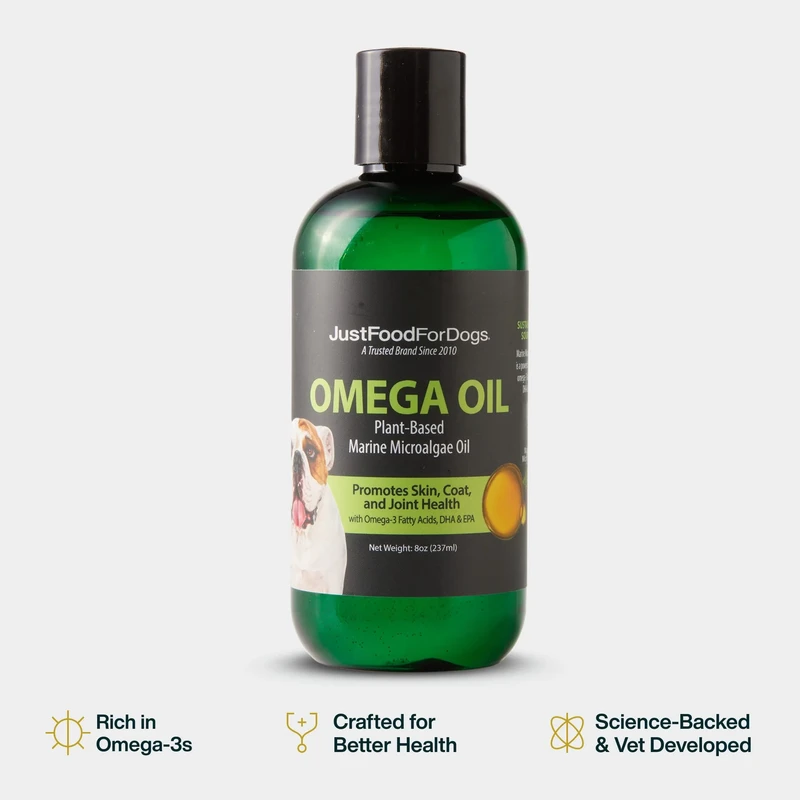
Plant-Based Omega Fatty Acids for Pets: Algae vs. Flax
PawVerde.com – Plant-based omega supplementation for pets relies on bypassing the inefficient conversion of ALA (found in flax/chia) by providing direct sources of EPA and DHA. Marine microalgae oil is the premier vegan alternative, offering high concentrations of these essential long-chain fatty acids without the environmental impact of fish oil.
While flax and chia are common, dogs only convert about 5% of ALA to EPA and a mere 1% to DHA, making them inefficient primary sources for meeting long-chain fatty acid requirements.
The Algae vs. Flax Showdown: Why Not All Plant Omegas Are Equal
Most plant-based omegas like flax and chia contain ALA, which pets must convert into usable EPA and DHA. However, dogs convert only 5% of ALA to EPA and 1% to DHA, while cats cannot convert it at all. Algae oil is superior because it provides preformed EPA and DHA directly.
The ALA Conversion Gap
A common misconception in pet nutrition is that any source of Omega-3 is sufficient. In reality, the metabolic pathway required to transform Alpha-linolenic acid (ALA) into the long-chain fatty acids EPA (Eicosapentaenoic acid) and DHA (Docosahexaenoic acid) is highly inefficient in many domestic animals. While seeds like chia may contain 60-75% omega fatty acids, the biological “bottleneck” occurs during the conversion process inside the animal’s body.
Why Algae Oil is the ‘Real’ Plant-Based Solution
To avoid the conversion failure, practitioners recommend utilizing marine microalgae. As PhytoSmart notes, “Fish was never the source. It was just the middleman.” By targeting the algae directly, pet owners can provide the exact molecular structures—EPA and DHA—that the body requires for immediate use. This bypasses the metabolic struggle entirely, ensuring the nutrients reach the bloodstream and tissues without being lost to inefficient enzymatic processes.
| Fatty Acid Source | Primary Omega Type | Conversion Efficiency | Best Use Case |
|---|---|---|---|
| Flax/Chia Seeds | ALA | Low (5% EPA / 1% DHA in dogs) | General dietary fiber/ALA support |
| Algae Oil | EPA & DHA | High (Directly Bioavailable) | Cognitive, joint, and skin health |
| Corn Oil | Linoleic Acid (Omega-6) | N/A (Essential for membranes) | Skin barrier and cell membrane support |
| Coconut Oil | Saturated Fats | Very Low (0.2/100 cal Linoleic) | Not a substitute for essential omegas |
The table above illustrates why relying on ALA-heavy seeds often fails to provide the therapeutic levels of EPA and DHA needed for specific health interventions. While corn oil provides 5.9 units of linoleic acid per 100 calories, coconut oil provides only 0.2, meaning a pet would need 30x more coconut oil to meet the same linoleic acid requirement.
Label Detective: How to Spot High-Quality Algae Supplements
When selecting a vegan omega supplement, the concentration of active ingredients is the most critical metric. High-quality products, such as those from Fera Pets, specifically offer algae oil where the concentration of EPA and DHA reaches 50%. This high density ensures that a small serving size provides a meaningful dose of long-chain fatty acids.
Use these specific metrics to evaluate product potency:
- Check the “Guaranteed Analysis” section for specific milligram (mg) counts of EPA and DHA, rather than just “Total Omega-3.”
- Look for mentions of Schizochytrium sp., a specific algal strain used by providers to ensure high potency.
- Verify the source of the oil; premium manufacturers utilize marine microalgae to maintain a sustainable, direct-to-source supply chain.
The Cat-Specific Protocol: Navigating Obligate Carnivore Needs
Cats face unique metabolic constraints. According to Tufts Pet Foodology, cats cannot make the conversion from ALA to EPA or DHA at all.
WARNING: Relying solely on flax or chia seeds for a cat’s omega-3 needs is a recipe for nutritional deficiency. Unlike dogs, cats lack the necessary enzymatic efficiency to bridge the gap between plant-based precursors and the long-chain fatty acids required for life. Furthermore, cats have specific needs for AA (Arachidonic Acid), an essential fatty acid that must be present in their diet to support normal physiological functions.
Symptom-to-Source: Mapping Fatty Acids to Pet Health
For skin and coat issues, focus on Omega-6 (Linoleic acid) to support ceramide production. For joint inflammation and osteoarthritis, prioritize EPA. For cognitive function and neurological development in puppies/kittens, DHA is the critical nutrient to ensure through algae-based sources.
Joint Support and Inflammation
Managing joint health often involves modulating inflammatory cytokines. A study by Fritsch et al. in 2010, published in The Journal of Veterinary Internal Medicine, found that dogs with osteoarthritis showed marked improvement after receiving omega-3 supplements. Specifically, using EPA to modulate the enzymes that break down cartilage can provide significant relief for aging pets.
Skin, Coat, and Barrier Function
Skin health depends on specific fatty acid roles. Omega-6s like linoleic acid are vital for the formation of cell membranes and the production of ceramide, which reduces dander. In the right ratio, Omega-3s and certain Omega-6s work in tandem to incite a proper immune response that identifies damage, heals it, and recedes when its job is done.
Brain and Neurological Development
DHA is essential for cognitive function and neurological development. This nutrient plays a critical role in brain health, particularly in the sensitive developmental stages of puppies and kittens. Ensuring direct DHA through algae-based sources is the most reliable way to support long-term neurological integrity.
| Primary Health Goal | Target Fatty Acid | Biological Mechanism | Expected Timeline |
|---|---|---|---|
| Joint Mobility | EPA | Modulates inflammatory cytokines | Variable (often months) |
| Skin/Coat Shine | Linoleic Acid (Omega-6) | Ceramide and membrane production | 30–60 days |
| Cognitive Health | DHA | Neurological/Brain development | Long-term maintenance |
| Immune Balance | Omega-3/6 Ratio | Regulates immune response | Ongoing |
Rancidity and Safety: Protecting Your Pet from Oxidized Fats
Omega oils, particularly liquid algae and fish oils, are highly susceptible to oxidation. When these fats go rancid, they can become harmful rather than helpful. Feeding oxidized fats to a pet can lead to various health complications.
WARNING: Watch for signs of excessive supplementation or rancidity. Excessive intake can cause gastrointestinal signs, such as vomiting or diarrhea. Furthermore, high doses of omega-3s may lead to decreased platelet aggregation and alterations in immune function. Always store liquid oils in a cool, dark place and discard them if they develop a strong, “off” odor.
Dietary Integration: How to Feed Omega Oils Effectively
To maintain a proper ratio of omega-3 to omega-6 fatty acids, pet owners should incorporate supplements systematically. This helps counteract the excess omega-6 often found in commercial pet foods.
Recommended integration methods:
- Direct Dosing: Adding a measured amount of liquid algae oil (like Fera Pets) directly onto wet food or kibble.
- Mixed Feeding: Using specialized products to provide a consistent, pre-measured dose.
- Gradual Introduction: Starting with a very small amount and slowly increasing to the recommended dose to allow the gastrointestinal tract to adjust.
FAQ
Can I just use coconut oil for my dog’s omega needs?
No. Coconut oil is extremely low in linoleic acid (0.2 per 100 cal) compared to corn oil (5.9 per 100 cal), meaning you would need 30x more coconut oil to meet essential requirements for skin and cell membrane health.
Is algae oil better for the environment than fish oil?
Yes. Algae oil is a direct source that bypasses the need for marine extraction, making it more sustainable and avoiding the “middleman” fish, which aligns with broader ocean health and sustainability goals.
What are the signs of too much omega-3 supplementation?
Watch for gastrointestinal distress like vomiting or diarrhea. Additionally, be aware that excessive levels can potentially impact platelet aggregation and alter immune function, so moderation and professional guidance are recommended.
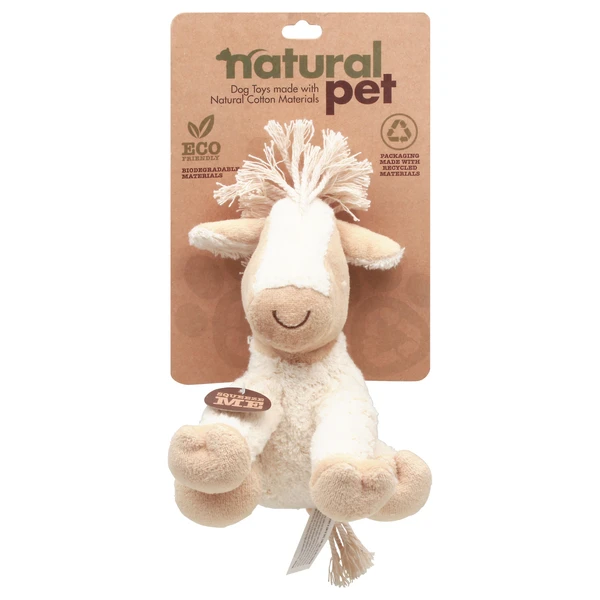
Natural Eco-Friendly Dog Toys: How to Spot Greenwashing
PawVerde.com – eco-friendly dog toys prioritize non-toxic, biodegradable, or recycled materials like natural rubber, hemp, and organic cotton to reduce landfill waste and chemical exposure. While traditional toys often contain hazardous substances, sustainable options focus on durability and material transparency to ensure both environmental health and canine safety. This shift in consumer behavior is critical, as 45% of tested pet products contained detectable levels of at least one hazardous chemical.
The Greenwashing Detection Guide: Spotting Fake ‘Natural’ Claims
To detect greenwashing, look beyond vague marketing terms like ‘natural.’ Verify specific certifications such as GOTS for cotton, Oeko-Tex for textiles, or MadeSafe for non-toxicity. Always check the material composition list to ensure ‘natural’ isn’t just a scent or a small percentage of a synthetic blend.
Vague terminology vs. Certified standards
The term ‘natural’ isn’t legally defined. This regulatory gap means a manufacturer can label a product “natural” even if it contains a high percentage of synthetic binders or chemical dyes. Relying on a label alone is a common failure mode for pet owners seeking safety. Instead, prioritize specific, verifiable standards:
- GOTS (Global Organic Textile Standard): Ensures organic status for cotton-based toys.
- Oeko-Tex: Certifies that textiles are free from harmful substances.
- MadeSafe: A rigorous non-toxicity certification that screens for thousands of hidden chemicals.
Experts note that no material name guarantees a dog toy is safe; factors like construction and how your dog plays are equally vital.
The recycled plastic transparency trap
While recycling is a core pillar of sustainability, recycled plastics can be risky if not tested. Some manufacturers use recycled materials without providing documentation regarding the original source or the presence of legacy toxins. A common mistake is assuming a “recycled” label automatically equals “non-toxic.” Without third-party verification, these plastics may contain additives that were present in the original waste material, potentially posing risks to your pet.
Disposal & End-of-Life Matrix: Where Do Your Toys Go?
Reducing pet industry waste requires choosing materials with clear lifecycles. Sustainable alternatives prioritize long-lasting or biodegradable options to minimize the volume of products ending up in landfills.
| Material Type | Disposal Method | Environmental Impact | End-of-Life Note |
|---|---|---|---|
| Natural Rubber (e.g., Hevea) | Biodegradable | Low | 100% biodegradable products reduce landfill reliance. |
| Organic Cotton | Compostable | Very Low | Ensure no synthetic thread or dyes are present. |
| Recycled Plastic | Recycling Bin | Medium | Effectiveness depends on local municipal capabilities. |
| Hemp Fiber | Compostable | Low | Excellent for reducing microplastic accumulation. |
The disposal path depends heavily on the specific material composition. For example, Hevea products are 100% biodegradable, making them an ideal choice for owners who want to minimize long-term environmental footprints. However, a common pitfall is attempting to backyard compost toys that require industrial composting conditions to break down effectively. Always verify if a “compostable” claim refers to home-compostable or industrial-only processes.
Backyard composting vs. Industrial requirements
Not all organic materials break down at the same rate. While organic cotton rope is a great choice, it may require the higher heat of an industrial facility to decompose fully. On the other hand, pure natural rubber or hemp may integrate more easily into natural cycles. If a toy contains even a small amount of synthetic glue, it will fail to decompose in a backyard bin, leaving behind non-organic residue.
Brand take-back programs
circular economy solutions help manage end-of-life stages. By participating in manufacturer programs, consumers can ensure worn-out items are processed through responsible recycling or repurposing rather than entering a landfill.
Material vs. Play Style: Finding the Perfect Match
Match materials to chewing intensity: use natural rubber for power chewers because it flexes under pressure to protect teeth; choose organic cotton or plush for gentle mouthers; and utilize hemp or olive wood for moderate chewers seeking antimicrobial or low-splintering options.
| Material | Best For | Eco-Benefit | Safety Note |
|---|---|---|---|
| Natural Rubber | Power Chewers / Puppies | Biodegradable | Flexes to protect teeth and gums. |
| Hemp | Moderate Chewers | Antimicrobial | Extremely strong and durable. |
| Organic Cotton | Gentle Mouthers | Biodegradable | Ideal for pets with sensitive skin. |
| Olive/Coffee Wood | Moderate Chewers | Natural Resource | Splinters less than traditional sticks. |
Selecting the wrong material can lead to immediate physical issues. For instance, using hard nylon for a dog that requires more flexibility can result in injuries to the teeth or gums. Conversely, giving a heavy power chewer a soft plush toy often leads to rapid destruction and the ingestion of small parts.
The Power Chewer’s Defense: Why Flexibility Matters
For power chewers, natural rubber is often considered safer than hard nylon because it flexes under pressure rather than transferring force directly onto teeth. This flexibility is particularly beneficial for teething puppies, as natural rubber remains gentle on developing gums while still providing enough resistance for vigorous play. Harder, non-flexible materials can cause micro-fractures in the teeth over time due to the direct impact of the bite.
Sensitive Skin & Gentle Mouthers
Organic cotton is a suitable choice for pets with sensitive skin. These toys are known to be soft and biodegradable, which helps reduce the risk of irritation. Because organic cotton is free from the heavy chemical load found in conventional textiles, it provides a safer tactile experience for sensitive animals.
The Hidden Risks: Toxins and Microplastics
As long as animal companions aren’t protected by robust legislation and regulation, it is up to owners to minimize their exposure to toxic chemicals.
WARNING: Testing has shown that 48% of tennis balls contain lead, posing significant toxicity risks.
Heavy Metal Hazards in Common Toys
Testing has revealed alarming levels of heavy metals in standard pet items. For example, 48% of tennis balls contain lead. In one specific instance, the lead levels in the lettering of a dog ball reached 2,696 ppm, while arsenic levels reached 262 ppm. These high concentrations of toxins can be ingested through licking or chewing, posing a direct threat to canine health.
The Microplastic Shedding Reality
Recycled plastics can pose environmental risks through microplastic shedding. During heavy chewing, these materials may release tiny particles that, unlike biodegradable hemp or natural rubber, do not break down into organic matter and can enter the local ecosystem.
Cost-Per-Use: Why Sustainable Toys Save Money
While the initial price of eco-friendly toys may appear higher than mass-produced synthetic alternatives, the “cost-per-use” often tells a different story. A high-quality, durable toy that lasts several months is more economical than replacing cheap, flimsy toys every week.
- KONG Classic Natural Rubber: Starting at approximately $8.46, these provide long-term durability for heavy chewers.
- P.L.A.Y. Garden Fresh Collection: Starting at approximately $7.50, these offer safe, plush alternatives for gentle play.
- From the Field Tug-A-Hemp: Starting at approximately $5.84, these hemp-based toys offer extreme strength for tugging.
Investing in quality means fewer replacements and less frequent trips to the pet store. By selecting materials like natural rubber or hemp that withstand vigorous play, owners reduce the total number of toys purchased over the life of the pet, effectively lowering both the financial and environmental cost.
FAQ
Is natural rubber actually safer for my dog’s teeth?
Natural rubber is considered a safer option for power chewers because it flexes under pressure. This flexibility helps mitigate the direct force transferred to the teeth and gums compared to unyielding, hard synthetic materials.
How can I tell if a toy is truly non-toxic?
Verify products using third-party certifications such as GOTS for organic textiles or MadeSafe. To ensure high safety standards, owners should also look for the absence of synthetic glues and azo-free dyes.
Are hemp dog toys durable enough?
Hemp is incredibly strong and naturally antimicrobial. These properties make it a highly durable choice for braided chews and tug toys.
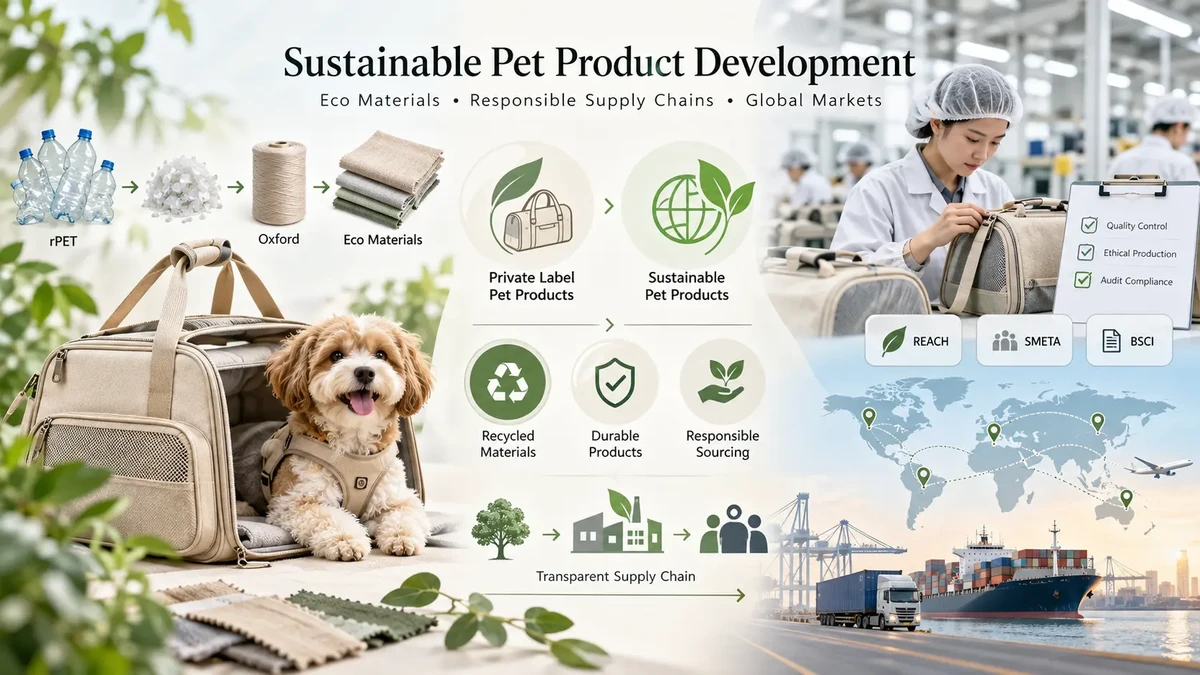
Eco-Friendly Pet Product Development: Material Durability
PawVerde.com – The global eco-friendly pet products market is undergoing a massive industrial shift, valued at $14.8 billion in 2025 and projected to surge to $34.6 billion by 2034. This growth is driven by a 9.9% CAGR and a massive demographic shift, with Millennials and Gen Z accounting for 65% of new pet adoptions globally.
Material Science and Failure Modes: Why Eco-Materials Struggle Under Pet Stress
Eco-friendly pet products often face premature failure due to unique biological stressors. Saliva acidity can accelerate the breakdown of bioplastics, while heavy mastication and claw scratching can compromise the structural integrity of natural fibers like hemp. Successful development requires rigorous chew-testing to ensure material durability matches traditional polymers.
The Saliva-Bioplastic Conflict
Developing hard plastics for pet toys requires more than just switching to bio-based resins. Manufacturers utilizing PCR Injection Molding for Hard Plastics must account for how recycled content reacts to the chemical environment of a pet’s mouth. A critical failure mode involves product integrity/safety when bioplastics degrade prematurely due to constant exposure to saliva.
While Novamont has demonstrated large-scale production of biodegradable polyesters, such as the 100,000 t per year output achieved after their 2018 project, these materials behave differently than traditional petroleum-based polymers. Developers must mitigate the following risks:
- Chemical degradation from enzymatic activity in saliva.
- Structural weakening during high-pressure mastication.
- Micro-cracking caused by repeated thermal shifts from mouth contact.
Structural Integrity in Natural Fibers
Natural fibers offer a sustainable alternative, yet they present unique engineering challenges. Hemp is frequently selected because it naturally repels insects and grows without pesticides. However, a 17 oz. hemp dog bed cover must be engineered to withstand claw scratching without shedding fibers. If the weave is too loose, the material fails; if too tight, it loses its breathable advantage.
The Regulatory Landscape: Moving Beyond Greenwashing to Legal Compliance
The era of slapping a generic green leaf sticker on a TPR dog chew and vaguely labeling it as an “eco-friendly pet toy” is officially dead. Regulators are increasingly targeting deceptive marketing that lacks scientific substantiation.
The EU’s proposed Green Claims Directive will require pre-substantiation of any sustainability claim made in consumer marketing. This shift moves the burden of proof from the consumer to the manufacturer. Industry analysts note that failing to provide verifiable data can lead to massive fines and market exclusion.
Importers must now verify third-party certifications such as GOTS, FSC, or B Corp to avoid legal repercussions. A brand describing itself as green without specific, verifiable certification counts as nothing in the eyes of modern regulators.
Manufacturing Realities: The 18% ‘Green Premium’ and Technical Hurdles
Transitioning to sustainable manufacturing involves significant technical and financial trade-offs. Adopting GRS-certified post-consumer recycled (PCR) materials typically increases unit costs by 12-18%. Furthermore, manufacturers must implement advanced moisture control, such as desiccant drying, to manage the unique flow dynamics and shrinkage rates of PCR resins.
The production of sustainable goods is rarely a direct swap of ingredients. It requires upgrading existing production lines to handle the nuances of recycled materials. For instance, utilizing desiccant drying is essential for managing the moisture sensitivity of RPET textiles and PCR resins during the extrusion process.
| Material Type | Manufacturing Predictability | Environmental Impact | Primary Challenge |
|---|---|---|---|
| Virgin Polymers | High | High Carbon Footprint | Resource Depletion |
| PCR Resins / RPET | Moderate | Reduced Footprint | Moisture & Shrinkage Control |
| Insect-based Proteins | Low | Minimal Land/Water Use | Scaling & Consumer Acceptance |
This comparison illustrates why the “green premium” exists. While virgin polymers offer high predictability in molding, the environmental cost is increasingly unacceptable to the 66% of UK dog and cat food buyers who prefer eco-friendly packaging.
Market Leaders and Emerging Challengers Shaping the $34B Horizon
The race to capture the projected $34.6 billion market by 2034 is being fought by established giants and agile new entrants. Large-scale players like Mars Petcare and Nestlé Purina PetCare are integrating sustainability into massive global supply chains. Meanwhile, brands like Planet Dog have expanded their commitments to include packaging neutrality and third-party supply chain audits as of 2025.
Challenger brands are finding success through niche specialization. Wild One and Earth Rated have built significant consumer loyalty by focusing on design-led sustainable goods. Other emerging entities, including Doggy Do Good, Natural Pet Innovations, and West Paw, are pushing the boundaries of what recycled materials can achieve in terms of both aesthetics and durability.
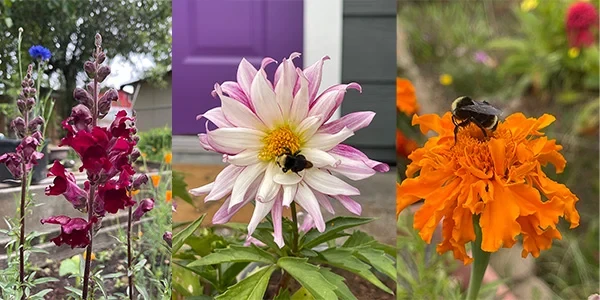
Best Native Plants for Pet-Safe Habitats in 2026
PawVerde.com – Creating a pet-safe native habitat requires balancing pollinator needs with pet toxicity. While native plants like Wild Geranium are safe, others like Milkweed or Sago Palms pose severe risks. The key is selecting non-toxic species, using durable planting techniques, and avoiding harmful pesticides and cocoa bean mulches.
Milkweed is poisonous to just about everything except monarch butterflies.
The Native Plant Risk Matrix: Beyond Simple Toxicity
A pet-safe native garden should be categorized by risk: ‘Safe to Ingest’ (e.g., Wild Geranium), ‘Safe to Brush Against’ (non-irritating textures), and ‘Dangerous Berries/Seeds’ (plants that are safe for pollinators but have toxic fruit). Always verify specific species via the ASPCA or National Wildlife Federation lists.
According to the American Animal Hospital Association (AAHA), even non-toxic plants can cause issues. Large amounts of plant material can cause stomach upset, vomiting, or diarrhea in dogs and cats.
The ‘Nuisance vs. Toxic’ Distinction
Not every plant that causes a stomach ache is a lethal toxin. For instance, the ASPCA notes that many non-toxic plants can still cause significant gastrointestinal distress if consumed in large quantities. Practitioners must distinguish between a plant that causes mild irritation and one that triggers systemic organ failure.
The Hidden Danger of Native Berries
Landscapers must account for the entire life cycle of a plant. A species may be safe while in its leafy, vegetative state, but develop toxic berries or seeds as the season progresses. Consult the National Audubon Society or the ASPCA to confirm safety across all growth stages.
Design for Durability: Building Dog-Centric Habitats
To improve plant survival in high-energy yards, select 1 size or larger container plants. Placing these in dense clusters improves durability and discourages dogs from trampling new growth.
Shortcut: To create a resilient landscape, use the “Cluster Method.” Grouping plants together creates a thicker barrier that is harder for a pet to walk through or dig under.
To protect plants in high-traffic areas, follow these structural principles:
- Use heavy, stable containers to prevent tipping during play.
- Prioritize plants with woody stems rather than soft, succulent stems.
- Create physical boundaries to separate high-traffic dog runs from delicate pollinator zones.
High-Risk Species to Avoid in Your Garden
Certain plants pose immediate threats to domestic animals. While they may support specific birds or insects, they can lead to fatal outcomes if ingested.
- Milkweed: While essential for monarch butterflies, the sap is toxic to animals, including pets and horses, if consumed in large quantities.
- Sago Palms: These can cause significant gastrointestinal distress and liver failure.
- Lilies: These can cause kidney failure in cats.
- Autumn Crocus: Ingestion can be very dangerous, with effects ranging from severe gastrointestinal distress to bone marrow suppression and multi-organ failure.
| Plant Category | Pollinator Benefit | Pet Safety Status | Primary Risk |
|---|---|---|---|
| Wild Geranium | High (Bees/Butterflies) | Safe | Minimal (Digestive upset if over-grazed) |
| Milkweed | Critical (Monarchs) | Toxic | Gastrointestinal/Systemic toxicity |
| Sago Palm | Low | Highly Toxic | Liver failure |
| Single-flower Blossoms | High (Hummingbirds) | Variable | Depends on specific species |
The risk of toxicity means a garden optimized for butterflies may require careful management to remain a safe zone for a curious dog.
Pollinator-Friendly vs. Pet-Safe: Finding the Balance
Prioritize single-flower blossoms to offer more nectar for hummingbirds. Use ‘Petscaping’ to create dedicated wildlife zones that are physically separated from high-traffic pet areas.
Effective petscaping involves creating specialized habitats. For example, CNPS San Diego advocates for designing outdoor spaces that support pets, people, and wildlife alike by creating safe spaces to explore and rest while providing food and shelter for wildlife.
When selecting plants for hummingbird attraction, aim for height. Plants that are two feet and taller provide ideal feeding locations. Additionally, single-flower blossoms are often more efficient for nectar extraction compared to complex, double-flowered varieties.
The Pesticide-Free Habitat Checklist
WDFW notes that even pesticides claiming to be “safe,” “natural” or “organic” are toxic to certain insects or in certain environments. Chemical residues can devastate the pollinators you aim to attract.
Maintain a safe ecosystem by avoiding these chemical groups:
- Neonicotinoids: This group includes Acetamiprid, Clothianidin, Dinotefuran, Imidacloprid, and Thiamethoxam.
- Pyrethroids: Often used in topical pet treatments, these can be devastating for pollinators.
- Metalaldehyde: A highly dangerous chemical used in snail and slug baits.
Instead of using harmful baits like metaldehyde, consider alternatives to maintain garden health without chemical risk.
Site Preparation and Soil Health
Successful establishment begins with assessing soil texture. Dig in and feel the grains between your fingers; sandy soils will feel gritty and fall through fingers, while clay soils feel smooth and sticky when wet.
To support biodiversity, leave small patches of unmowed areas. These provide necessary nesting sites and materials for bees and other ground-nesting insects.
FAQ
Is cocoa bean mulch safe for dogs?
No. Cocoa bean mulch contains theobromine, which is toxic to dogs. Because it smells like chocolate, dogs are often attracted to eat it, leading to potential sickness.
How can I tell if my soil is sandy or clay?
Dig in and feel the grains. Sandy soil feels gritty and falls through your fingers, while clay soil feels smooth and sticky when wet.
Are all native plants safe for pets?
No. While many are safe, species like Milkweed are toxic to animals, and Sago Palms can cause liver failure.
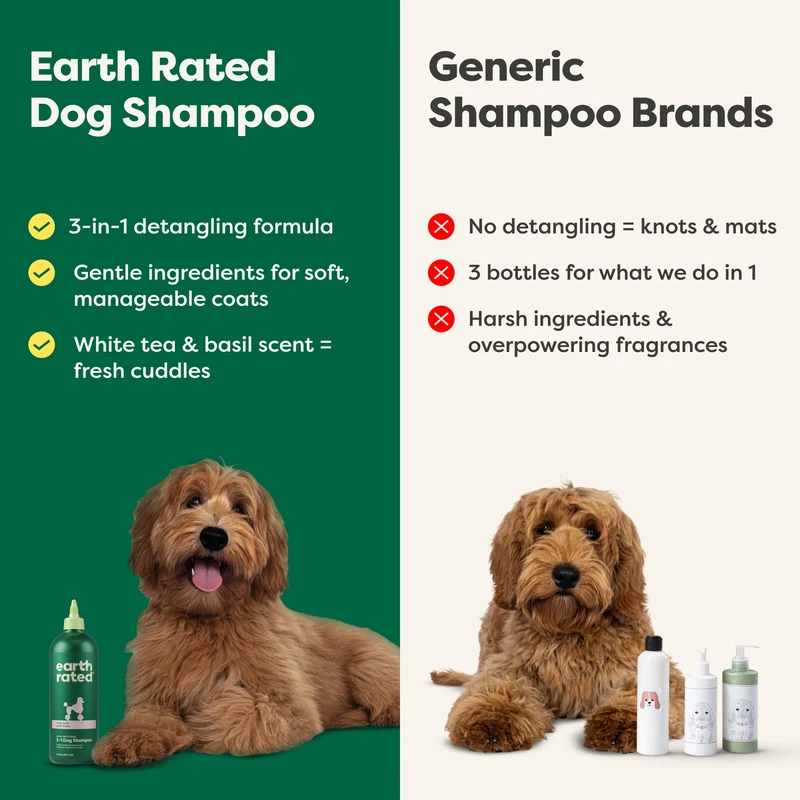
Best Eco-Friendly Conditioners for Curly Haired Dogs
PawVerde.com – To prevent mats and frizz in curly-haired dogs, the focus must shift from shampoo to a specialized leave-in conditioner. For many breeds, moisture retention is the primary challenge for maintaining coat resilience.
Curly hair naturally struggles to retain moisture because oils from the scalp don’t travel easily down tight coils. According to Kurlee Belle, this physiological limitation makes specialized conditioning essential for maintaining coat health.
Safety First: The ‘Natural’ Ingredient Trap for Dogs
Not all ‘natural’ ingredients are safe for dogs. Essential oils are highly concentrated plant substances that must be used with extreme care. Specifically, photosensitive oils applied to skin without dilution before UV exposure can cause severe burns, including second- or third-degree burns in pets.
The danger of photosensitive oils
The American College of Healthcare Sciences notes that
essential oils are highly concentrated plant substances and must be used with care.
This high concentration is precisely why they pose a risk to canine skin. If a pet owner applies a photosensitive oil to the skin—particularly without dilution—before sun or UV exposure, it can result in severe burns, including second- or third-degree burns.
This failure mode is a critical concern for owners seeking “all-natural” solutions. While the global aromatherapy market saw an 8% projected growth between 2017 and 2024, the concentration levels in these products require strict adherence to safety protocols. Practitioners emphasize the importance of understanding chemical properties and using proper dilution techniques to prevent skin integrity issues.
Why canine skin pH requires specific formulations
Canine skin requires specific formulations to maintain its natural barrier. Using products not designed for dogs can lead to irritation or dryness, particularly when managing highly textured curls.
Top Eco-Friendly Conditioners for Curly-Coated Breeds
Selecting a conditioner for curly breeds requires matching the product to the specific texture of the coat. The following brands have been identified for their specialized approaches to curl maintenance.
- CurlyWags: The Specialist for Wavy Coats
Launched on 2025-03-13 in Manhattan, N.Y., this brand offers products specifically tailored to the unique needs of dogs with wavy coats. Their formulations are developed with veterinarians and cosmetic scientists to ensure safety for delicate textures. - Botany & Cosmetics: 100% Natural Moisture
This brand provides 100% natural moisture solutions. Their product lines focus on providing soft, defined curls through high-quality, natural ingredients. - Kurlee Belle: Solving Dryness in Type 3 & 4 Curls
This brand specializes in addressing the intense dryness often found in highly textured curls. Their research focuses specifically on the needs of Type 3 and Type 4 hair patterns. - I.C.O.N. PRODUCTS: Defining Ringlets Without Crunch
Designed to enhance curl definition, this brand focuses on achieving smooth ringlets without the stiffness or “crunch” often associated with heavy styling products.
| Brand | Best For | Key Feature | Eco-Profile |
|---|---|---|---|
| CurlyWags | Wavy coats | Veterinarian developed | Natural ingredients |
| Botany & Cosmetics | Soft, defined curls | 100% natural | Natural focus |
| Kurlee Belle | Type 3 & 4 curls | Intense moisture | Specialized texture care |
| I.C.O.N. PRODUCTS | Ringlet definition | No-crunch finish | Definition focus |
The brands listed above target specific curl textures, ranging from wavy patterns to Type 3 and Type 4 coils.
Matching Product Weight to Your Dog’s Curl Pattern
According to Kurlee Belle, “If your curls still feel dry hours after washing, you’re probably using the wrong leave-in.” Texture plays a massive role in how much moisture a dog’s coat can actually hold.
Lightweight milks for fine curls
For dogs with fine, looser waves, heavy creams can weigh the coat down. Lightweight milks provide enough moisture to prevent frizz without compromising the natural volume of the curl.
Heavy creams for dense, coily textures
Dense, coily textures—often categorized as Type 3 or Type 4—require more significant intervention. These dogs benefit from heavy creams that can penetrate tight coils and provide long-lasting hydration to prevent the breakage associated with extreme dryness.
Matting Prevention Protocol: Application and Brushing
To prevent matting, products like CurlyWags must be applied strategically to reach the skin through thick, textured coats.
Step-by-step conditioning for thick coats
To maximize the effectiveness of products like CurlyWags, follow this protocol:
- Apply conditioner to damp, not soaking wet, hair.
- Work the product from the mid-lengths down to the ends.
- Use a wide-tooth comb or a specialized detangling brush to distribute the cream.
- Ensure the product reaches the base of the hair shaft to prevent matting near the skin.
When to brush vs. when to leave it alone
Brushing should be a part of the conditioning process, not a separate event. Attempting to brush dry, curly hair can lead to breakage and increased frizz. Instead, integrate brushing while the conditioner is still in the coat to ensure smooth, mat-free ringlets.
The Sustainability Audit: Avoiding Greenwashing
Consumers should evaluate the environmental impact of the product lifecycle to distinguish between genuine sustainability and marketing claims.
Evaluating packaging: Refillable vs. Recyclable
Environmental footprints are influenced by packaging materials. Prioritize brands that utilize refillable containers or post-consumer recycled (PCR) plastics rather than single-use options.
Sourcing and Fair Trade verification
Sustainability involves the ethics of ingredient sourcing. Look for brands that provide transparency regarding their supply chains and fair trade practices for natural oils and botanicals.
FAQ
Yes, but with extreme caution. They are highly concentrated and must be diluted. Avoid use before sun exposure to prevent photosensitivity-related burns on the pet’s skin.

Eco-Friendly Pet Travel: How to Reduce Your Pet’s Carbon Footprint
PawVerde.com – Eco-friendly pet travel is shifting from simple biodegradable waste bags to a holistic ‘zero-waste’ approach. This involves selecting low-carbon transportation like electric vehicles or trains, utilizing circular gear such as recycled-material carriers, and vetting accommodations to ensure they meet genuine sustainability standards rather than mere greenwashing.
The shift toward sustainable pet travel now includes technical considerations like ‘Dog Mode’ in EVs and carbon footprint calculations for professional relocation services.
The Green Travel Audit: Scoring Your Pet’s Carbon Footprint
A Green Travel Audit evaluates your pet’s trip across three pillars: transportation (CO2 impact), gear (durability and material origin), and waste (biodegradability). Use this to score your setup against sustainability benchmarks, focusing on minimizing ‘food miles’ and selecting circular, long-lasting equipment over disposable plastic alternatives.
Conducting a formal audit requires analyzing the specific logistics of a journey to identify hidden environmental costs. Travelers often overlook the impact of pet-specific logistics, such as the carbon footprint of specialized pet transport services or the cumulative emissions from high-frequency, short-distance pet food deliveries during long trips.
Calculating Food Miles
Logistics play a critical role in the environmental impact of pet nutrition. To minimize the footprint of a trip, owners must consider the carbon footprint of pet food logistics. Choosing brands that minimize ‘food miles’—the distance food travels from source to consumer—is a primary strategy for reducing travel-related emissions. A common failure mode occurs when travelers rely on heavy, multi-ingredient canned foods shipped across continents, which significantly increases the weight of the cargo and the associated transport emissions.
Transportation CO2 Benchmarks
A thorough audit must account for the direct carbon footprint calculation for pet transport services. When evaluating a trip, travelers should prioritize the following metrics:
- Weight-to-Emission Ratio: Assessing how the additional weight of pet carriers and supplies affects vehicle efficiency.
- Logistical Frequency: The number of individual shipments required for pet supplies during a journey.
- Route Optimization: Selecting paths that allow for continuous movement rather than frequent, high-emission stops.
Counterintuitively, even “eco-friendly” pet food can have a massive footprint if the supply chain relies on air freight rather than ground transport. A failure to audit these logistics can result in a travel plan that is carbon-intensive despite the use of electric vehicles.
How to spot greenwashing in pet gear and carriers
Identifying genuine sustainability in pet products requires looking past marketing terminology and verifying third-party certifications. A primary tool for travelers is to use detection methods for pet gear, which involves checking for specific industry standards such as recycled content certifications on carrier fabrics and toy components.
Many products claim to be “natural” or “eco-friendly” without providing verifiable data. To avoid these pitfalls, focus on the following criteria:
- Certification Verification: Look for the GRS label to ensure recycled content is actually present in the textile.
- Material Composition: Verify if “biodegradable” plastics are truly compostable in home environments or only in industrial facilities.
- Durability Metrics: Prioritize gear that resists the “buy-break-toss” cycle. A carrier that lasts 5 years is more sustainable than a “recycled” carrier that fails in 6 months.
A common failure mode in pet gear selection is purchasing “eco” toys made of synthetic blends that are impossible to recycle. Instead, seek out mono-materials like natural rubber or hemp. True sustainability is measured by the product’s lifecycle, not just its initial material origin.
Comparing transportation modes: The carbon cost matrix
Choosing the right transport is critical: Electric Vehicles (EVs) with ‘Dog Mode’ offer low-emission local travel, while trains provide a significantly lower CO2 impact per mile than planes. For urban travel, micro-mobility like pet-friendly e-bikes is the most sustainable option for short distances.
| Travel Mode | Carbon Impact | Pet Comfort Level | Sustainability Key |
|---|---|---|---|
| Electric Vehicle (EV) | Low | High | ‘Dog Mode’ & Climate Control |
| Hybrid Vehicle | Medium | High | Internal Combustion dependency |
| Train | Low | Medium | High capacity/Low CO2 per mile |
| Plane | High | Low | Significant emissions per pet |
| E-Bike/Micro-mobility | Very Low | Low/Medium | Ideal for urban short distances |
The selection of a vehicle involves balancing environmental impact with technical functionality. For example, specific Electric Vehicle (EV) models are increasingly incorporating technical pet features like ‘Dog Mode’ and remote climate pre-conditioning. This allows owners to maintain a safe temperature inside the cabin via a smartphone app while the vehicle is parked, preventing heatstroke without idling a combustion engine.
For urban environments, micro-mobility options such as pet-friendly e-bikes or electric scooters offer the lowest carbon cost for short-distance transit. While these modes may offer lower comfort levels for larger animals, they represent the pinnacle of sustainable urban pet travel.
The Zero-Waste Pet Travel Kit Blueprint
A zero-waste itinerary relies on a transition from disposable convenience to durable, circular equipment. The following blueprint categorizes items to ensure all gear aligns with sustainability principles.
Essential Gear
- Reusable Travel Bowls: Opt for food-grade silicone or stainless steel to replace single-use plastic bowls.
- Sustainable Food Storage: Use reusable, airtight containers instead of transporting multiple plastic bags.
- Biodegradable Waste Bags: Ensure bags are certified compostable to prevent long-term landfill accumulation.
Comfort & Play
- eco-friendly pet toys: Select items made from natural rubber, hemp, or high-quality wood.
- Circular Bedding: Use removable, washable covers made from organic cotton or recycled fibers.
Emergency & Hygiene
- Sustainable Grooming: Carry biodegradable grooming wipes to manage messes without chemical runoff.
- Compostable Hygiene: For cat owners, utilize sustainable litter alternatives such as wheat, corn, or coconut husk.
One counterintuitive aspect of the zero-waste kit is that “natural” materials like hemp or wood can sometimes require more maintenance than synthetics. However, the trade-off in reduced microplastic shedding makes them a superior choice for the environmentally conscious traveler.
Managing hygiene and waste in eco-lodges
Managing the “messy” side of travel requires proactive steps to ensure that pet presence does not degrade the local ecosystem of an eco-lodge or rental. This involves using biodegradable grooming wipes and specialized cleaning methods to prevent chemical contamination of the environment.
When traveling to eco-lodges, travelers must handle pet hygiene with precision to avoid leaving a footprint. A common pitfall is using standard household cleaners to remove pet stains, which often contain harsh, non-biodegradable chemicals that can leach into local water systems.
Warning: Avoid using ammonia-based or bleach-based cleaners in eco-sensitive areas. These substances can disrupt local soil microbiomes and aquatic life.
To manage hygiene sustainably, implement the following protocols:
- On-the-go Cleaning: Use plant-based, enzyme-driven cleaners for spills and accidents.
- Waste Management: Follow local guidelines for pet waste disposal; in many eco-lodges, certain biodegradable waste must be placed in specific composting bins rather than standard trash.
- Litter Alternatives: If traveling with cats, use wheat or coconut husk litters, which are easier to compost than traditional clay-based litters.
Effective hygiene management ensures that the traveler remains a guest rather than an environmental burden.
FAQ
How can I verify if a pet-friendly hotel is actually eco-friendly?
Use a sustainable accommodation vetting checklist to look beyond ‘green’ labels. Check for specific amenities like biodegradable cleaning supplies and verify their waste management policies regarding pet waste to ensure they align with genuine sustainability standards.
What are the best biodegradable alternatives for a pet first aid kit?
Look for bamboo-based bandages, compostable antiseptic wipes, and non-toxic, plant-based ointments to ensure your emergency kit aligns with zero-waste principles and avoids introducing synthetic chemicals into the environment during an emergency.
Is it better to use reusable or biodegradable waste bags?
While biodegradable bags are a step up from plastic, reusable silicone or hemp-based waste systems are superior for a truly zero-waste itinerary, provided they are cleaned properly and used to collect waste for appropriate disposal.
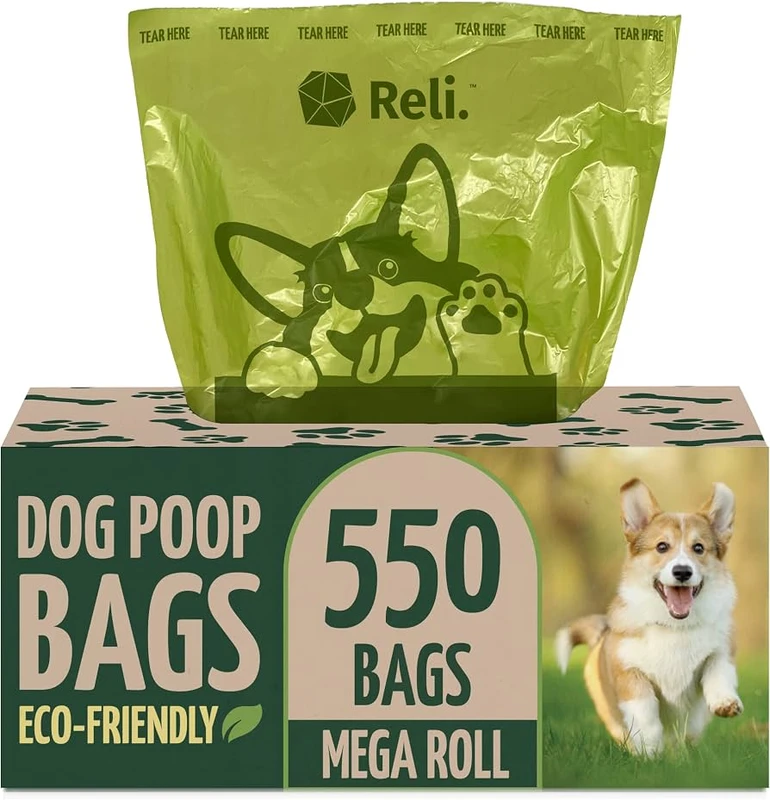
Eco-Friendly Pet Waste Bags: Which Type is Best for You?
PawVerde.com – Eco-friendly pet waste bags come in three primary forms: compostable bags (which break down in specialized facilities or home bins), landfill-friendly bags (engineered to decompose faster in trash environments), and recycled plastic bags (which reduce petroleum use). Choosing the right one depends on your local disposal infrastructure and living situation.
Dog owners worldwide use over 415 billion poop bags annually, contributing nearly a million tons of single-use plastic to the environment. This massive volume of waste necessitates a shift toward materials that do not persist in ecosystems for centuries.
The Disposal Decision Matrix: Choosing a Bag for Your Living Situation
Select your bag based on your disposal access: If you have a backyard and a dedicated pet waste digester, choose ‘Home Compostable’ bags. If you live in an apartment with only trash access, ‘Landfill-Friendly’ or ‘Recycled Plastic’ bags are better. If you have access to municipal green bins, use ‘Certified Compostable’ bags.
A common failure mode in eco-conscious pet ownership occurs when users purchase certified compostable bags but dispose of them in standard trash bins. Because compostable polymers do not break down as effectively without the commercial composting processes, these bags often end up sitting in landfills for years, negating their environmental purpose.
The Apartment Dweller’s Strategy
For those in high-rise buildings or urban centers, access to specialized composting is rare. In these environments, recycled plastic bags or “Landfill-Friendly” options are the most pragmatic choice. Using a bag with 50% post-consumer recycled plastic content reduces the demand for new petroleum-based plastics without requiring a specialized disposal infrastructure that likely does not exist in your building’s waste management system.
The Suburban Homeowner’s Strategy
Suburban living often provides the luxury of a backyard. If you manage a private compost pile, you must ensure your bags are specifically rated for home use. However, many homeowners mistakenly assume any “green” bag works in a backyard bin. Without specific certifications, these bags may fail to break down in the lower-heat environment of a standard garden pile.
The Rural/Composter’s Strategy
Rural residents with access to municipal green bins or large-scale composting facilities can utilize “Certified Compostable” bags. These are designed to thrive in high-heat, high-moisture industrial environments. This strategy maximizes the reduction of microplastic pollution by ensuring the material enters a closed-loop biological cycle.
| Bag Type | Best Disposal Method | Decomposition Speed | Ideal User |
|---|---|---|---|
| Compostable | Municipal Green Bin / Home Bin | Rapid (90 days in industrial) | Suburban/Rural with compost access |
| Landfill-Friendly | Standard Trash Bin | Accelerated (approx. 5 years) | Apartment dwellers |
| Recycled Plastic | Standard Trash Bin | Slow (decades) | Users with no composting options |
Effective waste management requires matching the bag to your local infrastructure. For example, using a compostable bag in a standard landfill prevents it from completing its 90-day industrial decomposition cycle.
Certification Decoder: BPI, OK Compost, and ASTM Standards
Look for BPI certification for commercial composting and TÜV Austria’s ‘OK Compost Home’ for backyard use. ASTM D6400 is the standard for industrial compostability, while ASTM 5511 relates to anaerobic digestion. Avoid vague ‘biodegradable’ labels that lack these specific third-party verifications.
To identify genuine environmental benefits, consumers must look beyond marketing. The term “biodegradable” is a broad term not tightly regulated, which can lead to confusion. Instead, prioritize verified identifiers like BPI or TÜV Austria.
- BPI (Biodegradable Products Institute): This certification ensures a product is suitable for industrial composting facilities.
- TÜV Austria ‘OK Compost Home’: This is the gold standard for bags that can safely break down in a backyard compost pile.
- ASTM 5511 Standards: These relate to how materials behave during anaerobic digestion, often verified by organizations like Intertek.
Even highly-rated products may lack certain formal stamps. For instance, JOLLYCHEF notes that “even though they don’t have ASTM D6400 certification, user reviews highlight their practicality and quality.” However, for those strictly adhering to zero-waste principles, the absence of BPI or TÜV Austria verification means the bag’s end-of-life behavior remains unproven.
How Different Eco-Friendly Materials Actually Break Down
Decomposition timelines vary wildly between materials. While traditional plastic bags can take up to 500 years to vanish, engineered alternatives aim to significantly shorten this window.
Commercial Composting: The 90-Day Cycle
In industrial composting facilities, heat and microbial activity are tightly controlled to accelerate breakdown. Under these optimized conditions, certified compostable bags can complete their decomposition cycle in approximately 90 days. This rapid turnaround is essential for managing the high volume of waste generated by pet owners.
Landfill-Friendly Tech: The 5-Year vs. 500-Year Difference
Landfill-friendly bags represent a middle ground. While they are still destined for a landfill, they utilize technologies like Plasgreen, which helps plastic decompose in landfills 300X faster than standard polyethylene. Instead of lingering for 500 years, these bags are engineered to break down in roughly 5 years. This significantly reduces the long-term accumulation of plastic in waste sites.
The Recycled Plastic Alternative
Recycled plastic bags do not focus on rapid decomposition. Instead, their value lies in the reduction of virgin petroleum use. By utilizing post-consumer waste, these bags lower the overall carbon footprint and energy usage compared to producing new plastic from scratch. They remain in the environment for a long duration, but they prevent the extraction of new fossil fuels.
The Storage & Durability Guide: Preventing Premature Breakdown
Improper storage can compromise the integrity of eco-friendly supplies. Compostable bags may decompose prematurely when exposed to heat or moisture during storage.
Warning: Compostable bags may decompose prematurely in storage. When exposed to heat or moisture during storage, the structural integrity of the polymer can fail, leading to leaks or tears during use.
To prevent this, avoid storing rolls in damp leash dispensers or in hot vehicles during summer months. If you live in a humid climate, keep your supply in a cool, dry indoor location. A bag that fails mid-walk is not only a nuisance but also a failure of the product’s primary function.
Top Eco-Friendly Bag Brands for 2025
Match your disposal method to specific brand strengths. Leading options for 2025 include Unni Pet Waste Bags, Earth Rated, Greener Walker, Zola Zola, and Moonygreen.
| Brand | Primary Type | Key Feature |
|---|---|---|
| Unni Pet Waste Bags | Compostable | High-quality compostable material |
| Earth Rated | Compostable | Widely available eco-options |
| Greener Walker | Eco-friendly | Sustainable design focus |
| Zola Zola | Compostable | Specialized compostable polymers |
| Moonygreen | Compostable | 9″ x 13″ large size options |
Premium Compostable Options
For owners with access to composting, brands like Unni pet waste bags and Zola Zola offer specialized polymers designed for breakdown. Moonygreen provides a specific advantage for larger dogs, offering bags in a 9″ x 13″ dimension to ensure full coverage and prevent leaks.
Specialized Landfill-Friendly Brands
If your only option is the trash, Doggy Do Good provides a specialized solution. Their Landfill-Friendly bags contain 15% bio-based starches and 50% post-consumer recycled plastic, specifically engineered to handle the anaerobic environment of a landfill more effectively than standard bags.
Safety First: The Truth About Composting Dog Waste
Managing the contents of the bag is as important as the bag itself. While the materials are eco-friendly, the biological nature of dog waste requires specific handling protocols.
Warning: Dog waste is NOT safe for compost used for consumable vegetation. The potential presence of E. coli and salmonella makes it hazardous to use in gardens where food is grown.
The short answer is yes, dog waste is compostable, but there are necessary precautions you must take first to make sure you’re composting the waste properly. According to the EPA, dog waste is a safe soil additive for revegetation and landscaping when it is composted properly. This means you can use the resulting compost for flower beds, lawns, or non-food ornamental plants, but you must avoid using it on vegetables or fruits.
FAQ
Can I put dog poop bags in my home compost bin?
Only if they are specifically certified ‘Home Compostable’ by bodies like TÜV Austria. Standard commercial compostable bags require high-heat industrial facilities to break down effectively and will not disappear in a backyard bin.
Is ‘biodegradable’ the same as ‘compostable’?
No. ‘Biodegradable’ is a broad, unregulated term that can apply to many products. ‘Compostable’ is a much stricter standard, meaning the bag will break down into non-toxic components within a specific timeframe under certain conditions.
Why shouldn’t I use dog waste compost in my vegetable garden?
Dog waste can contain pathogens like E. coli and salmonella, making it unsafe for consumable vegetation. It is better suited for landscaping or non-food plants to avoid the risk of contaminating your food supply.
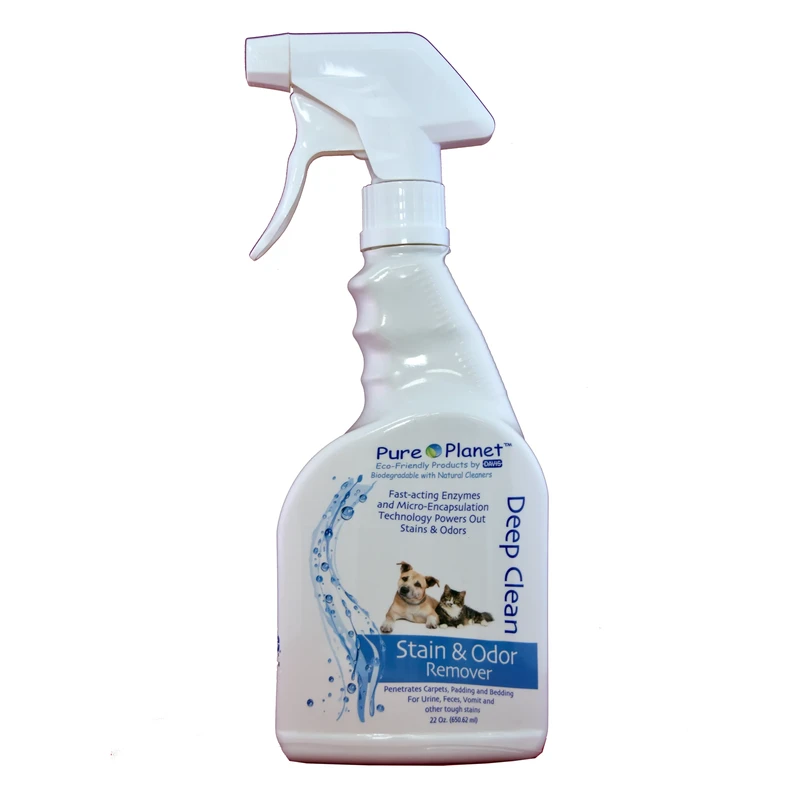
How to Choose Safe Eco-Friendly Pet Cleaning Products
PawVerde.com – Choosing eco-friendly pet cleaning products requires looking beyond ‘natural’ labels to identify true non-toxic solutions. The most effective brands use enzymatic technology to break down biological waste or plant-based surfactants that avoid common irritants like ammonia, bleach, and synthetic fragrances, ensuring safety for your pet’s skin and respiratory system.
With 85 million households owning at least one pet, the demand for sustainable home solutions has reached a critical point, with 92% of homeowners now seeking eco-friendly options.
The Greenwashing Audit: How to Spot Fake ‘Pet-Safe’ Labels
To identify greenwashing, ignore vague terms like ‘natural’ or ‘eco-friendly’ and instead look for third-party certifications like Ecogea or EPA Safer Choice. Always check for a full INCI ingredient list; if a brand uses the term ‘fragrance’ without disclosing specific components, it may hide undisclosed irritants or allergens.
Greenwashing is prevalent in the pet care industry, according to Doglyness. Until more strict regulations are in place, manufacturers may use marketing buzzwords to create an illusion of safety without undergoing rigorous third-party verification.
The ‘Fragrance’ Trap
A common failure mode in pet product labeling occurs when companies use the term “fragrance” to mask a complex mixture of synthetic chemicals. Gryme notes that “If it’s not safe and transparent, it’s not going in our products — period.” This lack of transparency can lead to skin irritation or respiratory distress in sensitive animals. Practitioners recommend looking for specific botanical identifiers rather than generic scent descriptors.
The Plastic Packaging Paradox
Sustainability extends beyond the liquid inside the bottle. Doglyness highlights a significant environmental concern: plastic packaging with any form of residue is not recyclable. Even if a brand claims its formula is organic, a product packaged in non-recyclable plastic with residue fails the true eco-friendly test. This creates a paradox where the “green” liquid contributes to long-term waste accumulation.
The Essential Oil Paradox: Scents that Can Harm Your Pet
While many pet owners associate essential oils with “natural” cleanliness, these botanical extracts can be problematic. ECOS notes that traditional cleaning products often contain synthetic fragrances that can cause skin irritation, respiratory issues, and even impact water quality.
Why ‘Natural’ Scent Isn’t Always Safe
Exposure to essential oils or undisclosed fragrance blends can cause allergic reactions in pets, as documented by Gryme. A scent that smells pleasant to a human can be overwhelming or even toxic to a dog or cat due to their heightened olfactory sensitivity. This is a counterintuitive reality for many; a “natural” lavender or citrus scent is not inherently safer than a synthetic one if the concentration is poorly managed.
Identifying High-Risk Botanical Extracts
Not all plant-based scents are created equal. While Mrs. Meyer’s Clean Day is recognized as an earth-friendly brand that does not test on animals, consumers must still remain vigilant regarding specific botanical ingredients. The goal is to find products that utilize mild surfactants and avoid the heavy use of essential oils that might trigger a reaction during or after the cleaning process.
Enzymatic vs. Plant-Based: Solving the Odor Problem
enzymatic cleaners use live enzyme cultures to biologically break down organic compounds in pet urine and feces, whereas plant-based surfactants typically clean surfaces without eliminating the underlying odor source. For heavy biological accidents, enzymatic solutions are significantly more effective than conventional or simple plant-based cleaners.
The distinction between these two methods is critical for long-term home maintenance. Green Planet Cleaning reports that live enzyme cultures genuinely break down organic compounds rather than masking odors. This biological breakdown is particularly noticeable on pet urine, where conventional cleaners often fail to eliminate the scent entirely, leading to repeat accidents in the same location.
How Enzymes Target Biological Waste
When a pet has an accident, the odor is caused by organic matter trapped in fibers or porous surfaces. Enzymatic cleaners, such as those produced by Rocco & Roxie Supply Co., work by:
- Targeting specific protein structures in urine and feces.
- Using live cultures to digest the source of the smell.
- Preventing the “scent ghost” that attracts pets back to the same spot.
Nature’s Miracle (Spectrum Brands) also focuses heavily on these specialized pet stain and odor removers to address these specific biological challenges.
When to Use Surface-Specific Cleaners
While enzymes are superior for biological waste, they may not be the first choice for all scenarios. For general dusting or non-biological grime, simple plant-based surfactants are often sufficient and less intensive.
Market Leaders and Specialist Brands
The pet-safe cleaning market is diverse, ranging from massive household names to highly specialized grooming brands.
| Brand | Primary Focus | Key Differentiation | Market Position |
|---|---|---|---|
| The Honest Company, Inc. | Home & Pet Cleaning | Natural, fragrance-free options | 18-22% Market Share |
| Seventh Generation, Inc. | Eco-conscious Home Care | Plant-based, pet-friendly formulas | 14-18% Market Share |
| Puracy | Biodegradable Solutions | Naturally derived specialists | 12-16% Market Share |
| ECOS | Non-toxic/Vegan Cleaning | Vegan-certified, non-toxic | 10-14% Market Share |
| Nature’s Miracle | Stain & Odor Removal | Enzymatic specialization | 8-12% Market Share |
The market is segmented by both specialization and scale.
The Big Players: Market Share Breakdown
The Honest Company, Inc. leads the pet-safe cleaners market, providing a wide array of natural and chemical-free products. Following closely are Seventh Generation, Inc. and Puracy, both of which offer robust, plant-based alternatives for general household maintenance. ECOS (Earth Friendly Products) maintains a strong presence with its vegan-certified, non-toxic line, driven by a mission to “Protect the health and wellness of people, pets, and the planet by creating the most authentic, sustainable and affordable eco-conscious cleaning products for all…”
Niche Specialists: Grooming vs. Home Cleaning
For tasks that go beyond floor and upholstery cleaning, specialized brands are required. Earthbath focuses on cleaning the pets themselves and their specific items. In the premium segment, the Italian brand Yuup! specializes in human-grade pet grooming solutions. This distinction is vital: a cleaner safe for a hardwood floor may not be suitable for a pet’s coat.
The Safety Protocol: Drying Times and Application
Applying a green cleaner is only the first step; the way it is applied and the time allowed for it to settle determines the actual safety level for your pet.
Green Planet Cleaning utilizes a 24-hour timeframe for their Greentified™ re-clean guarantee, emphasizing the importance of thoroughness in the cleaning process.
The ‘Drying Time’ Rule for Paw Safety
A common mistake is allowing pets to walk on freshly cleaned surfaces before they are completely dry. To maintain a safe environment, follow these protocols:
- Always allow surfaces to air-dry completely before permitting pet access.
- For high-traffic areas, use a microfiber cloth to remove excess moisture.
- Avoid using “quick-dry” synthetic sprays that may leave behind a tacky, irritating film.
This prevents pets from licking cleaning agents off their paws, which is a primary route of ingestion.
Safe Sanitization with HOCl
When disinfection is necessary, Hypochlorous Acid (HOCl) serves as an excellent alternative to harsh chemicals. Maids of Movher identifies HOCl as a safe, non-corrosive sanitizer that is completely gentle on sensitive skin and paws. Unlike traditional bleach, which can cause respiratory and skin issues, HOCl provides effective sanitization without the toxic footprint. For everyday hygiene, such as cleaning pet dishes, Mrs. Meyer’s Clean Day offers products that are 100% pet-safe.
FAQ
Is ‘natural’ scent always safe for dogs and cats?
Not necessarily. Many natural scents come from essential oils that can cause respiratory irritation or allergic reactions in pets. Always check for full ingredient lists to ensure no toxic botanical extracts are present in the product you choose.
How do enzymatic cleaners differ from regular cleaners?
Regular cleaners often mask odors with fragrances, while enzymatic cleaners use live cultures to break down the organic compounds in urine and feces, eliminating the smell at the source rather than just covering it up.
Can I use dish soap to clean pet bowls safely?
Yes, provided the soap is non-toxic and free from harsh chemicals like ammonia or synthetic fragrances. Brands like Mrs. Meyer’s offer pet-safe options for dish cleaning that are gentle enough for food-contact surfaces.
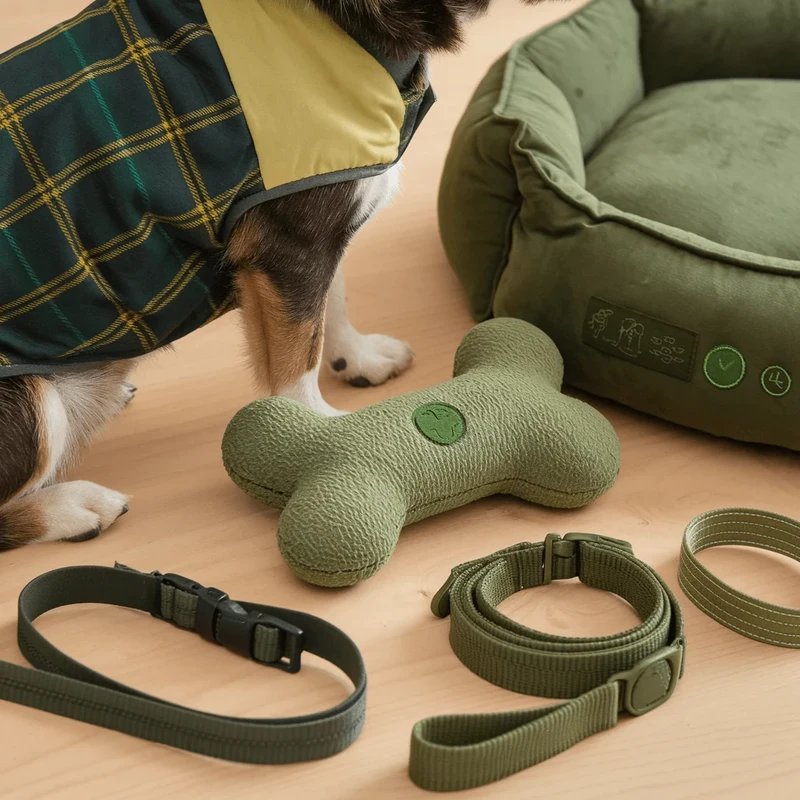
Eco-Friendly Pet Products for Dogs: A Sustainable Guide
PawVerde.com – Eco-friendly pet products are items designed to minimize environmental impact through sustainable materials like hemp, bamboo, and natural rubber, while ensuring non-toxic safety for your dog. True sustainability means choosing products that improve your pet’s life without making the planet’s future worse. The global market for sustainable pet products has reached an estimated $35 billion.
How to Spot Greenwashing in Pet Marketing
To detect greenwashing, look beyond ‘earth-inspired’ marketing. Verify claims by checking for specific certifications like GOTS for textiles, FSC for wood, or TÜV OK Compost for waste bags. Avoid products that use recyclable packaging to mask poor materials, short lifespans, or unethical production methods.
A common failure mode in pet shopping is the confusion between bio-based and truly compostable materials. Bio-based plastics can be non-compostable, such as bio-PET (polyethylene terephthalate), which is derived from biological sources but behaves like traditional plastic in the environment. In contrast, materials like PLA (polylactic acid) and PHA (polyhydroxyalkanoates) are designed to be compostable. Relying on the term “bio-based” without verifying the specific polymer type can lead to accidental plastic accumulation.
The Lifecycle Comparison: Standard Plastic vs. Sustainable Materials
The environmental footprint of pet ownership is heavily influenced by the sheer volume of single-use items. In the United States alone, an estimated 5 billion plastic dog waste bags are used annually. These traditional plastics can leach toxins into the soil and are notorious for their longevity, often sticking around for centuries in landfills.
Sustainable alternatives, such as those produced by Hevea, offer a different trajectory. Hevea products are 100% biodegradable, meaning they return to the earth rather than persisting as microplastics. The difference begins at the extraction phase and ends with the biological breakdown of the material.
| Material | Sustainability Benefit | Durability Score | End-of-Life |
|---|---|---|---|
| Hemp | Low water usage; renewable | High | Biodegradable |
| Cotton (Organic) | Reduced chemical pesticides | Medium | Biodegradable |
| Natural Rubber | Non-toxic; renewable source | Very High | Biodegradable |
| Bamboo | Rapidly renewable; lightweight | Medium | Compostable |
| Stainless Steel | Zero leaching; extremely long-lived | Extreme | Infinitely Recyclable |
Material selection dictates whether waste is avoided through longevity or managed through biological breakdown. For example, stainless steel offers extreme durability to prevent waste, while hemp and natural rubber are designed to return to the earth.
Top Sustainable Materials for Dog Gear
Selecting materials like natural rubber for toys, hemp for textiles, or stainless steel for feeding stations helps reduce a pet’s chemical load. These options aim to minimize long-term environmental waste.
“These things are nearly indestructible… These immediately became my dogs favorite and after several months the pups remain as happy and interested as when the toys first came out of the…” Such durability is essential to prevent the waste generated by broken, cheap plastic toys.
Stainless steel is a highly sustainable choice for feeding stations because it does not leach chemicals and can last for years. This durability effectively removes the item from the waste stream for a long duration.
The Reality of Compostable Poo Bags
The effectiveness of “green” waste management depends heavily on disposal methods. Many products marketed as eco-friendly fail to meet their potential if they are not processed correctly.
Warning: Research indicates that compostable poo bags must reach the correct environment to be effective. If these bags end up in a standard landfill, they may not break down as intended.
The Landfill Problem: Why ‘compostable’ isn’t enough
A significant gap exists between product design and consumer behavior. Research indicates that only 5% of dog owners compost their compostable poo bags at home. Furthermore, it is estimated that only 3% of compostable plastic is actually fully composted. When these bags are sent to a landfill, the lack of oxygen prevents the biological breakdown required for them to be truly sustainable.
Industrial vs. Home Composting
Many bags require the high-heat conditions of an industrial composting facility to degrade. Without access to these facilities, a “compostable” bag functions similarly to a traditional plastic bag in a landfill setting. Owners should check for specific certifications, such as those distinguishing between “Home Compostable” and “Industrial Compostable,” to ensure the product matches their local waste management capabilities.
Budget-Friendly Eco-Swaps and DIY Solutions
sustainable pet care can be achieved through mindful habits. Many owners find success by prioritizing durability and reducing the frequency of new purchases.
- Walk Smart: Carry a reusable water bottle and use biodegradable waste bags to reduce single-use plastic waste during daily outings.
- Prioritize Durability: Choose high-quality gear over “fast-fashion” pet accessories. Investing in one durable item is more cost-effective and sustainable than buying multiple cheap replacements.
- Upcycle and Reuse: Instead of discarding old items, find ways to repurpose them.
Upcycling: Turning old T-shirts into tug toys
One of the simplest DIY solutions is upcycling old cotton clothing. Strips of durable T-shirt fabric can be braided tightly to create effective tug toys for dogs. This method diverts textile waste from landfills and provides a zero-cost toy for your pet.
The Cost-Per-Use Advantage: Investing in durability
While some eco-friendly products have a higher initial price, long-lasting gear reduces the need for frequent replacements. For example, investing in a durable toy can be more economical over the pet’s lifetime than repeatedly buying low-quality alternatives.
FAQ
Are compostable poo bags actually better for the environment?
Only if they are sent to an industrial composting facility. If they end up in a landfill, they may not break down as intended and can still contribute to environmental issues, effectively negating their intended benefits.
Is ‘BPA-free’ the same as eco-friendly?
No. While BPA-free means the product lacks a specific harmful chemical, it does not guarantee the material is sustainable or biodegradable. Always check the base material, such as comparing bamboo to traditional plastic, to understand the full environmental impact.
How can I tell if a pet brand is truly sustainable?
Look for specific certifications like GOTS, FSC, or B-Corp. Additionally, check if the brand offers recycling programs for old products, such as the recycling initiative offered by West Paw, to ensure a circular product lifecycle.