

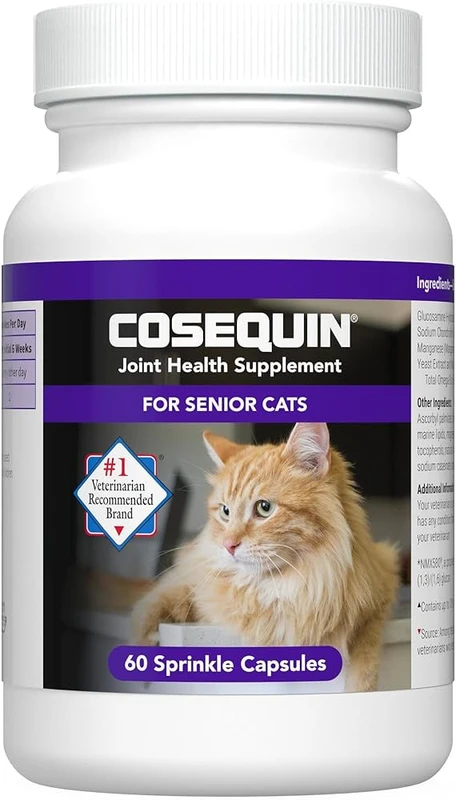
PawVerde.com – Joint health is a critical concern for aging cats, with osteoarthritis affecting a significant proportion of senior felines. Research indicates that up to 90% of cats over 12 years of age exhibit some degree of joint degeneration, leading to pain, reduced mobility, and diminished quality of life. Given the progressive nature of cartilage deterioration and inflammation, early intervention through targeted supplementation has become a cornerstone in managing feline osteoarthritis. Joint supplements combining glucosamine, chondroitin, and omega-3 fatty acids are widely recognized for their roles in supporting cartilage repair and reducing inflammation. High-quality products such as Cosequin and Summit Animal Health’s liquid formulas, which carry the NASC (National Animal Supplement Council) seal, offer clinically supported options that meet veterinary standards.
Key Ingredients in Effective Joint Supplements for Older Cats
Glucosamine and chondroitin sulfate are foundational components in feline joint supplements, primarily due to their roles in cartilage synthesis and maintenance. Glucosamine serves as a precursor for glycosaminoglycans, which are essential building blocks of cartilage matrix. Its supplementation helps counteract the natural decline in glucosamine production associated with aging. Chondroitin sulfate complements this by contributing to cartilage elasticity and inhibiting enzymatic breakdown of cartilage tissue. Clinical studies involving cats with osteoarthritis have demonstrated that glucosamine and chondroitin support improved joint function and decreased cartilage degradation markers.
Omega-3 fatty acids, notably eicosapentaenoic acid (EPA) and docosahexaenoic acid (DHA), provide potent anti-inflammatory effects crucial for managing joint inflammation. EPA, derived from fish oil, modulates pro-inflammatory cytokines and reduces leukotriene synthesis, alleviating pain and swelling in affected joints. Emerging research also highlights the benefits of eicosatetraenoic acid (ETA), a less common omega-3 found in green-lipped mussel extracts, which exhibits superior anti-inflammatory properties and may further protect joint cartilage. The green-lipped mussel combines natural sources of glucosamine, chondroitin, EPA, and ETA, making it a multifaceted ingredient for feline joint health.
Supporting nutrients such as vitamin E, zinc, and manganese contribute antioxidant protection and enzymatic cofactors that aid tissue repair. Vitamin E neutralizes oxidative stress in joint tissues, while zinc and manganese participate in collagen synthesis and cartilage matrix stabilization. Methylsulfonylmethane (MSM) and hyaluronic acid are additional adjuncts that improve joint lubrication and reduce pain, although their efficacy in cats requires further clinical validation.
Quality and Safety Considerations in Cat Joint Supplements
The credibility of joint supplements hinges on quality assurance and ingredient transparency. The NASC seal is a critical indicator of manufacturing standards, ingredient accuracy, and safety compliance. Products like Nutramax Laboratories’ Cosequin and Summit Animal Health’s supplements consistently meet NASC criteria and have been subjected to clinical trials demonstrating efficacy in feline populations. Clinical trials, often conducted in collaboration with veterinary hospitals, provide empirical data on dosage, bioavailability, and therapeutic outcomes, distinguishing evidence-based supplements from unregulated alternatives.
Avoiding artificial additives, unnecessary fillers, and allergens is paramount, especially in cats prone to sensitivities. Reputable brands emphasize hypoallergenic formulations and use natural flavorings to enhance palatability without compromising safety. Veterinary professionals recommend consulting before initiating any supplement regimen to tailor choices based on individual cat health profiles, concurrent medications, and specific arthritis severity.
Supplement Forms and Administration Strategies for Picky Cats
The bioavailability of joint supplements depends significantly on their delivery form. Capsules and tablets, while common, can pose challenges for cats that resist oral administration. Powdered supplements are often designed to be sprinkled over wet food, improving acceptance and absorption. Liquid formulations, such as those offered by Summit Animal Health, allow for precise dosing and can be easily mixed with food or administered via syringe, enhancing compliance in finicky cats.
Soft chews combine palatability with convenience but may not be suitable for all cats, particularly those with dental issues. Dosage guidelines vary by product but generally align with weight-based veterinary recommendations, typically requiring daily administration over several weeks to months before noticeable improvements occur. Veterinary guidance ensures that dosage adjustments accommodate the cat’s age, weight, and overall health, minimizing risks of overdose or adverse reactions.
Role of Diet and Holistic Management in Feline Joint Health
Dietary management complements supplementation by providing essential nutrients that promote joint health and overall wellness. Prescription diets such as Hill’s Prescription Diet j/d contain elevated levels of omega-3 fatty acids and controlled calorie content to support weight management, a key factor in reducing joint load and inflammation. Incorporating omega-3-rich fish oil supplements further enhances anti-inflammatory effects.
Physical activity tailored to the cat’s capabilities facilitates joint mobility and muscle strength, mitigating the progression of arthritis. Veterinary monitoring is essential to adjust management plans, including assessing pain levels and mobility changes, to optimize therapeutic interventions and maintain quality of life.
Limitations and Realistic Expectations of Joint Supplements
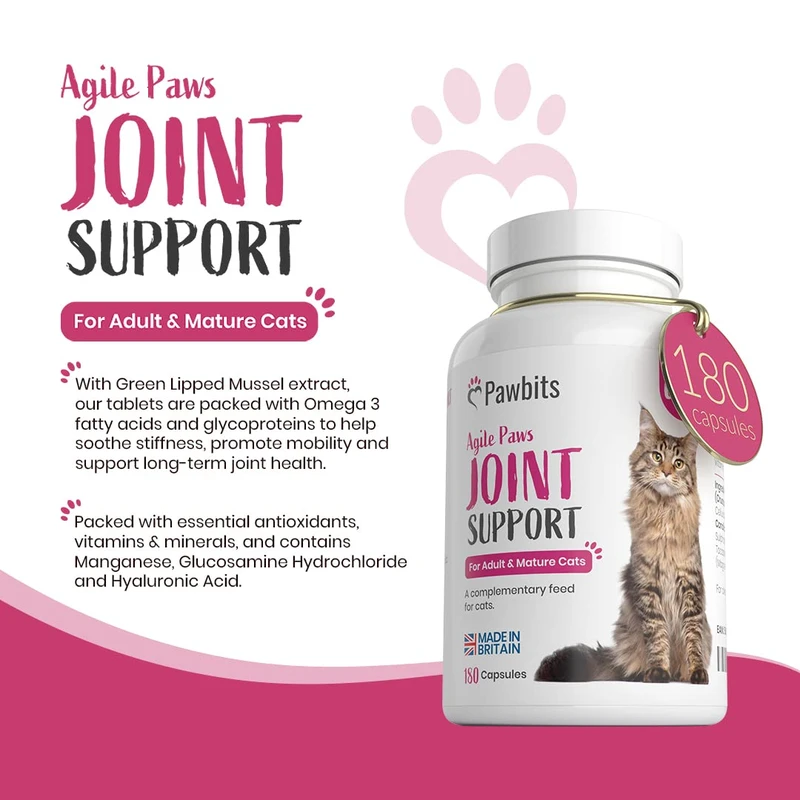
While joint supplements provide valuable support, their effects manifest gradually, often requiring several weeks to months of consistent use before improvements in mobility and pain reduction become evident. Supplements function as part of an integrated arthritis management plan that may include weight control, physical therapy, and, when necessary, pharmacological treatments prescribed by veterinarians.
It is important to recognize that supplements do not replace medications in cases of severe arthritis or acute flare-ups but serve as adjunctive therapies to enhance joint health and potentially delay disease progression. Continued research into novel ingredients like ETA and optimized delivery systems promises to improve future supplement efficacy.
Frequently Asked Questions
What is the best joint supplement for older cats?
The best joint supplement for older cats combines glucosamine, chondroitin, and omega-3 fatty acids, particularly EPA, to support cartilage repair and reduce inflammation. Products such as Cosequin sprinkle capsules and Summit Animal Health’s liquid formulas, which hold NASC certification and are backed by clinical research, are recommended alongside veterinary guidance.
How long does it take for joint supplements to work in cats?
Joint supplements typically require consistent administration for 6 to 12 weeks before noticeable improvements in joint comfort and mobility occur. This timeline varies based on the severity of arthritis, the cat’s metabolism, and supplement formulation.
Are natural ingredients like green-lipped mussel effective for cat joint health?
Yes, green-lipped mussel contains natural glucosamine, chondroitin, and unique omega-3 fatty acids such as ETA that provide anti-inflammatory benefits. Studies suggest it may enhance joint health and reduce inflammation, making it a valuable natural adjunct in feline joint supplements.
Can I give my cat human joint supplements?
Human joint supplements are not formulated for cats and may contain ingredients harmful to felines. Always use supplements specifically designed for cats and consult a veterinarian before introducing any new product.
What administration methods work best for picky cats?
Liquid supplements mixed with wet food, sprinkle powders, and soft chews flavored for cats are effective methods. Tailoring administration to the cat’s preferences improves compliance and ensures adequate dosing.
—
Advancements in supplement formulations and delivery methods are expanding options for managing osteoarthritis in senior cats. Continued collaboration between veterinary researchers and supplement manufacturers is essential to develop products with enhanced bioavailability and targeted therapeutic effects. For cat owners, integrating high-quality joint supplements with dietary management and veterinary oversight offers the most promising strategy to maintain mobility and comfort in aging feline companions.