

PawVerde.com – Fostering animals plays a critical role in animal welfare by providing temporary homes that help reduce shelter overcrowding and improve adoption outcomes. Effective support for foster animals hinges on comprehensive caregiver training, clear communication, access to medical and behavioral resources, and strategic collaboration between animal shelters, rescue organizations, and foster families. This tutorial offers detailed, step-by-step guidance to individuals and organizations seeking to optimize foster care practices, improve animal well-being, and enhance adoption success.
Understanding the responsibilities and best practices involved will empower foster caregivers to manage medical protocols, socialization, and behavioral challenges with confidence. Animal welfare groups such as the ASPCA, Best Friends Animal Society, Humane World, and local Animal Care Services (ACS) provide frameworks that this tutorial integrates, ensuring recommendations align with established standards.
1. Establishing a Strong Foster Program Foundation
To support foster animals effectively, organizations must create a robust program foundation that prepares caregivers for the multifaceted demands of fostering. The following steps outline essential components:
1.1 Comprehensive Training for Foster Caregivers
1.2 Creating Clear Foster Agreements and Care Handbooks
1.3 Setting Expectations and Policies
Thorough preparation at this stage reduces misunderstandings and improves caregiver retention, ultimately benefiting foster animals through consistent, reliable care.
2. Medical and Behavioral Care Protocols for Foster Animals
Foster animals require vigilant medical oversight and behavioral support to ensure healthy development and successful socialization.
2.1 Access to Veterinary Care and Medication Management
2.2 Intake Procedures and Illness Prevention
2.3 Behavioral Support Strategies
Balancing medical care with behavioral interventions ensures foster animals are physically healthy and emotionally prepared for adoption.
3. Communication and Ongoing Support for Foster Caregivers
Sustained communication fosters a supportive environment that enhances caregiver satisfaction and animal outcomes.
3.1 Regular Check-Ins and Personalized Updates
3.2 Engagement via Multiple Channels
3.3 Providing Emotional Support
Consistent communication builds trust, reduces caregiver burnout, and encourages long-term participation in foster programs.
4. Preparing the Foster Home Environment
A safe, comfortable environment tailored to the needs of foster animals is essential for their well-being and socialization.
4.1 Safety Measures and Quarantine
4.2 Creating a ‘Kitten/Puppy-Proofed’ Space
4.3 Socialization Practices
A well-prepared home environment accelerates behavioral development and eases the transition to permanent adoption.
5. Daily Care and Socialization Routines
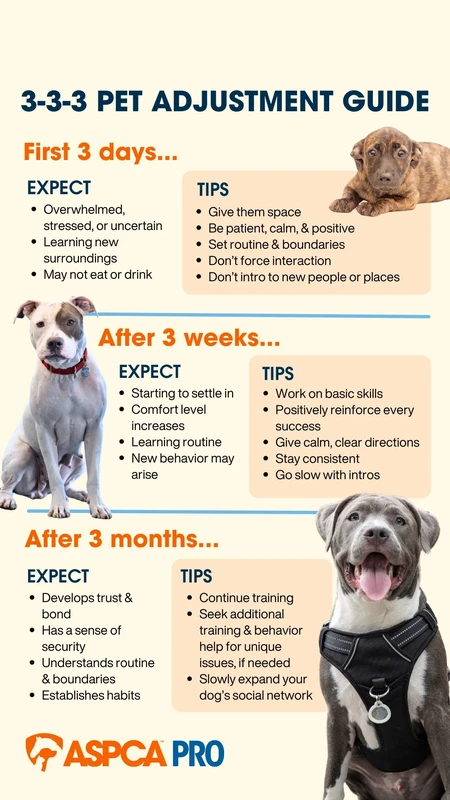
Consistent daily routines help foster animals thrive physically and emotionally during their stay.
5.1 Feeding and Activity Schedules
5.2 Health Monitoring
5.3 House Training and Behavioral Reinforcement
Structured care routines promote stability and prepare foster animals for successful integration into permanent homes.
6. Promoting Foster Animal Adoption
Foster families play a pivotal role in marketing animals for adoption by sharing insights and personalizing outreach efforts.
6.1 Collaboration with Foster Coordinators
6.2 Sharing Quality Photos and Stories
6.3 community engagement and Social Media Outreach
Effective promotion accelerates placement, reducing shelter stays and fostering positive adoption experiences.
7. Retaining and Valuing Foster Caregivers
Maintaining a motivated, committed foster base requires recognition and responsive program management.
7.1 Celebrating Successes
7.2 Soliciting and Acting on Feedback
7.3 Encouraging Breaks and Volunteer Rotation
Valuing foster caregivers enhances program sustainability and benefits animal welfare outcomes.
8. Troubleshooting Common Foster Care Challenges
Despite best efforts, foster caregivers may encounter difficulties that require strategic resolution.
8.1 Managing Illness Outbreaks
8.2 Behavioral Issues
8.3 Caregiver Burnout
Addressing these challenges proactively supports foster animal well-being and caregiver retention.
9. Alternative Approaches and Innovative Practices
Emerging methods and technological tools offer additional avenues to enhance foster animal support.
9.1 Virtual Fostering and Remote Training
9.2 Foster-to-Adopt Programs
9.3 Fostering Supplies Delivery Services
Integrating innovative solutions can improve accessibility and quality of foster care.
FAQ
How do I become a foster caregiver for animals?
To become a foster caregiver, contact local animal shelters or rescue organizations to inquire about their foster programs. You will typically undergo an application process, attend training sessions, and sign a foster agreement outlining responsibilities and policies.
What medical care do foster animals require?
Foster animals need routine veterinary care including vaccinations, deworming, spaying/neutering, and treatment for any illnesses or injuries. Caregivers should monitor daily health indicators and coordinate with veterinary staff for timely interventions.
How can I socialize a shy or fearful foster animal?
Socialization involves gradual exposure to new people, environments, and stimuli using positive reinforcement techniques. Consistent gentle handling, play sessions, and patience help build confidence and reduce fear responses.
What supplies are essential for fostering animals?
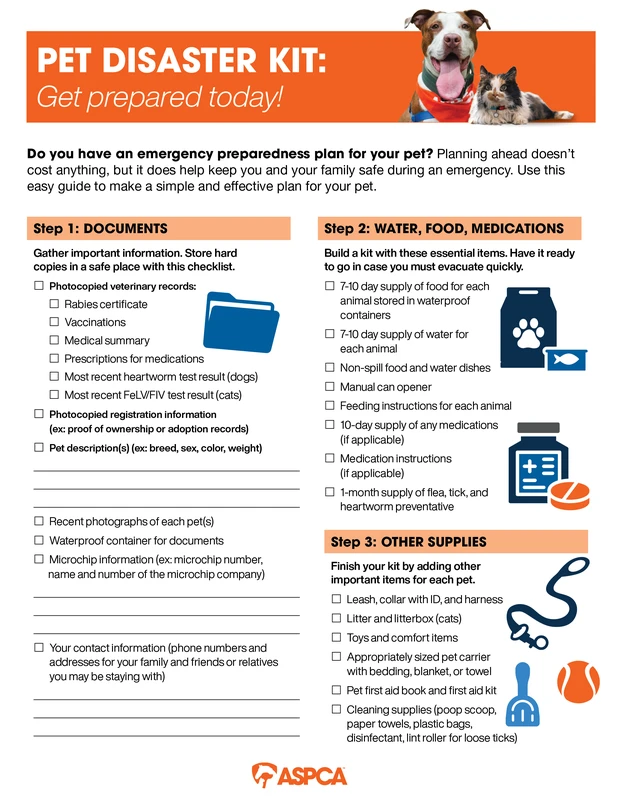
Essential supplies include food and water bowls, species-appropriate food, bedding, toys, litter boxes (for cats), cleaning supplies, and any prescribed medications. Shelters often provide starter kits or reimburse expenses.
How can foster caregivers manage multiple animals safely?
To prevent disease transmission and stress, keep foster animals separated from resident pets initially, use dedicated supplies, and implement strict hygiene protocols. Monitor interactions closely and consult shelter staff for guidance on introductions.
—
Effective support for foster animals requires structured training, access to veterinary and behavioral resources, clear communication channels, and a safe, enriching home environment. By fostering collaboration between shelters, rescue organizations, and foster families, animal welfare programs can increase foster retention, reduce shelter overcrowding, and improve adoption rates. Individuals and organizations committed to these best practices will contribute significantly to the health and happiness of foster animals and the overall success of foster care initiatives.