
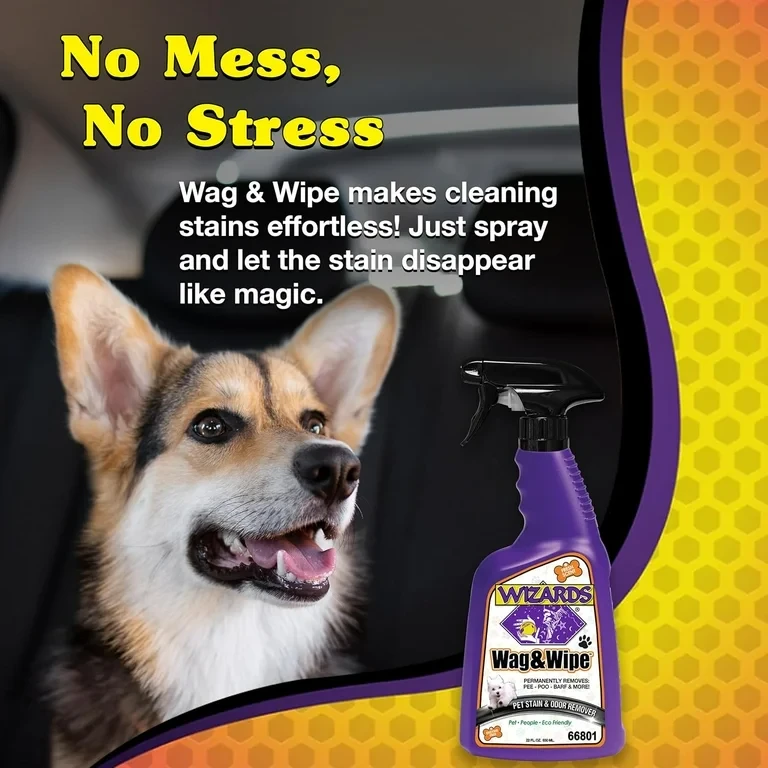
PawVerde.com – Using eco-friendly, non-toxic products to remove tough pet stains requires understanding both the natural ingredients’ chemistry and practical application techniques. This guide delivers step-by-step instructions for effective stain removal using household staples like baking soda, hydrogen peroxide, vinegar, and specialized enzymatic cleaners. It also highlights trusted green brands and maintenance tips that align with safe pet care and environmental responsibility.
eco-conscious pet owners face challenges when addressing common stains such as urine, feces, vomit, and muddy paw prints on carpets or fabrics. These organic residues often cause persistent odors and discoloration. Conventional chemical cleaners may contain ammonia, bleach, or phthalates, which pose health risks to pets and contribute to indoor pollution. Natural alternatives provide stain-fighting power while minimizing harm, leveraging biodegradable compounds and green-certified formulas.
Basic Natural Ingredients and Their Roles in Pet Stain Removal
Effective eco-friendly cleaning starts with selecting natural components that target both stain residues and odors without toxic side effects.
Combining these ingredients leverages their complementary mechanisms, enhancing stain removal efficacy while respecting environmental and pet safety standards.
Step-by-Step DIY Recipes for Tough Pet Stains
The following recipes use household ingredients to create powerful, non-toxic cleaners suitable for carpets, upholstery, and washable fabrics.
1. Baking Soda, Hydrogen Peroxide, and Eco Dish Soap Mixture
This formula targets deep-set stains and neutralizes odors simultaneously.
- Ingredients:
- 1 cup hydrogen peroxide (3% solution)
- 2 tablespoons baking soda
- 1 teaspoon eco-friendly liquid dish soap
- Instructions:
- In a spray bottle, combine hydrogen peroxide and baking soda.
- Add dish soap and gently swirl to mix without excessive foam.
- Spray the solution generously on the stained area.
- Let it sit for 10-15 minutes to break down stain molecules.
- Blot with a clean microfiber cloth to lift residue.
- Rinse with cool water and blot dry.
- Repeat if necessary for stubborn stains.
2. Vinegar and Warm Water Spray for General Stain Treatment
Ideal for recent, less severe stains and odor control.
- Ingredients:
- 1 cup distilled white vinegar
- 1 cup warm water
- Instructions:
- Mix vinegar and warm water in a spray bottle.
- Apply directly to the stain area.
- Allow to sit for 10 minutes.
- Blot with a clean cloth to absorb moisture.
- Air dry or use a fan to expedite drying.
3. Heavy-Duty Paste with Vinegar, Salt, and Borax for Set-In Stains
This abrasive yet safe paste helps lift tough, older stains.
- Ingredients:
- ½ cup white vinegar
- ½ cup salt
- ¼ cup borax powder
- Instructions:
- Combine vinegar and salt until salt dissolves.
- Mix in borax to form a thick paste.
- Apply paste directly to the stain using a spatula or old toothbrush.
- Let it dry completely, usually 30-60 minutes.
- Vacuum residue and repeat if necessary.
Application Tips
Specialized Eco-Friendly Cleaners for Pet Stains and Odors
Some eco-conscious pet owners prefer commercially formulated products that combine natural ingredients with advanced enzymatic action.
Vodka-Based Cleaner
Vodka’s alcohol content acts as an effective disinfectant and deodorizer, breaking down oils and neutralizing odors. Simply spray undiluted vodka on the stain, let sit 10 minutes, then blot dry. Its volatile nature ensures quick evaporation without residue.
Enzymatic Removers with Essential Oils
Enzymatic cleaners biologically degrade organic matter in pet stains, targeting proteins and fats that conventional detergents miss. When combined with essential oils like lavender or eucalyptus, they also provide natural antimicrobial and scent benefits.
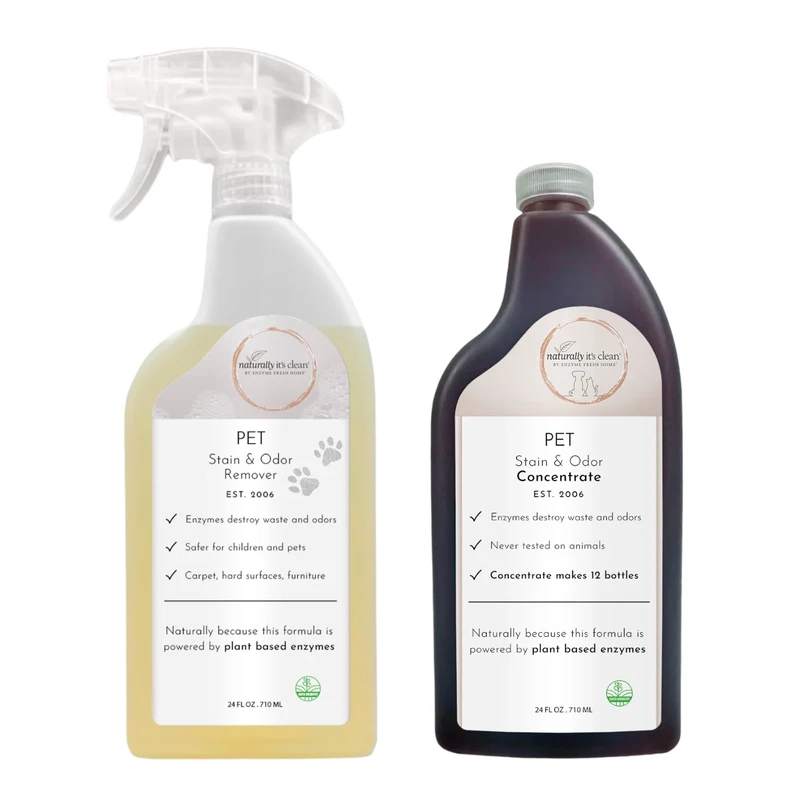
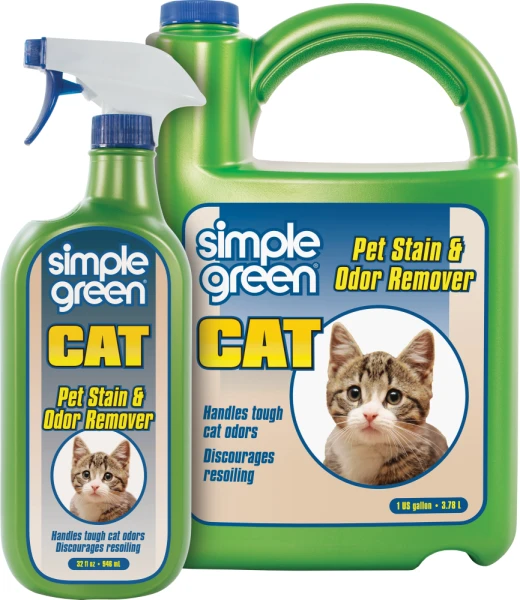
Popular brands offering certified green enzymatic products include:
These brands emphasize avoiding ammonia, bleach, phthalates, and formaldehyde, ensuring pet safety and environmental stewardship.
Best Practices for Pet Stain Maintenance
Proactive measures significantly reduce stain buildup and odor persistence.
Environmental and Health Benefits of Eco-Friendly Pet Stain Removal
Choosing natural and green cleaning solutions delivers multiple advantages beyond stain removal:
These benefits align with broader environmental goals and support responsible pet ownership.
Troubleshooting Common Issues in Eco-Friendly Pet Stain Removal
Pet stain removal can present challenges even with natural methods. Consider these solutions:
Alternative Methods for Specific Pet Stains
FAQ
Can I use baking soda and vinegar together to remove pet stains?
While baking soda and vinegar react chemically, creating fizzing that helps lift residues, it’s best to apply them sequentially rather than mixing. First, sprinkle baking soda on the stain, spray vinegar solution over it, let fizz for 5-10 minutes, then blot and rinse.
Are enzymatic cleaners safe for all pets?
Yes, enzymatic cleaners formulated for pet stain removal are generally safe for dogs and cats when used as directed. Choose products free from harmful chemicals and synthetic fragrances to avoid irritation.
How long should I let natural cleaners sit on stains?
Most natural stain removers require 10-15 minutes of contact time to break down organic material effectively. More stubborn stains may need repeated treatments or longer dwell times.
Can vodka be used on all fabric types?
Vodka is safe for many fabrics due to its fast evaporation and lack of dyes, but always test on a hidden area first to check for colorfastness and avoid damage.
What makes enzymatic cleaners more effective than traditional detergents?
Enzymatic cleaners contain specific enzymes that biologically digest proteins, fats, and carbohydrates found in pet stains. This targeted action breaks down stain molecules and odors at their source, unlike detergents that mainly lift surface residue.
—
Forward-looking, integrating these eco-friendly cleaning protocols can improve pet stain management while advancing sustainable household practices. Experimenting with homemade recipes alongside certified green products ensures flexible, safe, and effective stain removal tailored to various pet-related messes and home environments.