
PawVerde.com – pet dietary supplements have surged in popularity as pet owners seek to enhance their animals’ health and longevity. However, these supplements carry risks often overlooked by consumers, including ingredient toxicity, species-specific adverse reactions, and supplement interactions. Common side effects range from mild gastrointestinal upset to severe organ damage, neurological impairment, and even death. Toxic compounds such as iron, vitamin D, and xylitol present narrow safety margins, while stimulants like caffeine can provoke cardiovascular and nervous system disturbances. This article examines the risks and side effects associated with pet dietary supplements, highlighting clinical signs, species-specific vulnerabilities, regulatory oversight, and best practices for safe supplementation under veterinary guidance.
Common Toxic Ingredients in Pet Supplements
Iron, a vital mineral in many pet supplements, exhibits a narrow therapeutic window. Overdose can lead to iron toxicity characterized by oxidative stress, gastrointestinal ulceration, and multi-organ failure. Clinical veterinary reports note that iron doses exceeding 20 mg/kg in dogs and cats often cause vomiting, diarrhea, lethargy, and in severe cases, hepatic necrosis. Vitamin D, frequently added for bone health, similarly poses toxicity risks when overdosed. Excessive vitamin D intake results in hypercalcemia, manifesting as vomiting, anorexia, kidney damage, and soft tissue mineralization. Cases documented in veterinary toxicology journals demonstrate that vitamin D toxicity can be fatal without timely intervention.
Xylitol, a sugar alcohol increasingly incorporated as a sweetener in pet supplements and treats, is highly toxic to dogs. Unlike humans, dogs metabolize xylitol rapidly, causing a potent insulin release that leads to hypoglycemia within 30 minutes of ingestion. Clinical signs include weakness, collapse, seizures, and acute liver failure. The ASPCA Animal Poison Control Center reports xylitol poisoning as one of the leading causes of emergency visits related to supplement ingestion in dogs.
Stimulants such as caffeine, ephedra, and yohimbine, sometimes present in herbal or weight management supplements, induce nervous system hyperactivity, tachycardia, hypertension, and hyperthermia. Veterinary case studies reveal that ingestion of caffeine-containing supplements triggers tremors, seizures, and cardiac arrhythmias, requiring intensive care.
Herbal supplements containing plants like garlic, echinacea, licorice root, and pyrrolizidine alkaloid–bearing herbs have species-specific toxicity profiles. For example, garlic ingestion in dogs and cats can cause hemolytic anemia, while pyrrolizidine alkaloids found in some herbal extracts lead to progressive liver failure. Veterinary toxicologists caution that unregulated herbal products pose unpredictable risks due to variable concentrations of toxic phytochemicals.
Adverse Clinical Signs and Side Effects
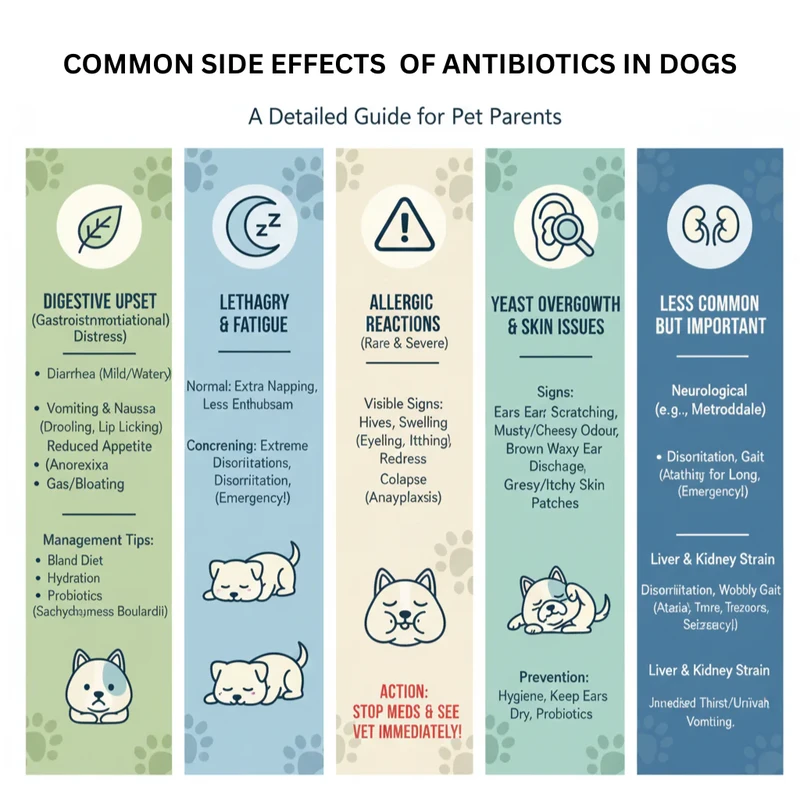
Gastrointestinal disturbances are the most frequently reported adverse effects from pet supplement use. Vomiting, diarrhea, and anorexia often indicate early toxicity from minerals like iron or vitamin D overdose. Veterinary clinics observe that mild gastrointestinal upset may progress to dehydration and electrolyte imbalances if untreated.
Neurological manifestations such as tremors, seizures, weakness, and paralysis arise from toxic effects on the central nervous system. Excessive vitamin A intake, for example, induces neurological symptoms including ataxia, lethargy, and incoordination due to intracranial pressure elevation. Epileptiform seizures triggered by xylitol-induced hypoglycemia or caffeine toxicity represent veterinary emergencies requiring prompt management.
Cardiovascular symptoms including tachycardia, hypertension, and hyperthermia reflect stimulant toxicity. These signs may precede life-threatening arrhythmias or myocardial damage. Veterinary monitoring with electrocardiograms and blood pressure measurements is critical in suspected stimulant ingestion.
Allergic reactions to supplement ingredients, including proteins, preservatives, and herbal extracts, present as pruritus, hives, facial swelling, and lethargy. Immune-mediated hypersensitivity can exacerbate underlying conditions such as atopic dermatitis or asthma, complicating clinical management. Veterinarians report that allergic reactions frequently go unrecognized as supplement-related, underscoring the need for thorough history taking.
Species-Specific Considerations
Dogs, cats, and horses exhibit distinct susceptibility patterns to supplement toxicity due to differences in metabolism, digestive physiology, and enzymatic pathways. For instance, cats are particularly sensitive to vitamin A toxicity because they lack efficient mechanisms to regulate retinol absorption and storage. Clinical cases of hypervitaminosis A in cats often involve neurological decline and skeletal abnormalities.
Equine species are prone to adverse effects from supplements containing excessive calcium or certain herbs like arnica, which can cause colic or laminitis. Additionally, horses metabolize some B vitamins differently, altering their tolerance to supplementation.
Supplements safe for humans may contain ingredients toxic to pets. Xylitol, regarded as safe for human consumption, is lethal to dogs. Similarly, herbs like echinacea and licorice root, commonly used in human herbal remedies, can induce hepatotoxicity or hemolytic anemia in pets. Veterinarians emphasize that pet owners must avoid administering human supplements without professional advice due to these species-specific risks.
Safe Use and Veterinary Guidance
Veterinary professionals play a critical role in advising pet owners on the safe use of dietary supplements. Clinical nutritionists and toxicologists recommend consultation before initiating any supplement regimen to ensure proper dosing, identify contraindications, and select reputable brands with quality assurance.
Veterinarians assess the pet’s health status, existing medications, and species-specific sensitivities to tailor supplement recommendations. They also monitor for adverse effects through follow-up examinations and laboratory testing when necessary.
Unsupervised administration of human supplements to pets is discouraged due to the high incidence of toxicity reports linked to such practices. Veterinary guidance reduces risks by avoiding inappropriate ingredients and dosages while optimizing therapeutic benefits.
Regulatory and Reporting Aspects
The FDA’s Center for Veterinary Medicine (FDA-CVM) oversees the regulation of pet dietary supplements but operates with limited authority compared to human pharmaceuticals. Unlike drugs, supplements do not require premarket approval, resulting in variable product quality and safety profiles.
The FDA-CVM encourages reporting of adverse events associated with supplements to improve pharmacovigilance and inform regulatory decisions. Pet poison control centers, including the ASPCA Animal Poison Control Center, also collect data on supplement-related toxicities, contributing to surveillance and public awareness.
Despite regulatory gaps, ongoing efforts aim to enhance supplement safety through stricter labeling requirements, ingredient disclosure, and postmarket monitoring. Veterinarians and pet owners are urged to report adverse reactions promptly to facilitate early detection of emerging risks.
Managing Supplement Toxicity and Poisoning
Immediate response following suspected supplement overdose involves withholding further exposure and contacting a veterinarian or poison control center. Early veterinary intervention may include decontamination with activated charcoal, induced vomiting (if safe), and intravenous fluid therapy to support organ function.
Supportive care addresses specific clinical signs such as hypoglycemia from xylitol poisoning or hypercalcemia due to vitamin D overdose. In cases of seizures or cardiac arrhythmias, anticonvulsants and cardiac monitoring are essential.
Preventative strategies emphasize secure storage of supplements away from pets, careful label reading to avoid toxic ingredients, and adherence to veterinary dosing recommendations. Education campaigns by veterinary organizations aim to raise awareness of supplement risks and promote safer practices.
—
FAQ
What are the most common side effects of pet dietary supplements?
Common side effects include vomiting, diarrhea, lethargy, tremors, seizures, and allergic reactions such as itching and swelling. These symptoms often result from toxic ingredients like iron, vitamin D, xylitol, and stimulants affecting various organ systems.
Which ingredients in pet supplements are most toxic to dogs and cats?
Iron and vitamin D have narrow safety margins causing organ damage, while xylitol is highly toxic to dogs, inducing hypoglycemia and liver failure. Caffeine and certain herbs can also provoke nervous system and cardiovascular symptoms.
Can human supplements be harmful to pets?
Yes. Many human supplements contain ingredients toxic to pets, such as xylitol, caffeine, and herbal compounds. Pets metabolize substances differently, so human products should never be given without veterinary approval.
How can pet owners ensure the safe use of supplements?
Owners should consult veterinarians before administering supplements, select products specifically formulated for pets, follow recommended dosages, monitor for adverse signs, and store supplements securely to prevent accidental ingestion.
What should be done if a pet shows signs of supplement poisoning?
Immediate veterinary consultation is crucial. Owners should provide information about the supplement ingested and symptoms observed. Veterinary care may involve decontamination, supportive therapy, and symptomatic treatment to prevent complications.
—
Pet dietary supplements present both opportunities and risks for animal health. Understanding the toxic potential of common ingredients, recognizing adverse clinical signs, and adhering to veterinary guidance are essential for safe supplementation. With growing regulatory scrutiny and enhanced pharmacovigilance, the pet supplement industry is poised for improved safety standards. Meanwhile, veterinarians remain the cornerstone of safeguarding pet health amid the expanding supplement market.