
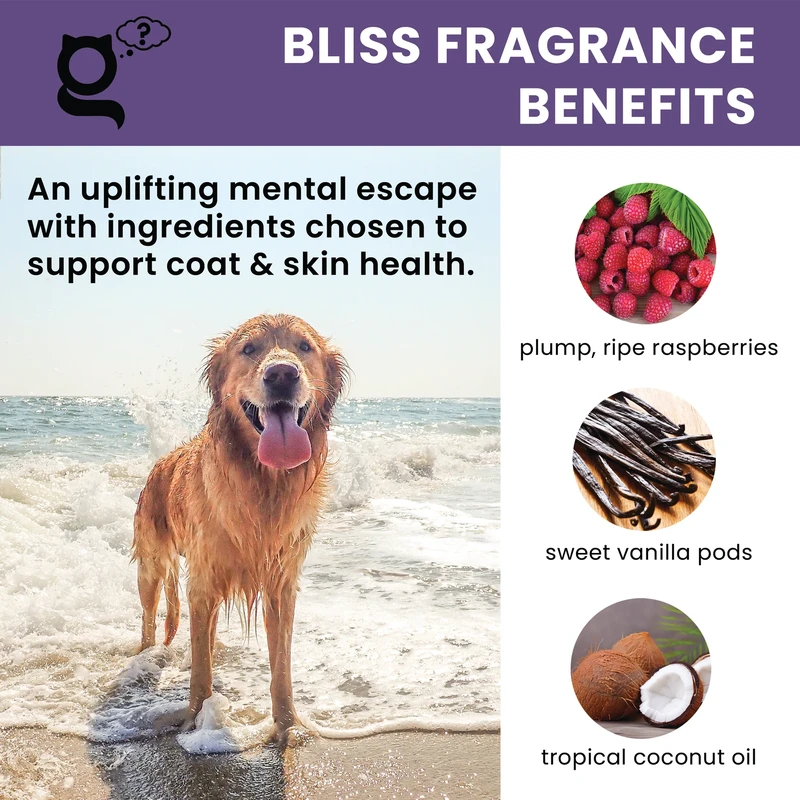
PawVerde.com – Natural ingredients in pet grooming products provide a multifaceted advantage by delivering gentle, effective care tailored to sensitive pet skin while promoting healthier coats. Ingredients such as aloe vera and oatmeal have demonstrated soothing and anti-inflammatory properties, critical for alleviating common skin irritations and dryness in pets. Meanwhile, coconut oil and shea butter contribute moisturizing and antibacterial effects that enhance coat texture and resilience. Beyond individual health benefits, natural formulations reduce exposure to harsh chemicals like sulfates and parabens, which are linked to allergic reactions and long-term skin damage. These products also support environmental sustainability through biodegradable components and ethical sourcing practices, aligning with cruelty-free standards that are increasingly demanded by conscientious pet owners.
Health Benefits of Natural Ingredients for Pet Skin and Coat
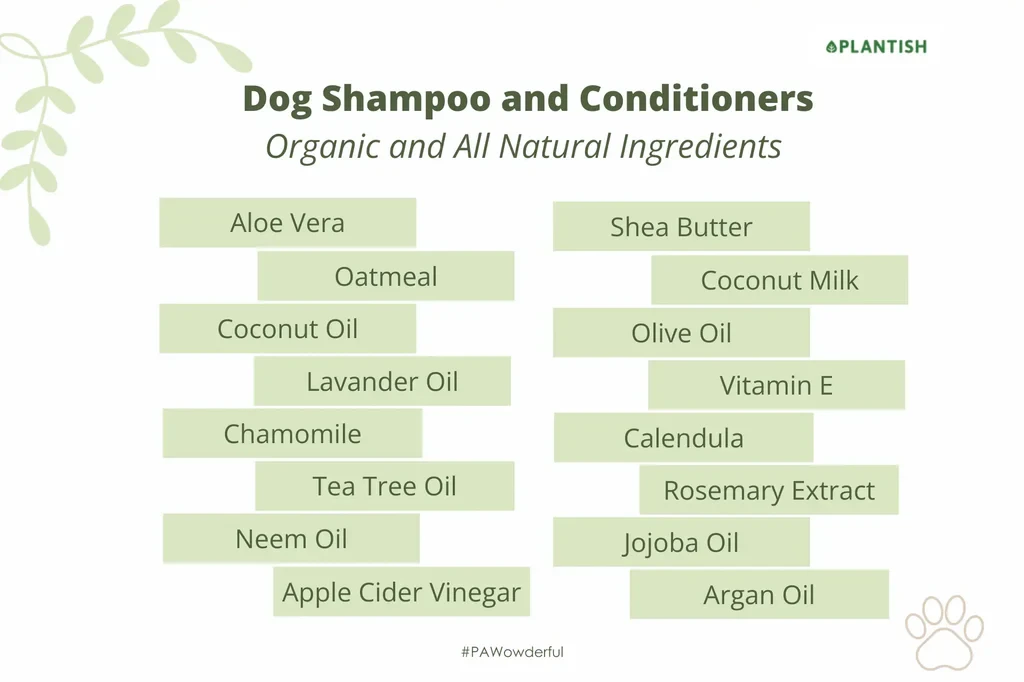
Natural ingredients in pet grooming products offer targeted therapeutic effects that synthetic chemicals often fail to deliver without adverse consequences. Aloe vera, a staple botanical in grooming formulations, contains glycoproteins and polysaccharides that promote wound healing and reduce inflammation, making it ideal for pets with sensitive or damaged skin. Oatmeal acts as a natural emollient and anti-itch agent, scientifically validated to soothe xerosis and atopic dermatitis by forming a protective barrier that locks in moisture. Coconut oil, rich in medium-chain fatty acids, exhibits both moisturizing and antimicrobial properties, which help combat bacterial and fungal infections while improving coat softness and sheen.
Shea butter, a lipid-rich extract from the shea tree, reinforces skin hydration and elasticity due to its high content of vitamins A and E. Botanical conditioners like slippery elm and marshmallow root contribute mucilage compounds that coat hair shafts, reducing tangling and matting while imparting a silky texture. These ingredients collectively reduce the incidence of allergic reactions and irritations commonly associated with synthetic fragrances and artificial colors, which can exacerbate dermatological issues in pets prone to sensitivity.
Environmental and Ethical Advantages of Natural Pet Grooming Products
The ecological footprint of pet grooming products is a growing concern, with synthetic chemicals often persisting in water systems and contributing to environmental degradation. Natural ingredients, sourced sustainably, tend to be biodegradable and less toxic, thus minimizing pollution. Ethical brands emphasize traceability in ingredient procurement, ensuring that raw materials like shea butter and coconut oil are harvested through fair trade practices that empower local communities and preserve biodiversity.
Cruelty-free testing protocols are integral to many natural pet grooming brands, adhering to standards that prohibit animal testing and instead rely on advanced in vitro assays or volunteer-based safety assessments. These practices not only enhance product safety but also align with consumer ethics. Packaging innovations, such as the use of recycled or compostable materials, further reduce environmental impact. Collectively, these factors position natural grooming products as responsible choices that support both animal welfare and planetary health.
Profiles of Common Natural Ingredients and Their Functional Roles
A detailed understanding of prevalent natural ingredients illuminates their specific contributions to pet skin and coat health:
These ingredients synergize within formulations to cleanse effectively without stripping natural oils, condition for enhanced manageability, and protect against environmental stressors.
Selecting Safe and Effective Natural Grooming Products for Sensitive Pets
Choosing grooming products that align with pet-specific needs requires vigilance beyond marketing claims. Avoiding harmful additives such as sulfates, parabens, synthetic fragrances, and artificial colors is critical as these compounds frequently trigger allergic reactions or chemical irritation. Certified labels—such as USDA Organic, Ecocert, or Leaping Bunny—offer assurance of product authenticity and ethical standards. Transparency in ingredient lists and sourcing disclosures empowers consumers to make informed choices.
Patch testing new products on a small skin area is a prudent practice to monitor adverse reactions before full application, especially for pets with known allergies or dermatological conditions. Consulting veterinarians or veterinary dermatologists ensures selection of formulations compatible with individual pet health profiles, particularly for breeds predisposed to sensitive skin or chronic conditions. Brands that collaborate with veterinary experts often integrate scientific research into product development, enhancing efficacy and safety.
Future Directions and Practical Recommendations for Pet Owners
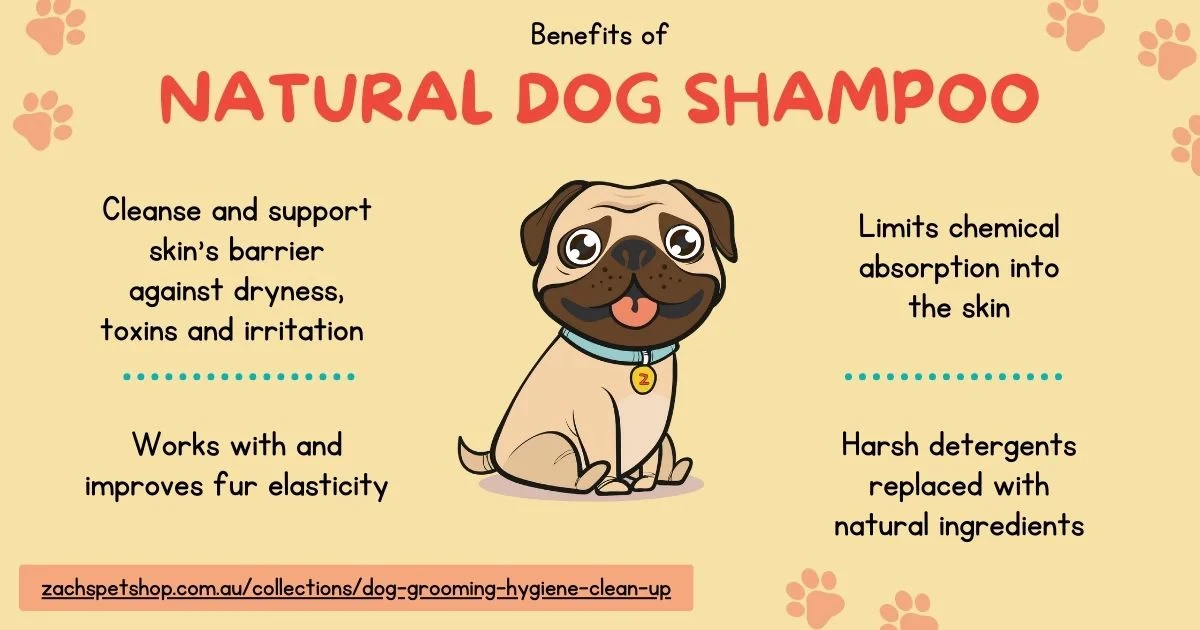
The pet grooming industry is progressively embracing the integration of natural, sustainable ingredients driven by consumer demand and regulatory pressures. Innovations in botanical extraction and formulation techniques are expanding the efficacy and sensory appeal of chemical-free pet care products. Emerging research on lesser-known botanicals like slippery elm and marshmallow root promises new avenues for gentle yet effective skin support.
Pet owners are encouraged to prioritize products with verified natural certifications and transparent supply chains, supporting companies that invest in cruelty-free and sustainable practices. Regular patch testing and veterinary consultations remain essential to safeguard pet health. Additionally, adopting eco-friendly grooming routines—including using biodegradable wipes and minimizing water waste—complements the benefits of natural ingredients with broader environmental stewardship.
As awareness of the risks associated with synthetic grooming chemicals grows, natural pet grooming products offer a comprehensive solution that harmonizes animal welfare, health outcomes, and environmental responsibility.
Frequently Asked Questions
What are the main benefits of using natural ingredients in pet grooming products?
Natural ingredients soothe sensitive skin, moisturize and strengthen the coat, reduce allergic reactions, and avoid harmful chemicals commonly found in synthetic products. They also support ethical sourcing and environmental sustainability.
Which natural ingredients are best for pets with sensitive skin?
Aloe vera, oatmeal, chamomile, and marshmallow root are particularly effective for sensitive skin due to their anti-inflammatory and soothing properties. Coconut oil and shea butter help moisturize without causing irritation.
How can I ensure a natural pet grooming product is truly safe and effective?
Look for certifications such as USDA Organic and cruelty-free labels, review ingredient transparency, avoid sulfates and parabens, conduct patch tests before full use, and consult a veterinarian for personalized advice.
Are natural grooming products better for the environment?
Yes, natural products generally use biodegradable ingredients and sustainable sourcing practices that reduce pollution and resource depletion compared to synthetic chemical formulations.
Can natural pet grooming products prevent allergic reactions?
While natural ingredients reduce the risk of allergic reactions by avoiding harsh chemicals, some pets may still react to specific botanicals. Testing and veterinary guidance are important for allergy management.
—
This comprehensive analysis underscores the importance of selecting natural pet grooming products not only for optimizing pet skin and coat health but also for advancing ethical and environmental goals. The ongoing evolution in natural formulations and industry standards will likely enhance product safety and efficacy, benefiting pets and their owners alike in the years ahead.