

PawVerde.com – Sustainable pet-friendly living spaces reconcile environmental responsibility with the unique needs of animals by integrating eco-conscious materials, durable design elements, and innovative urban planning. With dogs averaging a carbon footprint of approximately 770kg CO2e annually and cats around 310kg CO2e, reducing the environmental impact of pet ownership has become a critical design challenge. Employing sustainable materials such as bamboo, recycled wood, and reclaimed wood alongside pet-specific features like pet wash stations and scratch-resistant floors leads to healthier, longer-lasting interiors that respect both animals and the planet. This article explores comprehensive strategies for creating such spaces, backed by expert insights, case studies, and emerging trends in pet architecture and urban pet-friendly design.
Sustainable Materials for Pet-Friendly Interiors
Bamboo, recycled wood, and reclaimed wood stand out as primary materials in sustainable pet-friendly interiors due to their low environmental footprint and durability. Bamboo grows rapidly, sequestering carbon effectively, while recycled and reclaimed wood salvages existing resources, reducing deforestation. These materials are increasingly used for wall panels, furniture, and cabinetry, offering scratch-resistant surfaces that accommodate pets’ natural behaviors. For example, reclaimed wood wall panels provide resilience against wear and tear and can be sealed with non-toxic finishes to resist staining and facilitate cleaning.
In addition to environmental benefits, these materials improve indoor air quality by emitting fewer volatile organic compounds (VOCs) compared to synthetic options. Architectural firms specializing in sustainable pet spaces, such as Atelier Bow Wow and Animal Arts, emphasize the importance of sourcing locally reclaimed wood to further minimize transportation emissions. The carbon footprint reduction achieved through these materials complements their aesthetic versatility, allowing designs that blend biophilic elements with functional pet zones.
Designing Functional Indoor/Outdoor Pet Spaces
Creating seamless indoor/outdoor transitions for pets enhances both animal wellbeing and environmental efficiency. Installing energy-efficient doors with automatic closing mechanisms helps maintain stable indoor climates, reducing heating and cooling energy use. These doors often incorporate insulated glass and weather stripping to prevent drafts while allowing natural light, aligning with biophilic design principles that benefit both pets and owners.
Safe transition zones, such as mudrooms or dedicated pet corridors, facilitate hygiene management and reduce dirt tracking indoors. Integrating pet wash stations in these areas supports regular grooming and cleanliness, which is particularly valuable for dogs that access outdoor spaces frequently. These stations use water-saving fixtures and biodegradable soaps, limiting chemical runoff into urban drainage systems.
Outdoor pet areas emphasize natural ground cover like organic mulch or grass varieties resilient to wear and tear. Shade structures utilizing reclaimed wood or sustainable fabrics provide comfort during warmer months while minimizing heat island effects. Urban developers increasingly incorporate these features into multi-unit residential complexes to accommodate pet owners without compromising communal green spaces.
Durable and Eco-Friendly Flooring and Upholstery
Floors and furniture surfaces endure significant stress from pets, necessitating materials that withstand scratching, staining, and moisture. Stone and ceramic tiles are preferred for flooring due to their scratch resistance, ease of cleaning, and longevity compared to hardwood, which is prone to damage from claws and accidents. These materials also contribute to thermal mass, stabilizing indoor temperatures, and reducing energy consumption.
Upholstery selection plays a critical role in sustainable pet-friendly interiors. Stain-resistant fabrics made from natural fibers or recycled synthetics enhance durability while minimizing the need for harsh cleaning chemicals. Brands developing pet-safe, eco-friendly textiles employ treatments that repel liquids without compromising biodegradability.
The combined use of these materials reduces waste generated by premature replacements and supports circular economy principles. Their maintenance profiles align with sustainable living as they require less water and chemical-intensive cleaning, diminishing environmental impact over a product’s lifecycle.
Eco-Conscious Pet Products and Waste Management
Pet waste management significantly affects a household’s environmental footprint. Traditional plastic waste bags contribute to landfill waste and microplastic pollution. Biodegradable and compostable waste bags, which decompose within three to six months, offer a sustainable alternative. These bags are often made from plant-based polymers such as polylactic acid (PLA), which break down under industrial composting conditions.
Sustainable cat litters, including options made from wood shavings, recycled paper, or corn-based pellets, reduce reliance on clay litters that are mined and non-renewable. These alternatives are lighter, biodegradable, and generate less dust, improving air quality for both pets and humans.
Proper handling of pet waste through composting or eco-friendly disposal mitigates methane emissions, a potent greenhouse gas. Cities promoting urban pet-friendly initiatives, like Ottawa’s 15-minute neighbourhood plan, integrate waste management infrastructure that supports composting programs and encourages residents to adopt green waste practices.
Incorporating Nature: Biophilic Design and Petscaping
Biophilic design, which emphasizes connection to nature, enhances pet well-being and environmental quality within indoor and outdoor spaces. Incorporating plants that are non-toxic to pets improves air purification and fosters relaxing environments. Designers recommend species such as spider plants, Boston ferns, and bamboo palms, which thrive indoors and are safe if ingested.
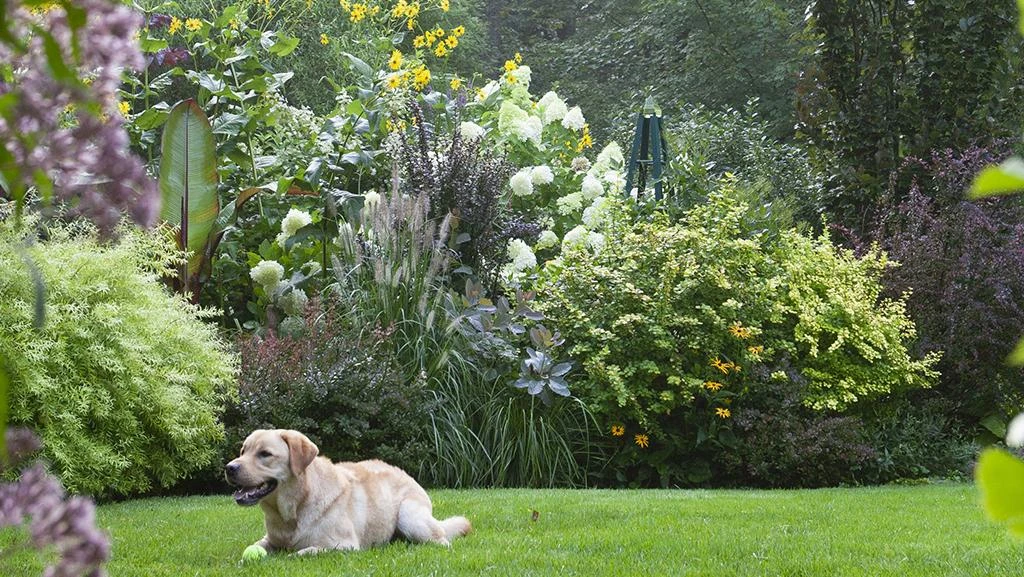
Petscaping, the practice of designing gardens and outdoor areas specifically for pet use, balances natural aesthetics with durability and safety. Defined pathways reduce soil compaction and protect plantings, while organic ground cover materials prevent ingestion of harmful substances. Shade trees and pergolas create cooler microclimates, reducing heat stress in pets during summer.
These natural elements support mental stimulation and physical activity, crucial for animal health. urban pet-friendly planning increasingly recognizes petscaping as a vital component of sustainable residential design, encouraging biodiversity and ecosystem services within cities.
Urban and Architectural Innovations in Pet-Friendly Sustainability
pet architecture exemplifies creative adaptation of irregular urban spaces to accommodate animals sustainably. Small-scale structures such as modular pet shelters or integrated play areas utilize local or secondhand materials, minimizing environmental costs. Designs often incorporate natural ventilation, daylighting, and green roofs to reduce energy consumption.
In multi-unit developments, accommodating pets presents unique challenges related to noise, hygiene, and shared spaces. Innovative architectural solutions include soundproofed pet zones, communal agility equipment, and accessible pet wash stations that streamline care without disrupting residents. Firms like Animal Arts demonstrate that sustainable pet architecture can be both functional and aesthetically integrated within urban contexts.
Cities like Ottawa spearhead urban pet-friendly policies by embedding pet considerations into broader sustainability frameworks. Their 15-minute neighbourhood concept ensures residents access essential amenities, including pet parks and veterinary services, within walking distance, reducing dependence on vehicles and associated emissions.
Case Studies and Practical Applications
animal shelters upgrading play yards illustrate practical applications of sustainable pet design. Incorporating organic ground cover such as wood chips and installing agility equipment made from recycled plastics enhance animal enrichment while minimizing maintenance. These upgrades reduce soil erosion and improve drainage, contributing to healthier outdoor environments.
Residential projects frequently showcase modular shelving systems like Muuto Modular Stackling, which integrate pet spaces such as climbing areas for cats or storage for pet supplies. These systems feature sustainably sourced wood and adaptable layouts, allowing customization that grows with pet needs and household changes.
Such examples demonstrate that sustainable pet-friendly design is achievable across diverse building types by prioritizing durability, environmental impact reduction, and animal welfare.
Balancing Human and Pet Needs in Sustainable Design
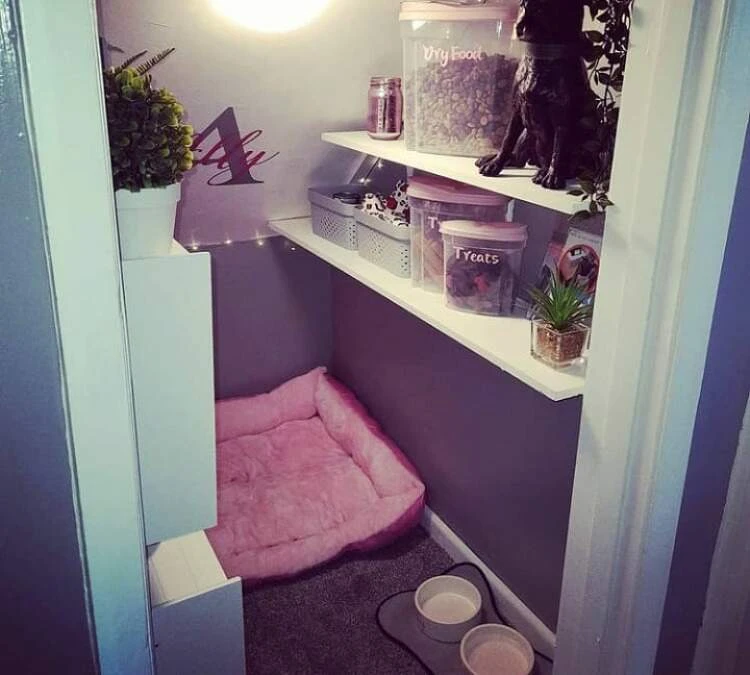
Effective sustainable pet-friendly design harmonizes the comfort and ergonomics of both pets and owners. Designing workflows in veterinary clinics and shelters with accessible pet wash stations and modular storage enhances operational efficiency while reducing resource consumption. These spaces often feature durable surfaces and layouts that facilitate cleaning and minimize cross-contamination.
Ergonomic considerations include furniture heights suitable for pet interaction and accessible outdoor exits for ease of use. Incorporating elements such as scratch-resistant upholstery and stain-resistant fabrics supports household longevity and reduces replacement frequency, aligning with sustainability goals.
By integrating these human-centered elements with pet-specific features, designers deliver environments that are functional, resilient, and environmentally responsible.
FAQ
What are the best sustainable materials for pet-friendly home interiors?
Sustainable materials such as bamboo, recycled wood, and reclaimed wood are ideal for pet-friendly interiors due to their durability, low carbon footprint, and ease of maintenance. These materials resist scratching and staining better than many synthetic alternatives, making them suitable for furniture and wall panels.
How can indoor/outdoor pet spaces be designed to reduce energy consumption?
Incorporating energy-efficient doors with proper insulation and automatic closing mechanisms maintains indoor climate control, reducing heating and cooling needs. Creating safe transition zones and using natural light also contribute to energy savings while providing pets with comfortable access to outdoor areas.
Which flooring materials are most durable and eco-friendly for homes with pets?
Stone and ceramic tiles outperform hardwood in scratch resistance, longevity, and ease of cleaning. These materials are sustainable when sourced responsibly and contribute to thermal regulation, lowering energy use. They also reduce chemical cleaning requirements, supporting healthier indoor environments.
What eco-conscious pet products help reduce environmental impact?
Biodegradable waste bags made from plant-based materials decompose within months, lowering landfill waste. Sustainable cat litters from wood shavings, recycled paper, or corn-based products offer biodegradable alternatives to clay litter. These products minimize pollution and improve household sustainability.
How does urban pet-friendly planning contribute to sustainability?
Urban planning initiatives like Ottawa’s 15-minute neighbourhood integrate pet amenities close to residences, reducing transportation emissions. They promote green spaces with petscaping features, support sustainable waste management, and encourage community designs that consider both human and animal needs, fostering healthier urban ecosystems.
—
Advancements in sustainable pet-friendly design continue to evolve with growing emphasis on environmental responsibility and animal welfare. Future directions include expanding biophilic design integration, increasing adoption of modular pet architecture, and enhancing urban policies that prioritize green pet spaces. Embracing these strategies enables pet owners and developers to create resilient living environments that support healthy coexistence with animals while mitigating ecological impacts.