
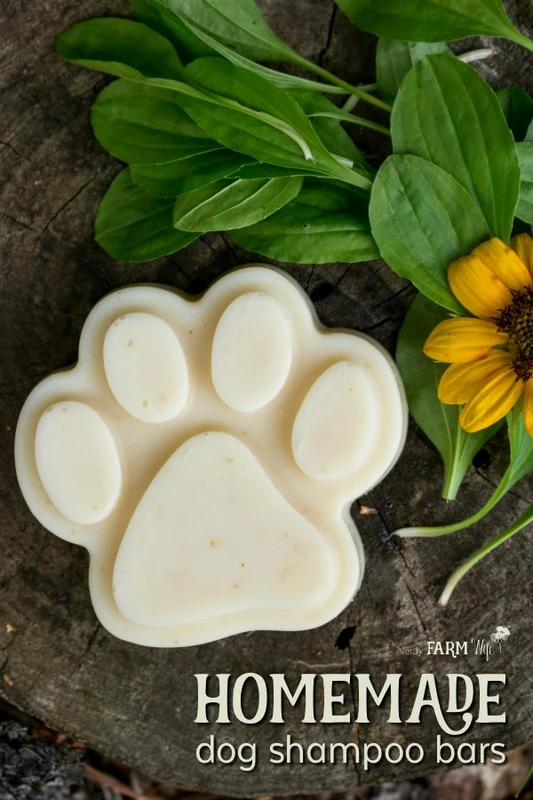
How to Make DIY Eco-Friendly Pet Shampoo Safely & Effectively
PawVerde.com – Creating an effective and safe DIY eco-friendly pet shampoo requires a careful balance of natural ingredients that cleanse, soothe, and protect your pet’s skin and coat without harsh chemicals. This guide delivers detailed, step-by-step instructions to craft a gentle shampoo using castile soap, coconut oil, aloe vera gel, and carefully selected essential oils, ensuring pet comfort and health while supporting sustainable grooming practices.
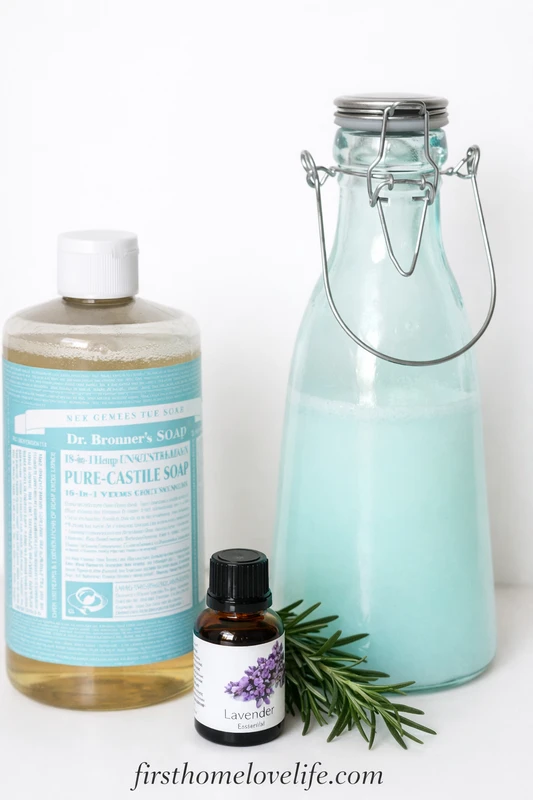
Castile soap serves as the gentle cleansing base, renowned for its plant-derived, biodegradable properties that clean without stripping natural oils. Coconut oil adds moisturizing and conditioning benefits, enhancing coat shine and reducing dryness. Aloe vera gel contributes potent skin-soothing and hydrating effects, ideal for sensitive or irritated skin. Safe essential oils such as lavender, chamomile, and bergamot provide natural fragrance and flea-repellent qualities, while avoiding toxic oils like tea tree and certain citrus variants is critical for pet safety. Additional ingredients like apple cider vinegar, vitamin B5 (panthenol), glycerin, and soil-based probiotics further elevate the shampoo’s skin health benefits and natural pest control.
| Ingredient | Function | Pet Safety Notes |
|---|---|---|
| Castile Soap | Mild natural cleanser, biodegradable | Safe, avoid scented or harsh additives |
| Coconut Oil | Moisturizes and conditions coat | Safe in low amounts; avoid ingestion in large quantities |
| Aloe Vera Gel (Non-GMO) | Soothes, hydrates irritated skin | Ensure pure, pet-safe formulation |
| Lavender Essential Oil | Calming, flea repellent | Use diluted; avoid in cats with respiratory issues |
| Chamomile Essential Oil | Anti-inflammatory, soothing | Safe in low dilution |
| Bergamot Essential Oil | Natural fragrance, flea deterrent | Avoid photosensitivity; dilute thoroughly |
| Apple Cider Vinegar | Deodorizes, balances skin pH | Dilute well; avoid open wounds |
| Vitamin B5 (Panthenol) | Supports skin repair and hydration | Safe topical use |
| Glycerin | Humectant, retains moisture | Use cosmetic grade; non-toxic |
| Probiotics (Soil-Based) | Supports healthy skin microbiome | Use pet-safe strains; topical use only |
Essential Ingredients for DIY Eco-Friendly Pet Shampoo
This section explains the role of each main ingredient and highlights safety precautions critical to pet health.
- Apple Cider Vinegar: Used sparingly for odor neutralization and pH balancing.
- Vitamin B5 (Panthenol): Enhances skin repair and hydration.
- Glycerin: Acts as a humectant to retain moisture.
- Probiotics: Soil-based probiotics support the skin’s natural microbiome and barrier function.
Step-by-Step Preparation Process
Follow these precise steps to create your natural pet shampoo, ensuring proper mixing and ingredient integration for efficacy and safety.
- Unscented liquid castile soap (1 cup)
- Fractionated coconut oil (2 tablespoons)
- Aloe vera gel (2 tablespoons)
- Distilled or filtered warm water (1 cup)
- Essential oils: lavender (10 drops), chamomile (5 drops), bergamot (5 drops)
- Optional: apple cider vinegar (1 tablespoon), glycerin (1 teaspoon), vitamin B5 powder (1/4 teaspoon), soil-based probiotic powder (1/4 teaspoon)
- Mason jar or a pump bottle with airtight seal for storage
- Measuring spoons and small mixing bowl
- In a small bowl, dissolve vitamin B5 and probiotic powders in a tablespoon of warm water to ensure even distribution. This prevents clumping and improves absorption.
- Pour castile soap and distilled water into the mason jar or mixing container.
- Add fractionated coconut oil and aloe vera gel. Gently stir or swirl to combine without creating excessive foam.
- Incorporate the vitamin B5 and probiotic solution.
- Add glycerin and apple cider vinegar if using. Mix gently.
- Add essential oils dropwise, adhering strictly to recommended dilution ratios to avoid skin sensitivity.
- Seal the container and shake gently to distribute oils uniformly.
- Label the container with the date of preparation.
- Store in a cool, dark place to preserve ingredient potency. Avoid prolonged storage beyond two weeks due to absence of preservatives.
Application and Usage Guidelines
Proper shampoo application maximizes benefits while minimizing risks of irritation or ineffective cleaning.
- Brush your pet’s coat thoroughly to remove loose fur and debris.
- Wet the fur completely with lukewarm water.
- Dispense a small amount (about a tablespoon for medium-sized dogs) onto your hands or a bathing mitt.
- Apply sparingly, focusing on the coat and avoiding eyes, nose, ears, and any broken skin.
- Massage gently to create a light lather, ensuring even coverage.
- Rinse thoroughly with clean lukewarm water to remove all shampoo residue, which could cause irritation if left on skin.
- Towel dry your pet or use a low-heat dryer setting. Avoid excessive heat that can dry out the skin.
- Use this shampoo no more than once every two weeks unless directed otherwise by a veterinarian. Overuse may strip natural oils.
Additional Tips and Variations
Explore alternative approaches and customizations to suit different seasons, coat types, and skin conditions.
Safety and Environmental Considerations
Understanding ingredient safety and ecological impact is vital when crafting homemade pet shampoos.
Troubleshooting Common Issues
Common Mistakes to Avoid

FAQ
Can I use any essential oils in homemade pet shampoo?
Only select essential oils known to be pet-safe, such as lavender, chamomile, and bergamot, and always dilute heavily. Avoid oils like tea tree, citrus, and peppermint which are toxic or irritating to pets.
How often should I bathe my dog with homemade shampoo?
Generally, limit baths to once every two weeks to prevent drying out the skin. Adjust frequency based on your pet’s coat type, lifestyle, and any veterinary advice.
Is castile soap safe for all pets?
Castile soap is safe for most dogs and cats when unscented and free from harsh additives. However, always patch test and monitor for allergic reactions.
How should I store my DIY pet shampoo?
Store the shampoo in an airtight container such as a mason jar or pump bottle, kept in a cool, dark place. Use within two weeks due to absence of preservatives.
Can I add probiotics to pet shampoo?
Yes, soil-based probiotics can support the skin microbiome and improve skin health. Use pet-safe probiotic strains and add in small amounts dissolved before mixing.
—
Crafting your own eco-friendly pet shampoo at home using natural ingredients like castile soap, coconut oil, and aloe vera gel empowers you to provide gentle, effective grooming free from harsh chemicals. Following these detailed instructions ensures safety, skin nourishment, and environmental responsibility, while customizable options allow tailoring to individual pet needs and preferences. Embrace sustainable pet care by preparing fresh batches regularly, observing proper storage, and respecting your pet’s unique sensitivities for optimal skin and coat health.