April 13, 2026 | PawVerde Editor's

How to Navigate Pet Adoption Paperwork for a Smooth 2026 Process

PawVerde.com – Navigating pet adoption paperwork in 2026 requires precise preparation, accurate documentation, and adherence to shelter protocols to ensure a smooth and successful adoption experience. Pet adopters must complete detailed applications covering lifestyle and household information, provide valid identification and proof of residence, participate in family and pet meet-and-greets, undergo screening processes including background checks and home visits, and finalize legal contracts while managing adoption fees and deposits. Early pet insurance signup and post-adoption care considerations are integral to responsible pet ownership.

This tutorial offers a comprehensive step-by-step guide to navigating the pet adoption paperwork process, incorporating best practices from animal shelters, rescue organizations, and veterinary experts to empower adopters with authoritative knowledge and practical instructions.

1. Preparing to Apply for Pet Adoption

Before beginning the adoption application, gather all required documentation and information to avoid delays. Identification and proof of residence are universally mandatory across shelters such as ASPCA, LifeLine Animal Center, and county animal services like King County and DeKalb-Fulton County.

  • Collect valid government-issued photo ID (driver’s license, state ID, or passport).
  • Obtain proof of residence, such as a recent utility bill, lease agreement, or mortgage statement.
  • Review the specific shelter or rescue organization’s website for their application forms and requirements, as these vary. For instance, Chicago Pet Rescue offers an online application portal, while some organizations still accept paper forms.
  • Prepare a clear schedule overview reflecting your availability to care for a pet, including work hours and household routines.
  • Assess your current pet ownership status, if any, and be ready to provide veterinary records for existing pets to demonstrate responsible care.
  • Investing time in preparation ensures you can complete the adoption application accurately and expedites the approval process.

    2. Completing the Adoption Application

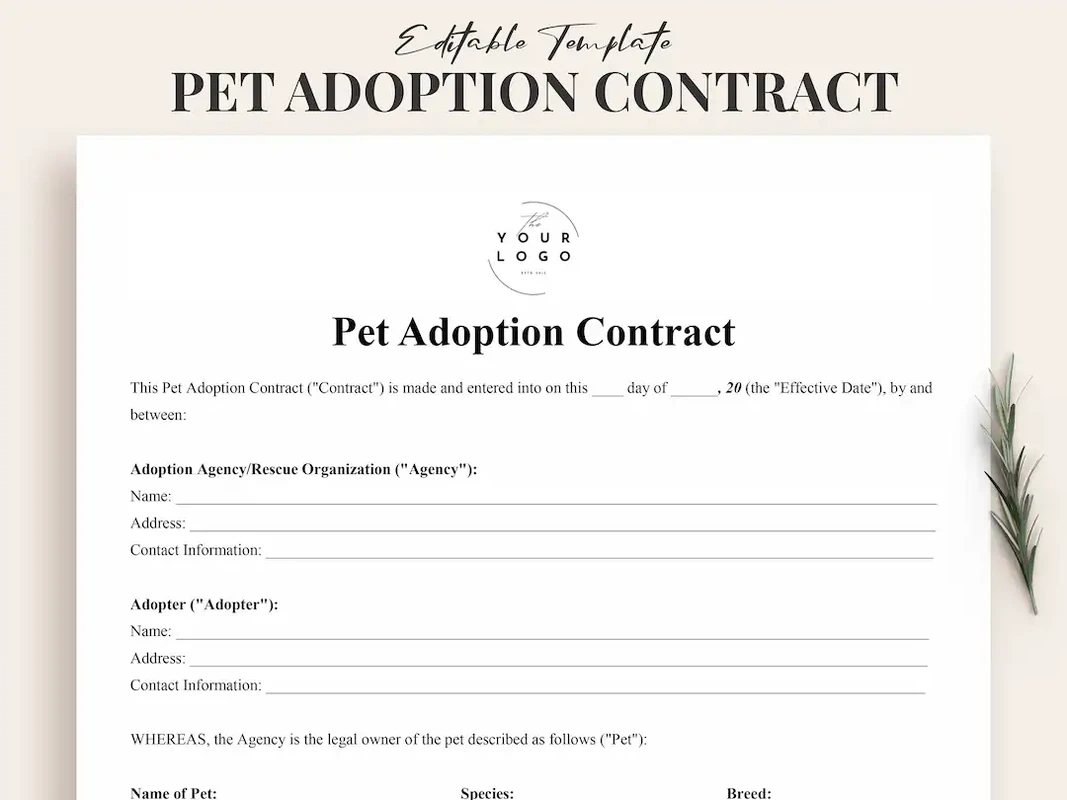
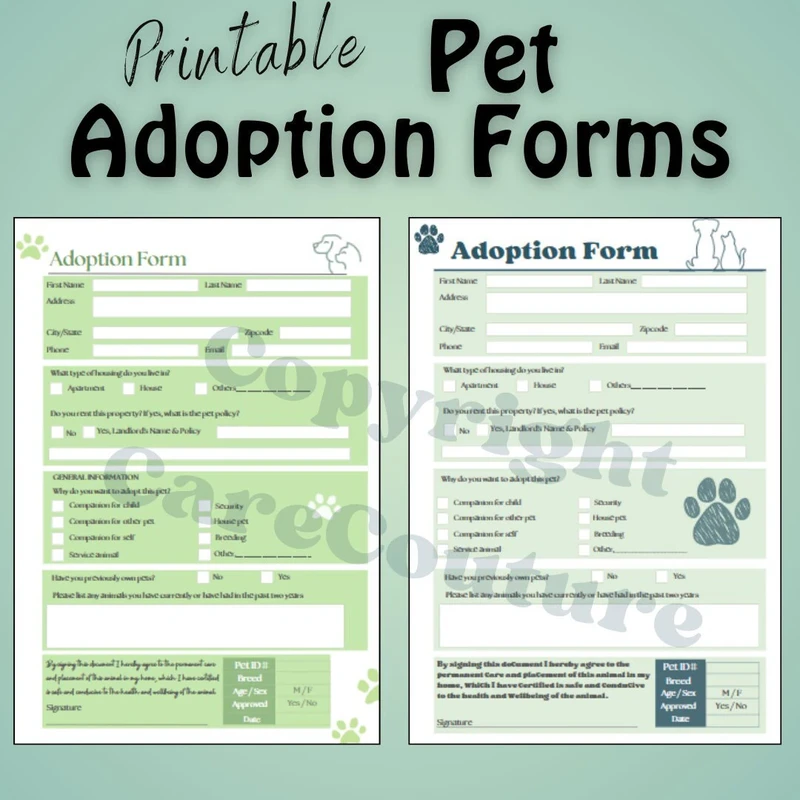
    The adoption application serves as a foundational tool for shelters and rescue organizations to assess the suitability of prospective adopters. Applications typically include:

  • Personal and contact information.
  • Household details: number of residents, ages, and lifestyle habits.
  • Experience with pets: types of animals previously or currently owned.
  • Living arrangements: home type, yard access, and landlord permissions if renting.
  • Pet preferences: species, size, age, and temperament.
  • Commitment to veterinary care and spay/neuter requirements.
  • Complete the application truthfully and thoroughly to facilitate a good pet-to-adopter match. Many organizations, including Zoetis Petcare-affiliated clinics and SPCA of Luzerne County, offer secure online forms that auto-save progress. Paper forms remain an option at some shelters.

    Applications also help adoption counselors identify pets that best fit your lifestyle and schedule an appropriate meet-and-greet.

    3. Screening and Verification Process

    After submitting your application, expect a screening process designed to protect animal welfare and ensure adopter readiness.

  • Background Checks: Many shelters perform criminal background checks or verify rental history to confirm eligibility. This is standard at organizations like Bayside Animal Hospital’s partner rescues and King County Animal Services.
  • Reference Verification: Personal or veterinary references may be requested to validate your pet care experience.
  • Home Visits: Some rescues conduct home visits to assess the living environment’s safety and suitability. This is more common for foster-to-adopt arrangements or for pets with special needs.
  • Communication: Adoption counselors and foster parents maintain ongoing contact during screening to clarify information and answer questions about pet care and adjustment.
  • Transparency and responsiveness during this phase are crucial to securing approval.

    4. Family and Pet Meet-and-Greet Requirements

    Meeting the pet before adoption is a vital step to ensure compatibility and successful integration into your home.

  • In-Person Meet-and-Greet: Shelters encourage all family members, including children and existing pets, to attend. This helps observe interactions and identify any behavioral concerns.
  • Virtual Meet-and-Greet: Some organizations, such as Chicago Pet Rescue, offer video calls or photo sessions for remote adopters or during pandemic protocols.
  • Compatibility Assessment: Adoption counselors evaluate body language, temperament, and energy levels during the meet-and-greet to recommend suitable matches.
  • Scheduling this meeting promptly after application approval expedites the process and sets clear expectations for pet behavior and care needs.

    5. Adoption Fees, Deposits, and Documentation

    Understanding fee structures and required documentation prevents surprises during finalization.

  • adoption fees: Fees vary widely and typically cover vaccinations, microchipping, spay/neuter surgeries, and administrative costs. Senior pets often qualify for fee waivers to encourage adoption.
  • Spay/Neuter Deposits: Some organizations require refundable deposits to ensure pets undergo sterilization if not already done. Proof of procedure submission triggers refunds.
  • Payment Methods: Most shelters accept credit/debit cards, checks, or cash. Confirm accepted methods beforehand.
  • Documentation: Upon payment, you receive an adoption contract detailing your rights and responsibilities, medical records, vaccination history, and sometimes a starter kit for pet care.
  • Shelters like SPCA of Luzerne County and LifeLine Animal Center emphasize transparency by providing detailed receipts and clear refund policies.

    6. Finalizing the Adoption

    The final step involves legal and logistical formalities.

  • Signing the Adoption Contract: This legally binds you to care for the pet according to shelter policies, including veterinary care and behavioral expectations.
  • Receiving Medical Records: Obtain the pet’s complete medical history, including vaccination dates, parasite treatments, and spay/neuter status.
  • Scheduling Veterinary Appointments: Plan an initial vet check within the first week of adoption to establish care continuity.
  • Preparing Your Home: Arrange a safe, comfortable space for the pet’s arrival, including bedding, food, water, and toys.
  • Completing these steps solidifies ownership and lays the groundwork for a healthy pet-owner relationship.

    7. Post-Adoption Paperwork and Care Recommendations

    Post-adoption responsibilities include registering your pet and monitoring adjustment.

  • Veterinary Registration: Contact your chosen veterinarian to transfer medical records and schedule wellness visits.
  • Pet Insurance Signup: Early insurance enrollment through providers like Zoetis Petcare mitigates future health expenses. It’s recommended to sign up before any health issues arise.
  • Adjustment Period: Follow the 3-3-3 rule—three days to adjust to new surroundings, three weeks to get used to family members, and three months to settle into full behavioral patterns.
  • Foster Parent Communication: Maintain contact with foster parents or adoption counselors for support during this transition.
  • Adopters who remain proactive with paperwork and pet care create stable environments that reduce return rates.

    Troubleshooting Common Issues During Adoption Paperwork

    Adopters occasionally encounter challenges that can delay or complicate the process. Common issues include incomplete applications, delayed background checks, and scheduling conflicts for meet-and-greets.

  • To avoid incomplete applications, review all sections before submission and attach required documents.
  • If background checks take longer than anticipated, contact the shelter’s adoption counselor for status updates.
  • For meet-and-greet scheduling conflicts, ask about virtual options or flexible timings.
  • In cases of fee payment difficulties, inquire about installment plans or fee waivers, especially for senior or special-needs pets.
  • Proactive communication with shelter staff is essential for resolving issues promptly.

    Common Mistakes to Avoid in Pet Adoption Paperwork

  • Providing inaccurate or incomplete information on applications, which can lead to rejection.
  • Failing to prepare required identification and proof of residence upfront.
  • Neglecting to involve all household members in the meet-and-greet process.
  • Overlooking the importance of reading and understanding the adoption contract terms.
  • Delaying post-adoption veterinary visits and insurance signups, risking health complications.
  • Awareness of these pitfalls helps adopters navigate the process confidently.

    Alternative Adoption Methods
    alternative-adoption-methods - How to Navigate Pet Adoption Paperwork for a Smooth 2026 Process

    Some shelters and rescue organizations offer alternative adoption pathways to accommodate diverse adopter needs:

  • Foster-to-Adopt Programs: Prospective adopters foster a pet temporarily before committing, allowing extended compatibility evaluation.
  • Senior Pet Adoption Initiatives: Reduced fees or waived deposits encourage adoption of older animals.
  • Virtual Adoption Events: Online platforms facilitate applications, screenings, and meet-and-greets remotely.
  • Group Home Visits: For high-volume shelters, group home visits streamline home suitability assessments.
  • These alternatives provide flexibility while maintaining rigorous screening standards.

    FAQ
    faq - How to Navigate Pet Adoption Paperwork for a Smooth 2026 Process

    What documents are required to apply for pet adoption?

    You typically need a government-issued photo ID and proof of residence, such as a utility bill or lease agreement. Some shelters may request veterinary records for existing pets and personal references.

    How long does the pet adoption paperwork process usually take?

    The process varies by organization but generally takes 1-3 weeks. This includes application review, background checks, meet-and-greet scheduling, and final contract signing.

    Are adoption fees refundable if I change my mind?

    Adoption fees are usually non-refundable as they cover medical care and administrative costs. However, refundable spay/neuter deposits may apply if sterilization occurs after adoption.

    Can I adopt a pet remotely without visiting the shelter?

    Many shelters offer virtual meet-and-greet options and online applications, enabling remote adoption. However, some require in-person visits before finalizing adoption.

    Is pet insurance necessary before adopting a pet?

    While not mandatory, signing up for pet insurance early is highly recommended to protect against unexpected medical expenses and ensure timely veterinary care.

    —

    Navigating pet adoption paperwork in 2026 demands attention to detail, thorough preparation, and active engagement with shelter personnel and foster parents. By following this structured guide, prospective adopters can streamline their application process, meet legal and procedural requirements, and establish a solid foundation for a lasting relationship with their new pet. Future adopters should remain informed about evolving shelter policies and leverage virtual adoption tools to enhance accessibility and convenience.

    Share: Facebook Twitter Linkedin