
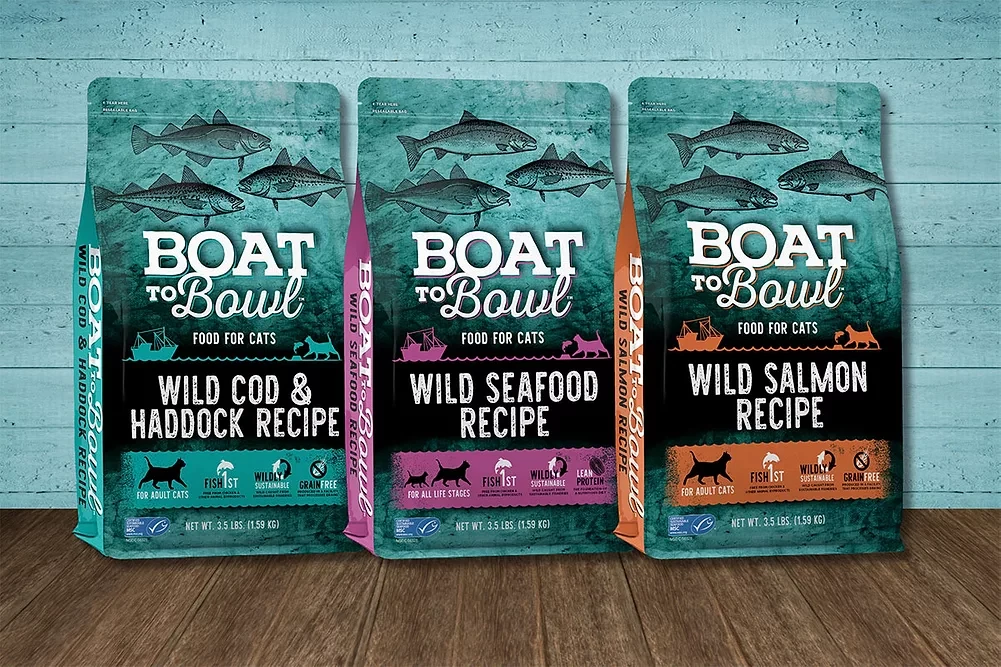
Sustainable Fish for Cat Food: Safe & Eco-Friendly Choices
PawVerde.com – Sustainable fish for cat food involves selecting species that are ecologically resilient—such as Pacific sardines or skipjack tuna—and sourcing them through certified methods like MSC. To ensure both planetary health and feline safety, owners should prioritize low-mercury, certified-sustainable species over high-risk options like bluefin tuna.
The global pet population consumes an estimated 20 million tonnes of food annually, with pet food accounting for 20% of the world’s meat consumption. As this demand scales, the pressure on marine ecosystems intensifies.
The Bioaccumulation Risk in Large Predators
Larger, long-lived predatory fish act as reservoirs for environmental pollutants. Because they consume vast quantities of smaller organisms over many years, they absorb and store significant amounts of lead, cadmium, and mercury. For a cat, consuming these concentrated toxins can lead to long-term health complications.
Why Benthic Feeders Pose a Heavy Metal Threat
The method by which a fish feeds is as critical as the species itself. Benthic feeding—where organisms feed on or near the ocean floor—exposes fish to heavy metals that have settled into the sediments. These pollutants, often originating from industrial discharge or agricultural runoff, are easily ingested by bottom-dwellers, starting a cycle of contamination that eventually reaches the top of the food chain.
| Fish Species | Ecological Sustainability | Heavy Metal Risk | Best Use Case |
|---|---|---|---|
| Skipjack Tuna | High | Low | Daily nutritional base |
| Bluefin Tuna | Low | High | Avoid in frequent feeding |
| Pacific Sardines | High | Very Low | Optimal protein & Omega-3 |
| Alaskan Salmon | High | Moderate | Premium dietary topper |
Small, fast-growing fish like Pacific sardines offer the lowest toxicological risk while maintaining high ecological value.
Greenwashing Decoder: How to Spot Real Sustainability on Labels
Pet food packaging is often saturated with environmental imagery that lacks legal substance. Some industry observations suggest that sustainability can often feel like just another buzzword companies feel obligated to throw around. Distinguishing between genuine commitment and marketing noise requires looking past the photos of blue oceans.
Evaluate your next purchase by looking for specific verification frameworks like the Marine Stewardship Council (MSC) or the Monterey Bay Aquarium Seafood Watch® rather than trusting marketing adjectives.
- Marine Stewardship Council (MSC): Look for the blue MSC label, which indicates the seafood has been caught through methods that ensure the long-term health of fish populations.
- Monterey Bay Aquarium Seafood Watch®: Check if the ingredients align with “Best Choice” or “Good Alternative” ratings provided by this partner program.
- Traceable Sourcing: Avoid the “Ocean Fish” loophole, where manufacturers use vague, unidentifiable fish blends to hide unsustainable sourcing.
- ASC Certification: For farmed options, the Aquaculture Stewardship Council (ASC) provides a benchmark for environmental and social responsibility.
A major pitfall occurs when a brand uses the term “natural” to imply sustainability; in the regulatory landscape of pet food, “natural” refers to the absence of synthetic additives, not the ecological impact of the harvest.
The Fish Meal Trap: Identifying High-Quality Whole Fish Ingredients
Ingredient quality varies significantly between brands. While some products use generic fish meal, high-quality formulations prioritize identifiable cuts, such as Open Farm products that feature 95% fresh Icelandic fish in Fish Toppers or 96% fresh Icelandic fish in Icelandic Fish Toppers.
High-quality formulations prioritize whole fish or identifiable cuts. For example, some premium lines feature 95% fresh Icelandic fish in Fish Toppers, while others achieve 96% fresh Icelandic fish in Icelandic Fish Toppers. These specific, high percentages of whole-muscle fish indicate a level of transparency and nutrient density that generic fish meal cannot match. When reading a label, look for the specific species name (e.g., “Salmon”) rather than a generic “Fish Meal” or “Fish Derivative.”
Top Sustainable Fish Species for Feline Nutrition
The best sustainable fish for cats include Pacific sardines due to their quick reproduction and resilience, skipjack tuna for its lower overfishing pressure compared to bluefin, and wild-caught Alaskan salmon, which is managed under strict, responsible fishing quotas.
To maintain population stability, owners should prioritize species like wild-caught Alaskan salmon, which is managed under strict fishing quotas.
Resilient Small Fish: The Sardine Advantage
Pacific sardines reproduce quickly, making them highly resilient to fishing pressures. For cats, they provide essential fatty acids and minerals without the heavy metal accumulation seen in larger predators.
The Tuna Hierarchy: Skipjack vs. Bluefin
Skipjack tuna is generally more sustainable than larger species like bluefin, which face severe overfishing pressures. When choosing tuna-based products, prioritizing skipjack or looking for pole-and-line caught labels can significantly reduce your cat’s ecological footprint.
| Species | Sustainability Status | Key Benefit |
|---|---|---|
| Pacific Sardine | Very High | Rapid reproduction & low toxins |
| Skipjack Tuna | High | Lower overfishing risk |
| Alaskan Salmon | High | Strictly managed quotas |
| Bluefin Tuna | Low | High risk of overexploitation |
Beyond the Ocean: The Rise of Algae-Based Omega-3s
A significant innovation in sustainable pet nutrition is the move away from fish oil toward plant-based alternatives. Algae-based omega-3 can reduce dependency on fish oil, effectively “taking the middle fish out” of the equation. This means we no longer need to catch massive amounts of small fish just to extract their oil for pet food.
Corbion, a leading producer of AlgaPrime™ DHA, utilizes a proprietary microalgae fermentation process to create high-quality Omega-3 products. This method is highly efficient and avoids the environmental costs of traditional fishing. Beyond sustainability, these algae-derived nutrients are functionally superior for certain health needs; for instance, DHA within omega-3s has been found to help slow the progression of kidney disease, which is especially important for aging cats.
Industry Shifts: Major Brand Pledges and Commitments
In 2020, Mars Petcare pledged to source all fish globally from sustainable sources. Mark Johnson, Mars Petcare’s UK general manager, stated: “We are now the first pet company to make a commitment to sustainable fish, and we hope that will act as a catalyst for the whole industry.”
These commitments extend beyond the ingredients themselves. Mars has also established a commitment for 100% recyclable packaging by 2025, addressing the environmental impact of the waste generated by pet food consumption. While these corporate pledges are a positive step, consumers should continue to verify individual product claims against third-party certifications.
Practical Guide: Transitioning and Storing Sustainable Food
Moving your cat to a more sustainable diet requires a careful approach to prevent digestive upset. If you are transitioning from a high-mercury tuna-based diet to a lower-mercury sardine or salmon-based diet, do so gradually over 7 to 10 days to allow the feline gut microbiome to adjust.
How you store food also impacts its environmental footprint. Using reusable containers like glass or stainless steel is better than plastic, as it reduces single-use waste and helps maintain the freshness of the oils.
Shortcut: To maintain maximum nutrient density, store opened dry food in airtight stainless steel containers in a cool, dark place.
Warning: Avoid storing fish-based wet food in disposable plastic pouches once opened, as this increases environmental waste and can lead to faster oxidation of delicate Omega-3 fatty acids.
FAQ
Is wild-caught fish better than farmed fish for cats?
Wild-caught Alaskan salmon is often highly managed and sustainable, making it an excellent choice. However, the “better” option depends entirely on the specific certification and the management history of the species in question; always look for MSC or ASC labels to be certain.
How can I tell if my cat food is actually sustainable?
Look for the MSC (Marine Stewardship Council) or ASC certification on the packaging. Avoid brands that use vague terms like “ocean fish” without providing traceable sourcing information or specific species names in the ingredient list.
Can algae-based DHA replace fish oil in cat diets?
Yes, microalgae fermentation, such as AlgaPrime™ DHA, provides high-quality Omega-3s. This method provides the necessary DHA and EPA without the need for “middle fish” extraction, making it a more sustainable and efficient way to support feline health.