

How to Choose Eco-Friendly Grooming Products Safely
PawVerde.com – Choosing eco-friendly grooming products effectively involves a detailed evaluation of ingredients, packaging, and brand ethics to ensure both pet health and environmental sustainability. This tutorial offers step-by-step guidance to help consumers identify grooming items made from natural, biodegradable components, packaged sustainably, and aligned with ethical certifications. It also covers selecting eco-friendly grooming tools and supporting sustainable grooming services, emphasizing transparency and reducing environmental impact.
The foundation of eco-friendly grooming products lies in their ingredient composition. Prioritize products featuring USDA organic, ECOCERT, or similar certifications indicating natural sourcing. Look for botanical oils like Meadowfoam Oil, known for moisturizing pet skin without synthetic additives. Avoid harmful chemicals such as sulfates, parabens, and synthetic fragrances that contribute to waterway pollution and may irritate sensitive animal skin.
Packaging significantly influences a product’s ecological footprint. Select grooming products contained in biodegradable, recyclable, or refillable packaging to minimize plastic waste. Brands like U GROOM have pioneered multi-use containers and plastic-free designs. Industry-wide, leading companies including L’Oréal and Estée Lauder are investing in innovations such as compostable films and post-consumer recycled plastics.
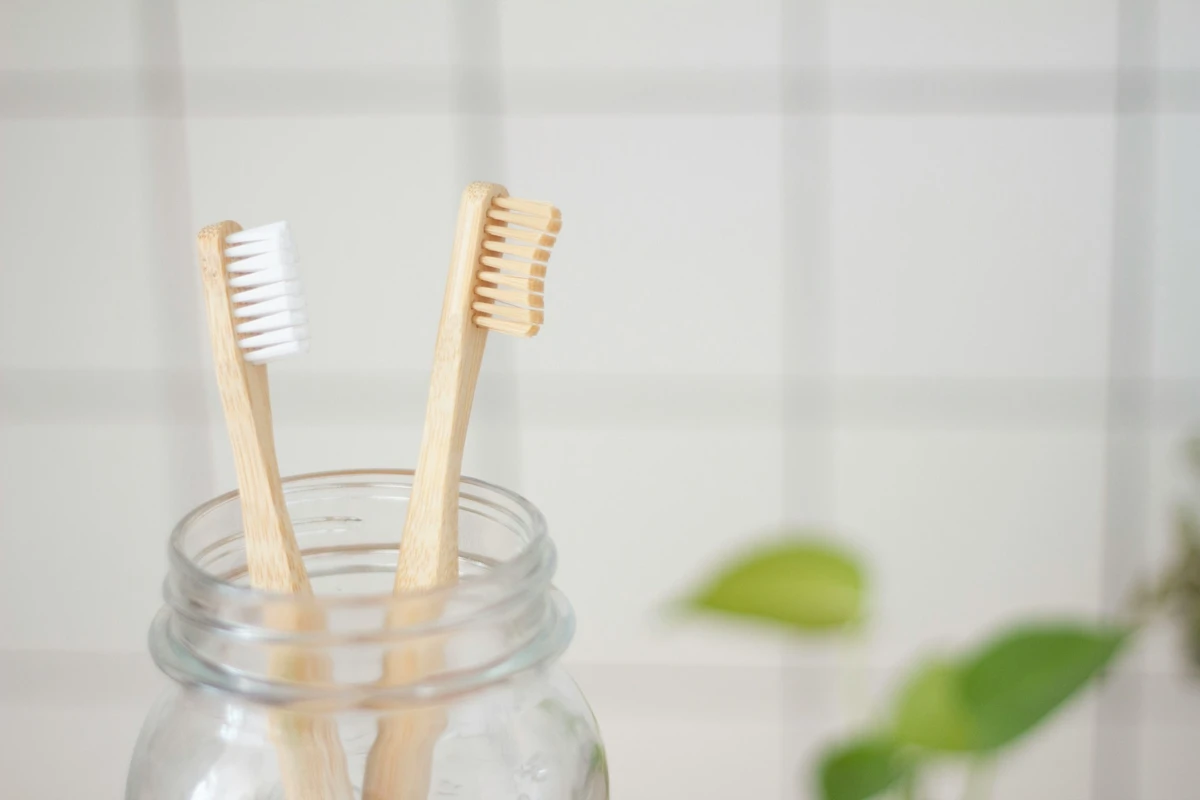
Beyond shampoos and conditioners, grooming tools contribute to sustainability. Bamboo brushes and combs with natural bristles (boar or horsehair) offer durability and biodegradability compared to synthetic plastic counterparts. Reusable grooming cloths reduce single-use waste generated by disposable wipes, aligning with zero-waste principles.
Eco-conscious grooming extends to professional services adopting sustainable operations. Identify groomers who implement water-saving techniques, recycle waste products, and compost organic material. Asking specific questions about their environmental policies promotes transparency and encourages industry adoption.
Understanding certifications helps avoid misinformation and greenwashing. Key labels include Leaping Bunny for cruelty-free status, FSC for sustainable forestry, USDA Organic for ingredient standards, and Vegan certification for animal-free products. Consumers should be wary of vague claims like “natural” or “eco-friendly” without third-party verification.
Switching pets to natural grooming products requires gradual adaptation to prevent skin irritation or allergic reactions. Introduce new shampoos and conditioners incrementally and monitor for adverse responses. Combining pet wellness with environmental responsibility ensures ethical care without compromising animal health.
Common challenges include difficulty identifying genuine eco-products, pets’ sensitivity to new ingredients, and limited availability of sustainable grooming services in certain areas. Address these by verifying certifications, conducting patch tests on pets, and supporting local groomers willing to adopt sustainable practices.
Avoid purchasing products based solely on marketing buzzwords without verifying ingredient lists or certifications. Do not assume all “natural” products are biodegradable or safe for pets. Resist using synthetic synthetic-bristle brushes that contribute to plastic pollution. Avoid abrupt changes in grooming routines that can upset pet skin balance.
Emerging alternatives include refill stations for pet shampoos in retail stores reducing single-use containers, biodegradable wipes infused with plant-based cleansers, and grooming services powered by renewable energy. Staying informed about innovations helps consumers adopt the latest sustainable practices.
| Product Aspect | Eco-Friendly Criteria | Examples |
|---|---|---|
| Ingredients | Natural, USDA Organic, cruelty-free, free from sulfates/parabens | Meadowfoam Oil, botanical extracts, no synthetic fragrances |
| Packaging | Biodegradable, recyclable, refillable, FSC-certified | U GROOM containers, L’Oréal plastic-free initiatives |
| Grooming Tools | Bamboo handles, natural bristles, reusable cloths | Bamboo brushes, organic cotton cloths |
| Service Practices | Water-saving, recycling, composting, biodegradable product use | Eco-conscious salons with green certifications |
FAQ
What ingredients should I avoid in pet grooming products?
Avoid sulfates, parabens, synthetic fragrances, and chemical preservatives that can harm pet skin and pollute the environment. Opt for natural, plant-based oils and extracts instead.
How can I tell if a grooming product is truly eco-friendly?
Look for third-party certifications such as USDA Organic, Leaping Bunny, FSC, and Vegan certification. Verify ingredient transparency and packaging sustainability claims.
Are bamboo brushes better for pets than plastic ones?
Yes, bamboo brushes with natural bristles biodegrade more easily, reduce plastic pollution, and are gentler on pet skin and hair.
Can I switch my pet to natural grooming products without causing skin issues?
Transition gradually by diluting natural shampoos initially and monitoring your pet’s skin response. Consult a vet for pets with allergies or sensitive skin.
How do I find grooming salons that follow eco-friendly practices?
Ask groomers about their use of biodegradable products, water conservation methods, and waste recycling. Look for salons with green certifications or positive environmental reviews.
Adopting eco-friendly grooming products and practices requires informed choices about ingredients, packaging, tools, and services. Consumers who apply these step-by-step instructions contribute to reducing the environmental footprint of pet care while promoting healthier grooming routines. Continuing to support brands and professionals dedicated to sustainability encourages broader industry change and safeguards both pet welfare and the planet.