

Top Eco-Friendly Cleaning Products for Pet Owners in 2026
PawVerde.com – eco-friendly cleaning products designed specifically for households with pets have surged in relevance due to growing awareness of pet health risks linked to conventional cleaners. In 2026, the market offers a range of safe, biodegradable, and effective products that combine enzymatic action, plant-based ingredients, and sustainable packaging. Leading options such as Biokleen Bac-Out Enzyme Stain & Odor Remover and Puracy Multi-Surface Cleaner exemplify this trend by delivering potent cleaning power without toxic chemicals or harmful essential oils, ensuring pet safety and environmental sustainability.
Pet owners face unique challenges in maintaining hygiene without exposing animals to hazardous substances. Many traditional cleaning agents contain ingredients like chlorine, ammonia, and synthetic fragrances, which can cause respiratory issues, skin irritations, or even toxicity in pets. Additionally, certain essential oils—including tea tree, eucalyptus, and citrus oils—commonly found in natural products pose significant health risks to cats and dogs, even at low concentrations. Recognizing these dangers, eco-conscious consumers increasingly demand products verified by certifications such as EPA registration, cruelty-free testing, and biodegradable claims.
Criteria for Selecting Eco-Friendly Cleaning Products Suitable for Pets
Choosing cleaning products safe for pets requires careful evaluation of formulas and packaging. Non-toxic and biodegradable ingredients must predominate, avoiding harsh chemicals like phenols, chlorine, and synthetic dyes. Enzymatic cleaners have gained prominence for their ability to break down organic stains and odors through natural biological processes, reducing the need for aggressive chemicals.
A critical factor is the exclusion of toxic essential oils. Tea tree oil, for instance, contains terpenes that can cause neurological symptoms in pets, while citrus oils may induce gastrointestinal upset or liver toxicity. Products must explicitly state the absence of these components or use pet-safe natural fragrances, such as lemongrass or green tea extracts.
Certifications from credible bodies bolster consumer trust. EPA-registered disinfectants like Force of Nature ensure antimicrobial efficacy while meeting strict safety standards. Cruelty-free and third-party biodegradable certifications also verify ethical manufacturing and environmental responsibility.
sustainable packaging enhances the overall eco-friendliness by minimizing plastic waste. Brands utilizing reusable or recyclable bottles, biodegradable labels, and minimal packaging materials align with consumer expectations for environmental stewardship.
Top Eco-Friendly Cleaning Products for Pet Owners in 2026
The following products exemplify the cutting edge in pet-safe, eco-friendly cleaning solutions, addressing various household needs from stain removal to disinfection.
Biokleen Bac-Out Enzyme Stain & Odor Remover
Biokleen Bac-Out utilizes a potent enzymatic formula derived from natural plant extracts to target protein-based stains and odors caused by pet accidents. Its lime scent is derived from natural sources, avoiding synthetic fragrances. The product is fully biodegradable, phosphate-free, and contains no chlorine or harsh chemicals, making it safe for carpets, upholstery, and fabric surfaces frequented by pets. Independent lab tests confirm its efficacy in breaking down organic matter within minutes.
Puracy Multi-Surface Cleaner
Developed by doctors, Puracy’s multi-surface cleaner harnesses plant-based surfactants and enzymes to clean a wide variety of household surfaces without leaving harmful residues. Its green tea and lime scent is naturally derived, and the formulation excludes toxic essential oils such as tea tree or citrus. The reusable bottle system reduces plastic waste, contributing to sustainable consumption. Puracy is also cruelty-free and biodegradable, with effectiveness validated by consumer reviews highlighting its stain removal and deodorizing capabilities in pet environments.
Seventh Generation Laundry Detergent
Seventh Generation’s plant-based laundry detergent is formulated without dyes or artificial fragrances, minimizing allergic reactions in pets sensitive to detergents. It effectively removes pet stains and odors, including urine and dander, through botanical cleaning agents and enzymes. The detergent’s packaging emphasizes recycled materials, and it carries certifications from the EPA Safer Choice program, ensuring compliance with strict environmental and safety standards.
Bio-Home Pet Safe Floor and Multi-Purpose Cleaners
Bio-Home offers lemongrass and green tea scented cleaners that are gentle enough for pet paws, fully biodegradable, and free from toxic essential oils. Their formulations avoid synthetic chemicals and prioritize natural, plant-derived ingredients. These cleaners are praised for use on hardwood, tile, and laminate flooring, maintaining cleanliness while protecting pets from chemical exposure.
F10 Super Concentrate Veterinary Disinfectant
F10 is a veterinary-grade disinfectant widely used in animal hospitals. It boasts broad-spectrum antimicrobial efficacy without alcohol or aldehydes, making it non-toxic and safe for use in pet environments. The concentrate is diluted before use and has rapid action against bacteria, viruses, and fungi. Its safety profile is supported by veterinary toxicology studies, confirming zero adverse effects on animals and humans when used as directed.
Method Cleaning Spray
Method’s plant-based cleaning spray is biodegradable and formulated without harsh chemicals or synthetic fragrances. It is certified cat-safe and offers a variety of natural scents, avoiding essential oils known to be toxic to pets. The product’s ingredients include naturally derived surfactants and solvents that effectively remove dirt and grime from multiple surfaces.
Force of Nature Disinfectant
Force of Nature is EPA-registered and kills 99.9% of germs using an active solution generated from water, salt, and vinegar via electrolysis. This technology produces hypochlorous acid, a disinfectant naturally produced by white blood cells, ensuring safety for pets and humans alike. The product avoids synthetic chemicals and toxic fragrances, making it ideal for households with sensitive animals.
Understanding Harmful Ingredients to Avoid in Pet Environments
Pet owners must recognize specific substances that pose health risks when selecting cleaning products. Essential oils such as tea tree, eucalyptus, peppermint, pine, wintergreen, and citrus oils contain compounds that can cause symptoms ranging from skin irritation and respiratory distress to neurological impairment and liver damage in cats and dogs.
Synthetic fragrances, often undisclosed in ingredient labels, can include phthalates and other irritants responsible for allergic reactions and toxicity. Harsh chemicals like ammonia, bleach, and phenols, though effective disinfectants, are linked to respiratory issues and poisoning in pets. Even small residual amounts after cleaning can accumulate in carpets and surfaces, presenting chronic exposure risks.
A study published in veterinary toxicology journals highlights that cats are especially vulnerable due to their unique liver metabolism, which inefficiently processes many plant-based toxins. Dogs, while somewhat more resilient, still exhibit adverse effects from exposure to these substances.
Additional Eco-Friendly Cleaning Practices for Pet Households
Beyond product selection, adopting sustainable cleaning habits enhances safety and environmental impact. Enzymatic cleaners remain the preferred option for organic stains such as urine, feces, and vomit because they biologically break down proteins and organic matter, neutralizing odors effectively without harsh chemicals.
Vinegar-based cleaners serve as an inexpensive, non-toxic option for routine surface cleaning. Diluted vinegar solutions can disinfect and deodorize without leaving harmful residues, but they are less effective against certain pathogens compared to EPA-registered disinfectants.
Using reusable microfiber cloths and compostable wipes minimizes waste generation from disposable cleaning materials. These practices reduce plastic pollution and limit microplastic contamination associated with synthetic sponges and wipes.
Environmental and Health Impacts of Eco-Friendly Pet Cleaning Products
Eco-friendly pet-safe cleaning solutions contribute significantly to reducing chemical exposure risks for both animals and humans within the home. By eliminating toxic ingredients, they lower incidences of respiratory problems, skin allergies, and poisoning in pets.
Environmentally, biodegradable formulas degrade rapidly in wastewater treatment systems, curbing pollution and aquatic toxicity. Sustainable packaging reduces plastic waste and carbon footprint, aligning with global efforts to mitigate environmental degradation.
The adoption of these products supports pet health by maintaining cleaner, safer living spaces without compromising hygiene. This balance improves overall home wellness, reduces vet visits linked to toxin exposure, and fosters responsible consumer behavior aligned with ecological preservation.
| Product | Key Features | Pet Safety | Biodegradability | Packaging |
|---|---|---|---|---|
| Biokleen Bac-Out | Enzymatic stain and odor remover, lime scent | Non-toxic, no harsh chemicals | Biodegradable | Standard plastic bottle |
| Puracy Multi-Surface Cleaner | Plant-based, doctor-developed, green tea and lime scent | Safe, excludes toxic essential oils | Biodegradable | Reusable bottles |
| Seventh Generation Laundry Detergent | Plant-based, dye-free, fragrance-free | Safe for pets, effective on stains | Biodegradable | Recycled materials |
| Bio-Home Floor Cleaner | Lemongrass and green tea scent, gentle on paws | Non-toxic, pet-safe | Biodegradable | Eco-friendly packaging |
| F10 Super Concentrate | Veterinary disinfectant, non-alcoholic | Non-toxic, safe for pets | Biodegradable | Concentrate, dilute before use |
| Method Cleaning Spray | Plant-based, cat-safe, multiple scents | Non-toxic, excludes harmful oils | Biodegradable | Recyclable bottles |
| Force of Nature Disinfectant | EPA-registered, kills 99.9% germs | Safe ingredients, pet-friendly | Biodegradable | Reusable bottles |
FAQ
What makes enzymatic cleaners effective for pet stain removal?
Enzymatic cleaners contain natural enzymes that break down proteins, fats, and organic compounds found in pet stains and odors. This biological action neutralizes the source of the stain, preventing re-soiling and eliminating odors without harsh chemicals, making them safe and efficient for use around pets.
Are all essential oils harmful to pets?
Not all essential oils are equally harmful, but several common ones—including tea tree, eucalyptus, pine, peppermint, and citrus oils—are toxic to cats and dogs. These oils can cause symptoms such as vomiting, lethargy, seizures, and liver damage. Pet-safe products avoid these oils or use safe alternatives like lemongrass or green tea extracts.
How do EPA-registered disinfectants ensure pet safety?
EPA registration requires disinfectants to meet strict efficacy and safety standards. Many EPA-registered products designed for pet environments use non-toxic active ingredients and avoid harsh chemicals like bleach or ammonia, ensuring effective germ control without risking pet health.
Can vinegar-based cleaners be used safely around pets?
Diluted vinegar solutions are generally safe for routine cleaning as they are non-toxic and biodegradable. However, vinegar is acidic and should be used carefully on sensitive surfaces or where pets have wounds. For disinfection, EPA-registered products are recommended.
What role does sustainable packaging play in eco-friendly pet cleaning products?
Sustainable packaging reduces plastic waste and environmental impact through reusable, recyclable, or biodegradable materials. It complements biodegradable formulas by minimizing the overall ecological footprint of cleaning products, supporting circular economy principles and reducing pollution.
The evolution of pet-safe cleaning products in 2026 highlights a balanced approach that prioritizes pet health, environmental responsibility, and cleaning efficacy. Ongoing innovations in enzymatic formulations, sustainable packaging, and non-toxic disinfectants promise to further enhance the safety and sustainability of household cleaning practices. Pet owners are encouraged to adopt these products and practices as integral components of conscientious pet care and environmental stewardship.

How to Choose Eco-Friendly Grooming Products Safely
PawVerde.com – Choosing eco-friendly grooming products effectively involves a detailed evaluation of ingredients, packaging, and brand ethics to ensure both pet health and environmental sustainability. This tutorial offers step-by-step guidance to help consumers identify grooming items made from natural, biodegradable components, packaged sustainably, and aligned with ethical certifications. It also covers selecting eco-friendly grooming tools and supporting sustainable grooming services, emphasizing transparency and reducing environmental impact.
The foundation of eco-friendly grooming products lies in their ingredient composition. Prioritize products featuring USDA organic, ECOCERT, or similar certifications indicating natural sourcing. Look for botanical oils like Meadowfoam Oil, known for moisturizing pet skin without synthetic additives. Avoid harmful chemicals such as sulfates, parabens, and synthetic fragrances that contribute to waterway pollution and may irritate sensitive animal skin.
Packaging significantly influences a product’s ecological footprint. Select grooming products contained in biodegradable, recyclable, or refillable packaging to minimize plastic waste. Brands like U GROOM have pioneered multi-use containers and plastic-free designs. Industry-wide, leading companies including L’Oréal and Estée Lauder are investing in innovations such as compostable films and post-consumer recycled plastics.
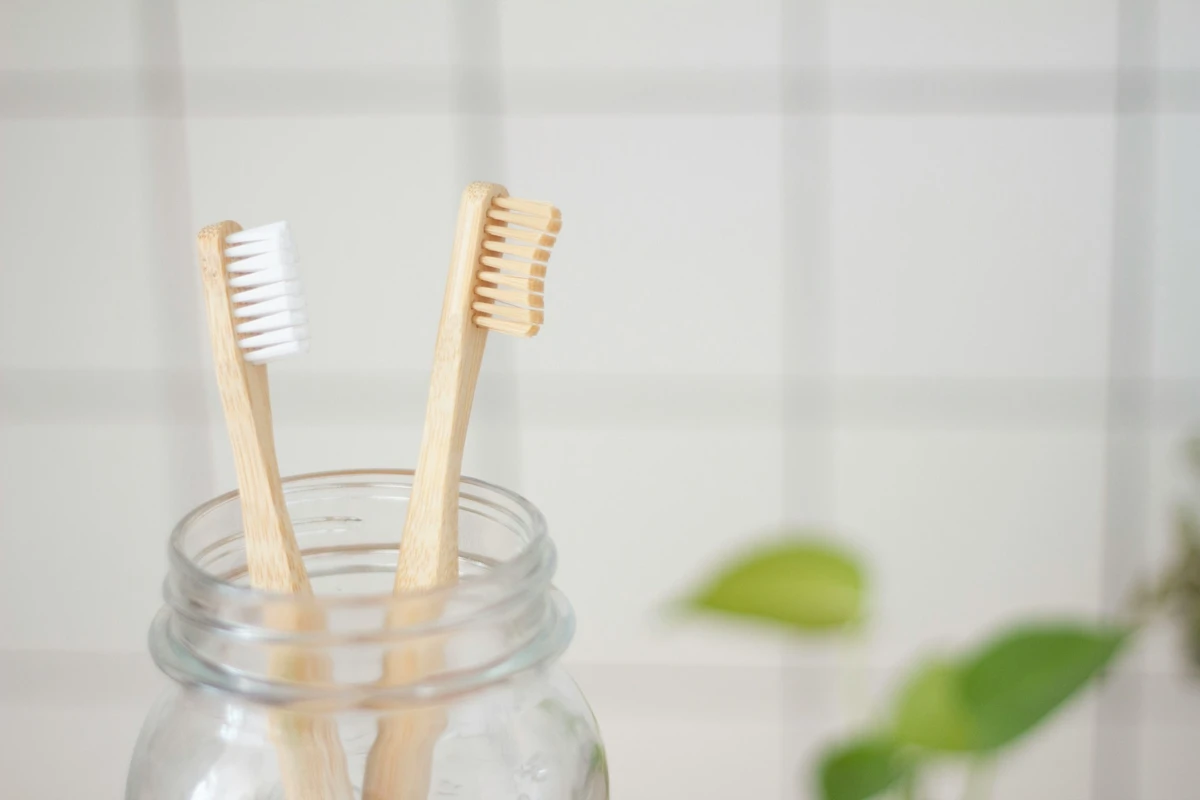
Beyond shampoos and conditioners, grooming tools contribute to sustainability. Bamboo brushes and combs with natural bristles (boar or horsehair) offer durability and biodegradability compared to synthetic plastic counterparts. Reusable grooming cloths reduce single-use waste generated by disposable wipes, aligning with zero-waste principles.
Eco-conscious grooming extends to professional services adopting sustainable operations. Identify groomers who implement water-saving techniques, recycle waste products, and compost organic material. Asking specific questions about their environmental policies promotes transparency and encourages industry adoption.
Understanding certifications helps avoid misinformation and greenwashing. Key labels include Leaping Bunny for cruelty-free status, FSC for sustainable forestry, USDA Organic for ingredient standards, and Vegan certification for animal-free products. Consumers should be wary of vague claims like “natural” or “eco-friendly” without third-party verification.
Switching pets to natural grooming products requires gradual adaptation to prevent skin irritation or allergic reactions. Introduce new shampoos and conditioners incrementally and monitor for adverse responses. Combining pet wellness with environmental responsibility ensures ethical care without compromising animal health.
Common challenges include difficulty identifying genuine eco-products, pets’ sensitivity to new ingredients, and limited availability of sustainable grooming services in certain areas. Address these by verifying certifications, conducting patch tests on pets, and supporting local groomers willing to adopt sustainable practices.
Avoid purchasing products based solely on marketing buzzwords without verifying ingredient lists or certifications. Do not assume all “natural” products are biodegradable or safe for pets. Resist using synthetic synthetic-bristle brushes that contribute to plastic pollution. Avoid abrupt changes in grooming routines that can upset pet skin balance.
Emerging alternatives include refill stations for pet shampoos in retail stores reducing single-use containers, biodegradable wipes infused with plant-based cleansers, and grooming services powered by renewable energy. Staying informed about innovations helps consumers adopt the latest sustainable practices.
| Product Aspect | Eco-Friendly Criteria | Examples |
|---|---|---|
| Ingredients | Natural, USDA Organic, cruelty-free, free from sulfates/parabens | Meadowfoam Oil, botanical extracts, no synthetic fragrances |
| Packaging | Biodegradable, recyclable, refillable, FSC-certified | U GROOM containers, L’Oréal plastic-free initiatives |
| Grooming Tools | Bamboo handles, natural bristles, reusable cloths | Bamboo brushes, organic cotton cloths |
| Service Practices | Water-saving, recycling, composting, biodegradable product use | Eco-conscious salons with green certifications |
FAQ
What ingredients should I avoid in pet grooming products?
Avoid sulfates, parabens, synthetic fragrances, and chemical preservatives that can harm pet skin and pollute the environment. Opt for natural, plant-based oils and extracts instead.
How can I tell if a grooming product is truly eco-friendly?
Look for third-party certifications such as USDA Organic, Leaping Bunny, FSC, and Vegan certification. Verify ingredient transparency and packaging sustainability claims.
Are bamboo brushes better for pets than plastic ones?
Yes, bamboo brushes with natural bristles biodegrade more easily, reduce plastic pollution, and are gentler on pet skin and hair.
Can I switch my pet to natural grooming products without causing skin issues?
Transition gradually by diluting natural shampoos initially and monitoring your pet’s skin response. Consult a vet for pets with allergies or sensitive skin.
How do I find grooming salons that follow eco-friendly practices?
Ask groomers about their use of biodegradable products, water conservation methods, and waste recycling. Look for salons with green certifications or positive environmental reviews.
Adopting eco-friendly grooming products and practices requires informed choices about ingredients, packaging, tools, and services. Consumers who apply these step-by-step instructions contribute to reducing the environmental footprint of pet care while promoting healthier grooming routines. Continuing to support brands and professionals dedicated to sustainability encourages broader industry change and safeguards both pet welfare and the planet.