

Best Supplements for Dogs with Arthritis 2026: Expert Vet Picks
PawVerde.com – Arthritis affects an estimated 20% of dogs over the age of one, significantly impacting their mobility and quality of life. In 2026, veterinary orthopedic specialists emphasize that evidence-based supplementation plays a critical role in managing canine arthritis alongside medical therapies. The most effective dog joint supplements combine foundational compounds such as glucosamine, chondroitin, MSM (methylsulfonylmethane), and omega-3 fatty acids to support cartilage repair, reduce inflammation, and improve joint function. These ingredients, often formulated with adjunctive natural extracts like green-lipped mussel and Boswellia serrata, constitute the backbone of leading products recommended by veterinarians and animal nutrition experts.
Glucosamine and chondroitin remain widely used despite mixed clinical trial results, with a large proportion of veterinary practitioners observing symptomatic improvement in affected dogs. MSM contributes essential sulfur for cartilage synthesis and exhibits anti-inflammatory effects, complementing the structural support from glucosamine and chondroitin. Omega-3 fatty acids, specifically EPA and DHA derived from fish oil, have robust evidence supporting their role in reducing joint inflammation and enhancing mobility. High-quality supplements such as Dasuquin, Cosequin, and Mobility-Max™ integrate these ingredients with bioavailable formulations verified through third-party certification, which enhances clinical outcomes and dosing consistency. However, veterinary guidance remains crucial due to individual variations in dog breeds predisposed to arthritis—such as Labradors, Golden Retrievers, and German Shepherds—and potential interactions with prescribed medications.
Core Ingredients in Dog Arthritis Supplements: Mechanisms and Veterinary Insights
Glucosamine and chondroitin sulfate form the cornerstone of most canine arthritis supplements. Glucosamine serves as a precursor for glycosaminoglycans, which are vital components of cartilage matrix synthesis. Chondroitin sulfate aids cartilage elasticity and inhibits degradative enzymes. Despite these biological roles, recent meta-analyses in the Journal of Veterinary Internal Medicine indicate inconsistent clinical efficacy, which some veterinarians attribute to variations in supplement bioavailability and study designs. Nevertheless, veterinary orthopedic specialists report improved joint lubrication and pain reduction in many cases, supporting their continued use as part of a multimodal treatment approach.
MSM supplies organic sulfur, an essential element for the synthesis of proteoglycans in cartilage. Its anti-inflammatory properties have been demonstrated in several controlled trials involving canine subjects, showing reductions in joint swelling and stiffness. Veterinary practitioners often recommend MSM in combination with glucosamine and chondroitin to maximize cartilage repair and inflammation control.
Omega-3 fatty acids, primarily EPA and DHA found in fish oil, possess potent anti-inflammatory effects by modulating eicosanoid pathways and cytokine production. Dosage guidelines suggest 100-150 mg/kg body weight per day for dogs with arthritis to achieve therapeutic benefits. Clinical studies confirm improvements in joint mobility and decreased reliance on NSAIDs when omega-3 supplementation is maintained long-term. Products like Nutramax Welactin specialize in delivering concentrated, high-purity omega-3 fatty acids tailored for canine metabolism.
Additional natural compounds gaining traction include avocado and soybean unsaponifiables (ASU), which inhibit cartilage degradation and stimulate collagen synthesis, and green-lipped mussel extracts rich in glycosaminoglycans and omega-3s. Boswellia serrata extract, known for its anti-inflammatory boswellic acids, and green tea extract, with antioxidant properties, offer supplementary joint protection. These ingredients are frequently incorporated into holistic formulations to enhance efficacy.
Leading Joint Supplement Products in 2026: Formulations and Veterinary Endorsements
Mobility-Max™ Advanced Hip & Joint Support Chews are among the most comprehensive veterinary-formulated supplements available in 2026. This product combines glucosamine hydrochloride, chondroitin sulfate, MSM, ASU, and green-lipped mussel in precise dosages validated by bioavailability studies. Mobility-Max™ is manufactured under Good Manufacturing Practices (GMP) and holds certification from the National Animal Supplement Council (NASC), ensuring product quality and safety. Veterinary orthopedic experts frequently recommend Mobility-Max™ for senior dogs and breeds predisposed to osteoarthritis due to its multi-targeted approach.
Dasuquin with MSM and Cosequin remain veterinary favorites due to extensive clinical usage and research backing. Dasuquin includes ASU, which distinguishes it from traditional glucosamine/chondroitin formulations by adding cartilage-protective effects. Both brands emphasize consistent dosing schedules and have undergone third-party testing to verify ingredient concentrations. These products have demonstrated improvements in gait analysis metrics and owner-reported pain relief in controlled studies.
Nutramax Welactin focuses on delivering pure, concentrated omega-3 fish oil supplements. Its formulation targets the inflammatory cascade underlying arthritis, complementing structural support supplements. VetriScience GlycoFlex and Zesty Paws Mobility Bites offer alternative formulations combining glucosamine, chondroitin, and natural anti-inflammatories, appealing to pet owners seeking palatable options. Pooch & Mutt’s joint health chews feature a blend of MSM, glucosamine, and turmeric, reflecting a trend towards incorporating herbal anti-inflammatory agents.
Efficacy and Considerations in Supplement Use: Research and Clinical Perspectives
The evidence on glucosamine and chondroitin’s efficacy remains equivocal, with some placebo-controlled trials showing minimal benefits and others reporting significant improvements in joint function. Variability in bioavailability, product quality, and individual dog metabolism may explain divergent outcomes. Veterinary professionals stress the importance of consistent, long-term administration—often over 8-12 weeks—before assessing clinical effectiveness. Supplements with verified ingredient concentrations and third-party certifications are more likely to yield positive results.
Bioavailability plays a critical role in supplement success. For example, some glucosamine formulations use glucosamine hydrochloride, while others prefer glucosamine sulfate, with differing absorption rates. Similarly, the source and processing of omega-3 fatty acids affect their potency. Veterinary nutritionists recommend selecting products with transparent sourcing and manufacturing standards.
Combining supplements with veterinary-prescribed NSAIDs or physical therapies can enhance overall joint health management. However, the potential for drug-supplement interactions necessitates veterinary supervision. Supplementation should never replace established medical treatments but serve as an adjunct to reduce medication doses and side effects.
Safety, Dosage, and Veterinary Guidance
Improper dosing or use of human-grade supplements in dogs can lead to adverse effects, including gastrointestinal upset and toxicity. Veterinary formulations consider canine metabolism and adjust dosages accordingly. For example, glucosamine dosing typically ranges from 500 to 1500 mg per 10 kg of body weight daily, while MSM doses are commonly around 20-50 mg/kg.
Certain breeds like Labrador Retrievers, Golden Retrievers, and German Shepherds have higher arthritis susceptibility, necessitating earlier intervention and tailored dosing. Senior dogs often require adjusted dosages due to altered metabolism and concurrent health issues.
veterinary consultation is essential before initiating supplementation to evaluate the dog’s overall health status, concurrent medications, and specific joint pathology. Wellborn Road Veterinary Medical Center and similar institutions advocate for integrative management plans combining supplements, diet, exercise, and medical therapies for optimal outcomes.
Future Trends and Research Directions in Canine Joint Health Supplements
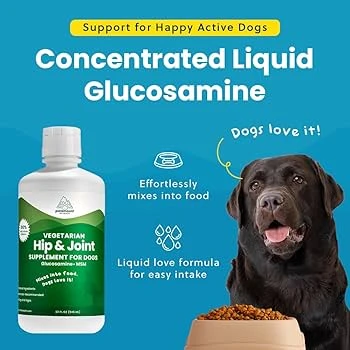
Research in 2026 is exploring novel ingredient combinations that enhance bioavailability and synergistic effects. Nanotechnology-based delivery systems aim to improve absorption of glucosamine and omega-3 fatty acids. Emerging natural compounds, such as curcumin derivatives and cannabidiol (CBD) extracts, are undergoing clinical trials to assess anti-inflammatory potentials and safety profiles.
Integrative approaches combining probiotics, tailored nutrition, and personalized supplementation regimens based on genetic predispositions are gaining interest. Veterinary institutions are increasingly incorporating joint health biomarker monitoring to evaluate supplement efficacy objectively.
Ongoing collaboration between veterinary researchers, supplement manufacturers, and regulatory bodies like NASC continues to drive innovation and quality assurance in the joint health supplement market.
Frequently Asked Questions

What are the most effective supplements for dog arthritis in 2026?
The most effective supplements combine glucosamine, chondroitin, MSM, and omega-3 fatty acids, often enhanced with avocado and soybean unsaponifiables or green-lipped mussel extract. These ingredients support cartilage repair, reduce inflammation, and improve joint mobility.
How long does it take to see benefits from joint supplements in dogs?
Clinical improvements typically require consistent supplementation for 8 to 12 weeks. Individual responses vary, and veterinary monitoring is recommended to assess efficacy.
Can joint supplements replace veterinary-prescribed arthritis medications?
No, supplements are intended as adjuncts to veterinary treatments, not replacements. They may reduce the need for NSAIDs but should be used under veterinary guidance.
Are there any risks associated with giving dogs human joint supplements?
Yes, human supplements may contain inappropriate dosages or harmful additives. Veterinary-specific formulations are safer and more effective for dogs.
What factors affect the efficacy of dog joint supplements?
Efficacy depends on ingredient bioavailability, dosage consistency, product quality, and individual dog factors such as breed, age, and arthritis severity.
—
In 2026, managing canine arthritis effectively requires a comprehensive approach that integrates high-quality joint supplements with veterinary care. The evolving landscape of joint health products emphasizes scientifically validated ingredients, rigorous manufacturing standards, and personalized dosing strategies. Pet owners and veterinary professionals alike benefit from ongoing research and clinical insights to optimize mobility, reduce pain, and enhance the quality of life for dogs suffering from arthritis.