

Common Allergens in Dog Food Trigger Immune Responses
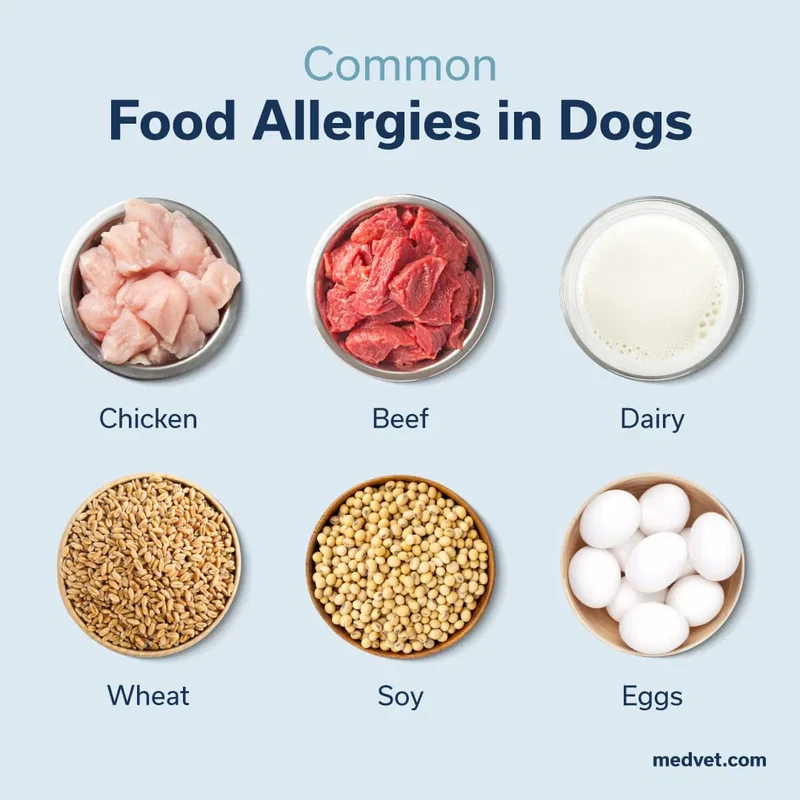
PawVerde.com – Food allergies in dogs represent a complex immune response triggered by certain dietary proteins, most commonly beef, chicken, dairy, wheat, and lamb. These allergens stimulate hypersensitivity reactions that manifest as skin inflammation, itching, redness, and gastrointestinal distress such as vomiting and diarrhea. Unlike food intolerances, which involve non-immune mechanisms, true food allergies engage the dog’s immune system, producing allergen-specific IgE antibodies. Accurate diagnosis relies heavily on elimination diets combined with veterinary allergy testing, as many commercial diets contain unlabeled allergens that complicate identification. Managing these allergies through carefully controlled diets, often using single-protein or limited-ingredient formulations like Blue Basics™ or Spot & Tango, is the current best practice supported by veterinary dermatology and nutrition experts.
Immune Mechanism and Definition of Food Allergies in Dogs
Food allergies in dogs arise from an abnormal immune system reaction to specific proteins in the diet. When the immune system mistakenly identifies certain proteins as harmful substances, it produces allergen-specific IgE antibodies that sensitize mast cells and basophils. Upon re-exposure, these cells release histamines and inflammatory mediators, leading to clinical symptoms. This type I hypersensitivity reaction primarily involves proteins rather than carbohydrates or other food components. It is essential to differentiate food allergies from food intolerances, which do not involve immune pathways but rather enzyme deficiencies or pharmacologic effects. Veterinary dermatology clinics emphasize this distinction because treatment strategies differ markedly; allergies require immune modulation and strict avoidance, while intolerances may be managed with digestive aids or ingredient moderation.
Prevalence and Primary Allergens in Canine Diets
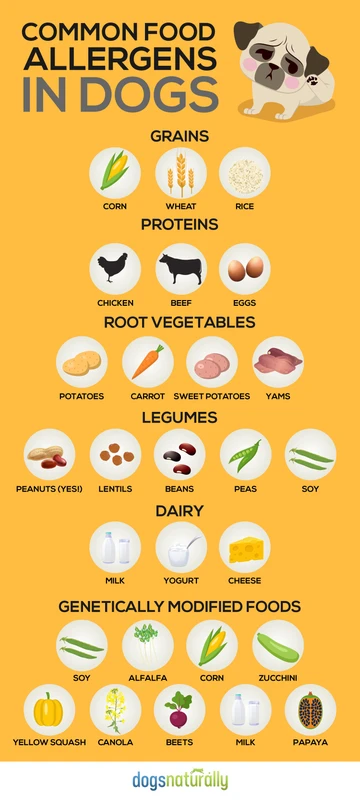
Multiple studies and clinical surveys identify beef as the leading cause of food allergies in dogs, accounting for approximately 34% of cases. Dairy products follow with about 17%, then chicken at 15%, wheat at 13%, and lamb at 5%. Eggs and soy represent less frequent allergens but remain notable, especially in certain geographical regions where dietary staples differ. The predominance of protein allergens over grains is well-documented; gluten intolerance in dogs is rare compared to humans. Variability in allergen prevalence can reflect regional feeding practices, genetic predisposition, and environmental exposure. Veterinary nutritionists highlight that cross-contamination during pet food manufacturing is a significant concern, as trace amounts of undeclared allergens may trigger hypersensitivity in highly reactive dogs.
Clinical Manifestations: Recognizing Food Allergy Symptoms in Dogs
Food allergies typically present with dermatologic and gastrointestinal symptoms. Skin manifestations include intense pruritus (itching), erythema (redness), papules, and sometimes swelling or hives. These signs often localize to the face, ears, paws, and ventral abdomen. Chronic scratching and licking can lead to secondary infections and thickened skin. Gastrointestinal signs encompass vomiting, diarrhea, flatulence, and sometimes weight loss due to malabsorption. Less commonly observed symptoms include behavioral changes such as irritability or lethargy, which may reflect systemic discomfort or nutrient deficiencies. Differentiating these symptoms from other causes of skin and digestive issues requires thorough clinical evaluation, as overlapping signs occur in parasitic infestations, bacterial infections, and environmental allergies.
Diagnostic Approaches: Elimination Diets and Veterinary Testing
Elimination diets remain the gold standard for diagnosing food allergies in dogs. This process involves feeding a novel or hydrolyzed protein diet, free from suspected allergens, for a trial period typically lasting 8 to 12 weeks. Improvement or resolution of symptoms during this phase strongly suggests food allergy, while reintroduction of the original diet or individual ingredients can confirm specific triggers. However, over-the-counter commercial diets often contain multiple protein sources and potential cross-contaminants, complicating diagnosis. Veterinary dermatologists recommend prescription limited-ingredient diets or home-prepared meals with strict ingredient control for this purpose.
Allergy testing, including serologic assays measuring allergen-specific IgE, has limited sensitivity and specificity compared to elimination diets but may assist in guiding dietary choices. Provocation or challenge tests under veterinary supervision provide further confirmation but carry risks of symptom exacerbation. Advances in diagnostic markers, such as epitope mapping and component-resolved diagnostics, are emerging but require further validation before routine clinical use.
Dietary Management: Limited-Ingredient and Hypoallergenic Dog Foods
Managing food allergies focuses on lifelong avoidance of identified allergens through specialized diets. Limited-ingredient diets containing a single protein source reduce the risk of inadvertent allergen exposure and simplify monitoring. Hydrolyzed protein diets, where proteins are enzymatically broken down to reduce immunogenicity, offer alternatives for dogs with multiple allergies or unclear triggers.
Commercial brands like Blue Basics™ and Spot & Tango have developed hypoallergenic formulations using novel proteins such as venison, rabbit, or fish, combined with minimal additives and fillers. These diets exclude common allergens and artificial preservatives to minimize immune stimulation. Veterinary nutritionists also underscore the importance of complete and balanced nutrition in these diets to prevent deficiencies. Owners are advised to avoid treats, supplements, and table scraps containing allergens, as even small exposures can prompt reactions.
Challenges in Allergen Identification and Pet Food Manufacturing
Cross-contamination during pet food production remains a persistent issue, with studies showing undeclared proteins in some commercial foods. Shared equipment and ingredient sourcing variability contribute to this problem. Regulatory oversight varies by country, and labeling standards do not always require detailed disclosure of trace ingredients. This lack of transparency complicates allergy management and increases the risk of relapse.
Additionally, some dogs exhibit cross-reactivity, where antibodies to one protein recognize similar epitopes in unrelated proteins, broadening allergen profiles. This phenomenon complicates dietary selection and necessitates careful veterinary evaluation. Manufacturers face challenges balancing ingredient variety, palatability, and allergen avoidance, highlighting the need for continued innovation in hypoallergenic pet food formulations.
Emerging Research on Allergenic Proteins and Diagnostic Innovations
Recent studies focus on identifying allergenic epitopes within canine food proteins to improve diagnostic precision. Proteomic analyses reveal specific peptide sequences responsible for immune activation, enabling development of targeted assays and personalized diets. Research also explores the microbiome’s role in modulating immune responses to dietary antigens, offering potential therapeutic avenues.
Novel diagnostic techniques such as basophil activation tests and cytokine profiling aim to differentiate food allergies from other hypersensitivities more accurately. However, research remains in early stages, with clinical application pending further validation. Understanding cross-sensitization mechanisms and the genetic basis of food allergies could enhance prevention and management strategies in the future.
Practical Recommendations for Owners and Veterinarians
Pet owners suspecting food allergies should initiate a veterinary consultation promptly to rule out other causes and begin a structured elimination diet. Strict adherence to diet protocols, including avoidance of treats and supplements, is critical for diagnostic accuracy. Monitoring symptom progression through standardized scoring systems aids in evaluating response.
Veterinarians should guide diet selection based on patient history, regional allergen prevalence, and diagnostic results. Regular follow-up is essential to adjust management plans and address nutritional adequacy. In cases of multiple or severe allergies, referral to veterinary dermatology or nutrition specialists can optimize outcomes.
Owners must be educated about the chronic nature of food allergies and the importance of lifelong allergen avoidance. Collaboration between veterinary professionals and pet food manufacturers is vital to improve labeling transparency and develop safer hypoallergenic diets.
| Common Dog Food Allergens | Prevalence (%) | Typical Symptoms | Management Strategies |
|---|---|---|---|
| Beef | 34% | Itching, redness, vomiting, diarrhea | Elimination diet, single-protein hypoallergenic diets |
| Dairy | 17% | Skin inflammation, gastrointestinal upset | Hydrolyzed protein diets, avoiding dairy products |
| Chicken | 15% | Pruritus, hives, vomiting | Novel protein diets, limited-ingredient formulations |
| Wheat | 13% | Skin symptoms, occasional GI signs | Grain-free diets, vigilance for cross-contamination |
| Lamb | 5% | Itching, digestive disturbances | Alternative protein sources, elimination trials |
FAQ
What proteins are most likely to cause food allergies in dogs?
Beef, dairy, chicken, wheat, and lamb are the most common protein allergens responsible for food allergies in dogs, with beef accounting for about one-third of cases.
How can I tell if my dog has a food allergy or intolerance?
Food allergies involve immune system reactions causing symptoms like itching and inflammation, whereas intolerances are non-immune adverse reactions such as digestive upset without skin involvement. Veterinary testing and elimination diets help differentiate the two.
Are grain allergies common in dogs?
Grain allergies, including wheat, are less common than protein allergies in dogs. True gluten intolerance is rare, and many dogs labeled as “grain allergic” are often reacting to protein components in those grains.
How is a food allergy diagnosed in dogs?
Diagnosis primarily involves an elimination diet trial using novel or hydrolyzed proteins for several weeks, followed by reintroduction of suspected allergens. Veterinary allergy testing may support but cannot replace this approach.
What are effective management strategies for dogs with food allergies?
Feeding limited-ingredient, single-protein, or hydrolyzed protein diets is the cornerstone of management. Avoiding treats and cross-contaminants, and working closely with veterinarians to monitor symptoms, are essential for long-term control.
Food allergies in dogs remain a significant veterinary challenge due to their complex immune mechanisms and the variability of allergens. Continued research into allergenic proteins and improved diagnostic tools promise enhanced accuracy and personalized dietary management. For now, elimination diets combined with hypoallergenic, limited-ingredient foods provide the most effective strategy to alleviate symptoms and improve quality of life for allergic dogs. Veterinary professionals play a critical role in guiding diagnosis and treatment, while pet food manufacturers must address labeling and cross-contamination issues to support allergy management efforts.