
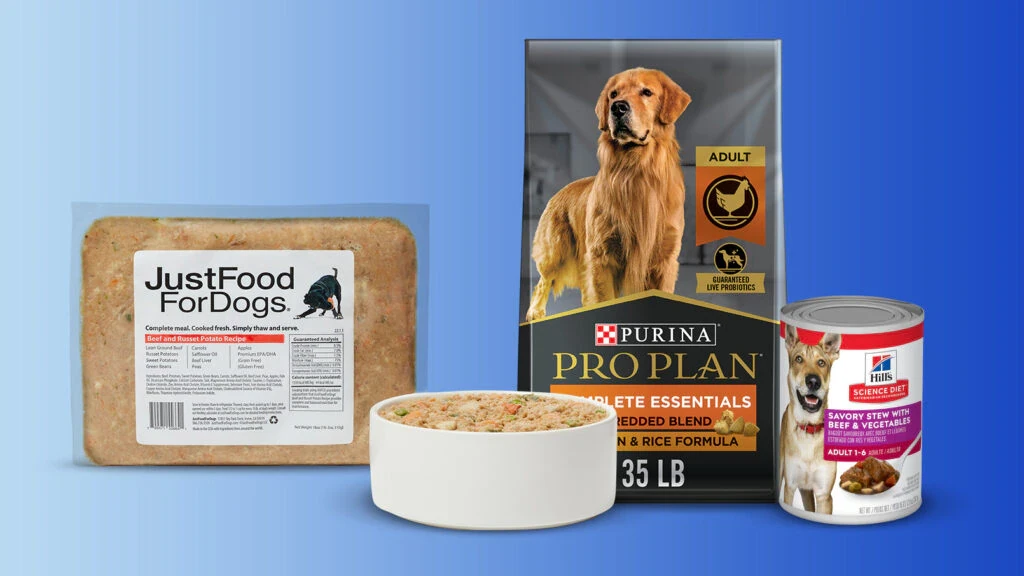
Buy Hypoallergenic Dog Food Online 2026 for Allergy Relief
PawVerde.com – hypoallergenic dog food designed with specialized protein sources and probiotics plays a critical role in managing food allergies in dogs, a condition increasingly recognized by veterinarians and pet nutrition experts. Food allergies in dogs primarily involve immune reactions to certain protein sources rather than grains, manifesting as itching, ear infections, digestive disturbances, and skin irritation. veterinary guidance is essential in diagnosing these allergies and selecting appropriate hypoallergenic diets, which often require an 8- to 12-week elimination trial to confirm efficacy. In 2026, a range of vet-recommended hypoallergenic dog food options, including hydrolyzed protein formulas, limited ingredient diets, and novel protein sources, are readily available through trusted online retailers such as Amazon, Kohapet, and Supertails.
The demand for effective hypoallergenic dog food has driven innovation in formulation, with brands like Royal Canin and Earthborn Holistic leading the market. These products focus on reducing allergen exposure while supporting gut health through probiotics and easily digestible carbohydrates. Pet owners increasingly rely on online platforms to purchase these specialized diets, balancing cost, ingredient transparency, and veterinary endorsement to ensure safe allergy management.
Understanding Food Allergies in Dogs
Food allergies in dogs often stem from an adverse immune response to dietary proteins, making proteins the most common allergenic components rather than grains or carbohydrates. The immune system mistakenly identifies certain proteins as harmful, triggering symptoms such as intense itching (pruritus), recurrent ear infections, skin irritation, and gastrointestinal upset including vomiting and diarrhea. These signs overlap with environmental allergies, complicating diagnosis without veterinary intervention.
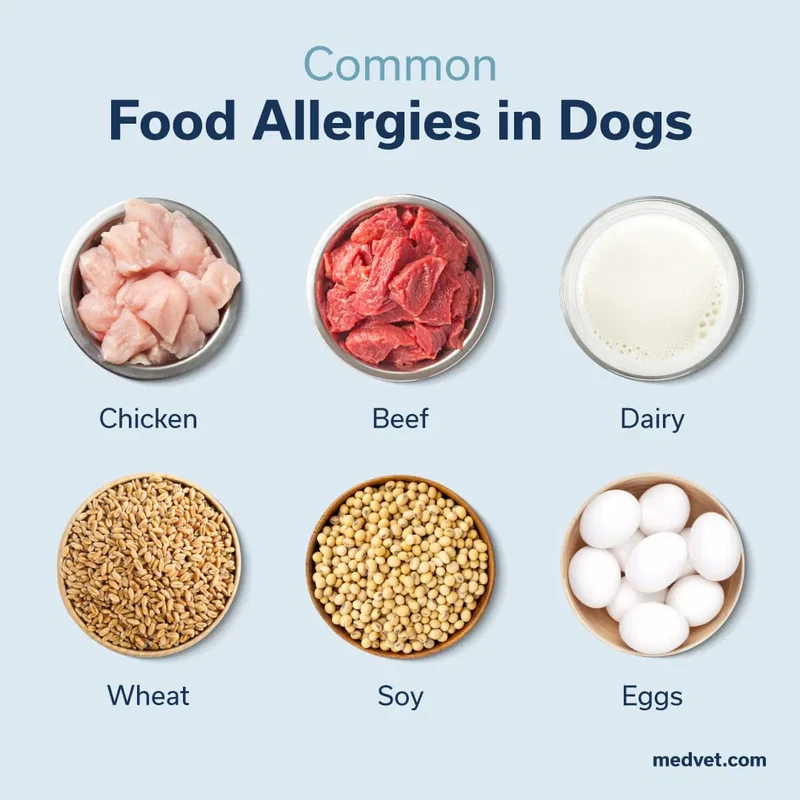
Common offending proteins include beef, chicken, dairy, and eggs, but dogs may also react to less typical sources like soy or wheat gluten. Veterinary clinics emphasize the importance of distinguishing food allergies from environmental allergens, as treatment approaches differ significantly. Unlike environmental allergies, food allergies require dietary modification rather than solely medical management.
Certain dog breeds, including West Highland White Terriers, Boxers, and Labradors, show higher predisposition to food allergies, though any breed can be affected. Pet nutritionist Laura Ward highlights that chronic skin issues and persistent digestive symptoms should prompt a veterinary evaluation focused on dietary causes.
Types of Hypoallergenic Dog Food
Hypoallergenic dog food formulations fall into three main categories, each addressing allergies via different mechanisms:
Grain-free diets are sometimes marketed as allergy-friendly; however, research shows grains are less often the cause of food allergies in dogs. Veterinary experts stress focusing on protein sources rather than grain elimination unless a specific intolerance is identified. Fresh diets with minimal processing and high digestibility also support dogs with sensitive digestive systems.
Veterinary Recommendations and Allergy Trials
Before initiating any hypoallergenic diet, consultation with a veterinarian is paramount. Accurate diagnosis involves ruling out environmental causes and conducting an elimination diet trial, typically lasting 8 to 12 weeks. During this period, dogs are fed exclusively hypoallergenic food, avoiding treats and supplements that may contain allergens.
Veterinarians monitor clinical signs throughout the trial, assessing reduction in symptoms such as itching and digestive upset. If symptoms improve, a challenge phase reintroduces previous foods to confirm specific allergens. This structured approach ensures precise identification of dietary triggers, enabling targeted long-term management.
Veterinary supervision also helps avoid nutritional imbalances common in homemade or improperly formulated diets. Prescription hypoallergenic diets from brands like Royal Canin come with guaranteed nutrient profiles and clinical evidence supporting their efficacy.
Key Ingredients and Nutritional Components in Hypoallergenic Dog Food
Hypoallergenic dog foods prioritize protein sources less likely to elicit immune responses. Venison, kangaroo, duck, lamb, salmon, and pork are frequently used due to their low prevalence in commercial dog food and distinct protein structures. These proteins reduce cross-reactivity with common allergens such as beef or chicken.
Probiotics play a significant role in maintaining gut health, which is critical in managing food allergies. Strains like Lactobacillus and Bifidobacterium improve digestion and modulate immune responses, potentially reducing inflammation linked to allergic reactions. Easily digestible carbohydrates, such as sweet potatoes or peas, provide energy without aggravating sensitive digestive tracts.
Avoidance of artificial additives, preservatives, and common allergens like soy and wheat gluten further enhances hypoallergenic formulations. Ingredient transparency, facilitated by clear labeling, allows pet owners and veterinarians to assess suitability accurately.
Buying Hypoallergenic Dog Food Online in 2026
The online marketplace offers expanded access to hypoallergenic dog food, with platforms such as Amazon, Kohapet, and Supertails providing extensive selections. These retailers stock both prescription and over-the-counter options, catering to various budgets and dietary needs.
Prescription diets from Royal Canin and other veterinary brands require a veterinary prescription but are increasingly available through verified online veterinary pharmacies and pet specialty sites. Over-the-counter hypoallergenic foods, including Earthborn Holistic’s limited ingredient lines, are accessible without prescription, providing convenience for pet owners managing mild to moderate allergies.
Price ranges vary widely, with veterinary prescription diets typically commanding higher costs due to clinical formulations and quality control standards. Earthborn Holistic’s options offer more affordable alternatives while maintaining ingredient quality.
When purchasing online, verifying product authenticity is crucial. Pet owners should examine seller ratings, look for official brand authorization, and scrutinize ingredient lists on product pages. Online reviews from sources like Dog Food Advisor and expert nutritionists offer additional insights into product performance and suitability.
Brand Spotlights and Product Examples
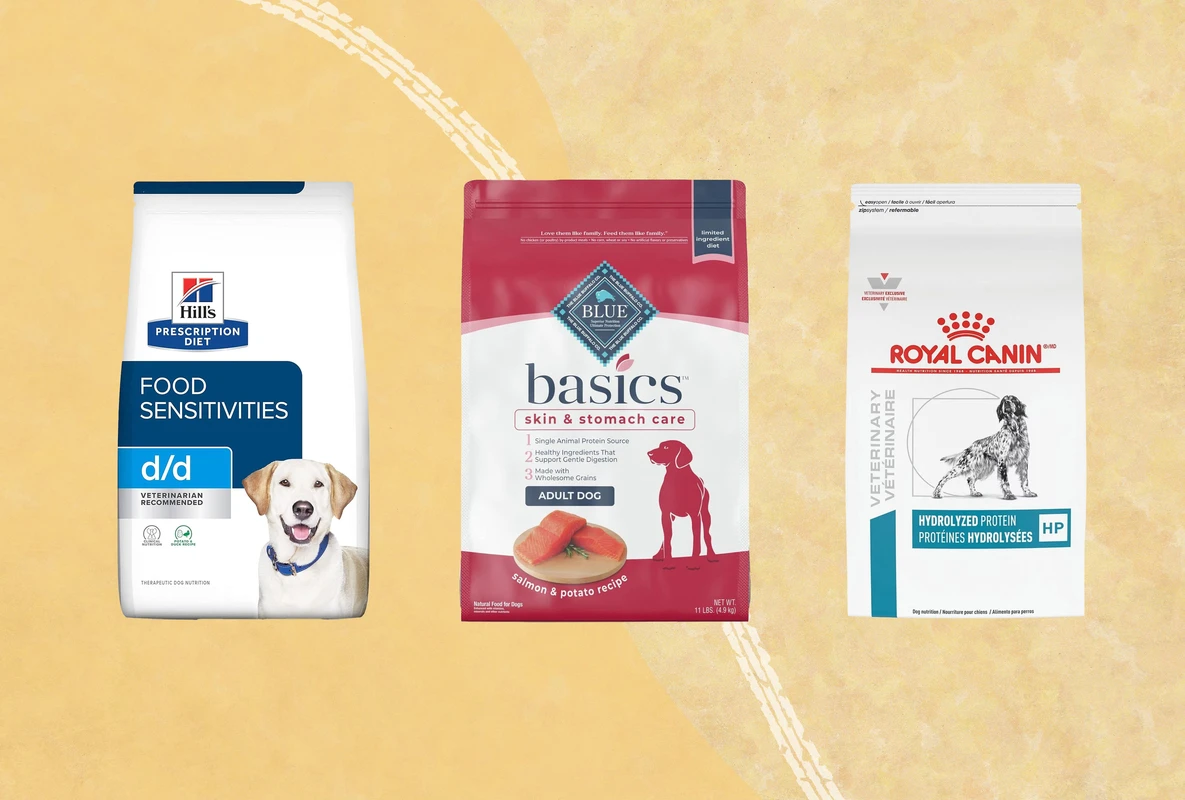
Royal Canin’s veterinary hypoallergenic diets, such as the Hydrolyzed Protein range, are widely recommended by veterinarians for managing food allergies. These diets feature extensively researched formulations with hydrolyzed soy protein or hydrolyzed chicken liver, reducing allergenicity while providing balanced nutrition.
Earthborn Holistic delivers limited ingredient formulas focusing on novel proteins and grain-free carbohydrates, appealing to pet owners seeking natural ingredients and affordability. Their products incorporate probiotics and prebiotics to support digestive health.
Dog Food Advisor ranks these brands highly based on ingredient quality, customer feedback, and nutritional adequacy. Pet nutritionist Laura Ward endorses combining these vetted products with veterinary oversight for optimal allergy management outcomes.
| Brand | Diet Type | Protein Source(s) | Key Features | Price Range (Monthly) |
|---|---|---|---|---|
| Royal Canin Veterinary Hydrolyzed | Hydrolyzed Protein Prescription | Hydrolyzed soy, chicken liver | Clinically tested, vet-prescribed, supports skin & digestion | $70 – $120 |
| Earthborn Holistic Limited Ingredient | Limited Ingredient Diet (Over-the-Counter) | Venison, salmon, duck | Grain-free, probiotics included, affordable | $40 – $70 |
| Natural Balance L.I.D. | Limited Ingredient Diet | Duck, lamb, salmon | Novel proteins, minimal ingredients, widely available | $50 – $80 |
Practical Feeding and Care Tips for Hypoallergenic Diets

Transitioning dogs to hypoallergenic diets requires a gradual introduction over 7 to 10 days, mixing increasing proportions of new food with the old to minimize digestive upset. Consistency is critical; feeding exclusively hypoallergenic food and avoiding treats or table scraps prevents accidental allergen exposure.
For dogs with multiple allergies or sensitivities, combining novel protein diets with hydrolyzed formulas under veterinary supervision can optimize results. Monitoring for symptom recurrence or new reactions is essential, prompting veterinary re-evaluation if necessary.
Regular follow-up appointments allow veterinarians to adjust dietary plans and address emerging issues such as nutrient deficiencies or secondary infections. Pet owners should maintain detailed symptom logs to support these consultations.
FAQ
What is the difference between limited ingredient and hydrolyzed protein dog food?
Limited ingredient diets use a minimal number of whole food ingredients to reduce allergens, while hydrolyzed protein diets break down proteins into small peptides that the immune system does not recognize, making them less likely to cause allergic reactions. Hydrolyzed diets typically require veterinary prescription.
How long should I feed hypoallergenic dog food to see results?
Veterinarians recommend an elimination diet trial lasting 8 to 12 weeks to accurately assess improvements in allergy symptoms. Consistent feeding without other food sources is essential during this period.
Can I buy prescription hypoallergenic dog food online without a vet’s approval?
Prescription hypoallergenic diets generally require a veterinary prescription due to their clinical nature. Some online retailers verify prescriptions before shipping, ensuring safe and appropriate use.
Are grain-free diets effective for managing dog food allergies?
Grains are less commonly responsible for food allergies in dogs; protein sources are typically the main allergens. Grain-free diets may help dogs with specific grain intolerances but are not universally necessary for allergy management.
What role do probiotics play in hypoallergenic dog food?
Probiotics support digestive health by balancing gut microbiota and modulating immune responses, potentially reducing inflammation and improving nutrient absorption in allergic dogs.
Hypoallergenic dog food in 2026 combines veterinary expertise, advanced formulation, and convenient online availability to address the complex challenge of food allergies in dogs. Pet owners should prioritize veterinary consultation, carefully select diets based on ingredient transparency and efficacy, and maintain vigilant monitoring during diet trials. As the market evolves, emerging protein sources and gut health innovations promise further improvements in managing canine food allergies safely and effectively.
Top Allergy-Friendly Dog Foods Reviewed for 2026
PawVerde.com – Dog food allergies affect approximately 10% of the canine population, presenting a significant challenge for pet owners and veterinary professionals alike. In 2026, the market for allergy-friendly dog foods has expanded dramatically, driven by advances in nutritional science, veterinary research, and consumer demand for transparency and efficacy. Leading brands such as Spot & Tango, ACANA, Hill’s Prescription Diet, and Royal Canin have introduced innovative formulas designed specifically to alleviate food sensitivities with limited-ingredient, novel protein, and veterinary-supervised diets. These products emphasize fresh and gently cooked ingredients, hypoallergenic profiles, and compliance with standards set by the Association of American Feed Control Officials (AAFCO).
Proteins such as chicken and beef remain the primary allergens responsible for canine food sensitivities, with dairy products and common carbohydrate fillers like wheat, soy, and corn often exacerbating symptoms. Artificial preservatives and coloring agents further complicate allergic reactions by triggering immune responses or gastrointestinal distress. Consequently, manufacturers are increasingly focusing on limited-ingredient recipes that exclude these known allergens, carefully balancing nutrient density and palatability to support optimal digestive and skin health in sensitive dogs.
Common Dog Food Allergens and Allergy Triggers
Chicken and beef are identified as the most frequent protein allergens in dogs, accounting for a majority of reported cases of food allergies and intolerances. These proteins, when repeatedly introduced in a dog’s diet, can lead to hypersensitivity reactions manifesting as pruritus, chronic ear infections, or gastrointestinal upset. Dairy allergens, particularly lactose and milk proteins, also contribute significantly to food sensitivities, often causing diarrheal episodes and bloating.
Carbohydrate sources such as wheat, soy, and corn have been implicated as secondary allergens or irritants. These ingredients, commonly used as fillers or binders in commercial dog foods, can provoke immune reactions or worsen existing gastrointestinal inflammation. Artificial preservatives like BHA, BHT, and ethoxyquin, as well as synthetic coloring agents, are increasingly scrutinized due to their potential to induce allergic or toxic responses in susceptible animals.
Veterinary nutritionists emphasize the importance of identifying specific allergen triggers through elimination diets conducted under professional supervision. This approach involves restricting the dog’s diet to novel proteins and carbohydrate sources not previously consumed, thereby reducing immune system activation and allowing for accurate diagnosis.
Top Dog Food Types for Allergies in 2026
The dog food industry in 2026 offers a diverse range of allergy-friendly options tailored to the specific needs of dogs with food sensitivities. Fresh, limited-ingredient dog foods have emerged as a leading category, with brands like Spot & Tango and JustFoodForDogs offering gently cooked recipes that exclude common allergens while preserving nutrient integrity. Spot & Tango’s UnKibble, for example, combines fresh proteins such as turkey or lamb with carefully selected vegetables, avoiding grains, artificial additives, and typical protein allergens.
Limited-ingredient dry kibble remains popular among pet owners seeking convenience without compromising allergy management. ACANA’s Singles line and Nulo Freestyle provide grain-free, single-protein formulas that simplify ingredient profiles and reduce the risk of allergen exposure. These products emphasize high-quality animal proteins and minimal use of fillers, aligning with veterinary recommendations for dogs with food sensitivities.
Hypoallergenic wet foods are a critical option for dogs with sensitive stomachs or those requiring enhanced hydration. Hill’s Prescription Diet z/d and Royal Canin Ultamino represent veterinary-formulated solutions clinically tested to reduce allergic reactions through hydrolyzed proteins and novel carbohydrate sources. These diets are often prescribed by veterinarians as part of elimination trials or long-term management of food allergies and atopic dermatitis.
Freeze-dried and raw food options such as Maxbone and Vital Essentials provide alternative feeding methods that retain natural enzyme activity and bioavailable nutrients. These products utilize minimal processing and novel protein sources to minimize allergenicity while supporting gut health.
Novel Protein Options for Dogs with Complex Allergies
Dogs with complex or multiple allergies often benefit from diets incorporating novel proteins that have limited cross-reactivity with traditional allergens. Camel, goat, rabbit, and venison are among the less common protein sources gaining traction in 2026 formulations. These proteins are less likely to induce immune responses due to their rarity in standard pet diets and their distinct amino acid profiles.
Cross-reactivity remains a concern, particularly among poultry species. For instance, dogs allergic to chicken may also react to turkey or duck, necessitating careful selection of protein sources. Veterinary nutritionists recommend introducing novel proteins gradually and monitoring for adverse reactions to mitigate this risk.
The increasing availability of these novel protein diets supports more individualized allergy management, enabling veterinarians to tailor feeding plans based on each dog’s allergen profile and clinical history.
Role of Prescription and Veterinary-Formulated Diets
Veterinary supervision is crucial for diagnosing and managing food allergies in dogs. Prescription diets from manufacturers like Hill’s, Royal Canin, and Purina Pro Plan are formulated with hydrolyzed or novel proteins and undergo rigorous testing for efficacy and safety. These diets meet AAFCO nutritional standards while targeting specific clinical needs such as skin barrier repair, inflammation reduction, and digestive tolerance.
Independence Veterinary Clinic and other specialist practices emphasize the integration of board-certified veterinary nutritionists in allergy management protocols. These professionals guide elimination diet trials, interpret diagnostic results, and recommend appropriate commercial or home-cooked diets that align with individual patient requirements.
Such diets are often combined with pharmacological interventions and environmental allergen control to provide comprehensive care for allergic dogs.
Feeding Strategies and Allergy Management Tips
Effective management of canine food allergies extends beyond product selection to include precise feeding strategies. Gradual diet transitions over 7-14 days are recommended to minimize gastrointestinal upset and allow the dog’s microbiome to adapt to new ingredients. Symptom tracking, including monitoring skin condition, stool quality, and behavioral changes, is essential for assessing diet effectiveness.
Portion control ensures balanced nutrient intake and prevents obesity, which can exacerbate inflammatory responses. Consistency in feeding schedules and avoiding cross-contact with other pet foods or treats reduces the risk of inadvertent allergen exposure.
Veterinary nutritionists advise maintaining detailed feeding logs and collaborating closely with veterinarians to adjust diets based on clinical outcomes. Avoiding homemade recipes with unverified nutrient profiles without expert guidance is critical to prevent nutritional deficiencies or imbalances.
Emerging Trends and Market Insights
The allergy-friendly dog food segment is witnessing robust growth driven by increasing pet owner awareness and advances in food technology. Transparency regarding ingredient sourcing, processing methods, and nutritional adequacy has become a key differentiator among brands. Companies like Maev and The Farmer’s Dog are leveraging subscription models and tailored meal bundles to provide personalized solutions that enhance compliance and convenience.
Natural, minimally processed ingredients with no artificial preservatives and fillers are prioritized to appeal to health-conscious consumers and support long-term allergy management. Freeze-dried and gently cooked diets continue to gain market share due to their superior digestibility and nutrient retention.
Veterinary clinics and nutritionists are increasingly collaborating with manufacturers to develop innovative products and educational resources, fostering evidence-based feeding practices at the point of care.
| Brand | Diet Type | Key Features | Target Allergy Types | Veterinary Endorsement |
|---|---|---|---|---|
| Spot & Tango | Fresh, Limited-Ingredient | Free from common allergens; fresh proteins like turkey and lamb; grain-free | Protein and grain allergies | Recommended for elimination diets |
| ACANA Singles | Limited-Ingredient Dry Kibble | Single animal protein source; grain-free; no artificial additives | Protein allergies, food sensitivities | Widely accepted by vets |
| Hill’s Prescription Diet z/d | Hypoallergenic Wet Food | Hydrolyzed proteins; clinically tested; supports skin and GI health | Severe food allergies and intolerances | Veterinary prescribed |
| Royal Canin Ultamino | Hypoallergenic Wet Food | Hydrolyzed protein; novel carbohydrate sources; skin allergy focus | Food and skin allergies | Veterinary prescribed |
| Maxbone | Freeze-Dried Raw | Minimal processing; novel proteins; retains enzymes and nutrients | Complex allergies | Increasing veterinary support |
FAQ

What are the most common allergens in dog food?
Chicken and beef proteins top the list of common dog food allergens, followed by dairy products, wheat, soy, and corn. Artificial additives may also trigger allergic reactions.
How do limited-ingredient diets help dogs with allergies?
Limited-ingredient diets reduce exposure to multiple allergens by focusing on a single protein source and minimal carbohydrate fillers, lowering the risk of triggering immune responses.
When should I use prescription dog food for my allergic dog?
Prescription diets are recommended when allergies cause severe symptoms or when diagnostic elimination diets fail. These foods contain hydrolyzed or novel proteins and are formulated under veterinary supervision.
Are novel protein diets always safe for allergic dogs?
While novel proteins reduce allergen exposure, cross-reactivity between related species can occur. veterinary guidance is essential to select appropriate proteins and monitor reactions.
How should I transition my dog to a new hypoallergenic diet?
A gradual transition over at least one to two weeks is advised to prevent digestive upset. Close monitoring of allergy symptoms during the transition helps assess diet suitability.
The landscape of dog food allergy management in 2026 reflects a sophisticated integration of nutritional science, veterinary expertise, and consumer demand for safe, effective diets. Continued innovation in novel protein sources, fresh and minimally processed foods, and tailored feeding strategies promises improved outcomes for allergic dogs. Pet owners and veterinarians can expect further advancements in personalized nutrition plans, leveraging technology and clinical data to optimize allergy control and quality of life.

Common Allergens in Dog Food Trigger Immune Responses
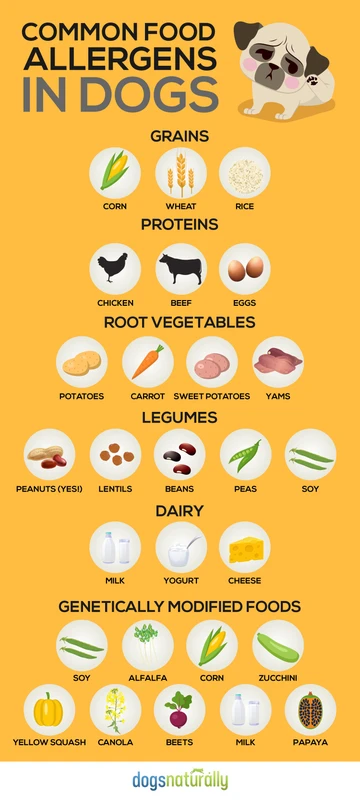
PawVerde.com – Food allergies in dogs represent a complex immune response triggered by certain dietary proteins, most commonly beef, chicken, dairy, wheat, and lamb. These allergens stimulate hypersensitivity reactions that manifest as skin inflammation, itching, redness, and gastrointestinal distress such as vomiting and diarrhea. Unlike food intolerances, which involve non-immune mechanisms, true food allergies engage the dog’s immune system, producing allergen-specific IgE antibodies. Accurate diagnosis relies heavily on elimination diets combined with veterinary allergy testing, as many commercial diets contain unlabeled allergens that complicate identification. Managing these allergies through carefully controlled diets, often using single-protein or limited-ingredient formulations like Blue Basics™ or Spot & Tango, is the current best practice supported by veterinary dermatology and nutrition experts.
Immune Mechanism and Definition of Food Allergies in Dogs
Food allergies in dogs arise from an abnormal immune system reaction to specific proteins in the diet. When the immune system mistakenly identifies certain proteins as harmful substances, it produces allergen-specific IgE antibodies that sensitize mast cells and basophils. Upon re-exposure, these cells release histamines and inflammatory mediators, leading to clinical symptoms. This type I hypersensitivity reaction primarily involves proteins rather than carbohydrates or other food components. It is essential to differentiate food allergies from food intolerances, which do not involve immune pathways but rather enzyme deficiencies or pharmacologic effects. Veterinary dermatology clinics emphasize this distinction because treatment strategies differ markedly; allergies require immune modulation and strict avoidance, while intolerances may be managed with digestive aids or ingredient moderation.
Prevalence and Primary Allergens in Canine Diets
Multiple studies and clinical surveys identify beef as the leading cause of food allergies in dogs, accounting for approximately 34% of cases. Dairy products follow with about 17%, then chicken at 15%, wheat at 13%, and lamb at 5%. Eggs and soy represent less frequent allergens but remain notable, especially in certain geographical regions where dietary staples differ. The predominance of protein allergens over grains is well-documented; gluten intolerance in dogs is rare compared to humans. Variability in allergen prevalence can reflect regional feeding practices, genetic predisposition, and environmental exposure. Veterinary nutritionists highlight that cross-contamination during pet food manufacturing is a significant concern, as trace amounts of undeclared allergens may trigger hypersensitivity in highly reactive dogs.
Clinical Manifestations: Recognizing Food Allergy Symptoms in Dogs
Food allergies typically present with dermatologic and gastrointestinal symptoms. Skin manifestations include intense pruritus (itching), erythema (redness), papules, and sometimes swelling or hives. These signs often localize to the face, ears, paws, and ventral abdomen. Chronic scratching and licking can lead to secondary infections and thickened skin. Gastrointestinal signs encompass vomiting, diarrhea, flatulence, and sometimes weight loss due to malabsorption. Less commonly observed symptoms include behavioral changes such as irritability or lethargy, which may reflect systemic discomfort or nutrient deficiencies. Differentiating these symptoms from other causes of skin and digestive issues requires thorough clinical evaluation, as overlapping signs occur in parasitic infestations, bacterial infections, and environmental allergies.
Diagnostic Approaches: Elimination Diets and Veterinary Testing
Elimination diets remain the gold standard for diagnosing food allergies in dogs. This process involves feeding a novel or hydrolyzed protein diet, free from suspected allergens, for a trial period typically lasting 8 to 12 weeks. Improvement or resolution of symptoms during this phase strongly suggests food allergy, while reintroduction of the original diet or individual ingredients can confirm specific triggers. However, over-the-counter commercial diets often contain multiple protein sources and potential cross-contaminants, complicating diagnosis. Veterinary dermatologists recommend prescription limited-ingredient diets or home-prepared meals with strict ingredient control for this purpose.
Allergy testing, including serologic assays measuring allergen-specific IgE, has limited sensitivity and specificity compared to elimination diets but may assist in guiding dietary choices. Provocation or challenge tests under veterinary supervision provide further confirmation but carry risks of symptom exacerbation. Advances in diagnostic markers, such as epitope mapping and component-resolved diagnostics, are emerging but require further validation before routine clinical use.
Dietary Management: Limited-Ingredient and Hypoallergenic Dog Foods
Managing food allergies focuses on lifelong avoidance of identified allergens through specialized diets. Limited-ingredient diets containing a single protein source reduce the risk of inadvertent allergen exposure and simplify monitoring. Hydrolyzed protein diets, where proteins are enzymatically broken down to reduce immunogenicity, offer alternatives for dogs with multiple allergies or unclear triggers.
Commercial brands like Blue Basics™ and Spot & Tango have developed hypoallergenic formulations using novel proteins such as venison, rabbit, or fish, combined with minimal additives and fillers. These diets exclude common allergens and artificial preservatives to minimize immune stimulation. Veterinary nutritionists also underscore the importance of complete and balanced nutrition in these diets to prevent deficiencies. Owners are advised to avoid treats, supplements, and table scraps containing allergens, as even small exposures can prompt reactions.
Challenges in Allergen Identification and Pet Food Manufacturing
Cross-contamination during pet food production remains a persistent issue, with studies showing undeclared proteins in some commercial foods. Shared equipment and ingredient sourcing variability contribute to this problem. Regulatory oversight varies by country, and labeling standards do not always require detailed disclosure of trace ingredients. This lack of transparency complicates allergy management and increases the risk of relapse.
Additionally, some dogs exhibit cross-reactivity, where antibodies to one protein recognize similar epitopes in unrelated proteins, broadening allergen profiles. This phenomenon complicates dietary selection and necessitates careful veterinary evaluation. Manufacturers face challenges balancing ingredient variety, palatability, and allergen avoidance, highlighting the need for continued innovation in hypoallergenic pet food formulations.
Emerging Research on Allergenic Proteins and Diagnostic Innovations
Recent studies focus on identifying allergenic epitopes within canine food proteins to improve diagnostic precision. Proteomic analyses reveal specific peptide sequences responsible for immune activation, enabling development of targeted assays and personalized diets. Research also explores the microbiome’s role in modulating immune responses to dietary antigens, offering potential therapeutic avenues.
Novel diagnostic techniques such as basophil activation tests and cytokine profiling aim to differentiate food allergies from other hypersensitivities more accurately. However, research remains in early stages, with clinical application pending further validation. Understanding cross-sensitization mechanisms and the genetic basis of food allergies could enhance prevention and management strategies in the future.
Practical Recommendations for Owners and Veterinarians
Pet owners suspecting food allergies should initiate a veterinary consultation promptly to rule out other causes and begin a structured elimination diet. Strict adherence to diet protocols, including avoidance of treats and supplements, is critical for diagnostic accuracy. Monitoring symptom progression through standardized scoring systems aids in evaluating response.
Veterinarians should guide diet selection based on patient history, regional allergen prevalence, and diagnostic results. Regular follow-up is essential to adjust management plans and address nutritional adequacy. In cases of multiple or severe allergies, referral to veterinary dermatology or nutrition specialists can optimize outcomes.
Owners must be educated about the chronic nature of food allergies and the importance of lifelong allergen avoidance. Collaboration between veterinary professionals and pet food manufacturers is vital to improve labeling transparency and develop safer hypoallergenic diets.
| Common Dog Food Allergens | Prevalence (%) | Typical Symptoms | Management Strategies |
|---|---|---|---|
| Beef | 34% | Itching, redness, vomiting, diarrhea | Elimination diet, single-protein hypoallergenic diets |
| Dairy | 17% | Skin inflammation, gastrointestinal upset | Hydrolyzed protein diets, avoiding dairy products |
| Chicken | 15% | Pruritus, hives, vomiting | Novel protein diets, limited-ingredient formulations |
| Wheat | 13% | Skin symptoms, occasional GI signs | Grain-free diets, vigilance for cross-contamination |
| Lamb | 5% | Itching, digestive disturbances | Alternative protein sources, elimination trials |
FAQ
What proteins are most likely to cause food allergies in dogs?
Beef, dairy, chicken, wheat, and lamb are the most common protein allergens responsible for food allergies in dogs, with beef accounting for about one-third of cases.
How can I tell if my dog has a food allergy or intolerance?
Food allergies involve immune system reactions causing symptoms like itching and inflammation, whereas intolerances are non-immune adverse reactions such as digestive upset without skin involvement. Veterinary testing and elimination diets help differentiate the two.
Are grain allergies common in dogs?
Grain allergies, including wheat, are less common than protein allergies in dogs. True gluten intolerance is rare, and many dogs labeled as “grain allergic” are often reacting to protein components in those grains.
How is a food allergy diagnosed in dogs?
Diagnosis primarily involves an elimination diet trial using novel or hydrolyzed proteins for several weeks, followed by reintroduction of suspected allergens. Veterinary allergy testing may support but cannot replace this approach.
What are effective management strategies for dogs with food allergies?
Feeding limited-ingredient, single-protein, or hydrolyzed protein diets is the cornerstone of management. Avoiding treats and cross-contaminants, and working closely with veterinarians to monitor symptoms, are essential for long-term control.
Food allergies in dogs remain a significant veterinary challenge due to their complex immune mechanisms and the variability of allergens. Continued research into allergenic proteins and improved diagnostic tools promise enhanced accuracy and personalized dietary management. For now, elimination diets combined with hypoallergenic, limited-ingredient foods provide the most effective strategy to alleviate symptoms and improve quality of life for allergic dogs. Veterinary professionals play a critical role in guiding diagnosis and treatment, while pet food manufacturers must address labeling and cross-contamination issues to support allergy management efforts.