

How to Make Safe Pet Toys from Recycled Materials Easily
PawVerde.com – Creating safe and engaging pet toys from recycled materials allows pet owners to provide enrichment while supporting sustainable living. Using common household waste such as old T-shirts, cardboard, and plastic bottles, you can craft durable, eco-friendly toys tailored to dogs and cats. Prioritizing pet safety and interaction, these DIY projects reduce landfill waste and offer cost-effective alternatives to commercial products.
Safe materials for homemade pet toys include sturdy cardboard boxes, egg cartons, and paper rolls; fabric items like worn T-shirts, denim jeans, and socks; and plastic bottles used with protective coverings. Natural fibers such as hemp and jute also provide durable, non-toxic options. Avoid small parts that can detach or materials treated with chemicals, following FDA guidelines to prevent hazards.
Safe Recycled Materials for Pet Toys
Choosing appropriate materials is critical for pet toy safety and longevity. Cardboard and paper products are versatile; corrugated boxes withstand biting while egg cartons create interactive treat puzzles. Toilet paper rolls offer a lightweight base for stuffing treats, fostering mental stimulation.
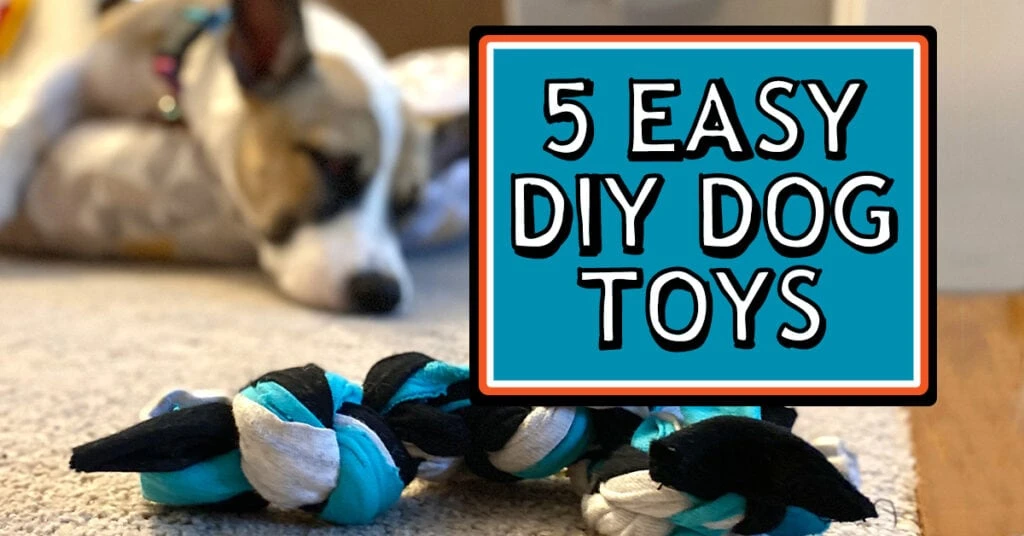
Old clothing provides fabric suitable for braided tug toys or chew-resistant playthings. Cotton T-shirts and sweatshirts are easy to cut and braid, while denim jeans supply tougher fibers ideal for heavy chewers. Socks become soft crinkle balls or catnip pouches, engaging cats in batting or sniffing activities.
Plastic bottles can be repurposed into treat dispensers or crinkle toys but require a fabric sleeve to prevent sharp edges and ingestion risks. Natural fibers like hemp and jute offer eco-friendly durability for ropes or shreddable toys, appealing to pets’ instinctual behaviors.
Step-by-Step DIY Pet Toy Projects
Practical crafting steps help pet owners create enriching toys tailored to their pets’ preferences and safety.
1. Egg Carton Treasure Hunt
This project uses recycled egg cartons to encourage foraging behavior in dogs and cats.
Steps:
Time: 10 minutes prep; variable playtime.
2. Braided T-shirt Tug Toy
This durable tug toy engages dogs in interactive play using recycled fabric.
Steps:
Time: 15 minutes.
3. No-Sew Denim Chew Toy
Ideal for heavy chewers, denim fabric offers toughness without sewing.
Steps:
Time: 20 minutes.
4. Treat Tube Puzzle
Encourages cognitive engagement by hiding food in a recyclable tube.
Steps:
Time: 5 minutes.
5. Crinkle Ball
A soft, noisy toy for cats and small dogs made from paper and socks.
Steps:
Time: 10 minutes.
6. Sock Ball with Catnip
A stimulating cat toy combining scent and texture.
Steps:
Time: 5 minutes.
Material Safety and Supervision Tips
Ensuring pet safety requires avoiding small detachable parts, toxic dyes, or sharp edges. Cardboard and fabric should be free from staples or plastic coatings. Plastic bottles must be encased in fabric sleeves to minimize risk of cuts or ingestion.
Supervise pets during play, especially with homemade toys, to prevent swallowing of fibers or choking on small pieces. Regularly inspect toys for wear and discard damaged items.
The FDA advises against toys containing toxic substances like lead paint or treated foam. Always use natural, untreated materials and consult veterinary resources for updated safety guidelines.
Benefits of DIY Recycled Pet Toys
Upcycling household waste into pet toys reduces landfill accumulation and environmental impact. Compared to commercial products, these DIY crafts save money while providing mental and physical stimulation that supports natural pet behaviors.
Crafting toys at home allows customization based on pet size, chewing strength, and play preferences. Interactive puzzles and tug toys promote exercise and cognitive engagement, improving overall pet wellbeing.
Creative Variations and Advanced Ideas
Enhance basic projects with creative twists to increase durability and interest. Combining natural rubber balls inside socks creates multi-textured toys appealing to dogs and cats. Fabric scraps woven into shreddable bird toys satisfy avian chewing instincts.
Incorporate puzzle elements like hidden compartments or adjustable openings to raise cognitive challenges. Use natural fibers braided with recycled fabric strips for colorful, strong ropes. These variations expand enrichment opportunities and prolong toy lifespan.
Troubleshooting Common Issues
If toys quickly fall apart, consider using sturdier fabrics like denim or natural fiber ropes. Replace fragile cardboard items with thicker corrugated boxes. For pets that ingest fabric, limit toy size and supervision time.
Chewing that damages toys rapidly indicates strong chewers may require no-sew denim or rubber-based toys. If pets show no interest, add scent attractants like catnip or food treats. Always prioritize safety over durability.
Common Mistakes to Avoid
Avoid using synthetic fabrics treated with dyes or chemicals, which may be toxic. Do not include small buttons, beads, or glued pieces that can detach. Failing to supervise can result in choking or ingestion hazards.
Improperly secured fabric ends can unravel, increasing risk of ingestion. Always knot firmly or sew edges where appropriate. Do not reuse plastics with sharp edges, and ensure all materials are clean and dry before crafting.
Alternative Methods for Pet Toy Creation
No-sew methods using fabric strips reduce complexity and sewing skill requirements. Macramé knotting techniques using hemp or jute fibers create durable, decorative toys. Recycled rubber tires, cut into safe shapes, provide chew-resistant options.
3D printing with recycled plastics is an emerging method for complex puzzle toys, though requires access to equipment. Combining multiple recycled elements enhances toy functionality and uniqueness.
FAQ
What recycled materials are safest for making pet toys?
Safe materials include untreated cardboard, cotton fabrics like old T-shirts and denim, natural fibers such as hemp and jute, and plastic bottles covered with fabric sleeves to avoid sharp edges. Avoid small parts and toxic substances.
How can I ensure the homemade pet toys are safe?
Always supervise play, inspect toys regularly for damage, avoid small detachable parts, and use non-toxic, untreated materials. Follow FDA guidance on hazardous items and discard toys at the first sign of wear.
Can I make toys that suit heavy chewers from recycled materials?
Yes, denim jeans and natural fiber ropes are durable options for heavy chewers. Incorporating rubber balls wrapped in fabric also increases longevity. Avoid easily torn fabrics like thin cotton for aggressive chewers.
Are there benefits to using recycled pet toys over commercial options?
Recycled toys reduce environmental waste and costs while allowing customized enrichment tailored to your pet’s needs. They promote mental stimulation and physical activity through interactive designs that support natural behaviors.
How do I prevent my pet from swallowing fabric fibers from homemade toys?
Choose tightly braided or woven fabrics, knot ends securely, and supervise play sessions closely. Remove toys if fraying occurs and replace with sturdier alternatives. Avoid loose threads and small fabric pieces.
—
Adopting these DIY techniques empowers pet owners to create sustainable, safe enrichment tools while reducing environmental impact. By selecting suitable recycled materials and crafting thoughtfully, you enhance your pet’s wellbeing through interactive play and mental stimulation. Continuous supervision and adherence to safety guidelines ensure that homemade toys remain a positive addition to your pet’s daily routine.