
How to Collaborate with Animal Shelters for Advocacy Success
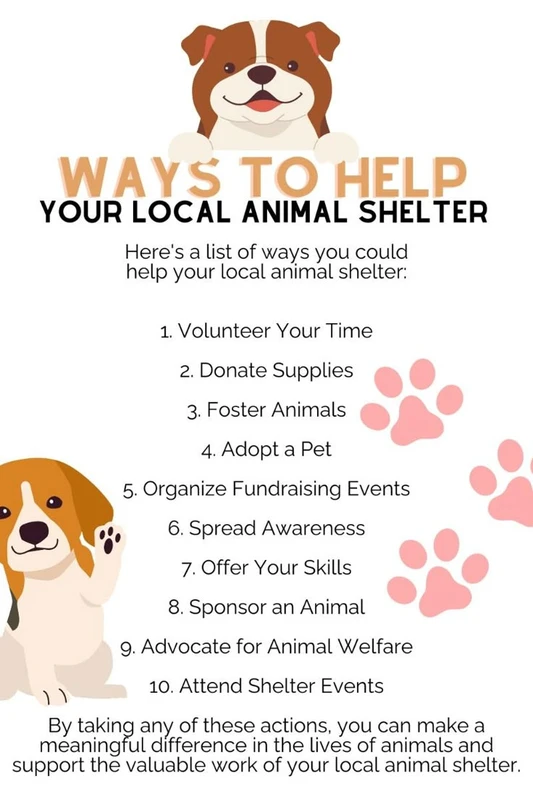
PawVerde.com – Collaboration between animal shelters and a wide range of stakeholders enhances animal welfare advocacy by combining resources, expertise, and community reach. Animal shelters serve as critical frontline entities providing shelter, medical care, and rehoming services for vulnerable animals. Effective partnerships with local businesses, corporate sponsors, media outlets, community advocates, and other welfare organizations amplify shelter impact, drive adoption rates, and advance no-kill policies. This article explores practical, actionable strategies for individuals and organizations seeking to collaborate with animal shelters, backed by expert insights and data from leading entities such as the ASPCA, Best Friends Animal Society, and Humane World for Animals.
Animal shelters benefit significantly from multi-sector collaboration that leverages complementary strengths. For instance, cross-promotion with local businesses and engagement with micro-influencers can exponentially increase public awareness and turnout at adoption drives. Corporate sponsorships not only provide essential funding but also enable employee volunteer programs that support shelter operations. Additionally, resource sharing among shelters and sanctuaries fosters no-kill advocacy by optimizing care capacity and transportation logistics. Coordinated grassroots efforts with advocacy coalitions help influence pet-friendly legislation and improve shelter medicine practices. Together, these partnerships create a robust ecosystem advancing animal welfare objectives.
Partnering with Local Businesses and Community Organizations
Local businesses provide crucial platforms for animal shelters to extend visibility and community engagement. Cross-promotion strategies such as hosting adoption events in office buildings or retail spaces have proven effective in attracting new adopters. For example, puppy yoga classes co-hosted by animal shelters and neighborhood yoga studios have emerged as innovative outreach events that combine wellness trends with animal advocacy, boosting both participant engagement and adoption inquiries. Donation displays featured in local shops also facilitate community contributions, increasing material and financial support.
Neighborhood groups and micro-influencers amplify shelter messaging through trusted networks and social media channels. Engaging lifestyle creators and pet care experts within the community fosters organic storytelling that resonates authentically with local audiences. This grassroots approach complements traditional marketing by generating word-of-mouth advocacy and enhancing shelter credibility. Local radio and TV stations often partner with shelters to promote upcoming adoption drives, increasing event attendance and media coverage.
Corporate Sponsorship and Volunteer Programs
Corporations play a vital role in animal welfare advocacy by aligning their corporate social responsibility (CSR) initiatives with shelter missions. Sponsorships from businesses provide stable funding for shelter infrastructure, medical supplies, and program development. Many corporations also establish employee volunteer programs, where staff participate in shelter activities such as dog walking, animal socialization, and event coordination. These programs strengthen community ties and foster a culture of philanthropy within the corporate sector.
Marketing campaigns that highlight corporate partnerships with shelters offer branding opportunities that enhance company reputation and customer loyalty. For instance, co-branded social media campaigns showcasing adoption success stories or shelter improvements funded by corporate grants create positive visibility for both entities. Data from the Best Friends Animal Society indicates that shelters with strong corporate partnerships experience a measurable increase in adoption rates and volunteer retention.
Collaborations Among Shelters, Sanctuaries, and Rescue Groups
Inter-shelter collaboration optimizes resources and expertise to advance no-kill advocacy. Many shelters partner with sanctuaries and rescue groups to transfer animals requiring specialized care or longer rehabilitation, thereby maximizing shelter capacity for urgent intakes. Coordinated animal transport networks facilitate these transfers, reducing euthanasia rates and improving placement success.
Open communication and trust-building are essential to overcoming challenges posed by differing shelter histories and operational models. Joint training programs and shelter medicine collaborations improve care standards across organizations. For example, ASPCA Shelter Medicine Services provides technical assistance and veterinary expertise to participating shelters, enhancing animal health outcomes and reducing disease transmission.
Sharing resources such as food supplies, medical equipment, and volunteer pools further strengthens the collective ability to support animals in need. This cooperative model aligns with grassroots advocacy efforts that emphasize humane treatment and sustainable sheltering practices.
Innovative Outreach and Marketing Strategies
Shelters increasingly leverage digital platforms and storytelling techniques to broaden their outreach. Social media campaigns featuring compelling narratives and high-quality visuals engage potential adopters and donors. Interactive content such as virtual tours, live Q&A sessions with shelter staff, and behind-the-scenes videos foster transparency and community connection.
Hosting community events beyond traditional adoption drives—such as pet care workshops, charity runs, and themed fundraisers—diversifies shelter engagement and attracts varied demographics. Tailoring campaigns to local cultural preferences and leveraging micro-influencers enhances relevance and participation.
Data analytics tools help shelters identify peak engagement periods and optimize content delivery. For example, targeted ads during weekends or holidays coincide with higher adoption inquiries. Integration of user-generated content further boosts campaign authenticity and reach.
Grassroots Advocacy and Policy Collaboration
Effective animal welfare advocacy extends beyond shelter walls through grassroots organizing and legislative engagement. Animal shelters often collaborate with advocacy coalitions to promote pet-friendly laws, anti-cruelty ordinances, and funding for shelter medicine programs. Coordinated campaigns utilize advocacy toolkits developed by organizations such as the Best Friends Action Team and Humane World for Animals to mobilize community members.
Community advocates organize letter-writing campaigns, public forums, and social media awareness drives to influence policymakers. Shelter participation in these efforts lends credibility and facilitates access to expert testimony and data. Recent successes in several states demonstrate the impact of unified shelter-advocate partnerships in passing no-kill legislation and improving animal control policies.
Shelter Medicine Collaboration and Expert Support
Advancements in shelter medicine contribute significantly to animal welfare by reducing disease, improving recovery, and enhancing overall care quality. Collaboration with expert programs such as ASPCA Shelter Medicine Services provides shelters with access to veterinary consultations, staff training, and evidence-based protocols.
These partnerships enable shelters to implement preventive health measures, including vaccination schedules, parasite control, and behavioral assessments. Enhanced medical care improves adoption readiness and reduces length of stay, a key metric in no-kill shelter success.
Moreover, shelter medicine collaborations support research initiatives that inform best practices and policy recommendations. This scientific approach underpins advocacy efforts by providing data-driven evidence of effective sheltering methods.
Future Directions in Shelter Collaboration for Advocacy
Sustaining impactful partnerships requires ongoing innovation, transparency, and adaptability. Expanding collaboration to include emerging stakeholders such as social service providers and lifestyle creators can broaden the advocacy base. Investment in technology platforms for resource sharing and coordinated event management will enhance operational efficiency.
Continued emphasis on no-kill initiatives and legislative advocacy remains critical. Shelters and partners must balance immediate animal care needs with long-term systemic change through policy reform and public education. Data integration and impact measurement tools will support accountability and guide strategic planning.
Collective responsibility among animal welfare organizations, corporate partners, community advocates, and media will drive the next phase of shelter advocacy. By sharing expertise, resources, and platforms, these stakeholders can create resilient networks that improve animal outcomes and foster compassionate communities.
Frequently Asked Questions
How can local businesses effectively support animal shelters?
Local businesses can support shelters by hosting adoption events, displaying donation drives, sponsoring community outreach activities, and collaborating on unique events such as puppy yoga classes. They can also promote shelter missions via social media and provide in-kind support like space or services.
What role do corporate sponsors play in animal shelter advocacy?
Corporate sponsors provide financial support, volunteer staff, and marketing resources. They align CSR initiatives with shelter goals, sponsor events, and help amplify outreach campaigns, which enhances shelter capacity and public visibility.
Why is collaboration among shelters and sanctuaries important?
Collaboration enables sharing of resources, expertise, and animal transfers, supporting no-kill policies and improving care. It helps shelters manage capacity, provide specialized treatment, and coordinate rescue efforts more effectively.
How do grassroots advocacy efforts complement shelter work?
Grassroots advocacy mobilizes community support for humane legislation, raises awareness, and pressures policymakers. When combined with shelter expertise and data, these efforts drive systemic changes that benefit animal welfare.
What benefits do shelter medicine collaborations offer?
Shelter medicine partnerships improve animal health through expert veterinary care and training. They reduce disease and stress in shelter animals, enhance adoption readiness, and support research that informs best practices and policy advocacy.
—
By integrating local business partnerships, corporate sponsorships, inter-organizational collaboration, innovative marketing, grassroots advocacy, and expert shelter medicine support, animal shelters can significantly enhance their advocacy impact. These comprehensive strategies foster community engagement, increase adoption rates, and advance no-kill objectives, ultimately transforming animal welfare landscapes.

How to Lead Pet Clean-Up Events: Step-by-Step Guide
PawVerde.com – Organizing and leading a pet clean-up event requires meticulous planning, volunteer coordination, and effective promotion to ensure successful pet waste collection and disposal. Pet waste presents significant environmental and health hazards, contaminating water sources and spreading pathogens harmful to humans and animals. A well-executed event not only mitigates these risks but also fosters community involvement and environmental stewardship. This tutorial provides a detailed, step-by-step guide on how to plan, promote, and manage pet clean-up events that engage local communities, adhere to safety standards, and maximize environmental impact.
1. Planning Your Pet Clean-Up Event
Successful pet clean-up events begin with clear objectives and logistical planning. Define your event’s purpose—whether it is raising awareness about pet waste management, reducing environmental contamination, or improving local park conditions. Establish measurable goals such as the number of volunteers recruited, amount of waste collected, or areas covered.
Identify locations with high pet activity, such as parks, trails, or neighborhoods with dense dog populations. Collaborate with local authorities or land managers, such as municipal parks departments or organizations like Barnstable Land Trust (BLT), to secure necessary permissions and align with existing environmental regulations. Early engagement with local government ensures compliance with waste disposal mandates and access to disposal facilities.
Develop a timeline that includes pre-event preparation, the event day, and post-event activities. Allocate dates to accommodate volunteer availability and seasonal considerations—avoid extreme weather that could hinder participation or safety.
2. Recruiting and Managing Volunteers
Volunteer mobilization is critical for event success. Utilize social media platforms, local community groups, pet clubs, and environmental organizations to announce the event and attract participants. Craft compelling messages emphasizing community impact and environmental benefits to motivate involvement.
Assign clear roles to volunteers, such as team leaders, waste collectors, safety monitors, and logistics coordinators. Team leaders can oversee small groups, facilitating communication and ensuring task completion. Provide a detailed briefing before the event to outline responsibilities, safety protocols, and proper waste handling procedures.
Conduct training sessions, either virtually or onsite, to demonstrate the correct use of cleanup tools, waste disposal methods, and hygiene practices. Emphasize the importance of wearing gloves, using grabbers, and avoiding direct contact with pet waste to reduce health risks. Prepare volunteer handbooks or digital guides summarizing key points.
3. Organizing Logistics and Supplies
Supply management ensures smooth operations during the cleanup. Procure sufficient pet waste disposal bags, disposable gloves, litter pickers or grabbers, and hand sanitizers. Consider eco-friendly waste bags to align with sustainable waste management practices.
Set up clearly marked waste collection points where volunteers can deposit filled bags. Coordinate with local waste management services to arrange timely pickup or provide instructions for proper disposal in designated trash bins. If possible, partner with businesses like Number 2 Club, which specialize in pet waste cleanup, to leverage their expertise and resources.
Prepare safety kits containing first aid supplies, water, and communication devices. Designate safety officers to monitor volunteer health and respond to emergencies. Establish protocols for dealing with hazards such as sharp objects, aggressive animals, or adverse weather.
4. Promoting the Event Using Local SEO and Community Channels
Maximize community participation through strategic promotion leveraging local SEO and traditional outreach. Create event pages optimized with keywords such as “pet waste cleanup,” “community cleanup event,” and the location name to improve visibility on search engines. Utilize Google Business Profile to list the event and attract local participants.
Distribute flyers in pet stores, veterinary clinics, community centers, and parks. Use social media campaigns with targeted ads and hashtag strategies to reach pet owners and environmental advocates. Encourage partners like local animal shelters and environmental groups to share event details on their platforms, expanding reach.
Engage local media outlets—radio stations, newspapers, and online community forums—to announce the event and its environmental significance. Use newsletters and email marketing to remind registered volunteers and keep the community informed.
5. Executing the Pet Clean-Up Event
On the event day, arrive early to set up registration tables, supply stations, and waste collection points. Conduct a volunteer check-in to distribute supplies and provide a final safety briefing. Emphasize adherence to safety protocols and environmental guidelines.
Assign teams to specific zones with clear boundaries to ensure thorough coverage and avoid duplication. Facilitate ongoing communication using radios or messaging apps to address issues promptly. Encourage volunteers to report hazards or unsafe conditions immediately.
Monitor waste collection to verify proper bagging and disposal. Collect data on waste volume and participant numbers for reporting purposes. Maintain volunteer morale through positive reinforcement, hydration breaks, and quick problem resolution.
6. Post-Event Waste Disposal and Reporting
Ensure all collected waste is disposed of according to local regulations, either through municipal waste services or designated landfill sites. Avoid improper disposal methods that can lead to environmental contamination.
Thank volunteers and sponsors promptly through personalized messages or public acknowledgments. Share event outcomes, including the amount of waste collected and environmental impact data, via social media and community newsletters to reinforce transparency and encourage future participation.
Conduct a debrief meeting with organizers and key volunteers to evaluate event strengths and areas for improvement. Document lessons learned and update planning materials for subsequent cleanups.
7. Troubleshooting Common Issues During Pet Clean-Up Events
Managing pet clean-up events involves anticipating and resolving common challenges:
8. Alternative Methods and Enhancements for Pet Waste Management
Beyond organized cleanups, consider integrating the following approaches:
Frequently Asked Questions
What safety equipment is essential for pet clean-up volunteers?
Volunteers should use disposable gloves, waste grabbers or pickers, hand sanitizers, and wear weather-appropriate clothing. First aid kits should be accessible on-site, and volunteers must avoid direct contact with pet waste to minimize health risks.
How can I effectively promote a pet clean-up event to attract local participants?
Use local SEO techniques by optimizing event listings with targeted keywords and location tags. Leverage social media channels, partner with local businesses and organizations, distribute flyers in community hubs, and engage local media outlets for broader reach.
What are the best practices for disposing of collected pet waste?
Collected waste should be sealed in bags and disposed of in regular trash bins or according to municipal waste guidelines. Flushing waste may be acceptable in some regions but check local regulations. Avoid leaving waste in open areas to prevent environmental contamination.
How do I handle volunteer training for an effective pet clean-up event?
Provide clear instructions on safety protocols, proper use of cleanup tools, and waste disposal procedures through in-person briefings, printed guides, or instructional videos. Reinforce hygiene practices and emergency response plans.
Can pet clean-up events be combined with other environmental initiatives?
Yes, integrating pet waste cleanup with larger community environmental projects, such as park restoration or invasive species removal, can increase volunteer engagement and amplify ecological benefits.
—
Leading a successful pet clean-up event demands organized planning, strategic volunteer coordination, and effective promotion rooted in local SEO practices. By following these detailed steps, organizers can ensure environmental health benefits, community engagement, and sustainable pet waste management. Future initiatives may expand through technological integration and ongoing education to build long-lasting community stewardship.